
Last updated November 18, 2026
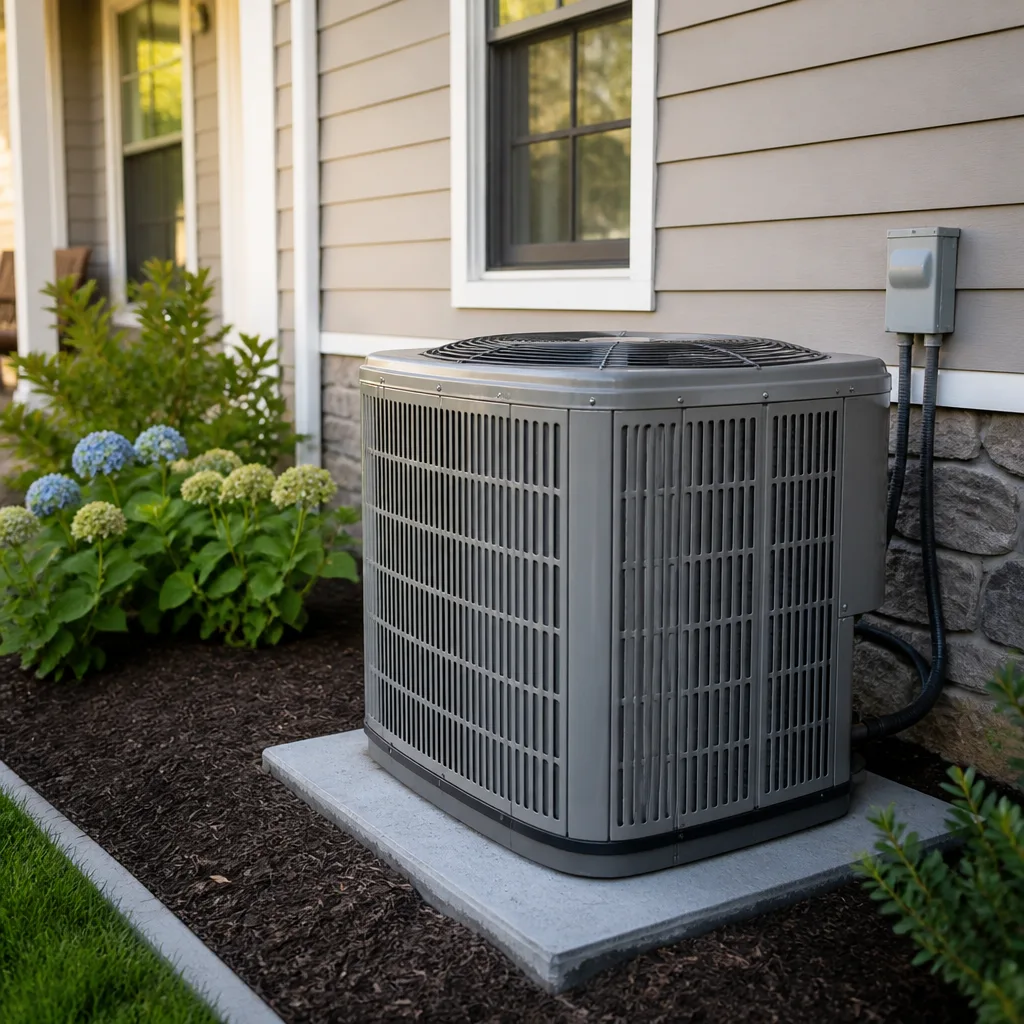 AC repair
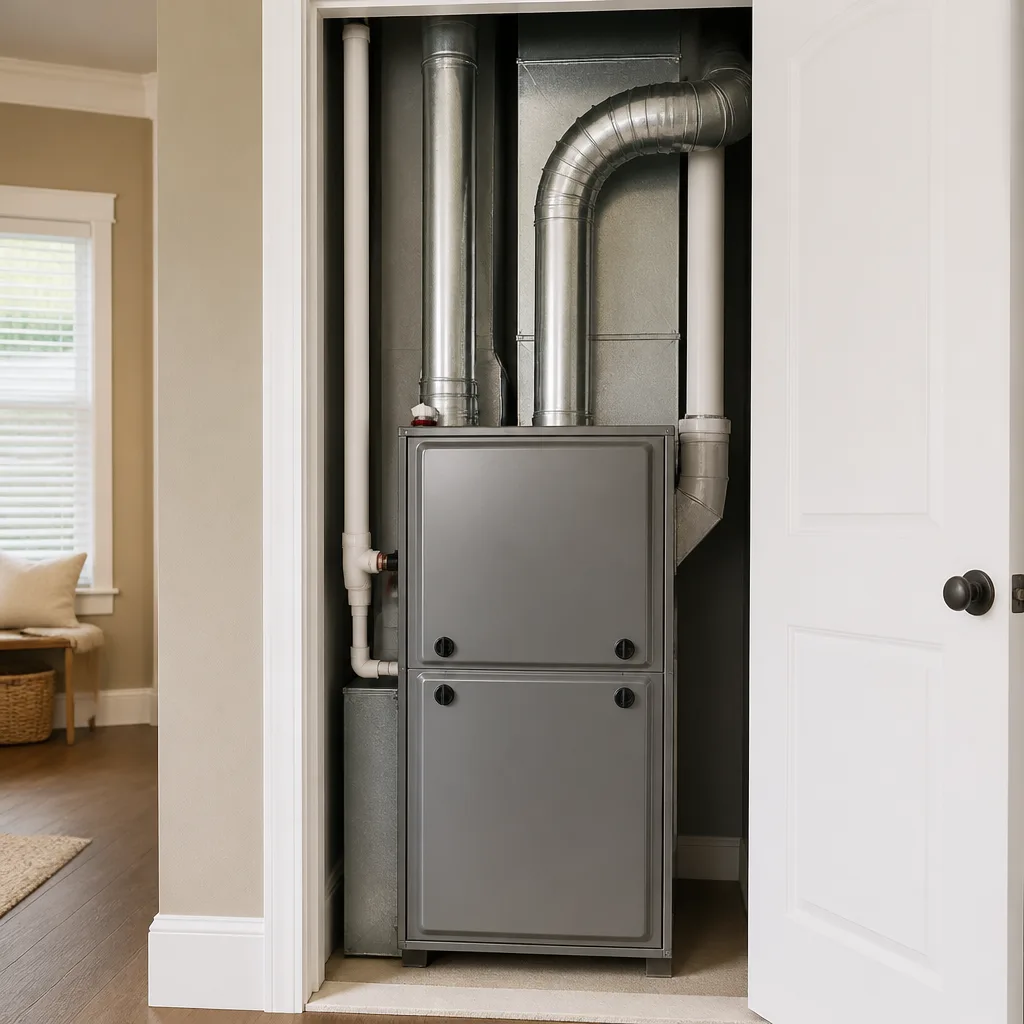 Furnace & heating
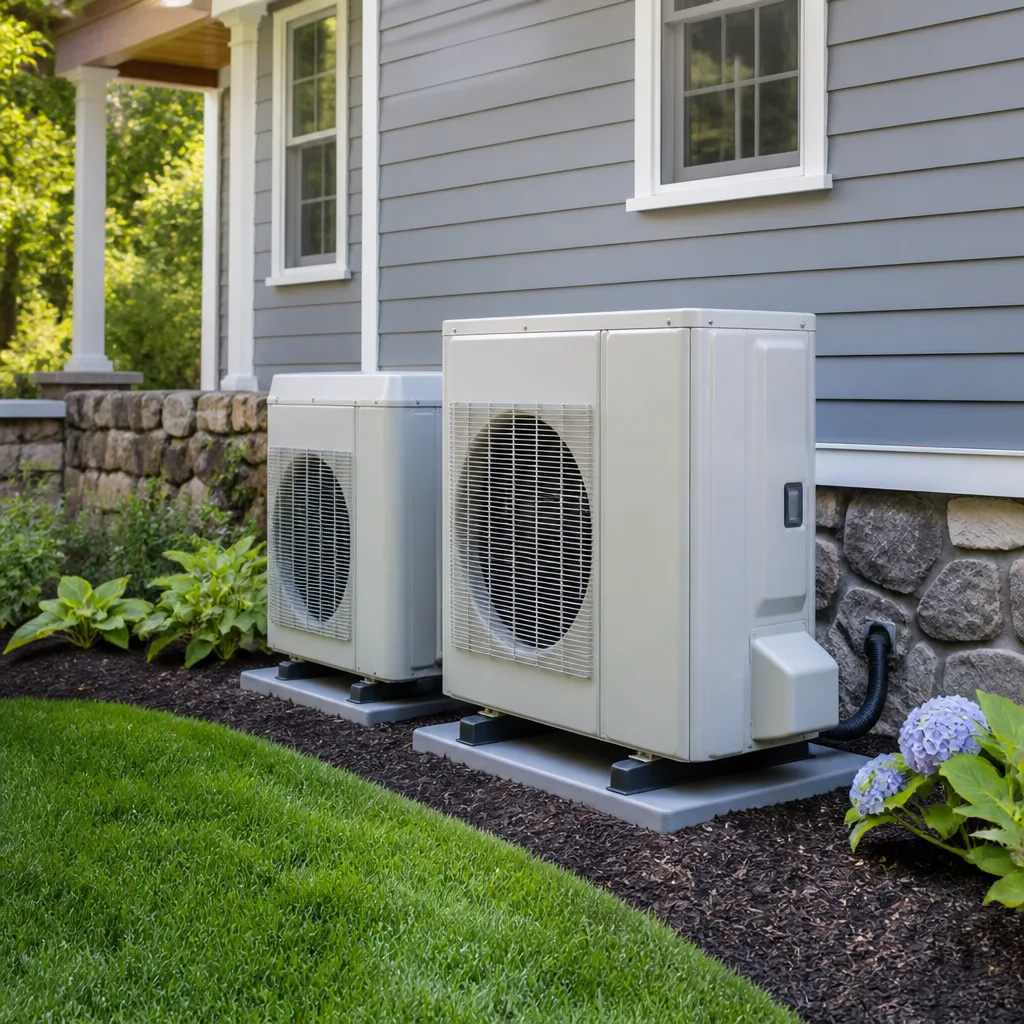 Heat pumps
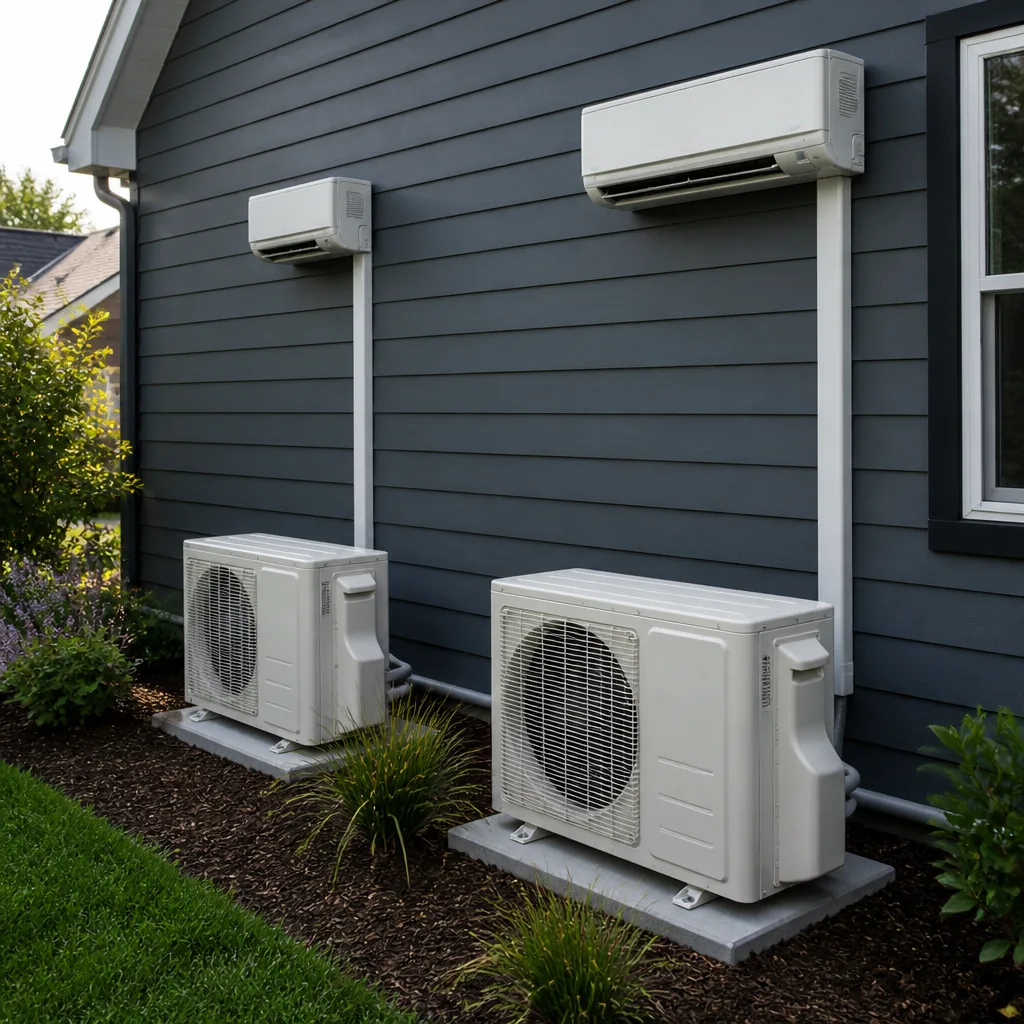 Ductless mini splits
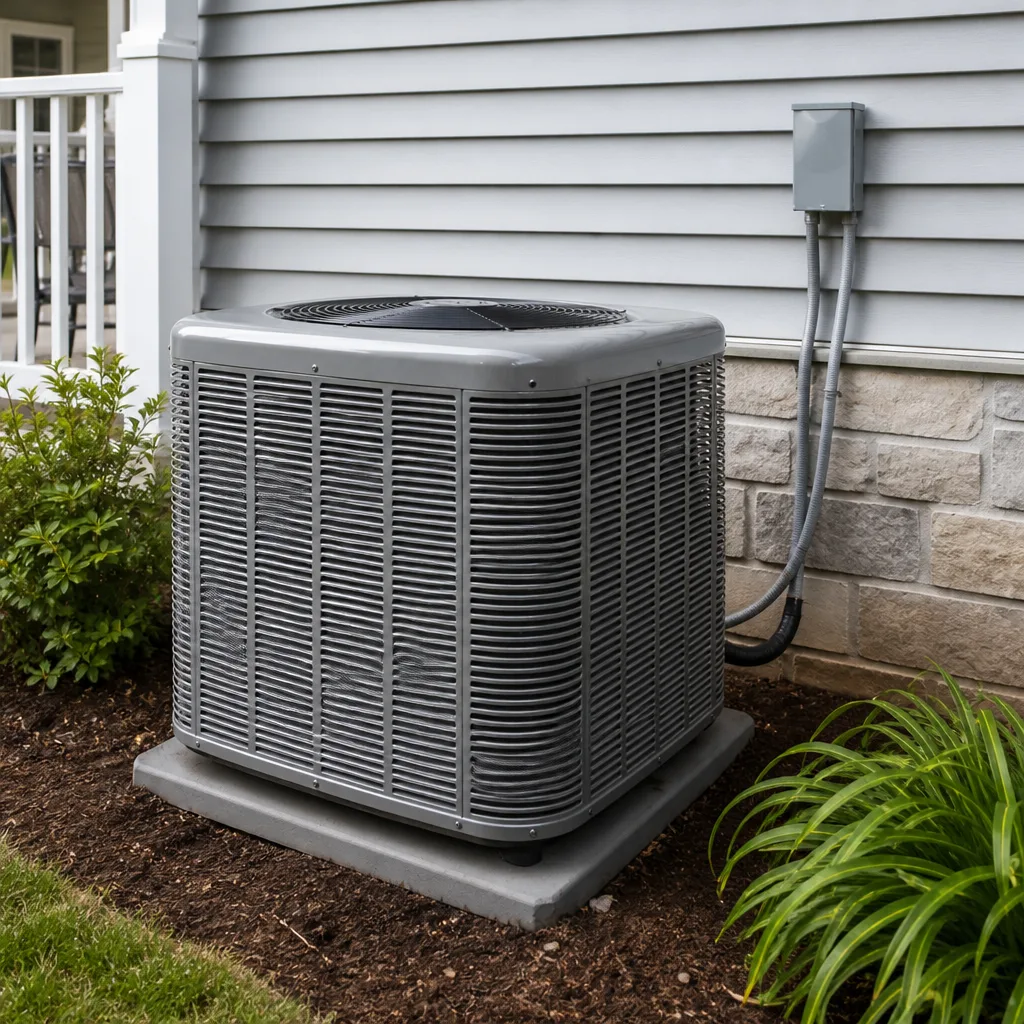 Carrier
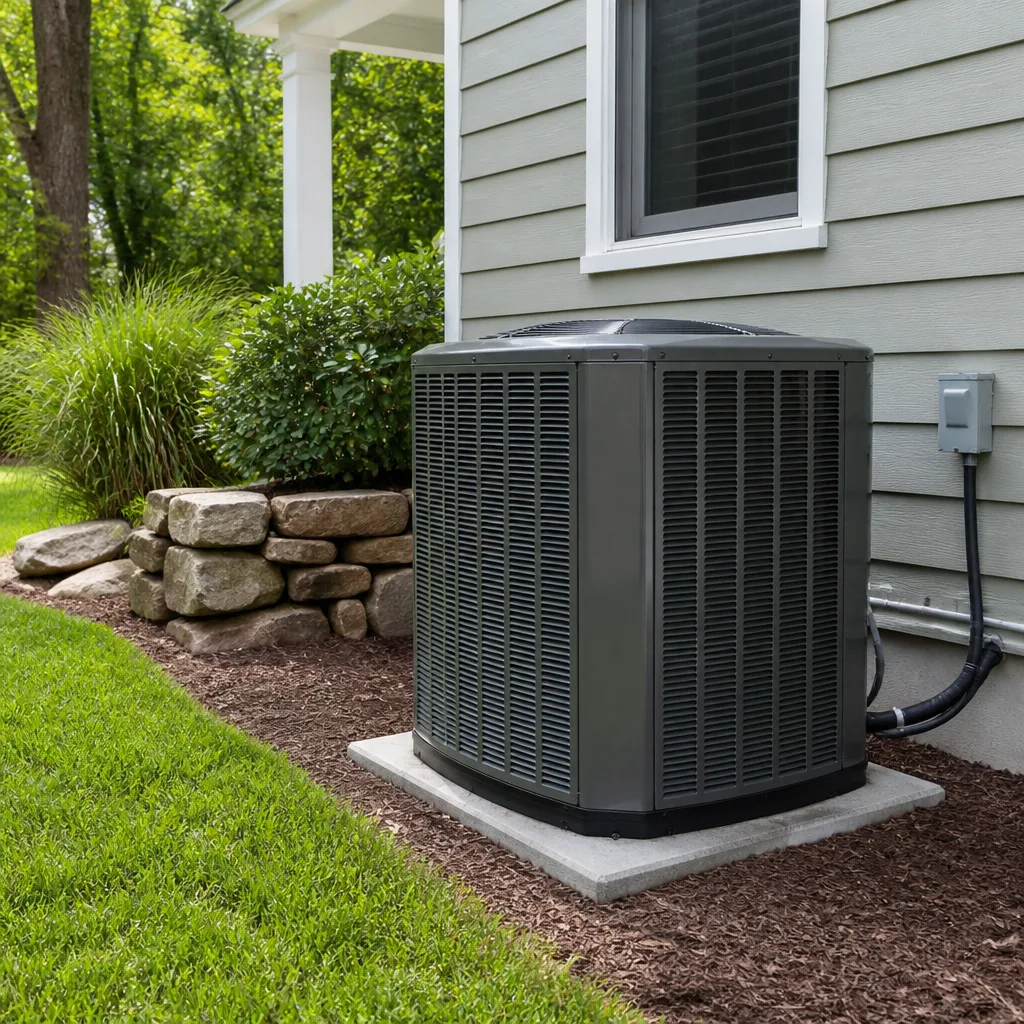 Trane
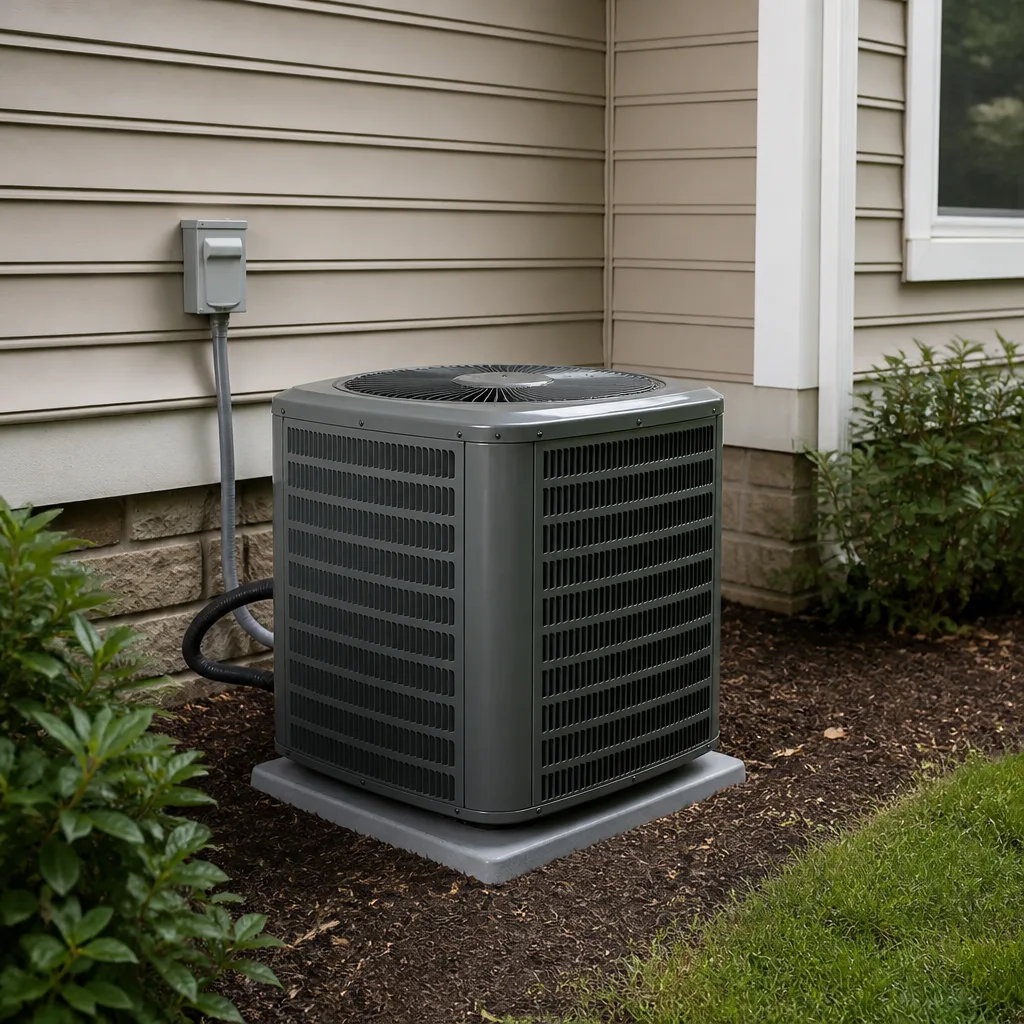 Goodman
Seasonal tune-up and full diagnostic on your Carrier, Trane, or Goodman system - readings shown to you before any repair is proposed
Diagnosis first, numbers second - you approve the repair price before a single part goes in.
Get your free estimateHVAC Warning Signs: A Paradise Homeowner’s Reference Guide
Most HVAC warning-sign articles give you the same eight symptoms in the same order and then stop, which leaves you no better off than when you started. Here’s what they skip: a short-cycling system isn’t “working hard because it’s hot.” It’s a symptom with about six possible causes, and the range runs from a clogged filter you can swap for fifteen bucks to a compressor that’s already gone. Paradise summers don’t forgive guesswork, and the difference between a cheap fix and an expensive one is knowing which symptom you’re actually looking at. This guide walks through what the common signs mean, which ones are urgent, which ones you can safely watch for a week, and how to describe what you’re seeing so the person who shows up already knows what to bring.
Quick Answer
The warning signs that mean stop and call today are a burning smell, water pooling near the air handler, and a breaker that trips more than once. Everything else – short cycling, odd noises, weak airflow, ice on the lines – falls somewhere between “check the filter yourself” and “schedule a visit this week.” Knowing which bucket you’re in saves you money and keeps a small problem from turning into a compressor.
Styles & brands we work with
- AC repair
- Furnace & heating
- Heat pumps
- Ductless mini splits
- Carrier
- Trane
- Goodman
Table of Contents
- The Triage Framework: What to Check Before You Call Anyone
- Short Cycling: Six Causes, From Free to Catastrophic
- Weird Noises: Bearing Going Out vs. Loose Panel
- Ice on the Refrigerant Lines in a Paradise Summer
- The Do-Not-Wait Signs
- How to Describe Symptoms So the Right Parts Show Up
- Seasonal Warning Signs in Paradise
- Common Mistakes to Avoid
The Triage Framework: What to Check Before You Call Anyone
Before you decide anything is broken, run through four checks any homeowner can do in ten minutes. We’ve walked into plenty of Paradise homes where the “emergency” was a thermostat in the wrong mode or a filter matted solid with dust from a windy spring. Going through these first doesn’t cost you anything and it rules out the cheap explanations before you spend a dime.
- Filter. Pull it out and hold it up to the light. If you can’t see through it, that alone can cause weak airflow, frozen coils, and short cycling. In Paradise, dusty spring winds mean filters clog faster than the packaging claims.
- Thermostat. Confirm it’s set to COOL, the fan is on AUTO, and the batteries aren’t dead. A thermostat reading the wrong temperature will make a healthy system run strange.
- Breaker. Check the panel. If the AC breaker is tripped, reset it once. If it trips again, stop – that’s a do-not-wait sign covered below.
- Vents. Walk the house and make sure supply registers are open and not blocked by furniture or rugs. Closed vents in unused rooms push static pressure up and make the whole system work harder than it should.
If all four check out and the problem persists, you’ve earned the right to call. And when you do, you can tell the person on the phone exactly what you’ve already ruled out, which saves time on the visit.
Short Cycling: Six Causes, From Free to Catastrophic
A system that turns on and off every few minutes isn’t working hard. It’s failing at something, and the cause could be anything from a two-dollar fix to a dead compressor. Here are the six we see most in the Paradise area, ordered roughly from least to most expensive:
- Clogged filter or blocked return. Restricted airflow makes the system overheat and shut down on a safety. Swap the filter and open blocked returns. This is the free one.
- Dirty condenser coil. The outdoor unit can’t shed heat, so it cycles on its high-pressure limit. A coil rinse often fixes it.
- Thermostat placement or calibration. A thermostat near a hot window or a supply vent reads wrong and short cycles the system. Sometimes it’s just a relocation.
- Low refrigerant charge. A leak means the system can’t build the pressure it needs to run a full cycle. This is a sealed-system repair, not a top-off.
- Oversized system. A unit too big for the house cools too fast, satisfying the thermostat before it dehumidifies. We see this in Paradise homes where a previous replacement was sized by square footage instead of a load calculation.
- Failing compressor or control board. The expensive end. A capacitor or contactor test usually tells us which before anyone says the word compressor.
Notice that five of the six are diagnosable on a first visit. The sixth – the compressor – is the one you don’t want to guess at, which is why we test the cheap parts first. Readings first, numbers second; you’ll see both before any work begins.
Weird Noises: Bearing Going Out vs. Loose Panel
Noise is where homeowners panic most and where the difference matters least in the moment – until you know what you’re hearing. Most sounds fall into two camps: schedule-soon and turn-it-off-now.
Schedule soon. A rattle or hum that comes and goes is usually a loose panel, a fan blade out of balance, or a blower wheel with some debris in it. These aren’t emergencies, but they get worse if ignored, and a loose panel can chew through a fan blade over a season.
Turn it off now. A grinding or screeching that’s constant and gets louder is usually a bearing in the blower motor or the outdoor fan motor going out. Running it grinds metal on metal and can seize the motor entirely. A metallic scraping that only happens at startup often means a fan blade contacting the housing. If you hear either, shut the system off at the thermostat and call.
One more: a clicking that repeats then the system dies can be a failing contactor or capacitor. Those are cheap parts. They get expensive when they take the compressor with them. If the outdoor unit is clicking off after a few seconds, don’t keep resetting the breaker hoping it sticks – that’s the next section.
Ice on the Refrigerant Lines in a Paradise Summer
Ice on the thick insulated line running from the outdoor unit to the house looks harmless. It isn’t. In a Paradise summer, when it’s well over 100 outside, ice on that line means the system is starved for refrigerant or starved for airflow. It’s freezing because it’s running cold and low on pressure, not because it’s cooling well.
Here’s the trap: running the system anyway makes it worse. The ice builds, airflow drops, the coil freezes solid, and the compressor runs under strain trying to move refrigerant through a blocked coil. What starts as a small leak becomes a frozen block and a compressor pushed to its limit.
If you see ice, the right move is to turn the system off at the thermostat, let it thaw (a couple of hours), and call for a visit. Don’t chip the ice off – you’ll kink the line. Don’t just wait for it to melt and turn it back on, because it’ll refreeze the same way. Ice on the lines means a refrigerant leak or an airflow problem, and either one needs a set of gauges and a careful look, not a guess.
The Do-Not-Wait Signs
Three warning signs mean call today, not next week. They involve safety or the risk of a much bigger repair if you wait.
- Burning smell. A hot plastic or electrical smell from the air handler or outdoor unit means wiring or a motor is overheating. Turn the system off at the thermostat and the breaker. Don’t run it again until someone looks. A burned wire in an air handler is a genuine fire risk in a Nevada summer.
- Water near the air handler. Water pooling around the indoor unit means a clogged condensate drain, a cracked drain pan, or a frozen coil thawing. In a Paradise attic or closet install, that water can run into ceiling drywall and insulation before you notice. Turn the system off and call.
- Breaker tripping repeatedly. A breaker that trips once and resets is one thing. A breaker that trips again is telling you a motor or the compressor is drawing too many amps. Keep resetting it and you risk a fire or a dead compressor. This one gets a same-day visit, every time.
None of these three get the “watch it for a week” treatment. We’ve had Paradise homeowners call us after two weeks of breaker tripping and arrive to a compressor that had already cooked itself.
How to Describe Symptoms So the Right Parts Show Up
When you do call, the quality of your description changes the visit. A vague “the AC isn’t working” means the person at your door has to guess what to load in the truck. A specific description means they arrive with the filter, capacitor, contactor, or blower motor that likely fits. That shortens the visit and gets you cool air sooner. Here’s how to document accurately:
- Note the timing. “Turns on and off every four minutes” tells us more than “keeps stopping.”
- Note the conditions. Does it happen only in the afternoon heat? Only when the thermostat first calls? Only after a filter change?
- Note the noise location. Indoor unit, outdoor unit, or both. A grinding indoor unit points to the blower motor; an outdoor grinding points to the fan motor or compressor.
- Note the thermometer. Measure the air at a supply vent and the return. A spread of 15 to 20 degrees is a healthy system. A spread of 5 degrees means something big is wrong.
- Take a photo. A phone photo of the outdoor unit’s model plate gets us the right parts on the first visit more often than not.
Model plate, symptom timing, and the temperature spread – that trio tells a trained ear a lot before the truck even rolls. It’s the difference between a diagnosis and a guess.
Seasonal Warning Signs in Paradise
Paradise weather has its own rhythm, and the warning signs shift with it. In our experience, the calls we get from Paradise homeowners cluster around the same seasonal triggers:
Spring. The dusty winds that sweep through the valley load up filters and coils fast. Weak airflow in April is almost always a filter clogged weeks earlier than expected. If you can’t remember the last filter change, it’s overdue.
Late spring to early summer. The first 100-degree afternoon is when a marginal capacitor or a low refrigerant charge finally shows itself. A system that limped through a mild May can short cycle the first day the thermostat really works. A spring tune-up catches this before the first hot Saturday.
Peak summer. Ice on lines, frozen coils, and breaker trips. The system is running its hardest and any weakness gets exposed. This is when a small leak becomes a frozen block and a clogged drain becomes a water stain on the ceiling.
Fall. The first cold snap flips the system to heat and every hidden furnace problem surfaces at once. We’ve seen more heater failures in the first two weeks of cold weather than in any other stretch. Our heating and furnace service in Paradise gets busy early for that reason – a fall check catches the igniter or flame sensor before the first freezing night.
If your system has a heat pump, the seasonal flip is the time to watch for defrost problems and reversing valve trouble. Our heat pump and mini-split work in Paradise covers both heating and cooling, so the same visit can catch issues in either mode.
Common Mistakes to Avoid
- Resetting the breaker over and over. A breaker that trips twice is telling you something is drawing too much current. Keep resetting it and you risk a burned wire or a dead compressor. Call instead.
- Running a frozen system to “see if it catches up.” Ice on the lines means the system is struggling, and running it makes the freeze worse and strains the compressor. Turn it off and let it thaw, then call.
- Topping off refrigerant as a “fix.” A system that’s low on refrigerant has a leak. Topping it off means you’ll be doing it again next season. Find and repair the leak.
- Replacing a filter every eighteen months. In Paradise’s dusty spring, filters need changing far more often than the box suggests. Check monthly, change when it’s matted.
- Blocking supply vents in unused rooms to “save energy.” Closed vents raise static pressure and can freeze the coil. Keep them open and let the system breathe.
- Hiring on a phone quote. A price quoted over the phone without readings is a guess. Look for a diagnosis first – readings, then numbers.
- Ignoring a small water leak near the air handler. That drip is a clogged drain or a cracked pan. By the time the ceiling stains, the repair is several times bigger.
When to Call a Professional
Call a professional if any of the do-not-wait signs show up: burning smell, water near the air handler, or a breaker that trips more than once. Call if ice appears on the refrigerant lines in the summer heat, or if a grinding noise turns constant. And call if the four self-checks above (filter, thermostat, breaker, vents) don’t resolve a problem that’s been nagging for more than a few days. Modern refrigerant handling and compressor diagnosis need gauges, meters, and training – it’s not a job for a Saturday handyman.
Ray’s Heating & Air Paradise offers free estimates in Paradise – call (855) 664-5714. Phones are answered around the clock, and calls go to a live person. All visit pricing is agreed before any work begins, and every job carries the 90-Day Done Right Promise in writing.
Frequently Asked Questions
The three you should never wait on are a burning smell, water pooling near the air handler, and a circuit breaker that trips more than once. A burning smell points to overheating wiring or a motor, water near the air handler can mean an attic leak into your ceiling, and a repeatedly tripping breaker signals a motor or compressor drawing too much current. Any of these get a call today, not next week.
No, and that’s what makes it tricky. Short cycling has six common causes, and the range runs from a clogged filter you can change yourself to a failing compressor. Start with the filter and return airflow, then the thermostat placement. If the system still cycles every few minutes after those checks, that’s when a diagnostic visit earns its keep – the cheap causes are ruled out and the expensive ones need a meter.
Yes. Turn it off at the thermostat and let it thaw. Ice on the refrigerant lines in a Paradise summer means the system is low on refrigerant or starved for airflow. Running it makes the freeze worse and strains the compressor, and chipping the ice can kink the line. Thaw it, then call for a visit with gauges.
Constant grinding or screeching means shut it off and call – that’s usually a bearing in a motor. An occasional rattle or hum from a loose panel or out-of-balance fan blade is a schedule-soon noise. If you can hear metal scraping metal, stop the system and call; a few more minutes of running can turn a motor replacement into a bigger repair.
Note the timing (every four minutes, only in the afternoon), the location (indoor unit, outdoor unit), and the temperature spread at a supply vent versus the return. Add a phone photo of the model plate. That’s the difference between a visit that diagnoses on the spot and one that has to make a second trip for a part.
Yes. We work on Carrier, Trane, Lennox, Goodman, Rheem, York, Daikin, Bryant, and American Standard systems. Our technicians have up to 24 years of experience, and every job carries the 90-Day Done Right Promise in writing. Call us at (855) 664-5714 for a free estimate.
The Bottom Line
Most warning signs aren’t red alerts. They’re questions asking you how bad it is. Filter, thermostat, breaker, and vents rule out the free causes before you spend anything. Short cycling is a symptom to diagnose, not panic over. Ice, burning smells, standing water, and a breaker that trips twice are the ones that shouldn’t wait. And when you do call, a specific description – timing, location, temperature spread, model plate – makes the visit faster and cheaper. That’s the whole point: better decisions, not more phone calls.
For a slower, more thorough look at the systems themselves, our AC repair and installation in Paradise and our heating and furnace service in Paradise pages cover what a proper diagnostic and repair visit looks like, and the Ray’s Heating & Air Paradise home page lays out the offers and the 90-Day Done Right Promise. If you’re hearing a grinding noise right now, don’t wait for a convenient time – call (855) 664-5714 and a live person will pick up, day or night.
Written by the team at Ray’s Heating & Air Paradise.
See the difference
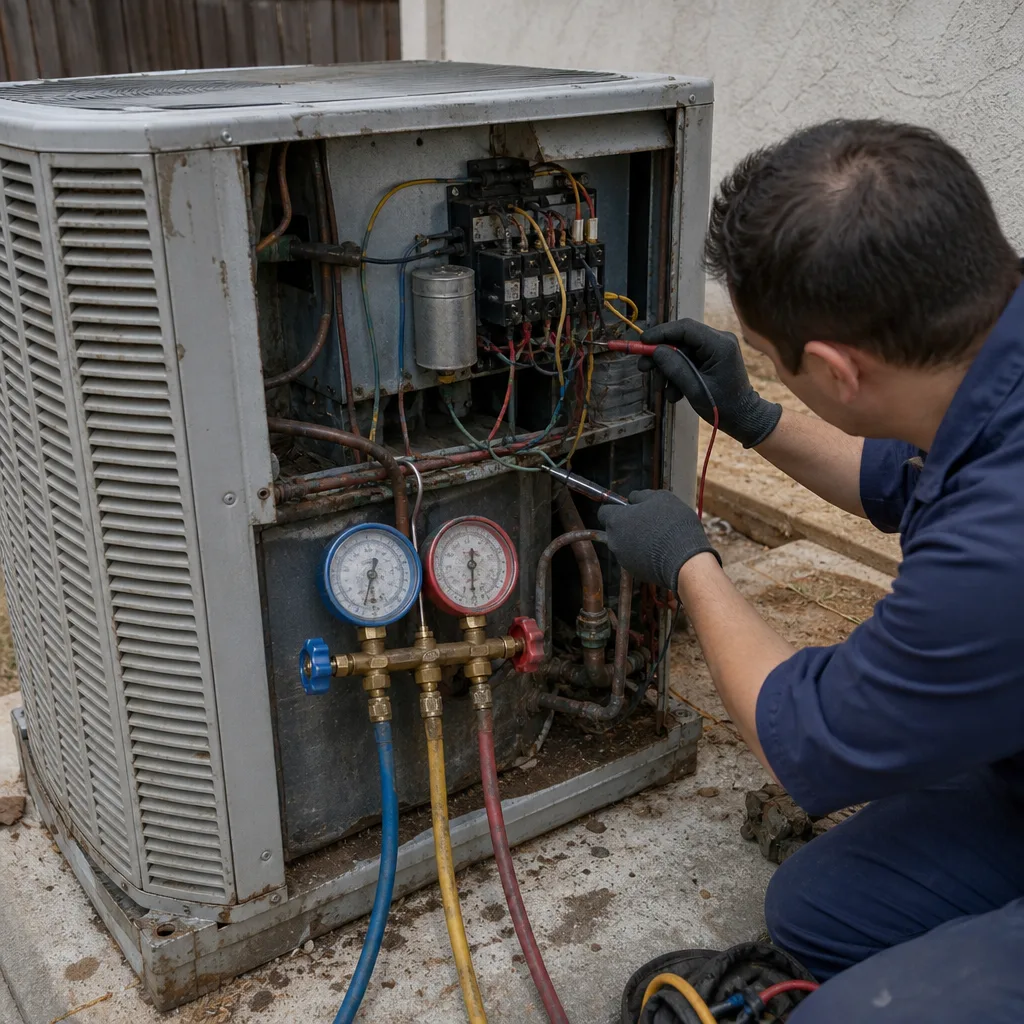 Before
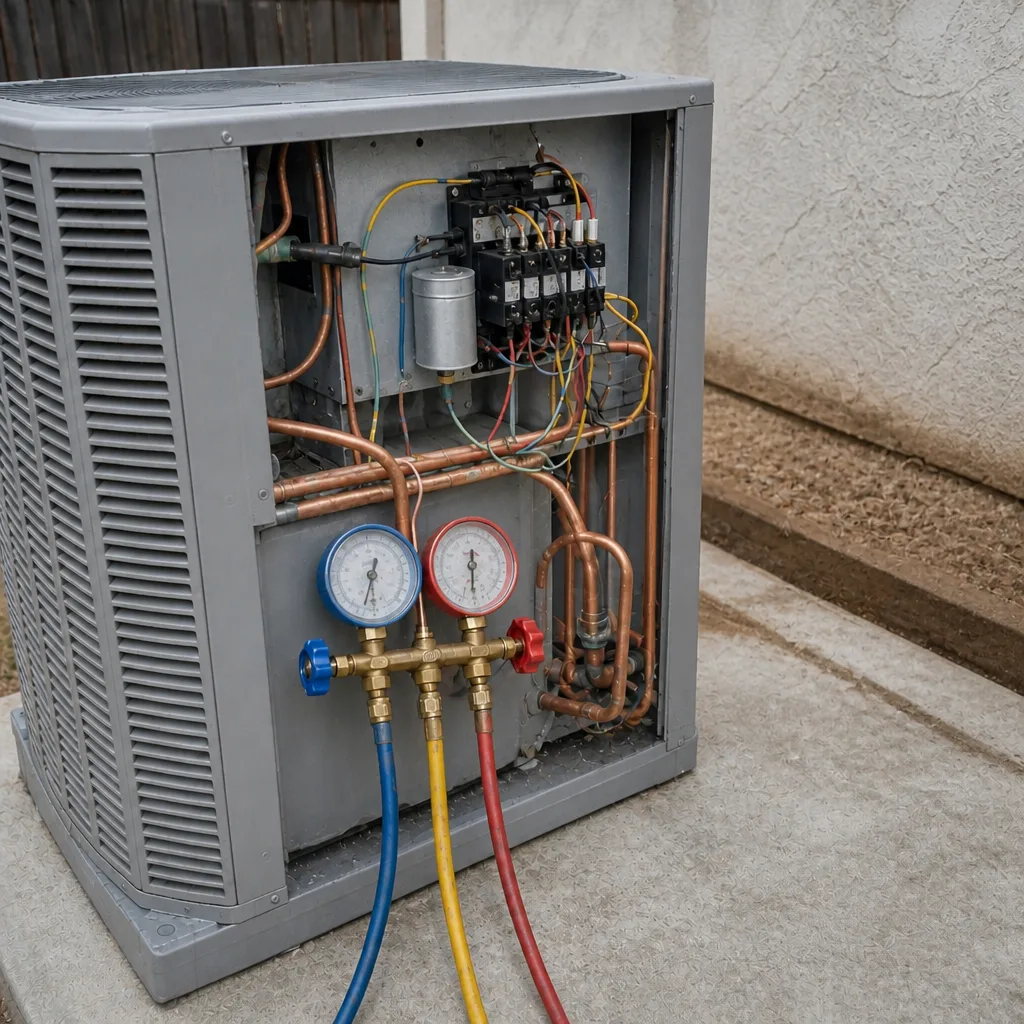 After
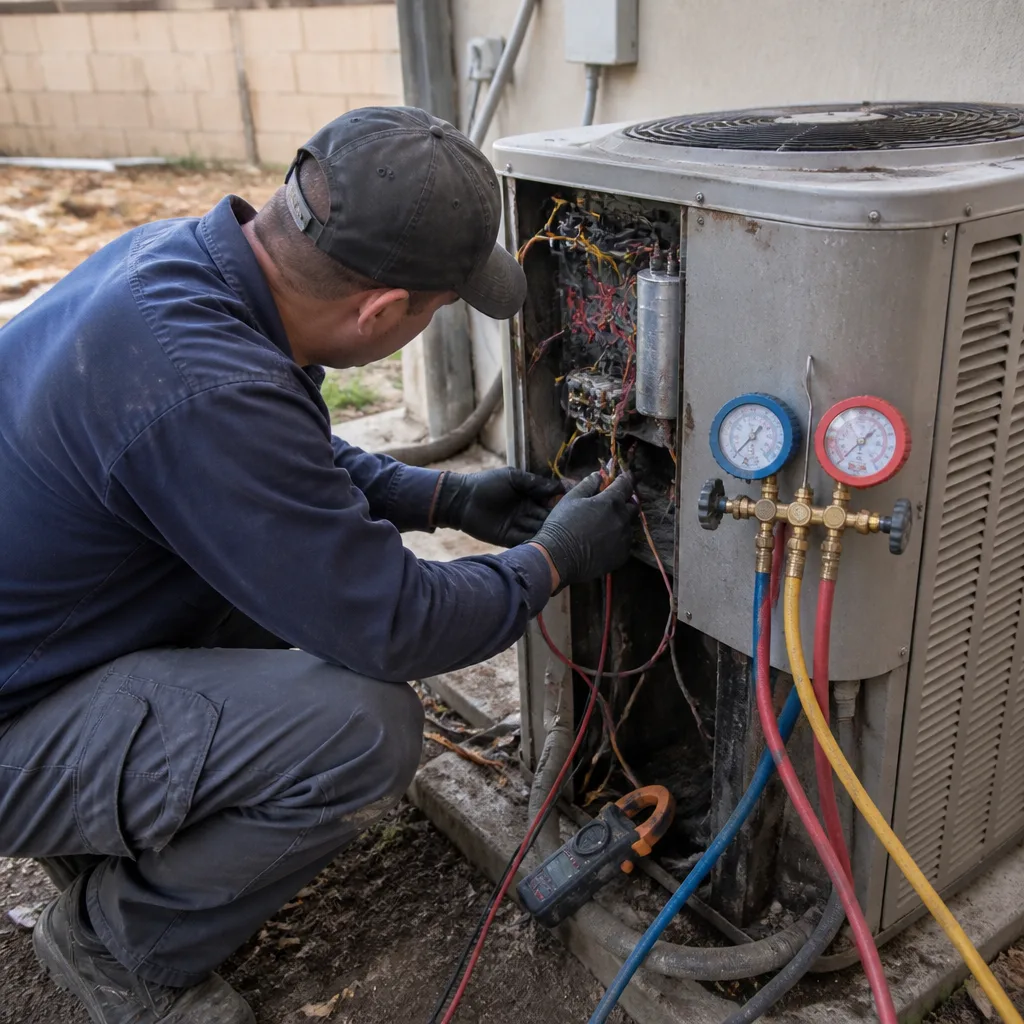 Before
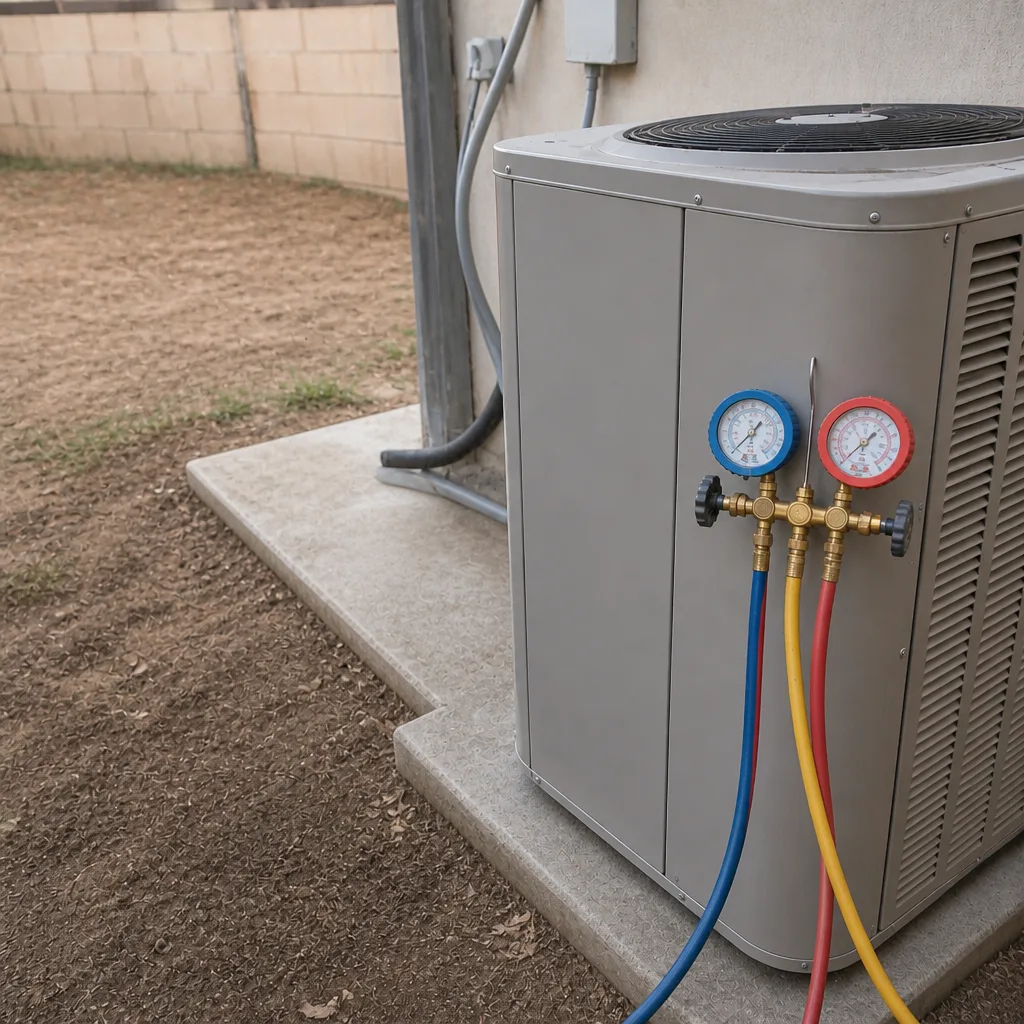 After
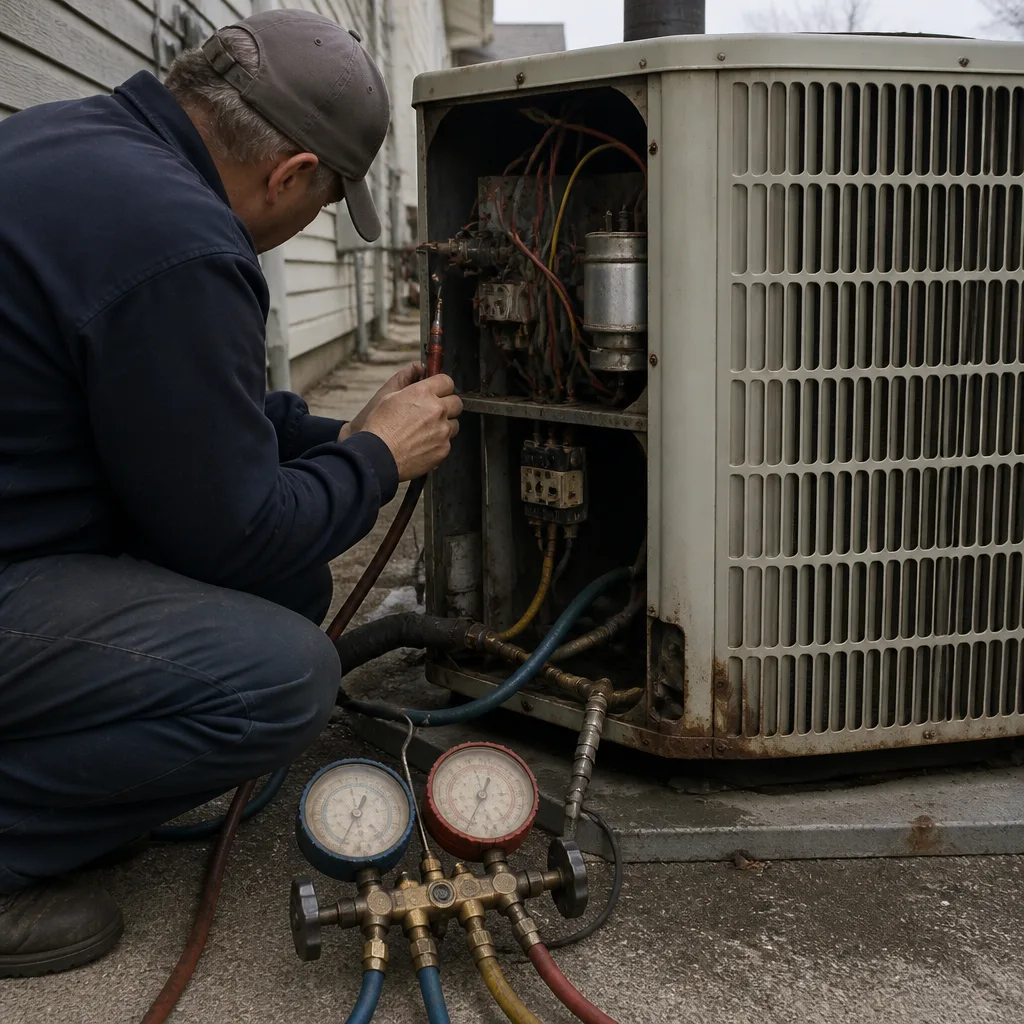 Before
 After