
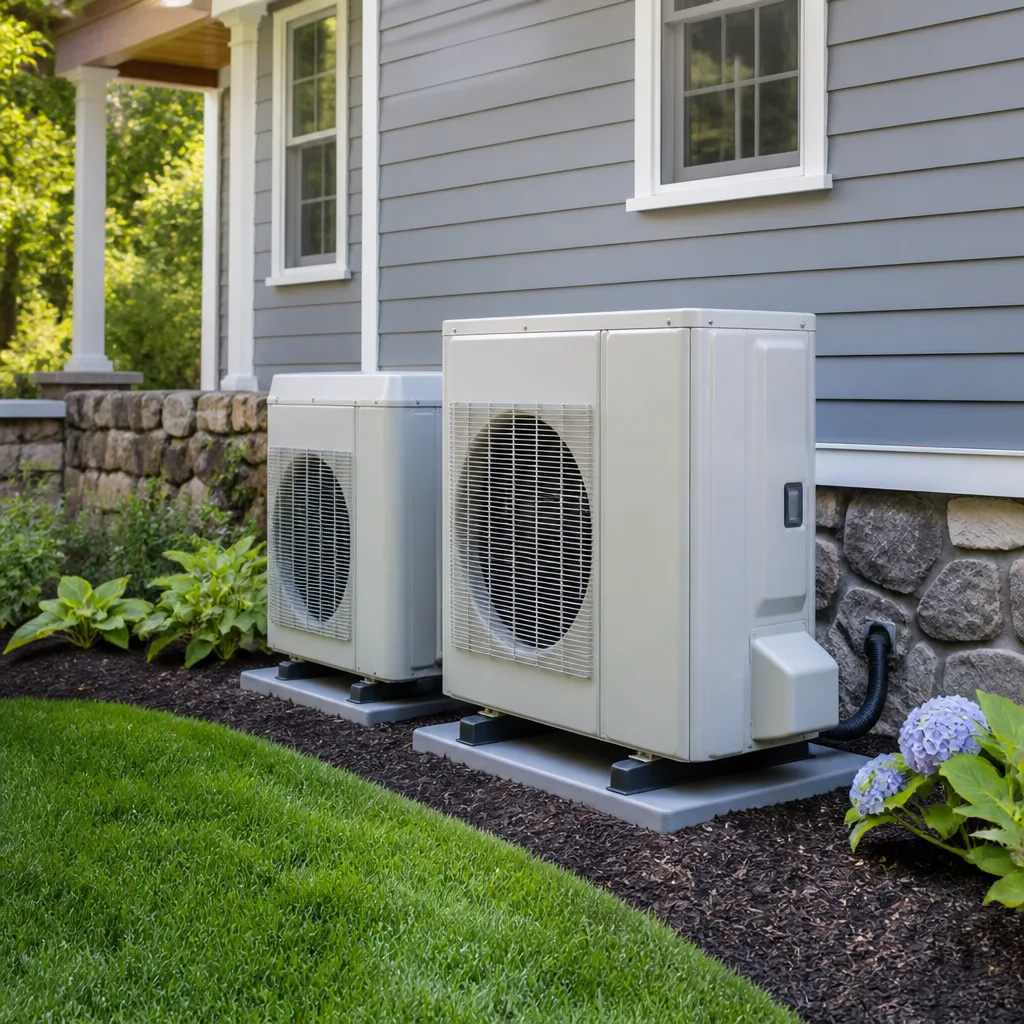
 Heat pumps
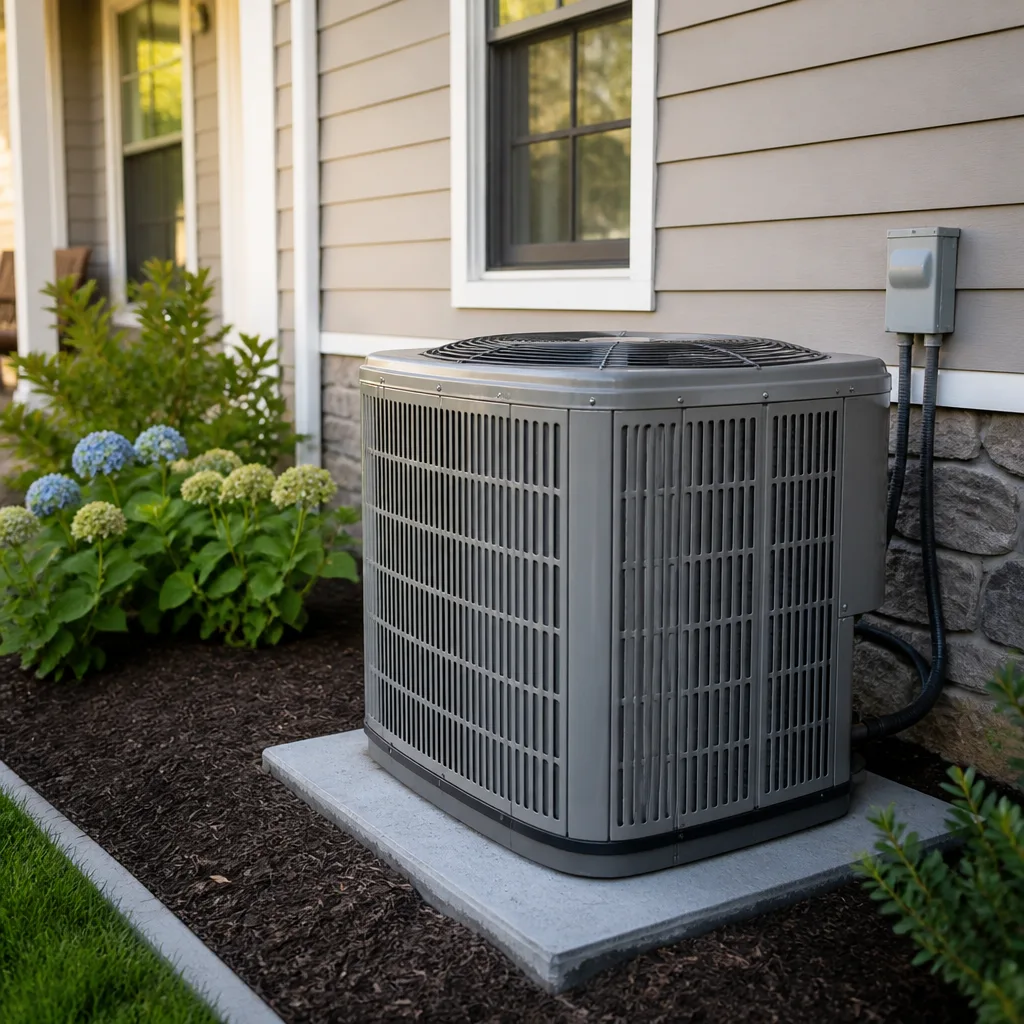 AC repair
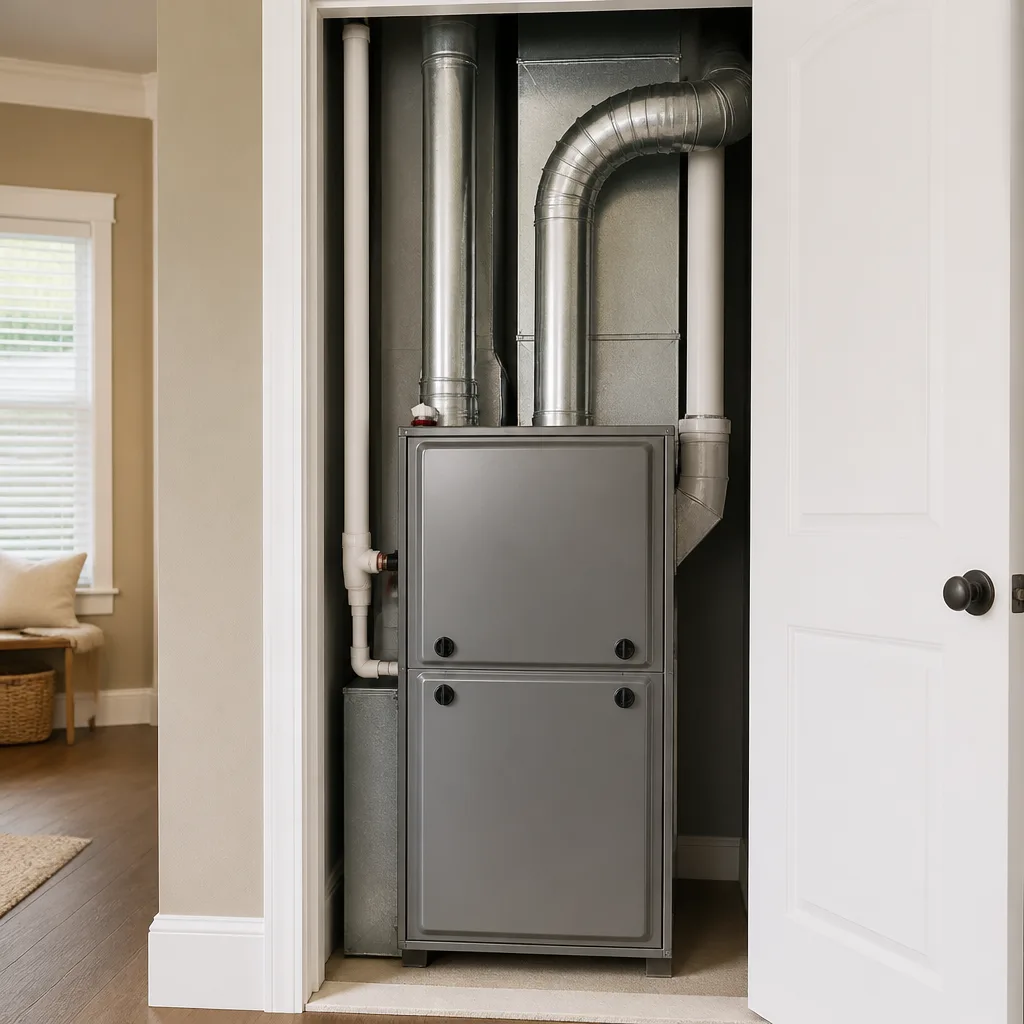 Furnace & heating
 Ductless mini splits
 Carrier
 Trane
 Goodman
Seasonal tune-up and full diagnostic on your Carrier, Trane, or Goodman system - readings shown to you before any repair is proposed
Diagnosis first, numbers second - you approve the repair price before a single part goes in.
Get your free estimateTrane Heat Pump Service: The Paradise Owner’s Guide
Trane heat pump service in Paradise typically runs $150 – $650 for a repair, and most failed parts can be diagnosed and swapped the same day we look at it. If your Trane is tripping the breaker, blowing lukewarm air, or short-cycling in a Paradise summer, the part itself is usually the cheapest part of the story. The expensive part is guessing.
Here is how owners usually find us. The system runs fine, then one day it doesn’t. The outdoor unit hums but the fan never spins. Or it heats fine and cools weak. Or the breaker pops every time the compressor tries to start. Sometimes there’s a click, a pause, a click, and nothing. By the time you’re reading this, you’ve probably already stood in the yard listening to it. We hear that story a lot in Paradise, and it’s almost always one of five parts. This guide covers all of them: what fails, what a Trane-compatible replacement costs here, and where the line is between a homeowner check and a call.
One note up front: Ray’s Heating & Air Paradise is an independent service provider. We’re not affiliated with Trane. We work on Trane equipment because it’s good equipment and Paradise has plenty of it. We also service Carrier and Lennox systems when that’s what’s in the yard.
Key Takeaways
- Most Trane heat pump failures trace to a capacitor, contactor, defrost board, reversing valve, or low refrigerant charge.
- Installed repair costs in Paradise: $150 – $650, with the wide end driven by parts cost and how deep the diagnosis has to go.
- Capacitors and contactors are the two most common failures and the fastest to confirm with a meter.
- Refrigerant-side and high-voltage work is not a homeowner job. We’ll explain why below.
Which Trane Models This Applies To
If you have a Trane heat pump in Paradise, chances are strong it’s one of a handful of lines: XR13, XR14, XR15, XR16, XR17, XR18, XR19, XR20, or one of the older XL series units. The XR line has been Trane’s workhorse residential heat pump line for a long stretch, and it’s what we see most often on Paradise rooftops and side yards. The parts across XR13 through XR16 share a lot of common ground. Once you cross into the variable-speed and inverter-driven XR17 and up, the control board and blower motor parts get notably different, and matching gets pickier.
The first job is always identification. Every Trane outdoor unit has a data plate on the side or back cabinet with the model number, serial number, and the electrical ratings. That plate is what we pull a part against. Trane’s model number structure tells us the tonnage, the series, the voltage, and in many cases the factory refrigerant, which matters because R-22 and R-410A systems use different parts in some spots. If the plate is faded or painted over, the serial number alone usually gets us there.
Here’s the OEM-versus-aftermarket decision, and we’ll be direct about it. Trane-branded OEM parts are the safest match, especially for control boards and the defrost board. For capacitors and contactors, a quality aftermarket part from a known manufacturer (AmRad, Titan, Packard for capacitors; Eaton or Mars for contactors) is a fine, common, and often more affordable choice. What we don’t do is drop a cheap knockoff capacitor in a Trane and call it a match. The electrical ratings have to line up exactly: microfarads, voltage rating, and whether it’s a dual-run capacitor with two capacitance values or a single. We’ll read the part itself, not just the label on the cover.
Styles & brands we work with
- AC repair
- Furnace & heating
- Heat pumps
- Ductless mini splits
- Carrier
- Trane
- Goodman
Signs Your Trane Heat Pump Service Is Failing
Five symptoms cover the large majority of what we find on Trane heat pumps in Paradise. Each one points to a different part, and each one is confirmable with a meter before we quote a single dollar.
- Outdoor fan won’t spin but the compressor hums. That’s a classic dual-run capacitor failure on the fan side. The compressor motor and the fan motor are often sharing one capacitor, and when the fan section fails, the compressor keeps running alone and can overheat.
- Clicking at the outdoor unit, system won’t start. Usually a contactor that has pitted or welded shut. Pitted contacts cause the click-pause-click pattern; a welded contactor can keep the compressor running when it shouldn’t, which is worse for the compressor than a failure to start.
- Heat pump runs but neither heats nor cools well. Could be a reversing valve that’s stuck, but before anyone touches that, we check refrigerant charge and confirm the reversing valve coil is getting the signal it needs. Reversing valves are expensive and often blamed for something else.
- System fogs up or ices over in heating mode. Typically a defrost board or defrost sensor issue. The unit can’t switch into defrost when it should, ice builds on the coil, and heating performance drops off a cliff.
- Weak cooling or heating with a normal-looking outdoor unit. Often low refrigerant, which is a leak question more than a part question. We pressure-test and leak-check before we add a pound, because topping off a leaking system is just a countdown to the next failure.
The Paradise weather matters here. Our summers push the compressor and fan motor hard, and the capacitors take the punishment. In a place where the outdoor unit runs most of the year, a capacitor that would last eight or ten years in a mild climate often goes sooner here. That’s not a Trane problem, it’s a heat-and-hours problem. We see it on every brand that lives in Paradise.
See the difference
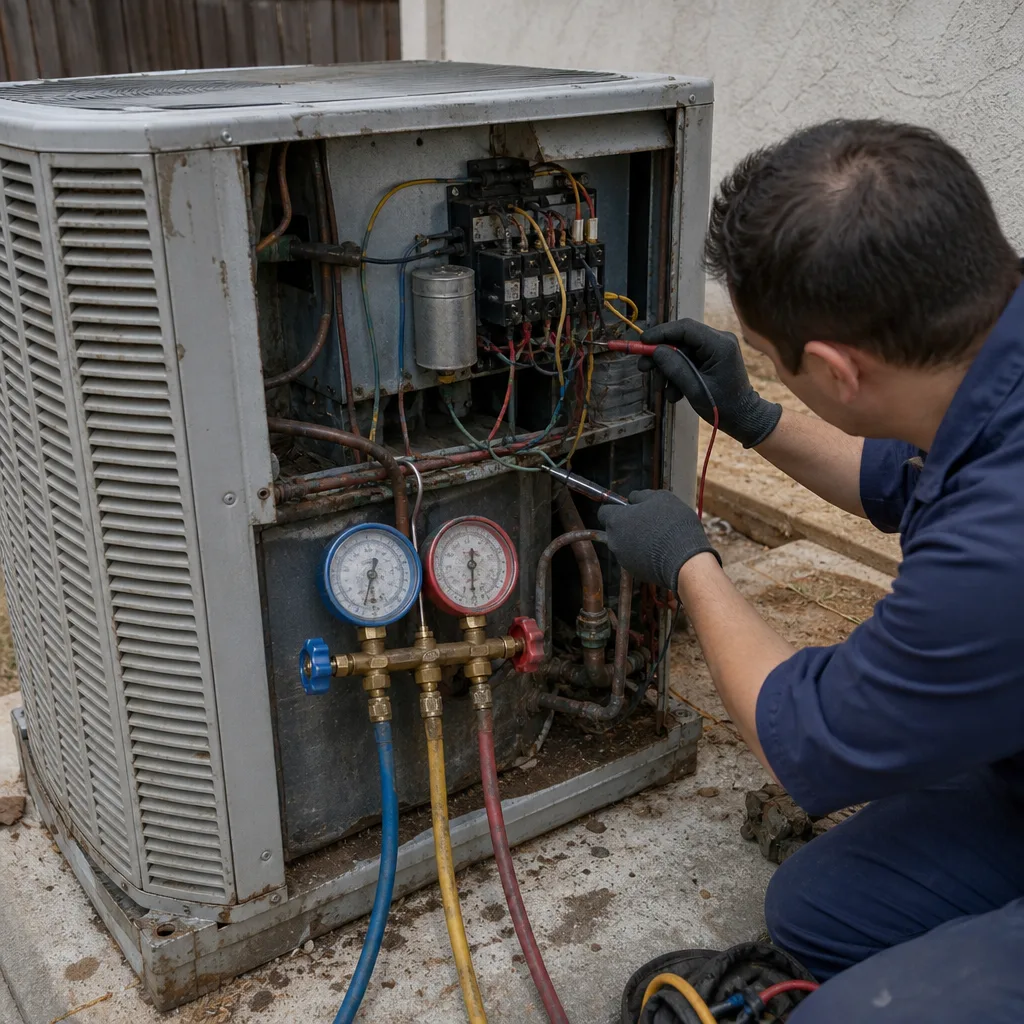 Before
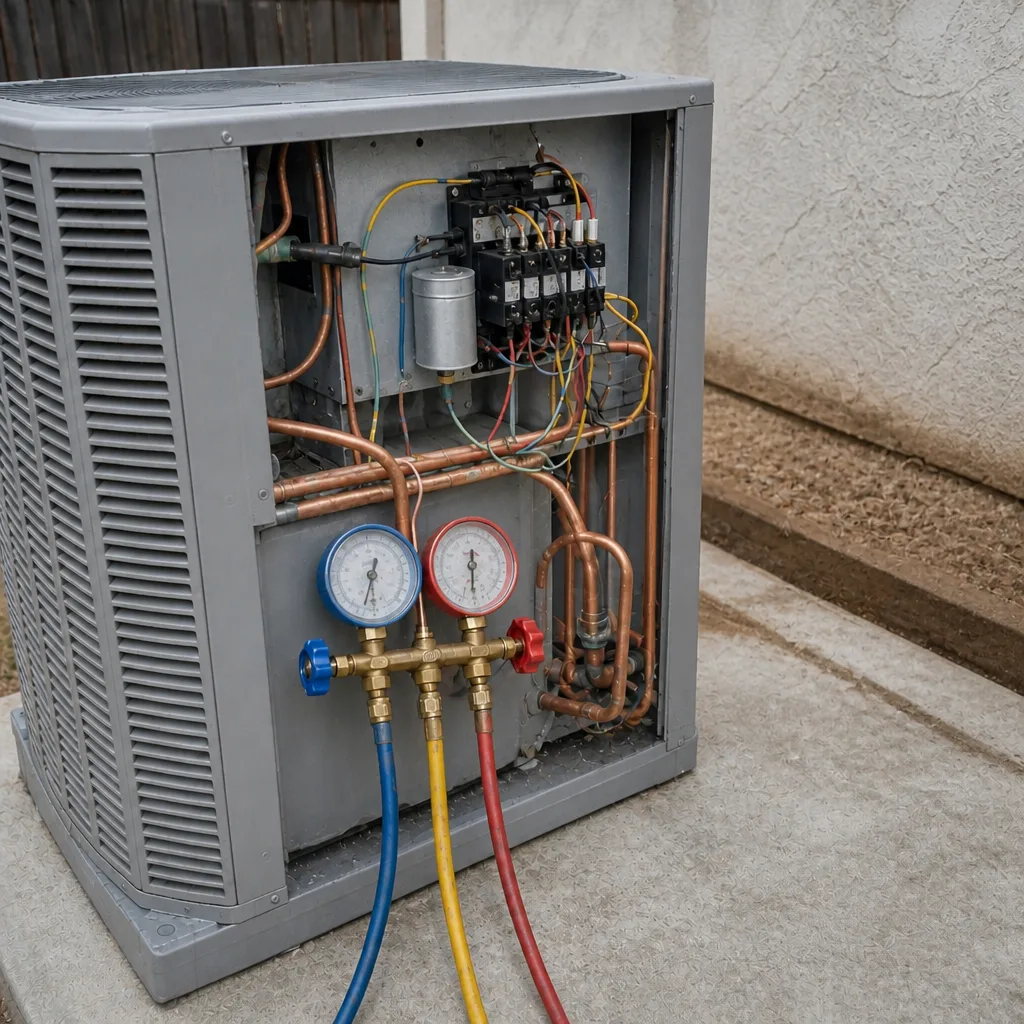 After
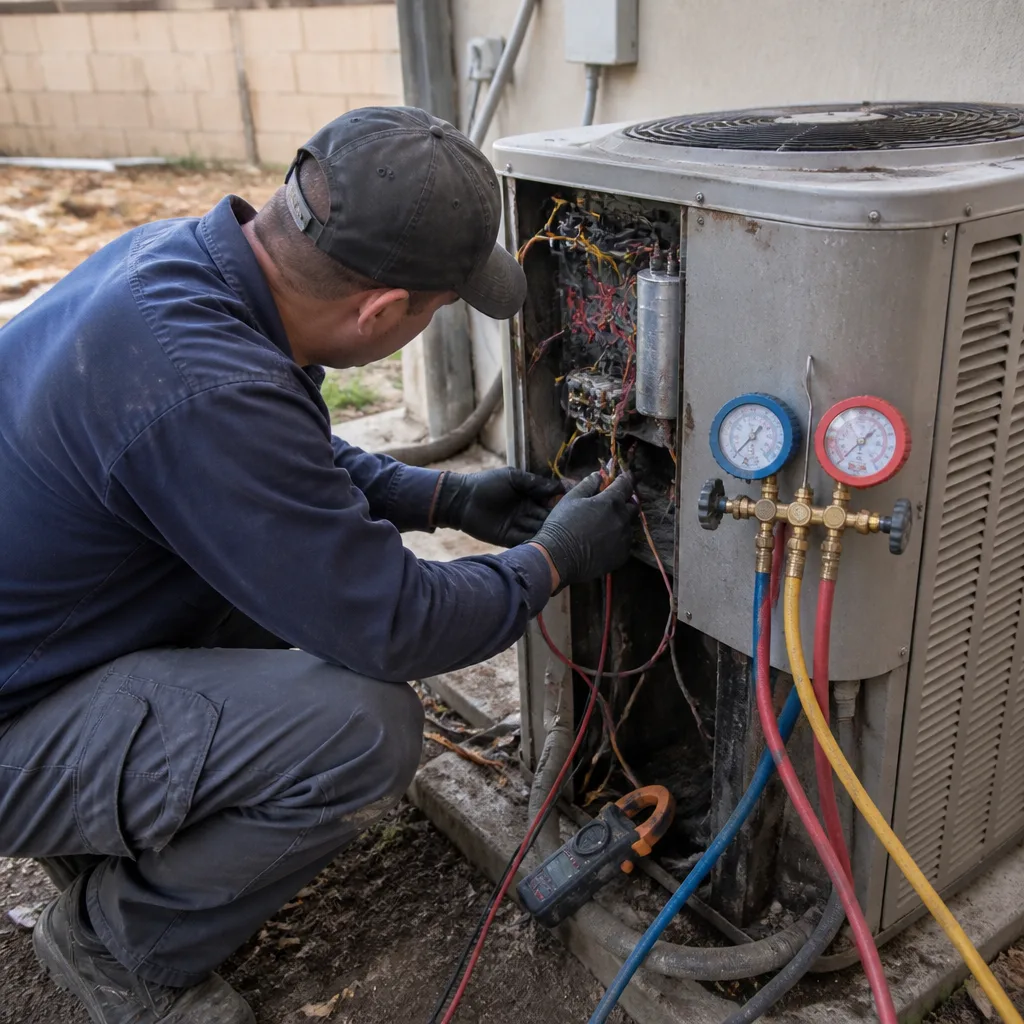 Before
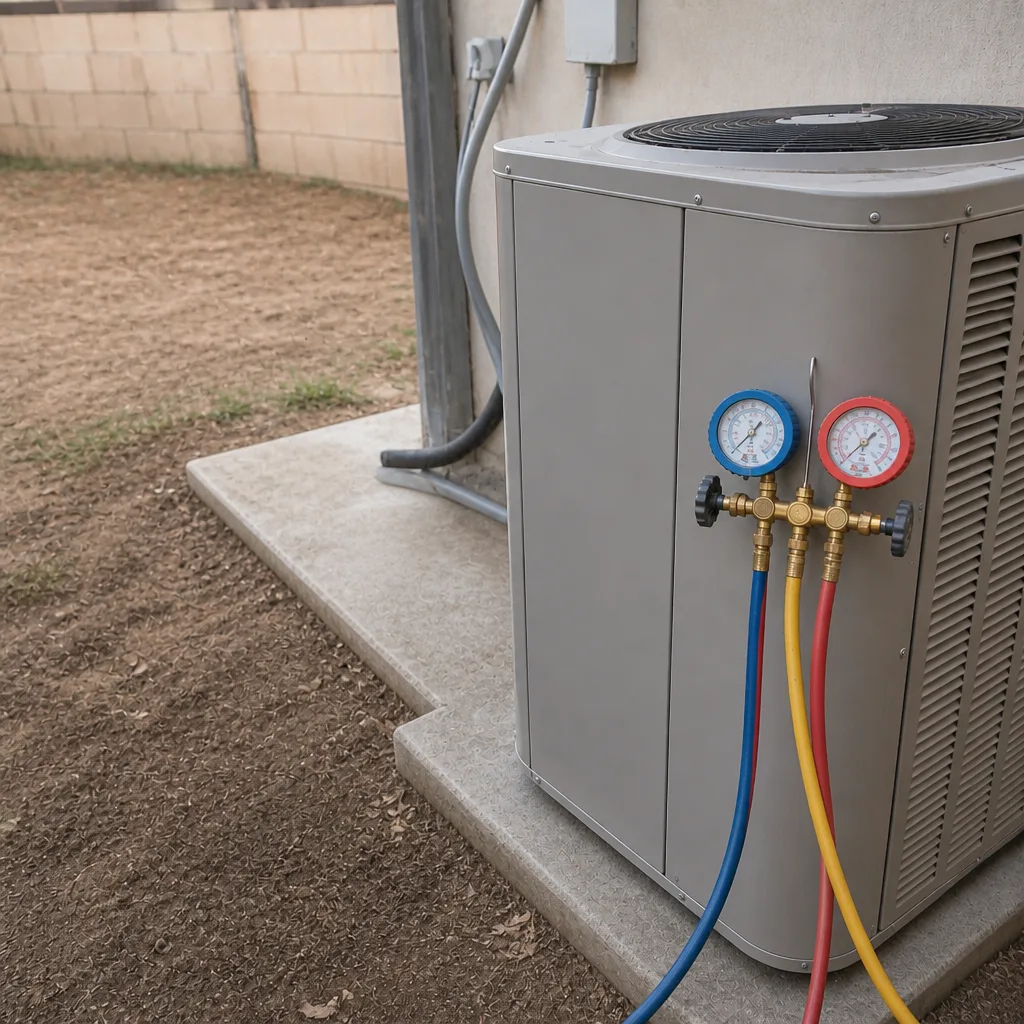 After
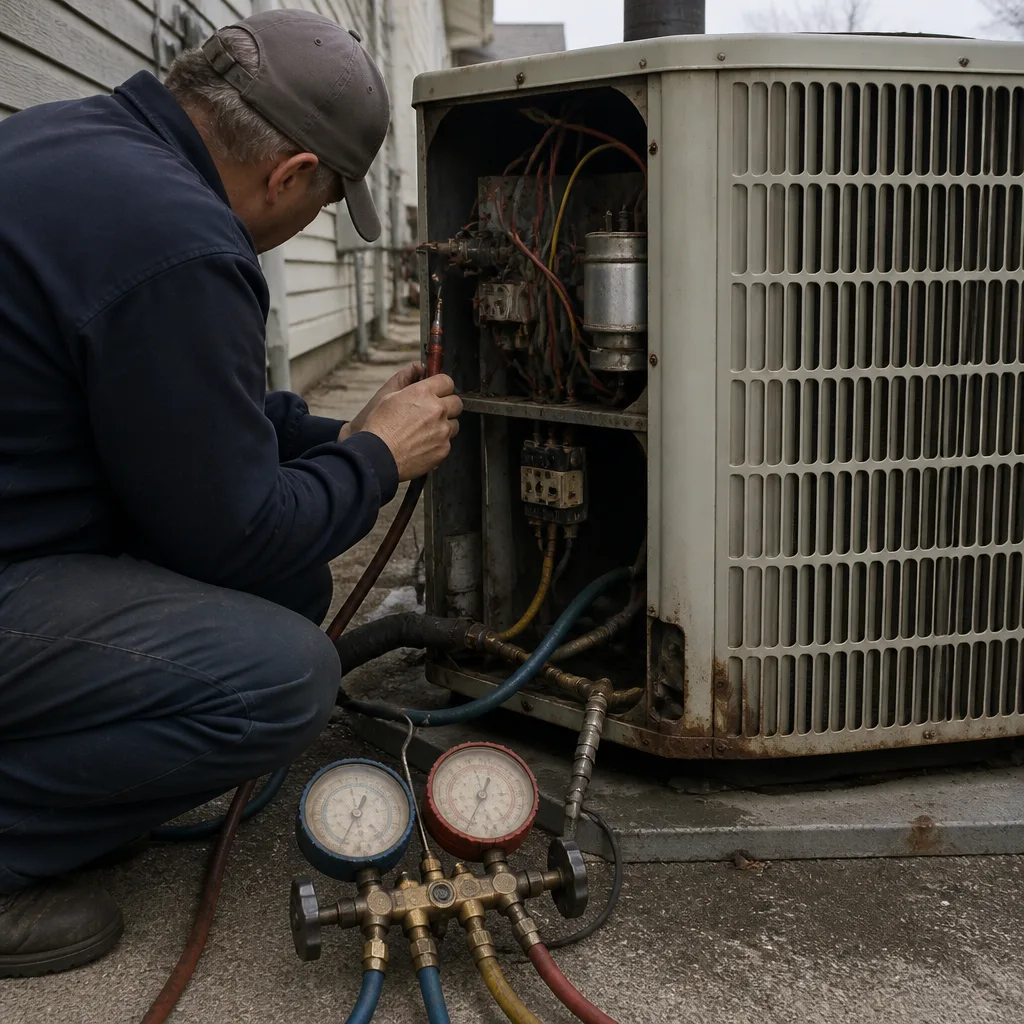 Before
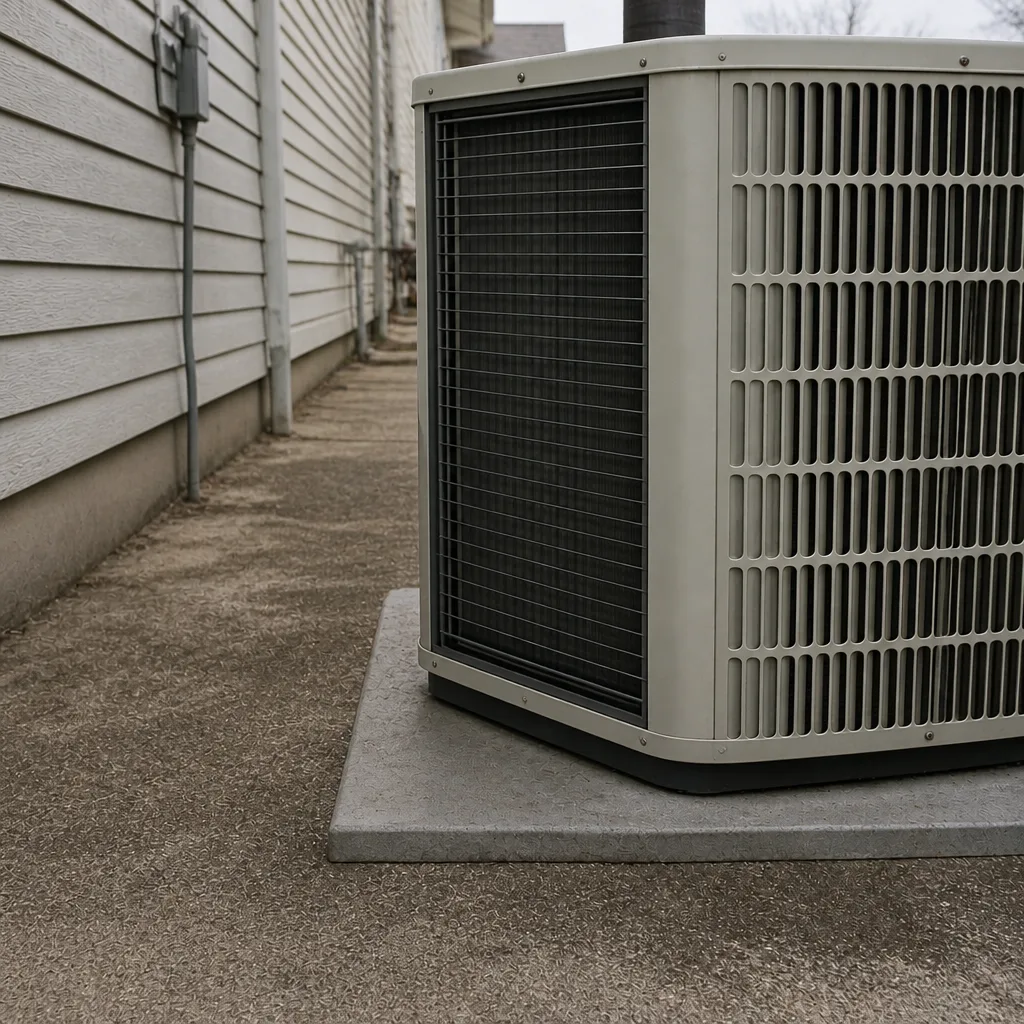 After
Replacement Cost & What’s Included
Installed repair on a Trane heat pump in Paradise runs $150 – $650 for most jobs. That’s the part, the labor, the diagnostic time, and the testing after the swap. You see the readings before we quote, and you see the number before we touch the part.
What puts a repair at $150 versus $650:
- A run capacitor or contactor replacement is at the low end. Fast diagnosis, low parts cost, quick swap.
- A defrost board or control board replacement moves toward the middle to upper end. The board itself costs more, and the diagnosis is more involved.
- A reversing valve sits at the top of the range and sometimes above it, depending on the system and the line-set access. Reversing valve work involves refrigerant recovery, brazing, and recharge, so it’s a bigger job by nature.
- Refrigerant leak repair and recharge pricing depends on where the leak is and how much refrigerant the system holds. We quote that on-site after the leak check.
Every repair carries our 90-Day Done Right Promise. If it isn’t right, one call brings Ray back. The number you’ll see is what you’ll pay; there’s no drama at the door.
DIY or Call Us?
Here’s the honest split. What you can safely check yourself: confirm the outdoor unit has power, check the breaker at the panel, look at the data plate to write down the model and serial, and look for ice on the outdoor coil. That’s it. Anything that involves opening the electrical panel on the outdoor unit or touching the capacitor terminals is where we stop the DIY advice, and not because we want the job.
A capacitor holds a charge after the power is off. It can bite hard enough to injure you, and the terminals are close to live line voltage if anything is miswired or mislabeled. Refrigerant work is worse: it’s a pressurized system, it requires a recovery machine and gauges, and venting refrigerant is illegal. A reversing valve is a brazing job with a torch and refrigerant lines. Those are not homeowner tasks, full stop. The person at your door should be someone who does this safely and can prove the diagnosis with a meter reading before you spend a dollar.
If you’re in Paradise and the system is down, call us at (855) 664-5714. We’ll tell you what we found, what it costs, and whether it’s worth fixing at all.
FAQs
A run capacitor typically lasts somewhere between five and twelve years, and in Paradise’s heat we often see failures on the shorter end because the outdoor unit runs so much of the year. A contactor is similar. Neither has a fixed lifespan; it depends on how hard the system works and how clean the electrical supply is.
For a capacitor or contactor, no. Once the capacitor has swelled, leaked, or lost capacitance, it’s replaced, not repaired. A contactor with pitted contacts gets swapped. The exception is a reversing valve or defrost board, where a stuck valve coil or a loose connector can sometimes be the real fault and the part itself is fine. We test before we replace.
Most capacitor and contactor replacements are done in under an hour once we’re on-site, diagnostic included. Board replacements and reversing valve jobs take longer; we’ll tell you upfront what we’re looking at. Call (855) 664-5714 and we’ll schedule you.
We identify the part from the model and serial data plate on the outdoor unit, confirm the electrical or refrigerant spec, and source the OEM or a quality aftermarket equivalent based on what you’re comfortable with. We tell you which kind of part you’re getting and why.
If your Trane heat pump is acting up in Paradise, call (855) 664-5714 for a free estimate. Live person answers, every time, day or night. Readings first, numbers second, and you’ll see both.
Written by the team at Ray’s Heating & Air Paradise, serving Paradise and nearby areas.