
Last updated November 18, 2026
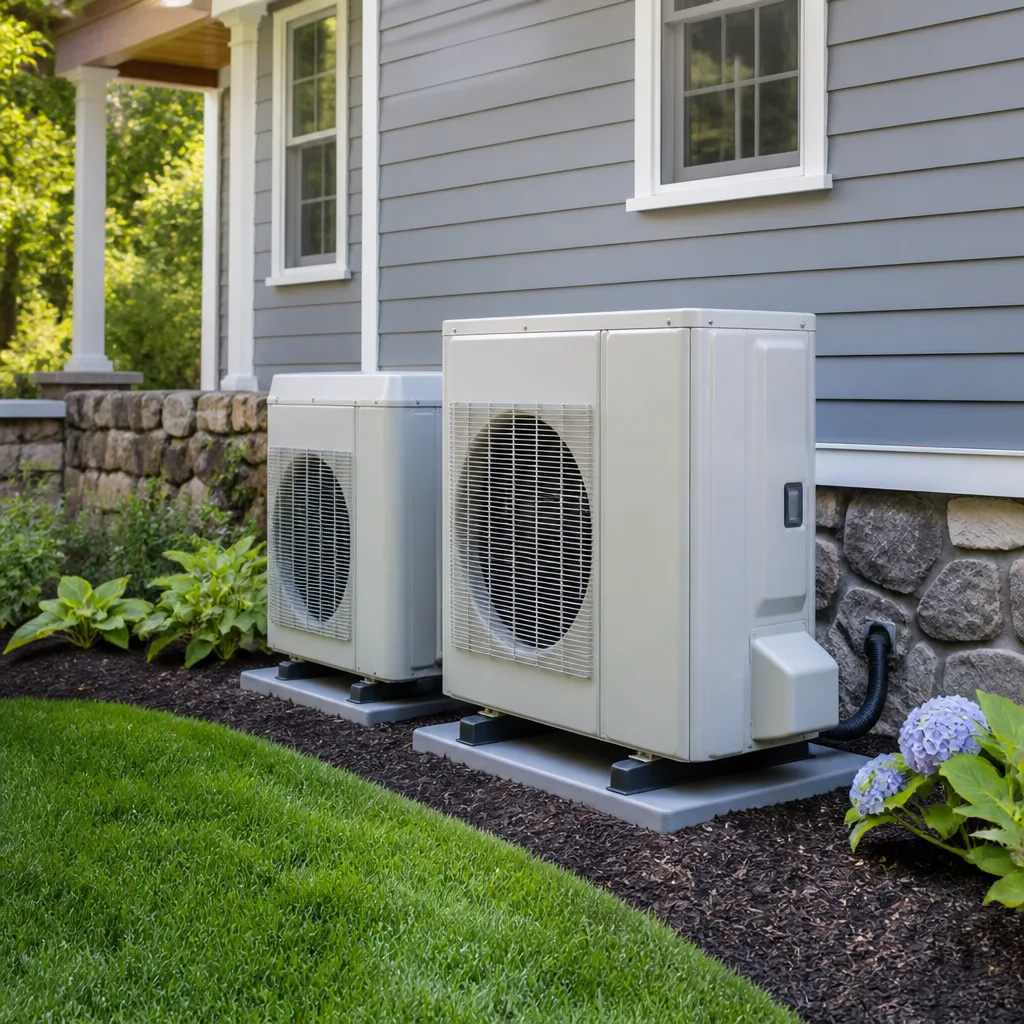 Heat pumps
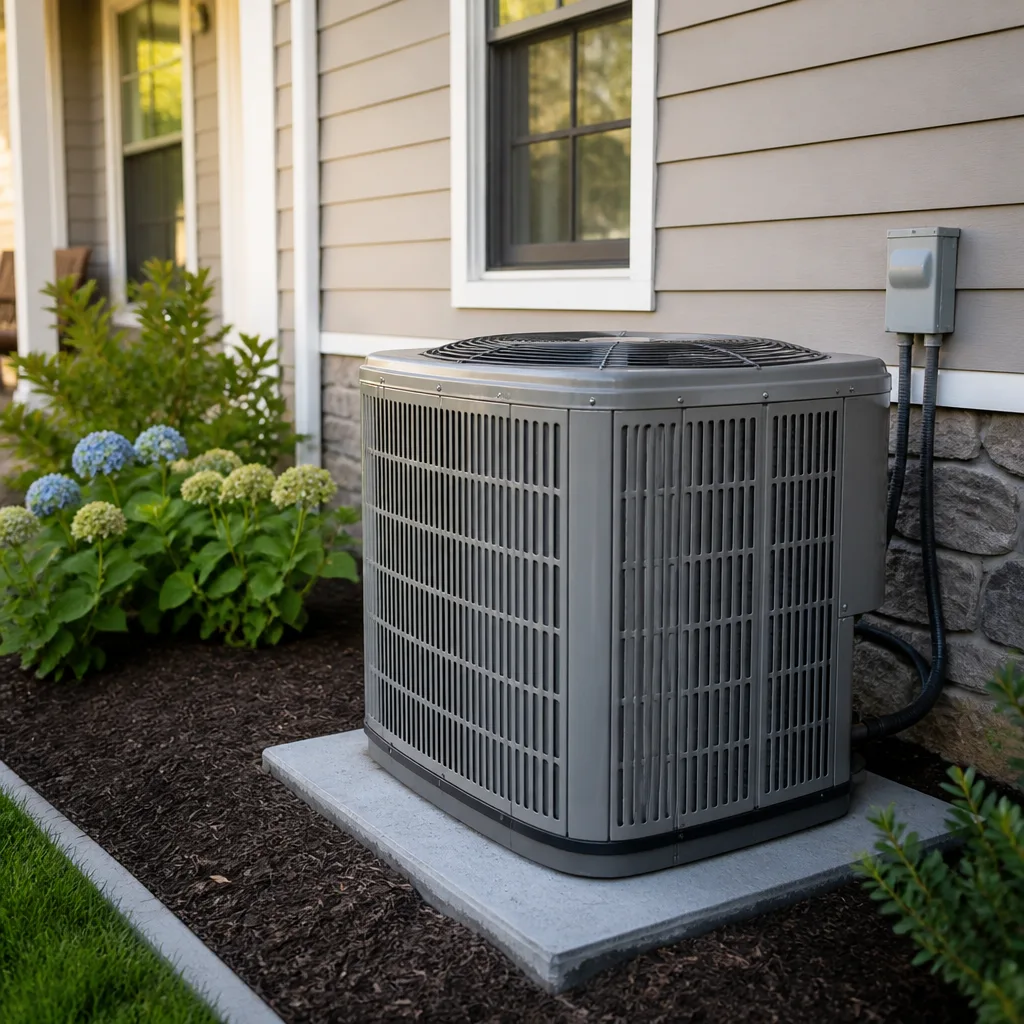 AC repair
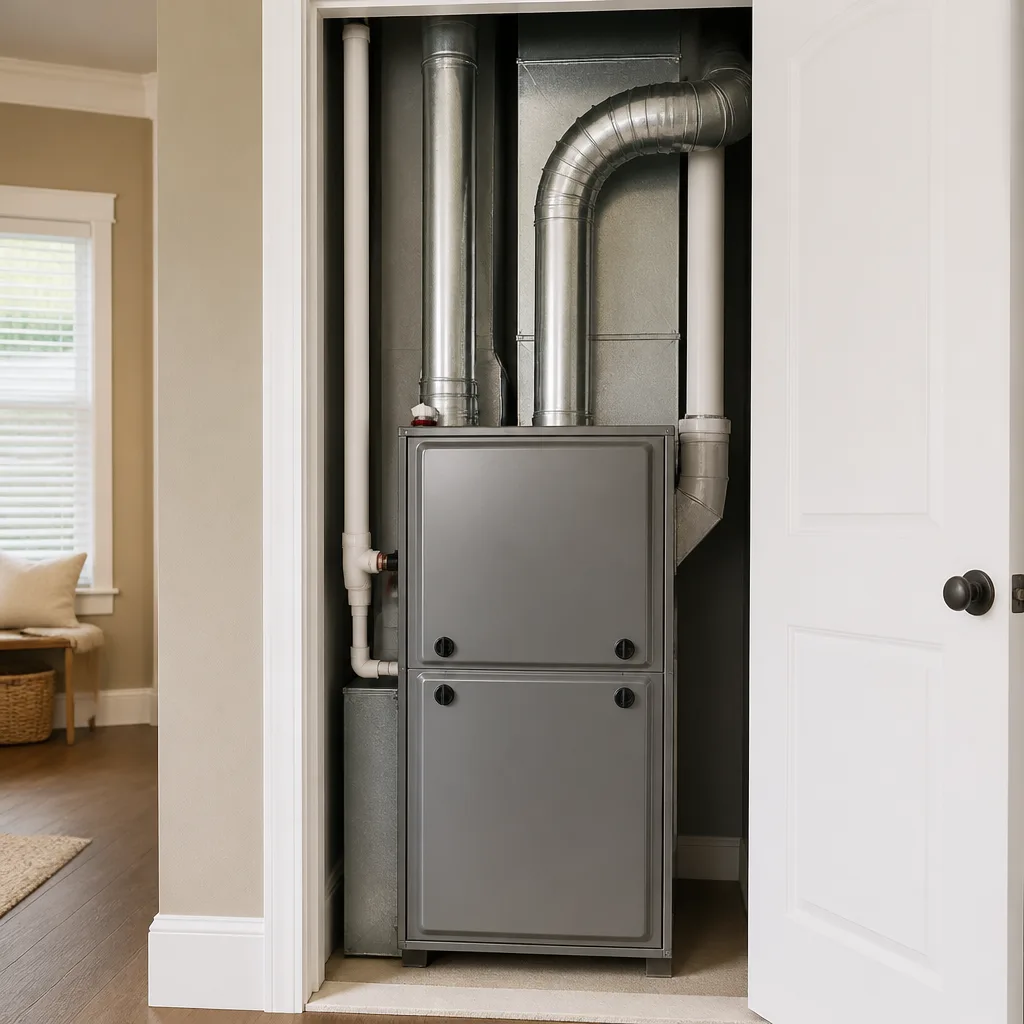 Furnace & heating
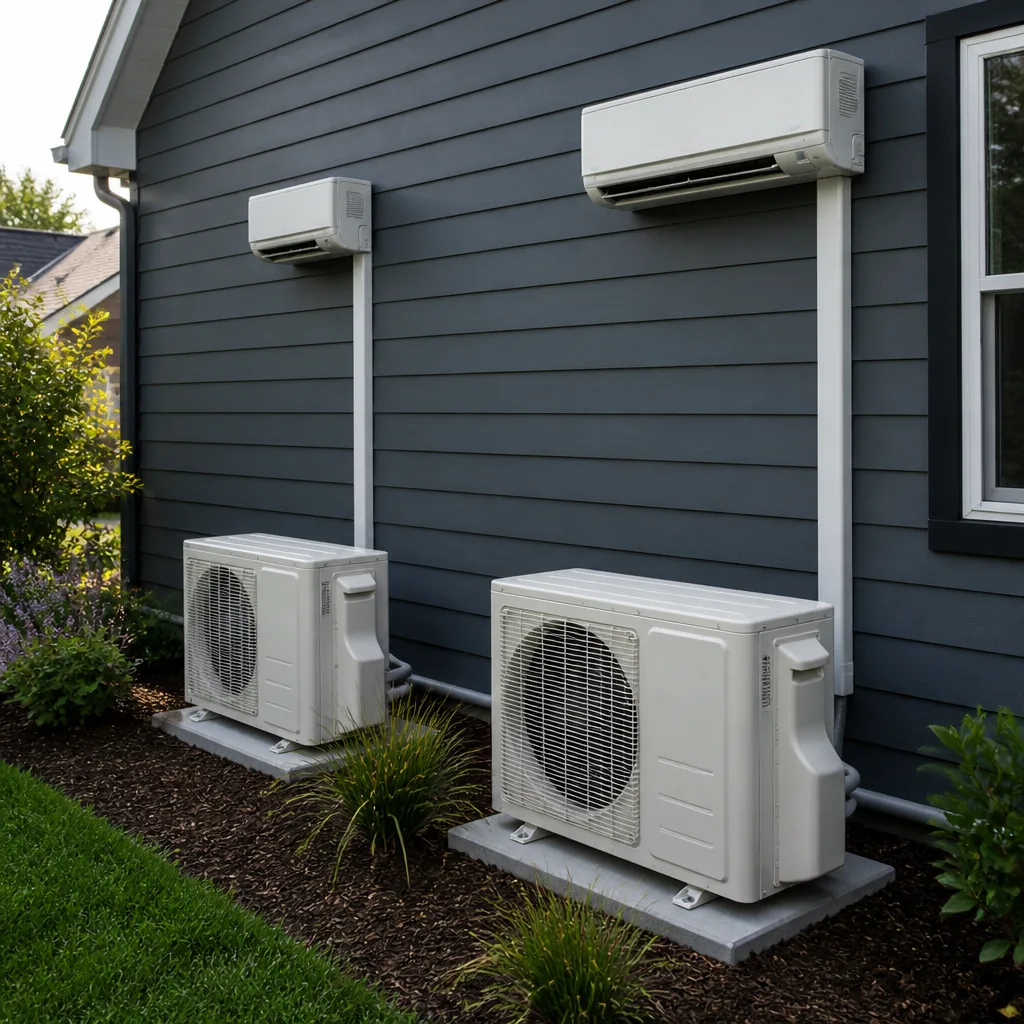 Ductless mini splits
 Carrier
 Trane
 Goodman
Seasonal tune-up and full diagnostic on your Carrier, Trane, or Goodman system - readings shown to you before any repair is proposed
Diagnosis first, numbers second - you approve the repair price before a single part goes in.
Get your free estimateHow Long Does Heat Pump & Mini Split Take? Timelines and What to Expect
We can hang and wire a single-zone mini split in about four hours. What actually takes five days is everything else, the parts nobody tells you about when you buy one: the load calculation, the equipment order, the Clark County permit, the inspection, and the week the system spends settling into itself. That surrounding timeline is the whole ballgame. Miss a step and a four-hour install turns into a three-week headache you didn’t sign up for. This guide walks through the full picture, from the day you say yes to the day the system is truly dialed in, with hour ranges and code realities for Paradise and the surrounding valley towns.
Quick Answer
A single-zone mini split install runs about 4 to 6 hours of actual labor and a heat pump replacement is closer to 6 to 10 hours, but the full process from signed estimate to final inspection is typically 5 to 10 business days. In Paradise, the two biggest time drivers are Clark County permit turnaround and equipment availability, which is why we tell homeowners to plan on a week, not a weekend.
Styles & brands we work with
- AC repair
- Furnace & heating
- Heat pumps
- Ductless mini splits
- Carrier
- Trane
- Goodman
Table of Contents
- The Pre-Install Timeline Nobody Briefs You On
- Single-Zone vs. Multi-Zone: Real Install Hours
- What Actually Happens on Install Day
- The Clark County Inspection and Permit Close-Out
- The 48 to 72 Hour Bedding-In Period
- Same-Day Emergency Installs vs. Planned Installs
- Heat Pump Replacement: The Longer Timeline
- Common Mistakes to Avoid
The Pre-Install Timeline Nobody Briefs You On
Here’s the part that surprises people. The four hours in your driveway are almost the easy part. The two to four days before that four hours are where installs get saved or sunk, and homeowners rarely hear about them until something slips.
Step 1: Load calculation. Before anyone orders equipment, we run a Manual J load calculation on your house. Square footage, insulation, window orientation, and how brutal the July sun gets on a west-facing wall in Paradise all factor in. A system sized too big will short-cycle and never pull humidity out right; sized too small, it runs itself to death. This takes a half day and it is not optional.
Step 2: Equipment order. Once the load calc lands, we order the specific unit. Carrier, Bryant, American Standard, and Trane all have different lead times depending on model and whether it’s in regional stock. In busy spring and early summer, a popular multi-zone outdoor unit can take 3 to 7 business days to arrive. That single step is the most common reason a “next-day install” becomes a “next-week install.”
Step 3: Permit pull. Clark County requires a mechanical permit for a new mini split or heat pump installation. We pull it before we show up. Filling out the application takes minutes; waiting on the county to issue it is where the clock runs. Two to five business days is typical, longer in peak season.
Step 4: Site prep. Line set routing, the pad or wall bracket for the outdoor unit, and cutting the penetration through the wall for the refrigerant lines. We do the walk-through the day before so there are no surprises about where the indoor head goes or which side of the house the condenser lands on.
What collapses this timeline: a load calc done weeks ago on a slow week, equipment already in stock, and a permit pulled the day the estimate was signed. What keeps it on track: doing these four things in parallel instead of in sequence. What blows it up: ordering equipment before the load calc, or starting install before the permit is in hand.
Single-Zone vs. Multi-Zone: Real Install Hours
The hour ranges you see online are usually best-case. Here’s what we actually see on jobs around Paradise, North Las Vegas, and the rural edges of the county.
Single-zone mini split (one indoor head, one outdoor unit)
- Wall-mounted indoor head, line set under 15 feet, easy wall access: 4 to 5 hours.
- Longer line set, brick or stucco wall, tight attic or crawl access: 6 to 8 hours.
- Ceiling cassette or floor-mount indoor unit: add 1 to 2 hours for the extra framing and drain work.
Multi-zone mini split (two to four indoor heads)
- Two-zone with both heads on the same exterior wall: 6 to 8 hours.
- Three-zone branching across the house: 8 to 12 hours, often split across two days.
- Four-zone with a long branch run to a far bedroom: 10 to 16 hours, almost always two days.
Multi-zone systems take longer than the math suggests because each branch line has to be run, insulated, vacuumed, and pressure-tested individually. The outdoor unit is doing more work, so the commissioning at the end is more involved. If the second day isn’t planned upfront, the crew leaves with half the system running and you’re staring at a bedroom that doesn’t cool.
For a deeper look at which system fits your house, the Heat Pump & Mini Split in Paradise page covers sizing and ductless versus ducted tradeoffs.
What Actually Happens on Install Day
On the morning of, here’s the sequence we follow, whether it’s one head or four.
- Set the pad or bracket and place the outdoor unit. 30 to 45 minutes. Concrete pad for ground mount, wall bracket for tight side yards.
- Mount the indoor head. 45 minutes to an hour. Level, plumb, and anchor before any line set goes through the wall.
- Run the line set and drain. 1 to 2 hours. This is where the wall material and routing length show up. Interior wall to exterior in a straight shot is fast; routing around a closet or through a stucco wall adds real time.
- Wire the electrical. 45 minutes to an hour for a mini split on a dedicated circuit. A heat pump replacement needs its own disconnect and often a panel check, so add an hour.
- Vacuum and pressure-test the line set. 30 to 60 minutes. We pull a deep vacuum on the lines and hold it. This is not a step to rush. Moisture left in the line set is one of the fastest ways to kill a compressor.
- Charge and commission. 30 to 45 minutes. Refrigerant weighed in, system started, and the readings checked against the manufacturer’s spec.
- Walk-through with you. 15 to 20 minutes. We show you the remote, the filter location, and what to expect over the next few days.
Reading between those steps: the difference between a 4-hour day and an 8-hour day is usually line set routing and wall material, not the equipment itself. Stucco walls in Paradise and the surrounding communities take longer to penetrate cleanly than vinyl siding. That is a 30-minute detail nobody puts on the sales sheet.
The Clark County Inspection and Permit Close-Out
The install is done. The system works. The permit isn’t closed yet, and that matters.
Clark County requires a final mechanical inspection on most new heat pump and mini split installations. We schedule it the moment the install passes our own commissioning check. Typical window: 1 to 5 business days from the request, longer in the spring and early summer when the county’s inspection load spikes.
What the inspector checks:
- Equipment matches the permitted model and capacity.
- Electrical disconnect and breaker sizing match the nameplate.
- Line set protection and drain routing.
- Outdoor unit clearances and mounting.
- Condensate disposal meets code.
Here’s the honest part: it is not illegal to run the system before the inspection clears, but we don’t recommend running it hard. If the inspector finds something that needs correcting – which happens, occasionally, on a routing detail – you want the system in a state where we can adjust it easily. Full-time operation during a pending correction can turn a 20-minute fix into a half-day revisit.
Once the inspection passes, we close the permit and hand you the record. That paperwork matters down the road: it’s what an appraiser or a future buyer checks when the house sells. An unpermitted mini split is a quiet liability, and in a town like Paradise where a lot of homes change hands, it gets caught.
The 48 to 72 Hour Bedding-In Period
New systems do not always behave perfectly on day one. For the first 48 to 72 hours, the system is finding its refrigerant balance, the variable-speed compressor is calibrating, and the thermostat is learning its cycle.
What that actually feels like, and what people misread as a defect:
- It runs longer than you expect. That’s not a problem. A variable-speed system is designed to run long and low instead of short and hard. Longer runtime equals better humidity control and steadier temperature.
- The temperature swings a degree or two for the first day. The thermostat’s learning the room’s thermal behavior. Give it three days before deciding it’s off.
- A slight smell from the indoor head for the first day. That’s manufacturing oils burning off the coil. It goes away.
- Ice or frost at the outdoor unit briefly during defrost. That’s a heat pump doing exactly what a heat pump does in shoulder season.
We have seen customers call in a panic on day two convinced they got a lemon. Nine times out of ten the system is doing its job and we’re reading numbers back to them that prove it. If you want to skip that worry, ask for a check-in call on day three. We do that for every install anyway, but ask.
Same-Day Emergency Installs vs. Planned Installs
Sometimes the existing system dies in July and you can’t wait a week. We do emergency mini split installs, and we do them the same day when the equipment’s available and the panel can take the load. But here’s what changes and what absolutely does not.
What changes: We skip the “scheduled” phase and do a compressed walk-through the same morning. We use whatever equipment is in stock locally, which narrows your brand choices. The load calc still has to be done, but we run it from the existing system’s data and your home’s prior service record.
What does not change, ever:
- The permit. We pull it, before install, even on a same-day emergency. Installing a mini split without a permit in Clark County is a code violation and a future sale problem. That is not a corner we cut for convenience.
- The pressure test and vacuum on the line set. Skipping the vacuum to save 45 minutes is how you destroy a compressor inside a year. Non-negotiable.
- The load calculation. A same-day install on the wrong size equipment is worse than a two-day install on the right size.
- The final inspection. The county schedules it after install either way.
If someone offers you a same-day mini split install with no permit and no vacuum, they’re saving hours by borrowing them from your future. For our area, AC Repair & Installation in Paradise covers what to expect when it’s your existing system that’s failing, not the new one.
Heat Pump Replacement: The Longer Timeline
A heat pump replacement is a cousin of the mini split install but takes meaningfully longer. Where a single-zone mini split is a half-day, a full heat pump replacement – new outdoor condenser, new air handler inside, new line set, new electrical, new thermostat – is typically 6 to 10 hours of labor, and the whole project from signed estimate to inspection close can run 7 to 14 business days.
The extra time comes from:
- Removing and disposing of the old equipment. Half a day on a rooftop or attic unit.
- Re-pulling refrigerant lines when the old ones aren’t reusable. Add 2 to 3 hours.
- Air handler placement inside – attic, closet, or garage – which changes access and drainage.
- Filter and duct checks, sometimes light duct sealing work.
- Electrical upgrades if the panel doesn’t have capacity. That’s a separate licensed electrical job and it can add 2 to 4 days depending on the electrician’s schedule.
We’ve seen heat pump installs around Paradise go sideways for one reason above all others: the electrical panel. Older homes in the valley sometimes have a 100-amp panel with no room for a heat pump’s dedicated circuit. We check for that during the estimate, not on install day. The Heating & Furnace in Paradise page explains how heat pumps and furnaces differ for our heating load, which isn’t much, but it’s real for the December and January overnight lows in the high 20s.
Common Mistakes to Avoid
- Ordering equipment before the load calculation. A contractor who quotes you a model number before they’ve run a Manual J is guessing. In a Paradise summer that guess runs 20% over, short-cycles, and dies early.
- Letting the installer skip the vacuum. A rushed line set pull on a Friday afternoon so nobody has to come back Monday costs you the compressor. Ask to see the gauge reading.
- Not checking the panel first. Older homes in the valley sometimes can’t take the dedicated circuit. Finding that out on install day adds days you didn’t plan for.
- Running the system hard before the inspection clears. If the county flags a routing correction, you want the system in a state you can adjust. Full-time operation during pending corrections makes revisits harder.
- Misreading the bedding-in period. Longer runtimes on day two are the system working correctly, not a defect. Give it 72 hours before judging.
- Accepting a same-day install with no permit. Code compliance in Clark County isn’t optional, and an unpermitted install can complicate a home sale years later.
- Forgetting the inspection close-out paperwork. Get the final inspection record in writing. It’s what protects you if you ever sell the house.
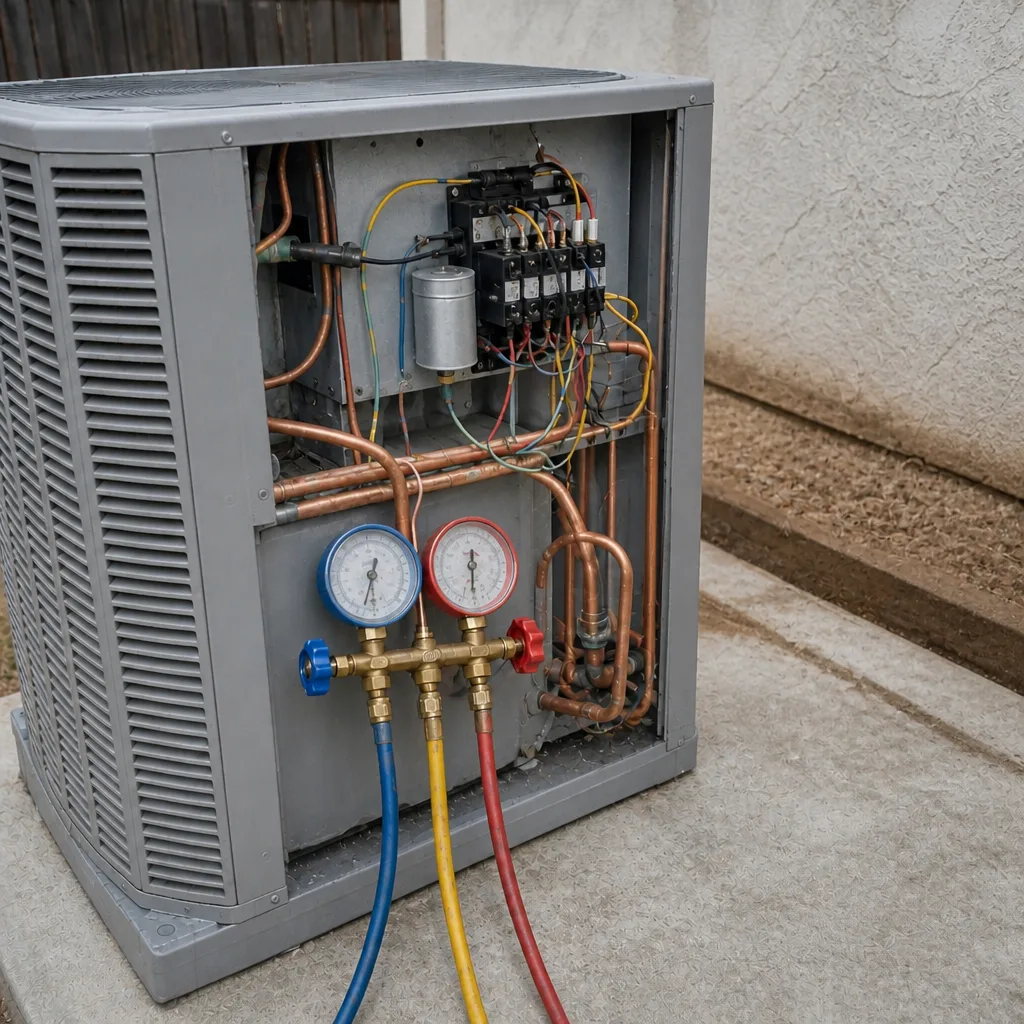
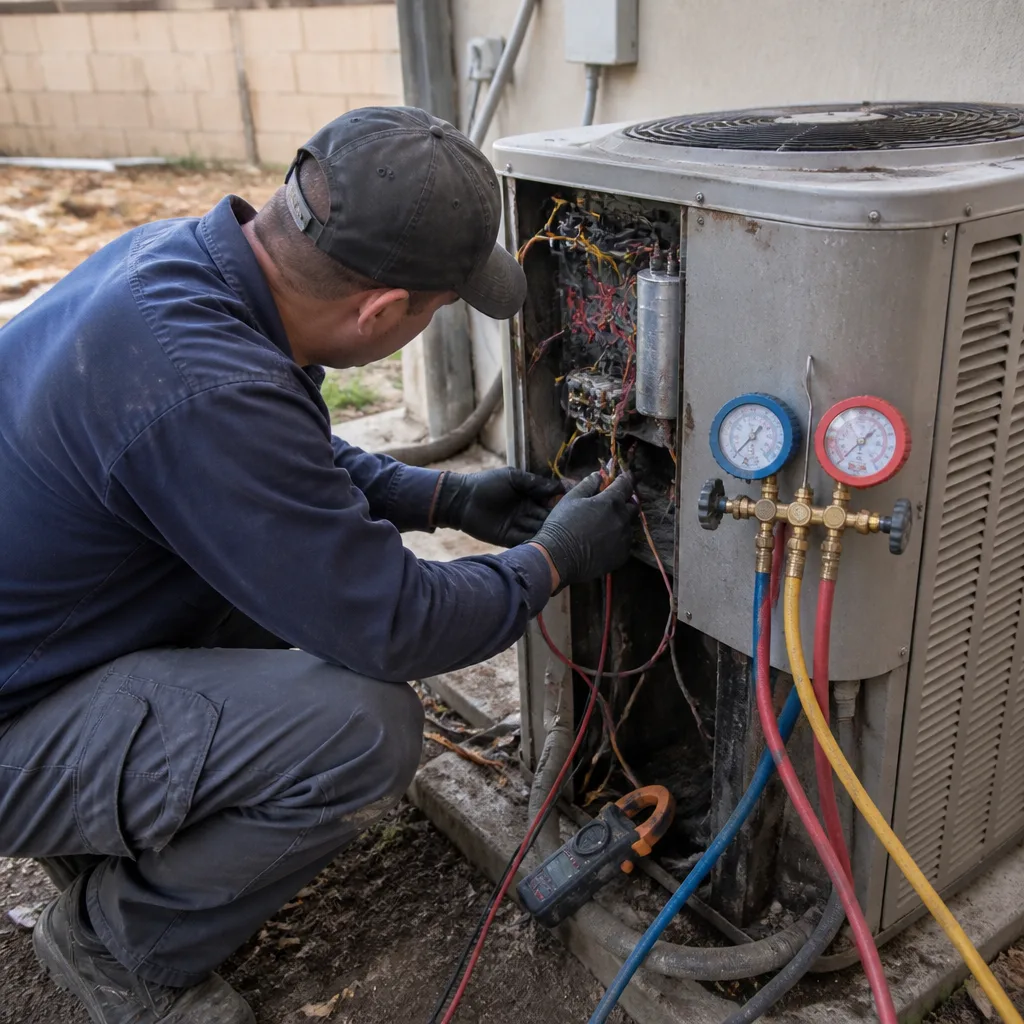
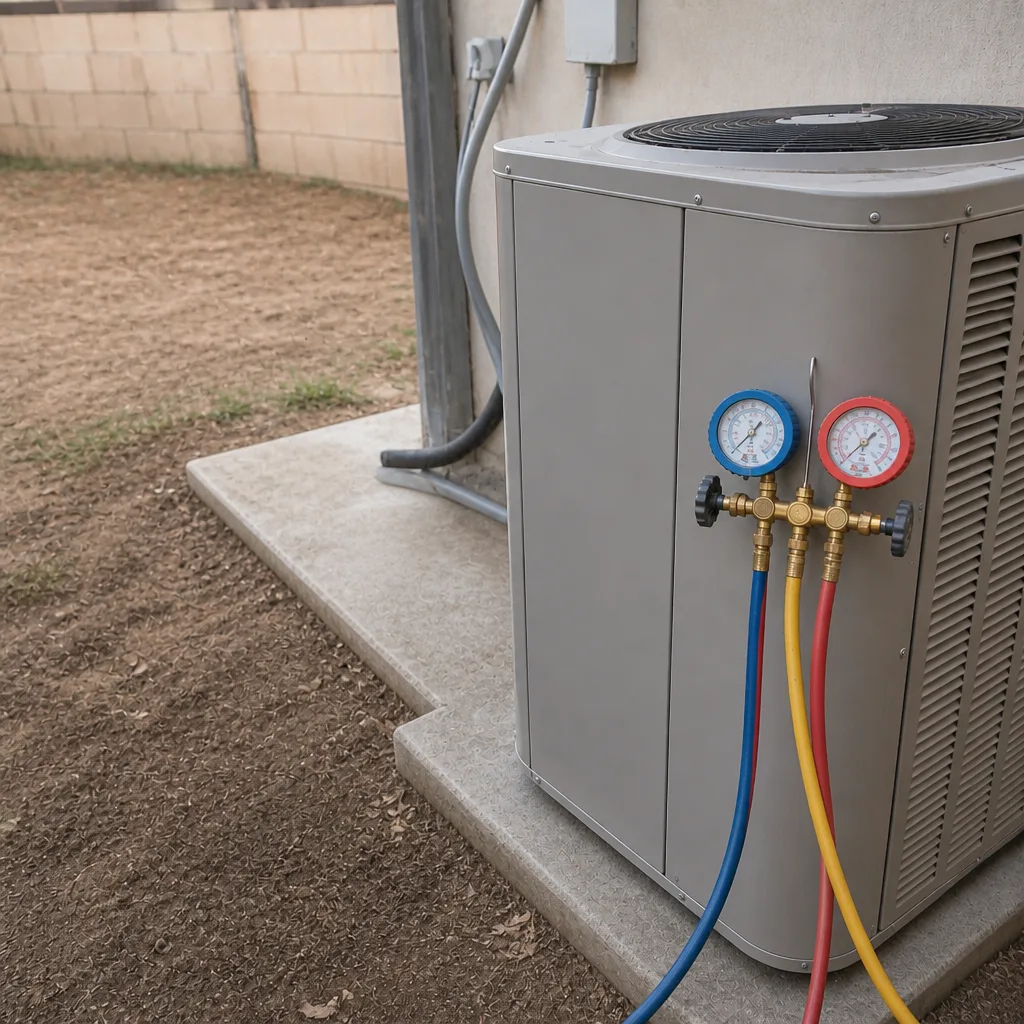
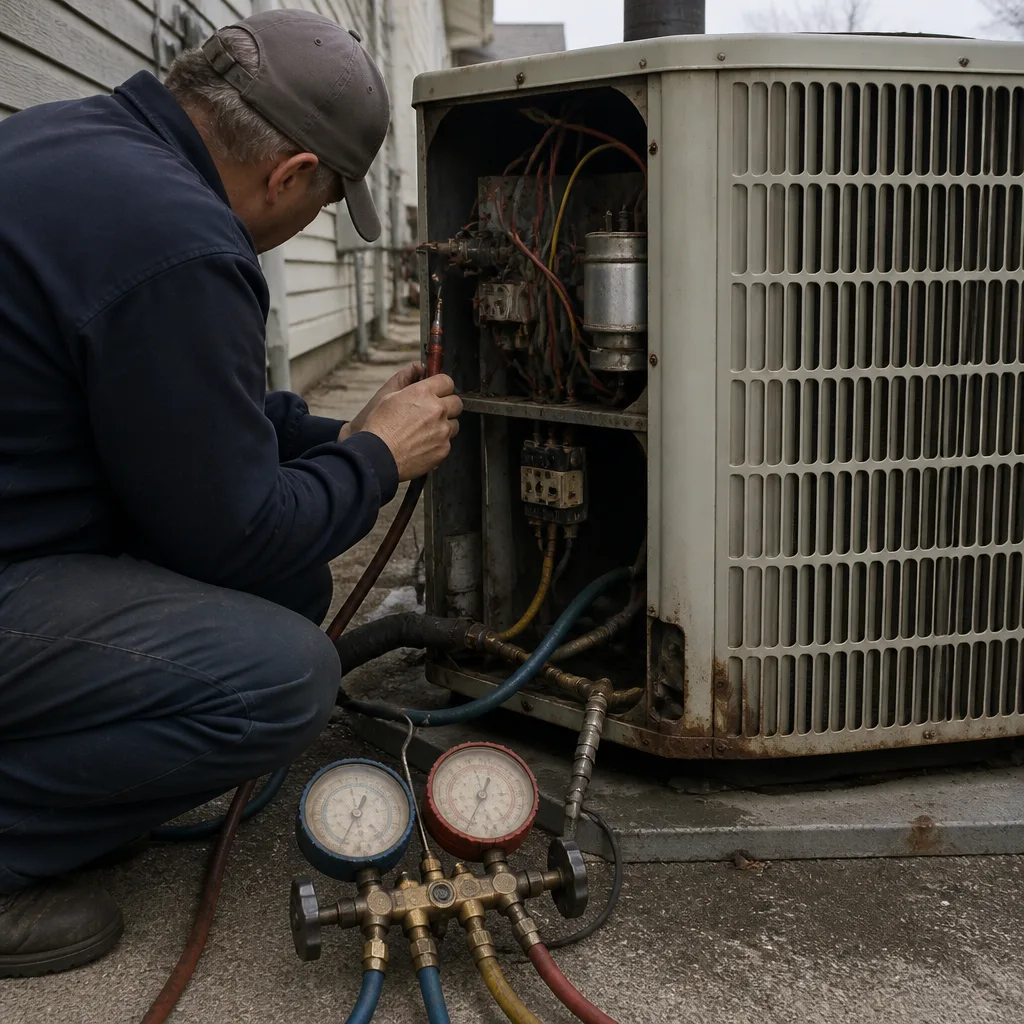
See the difference
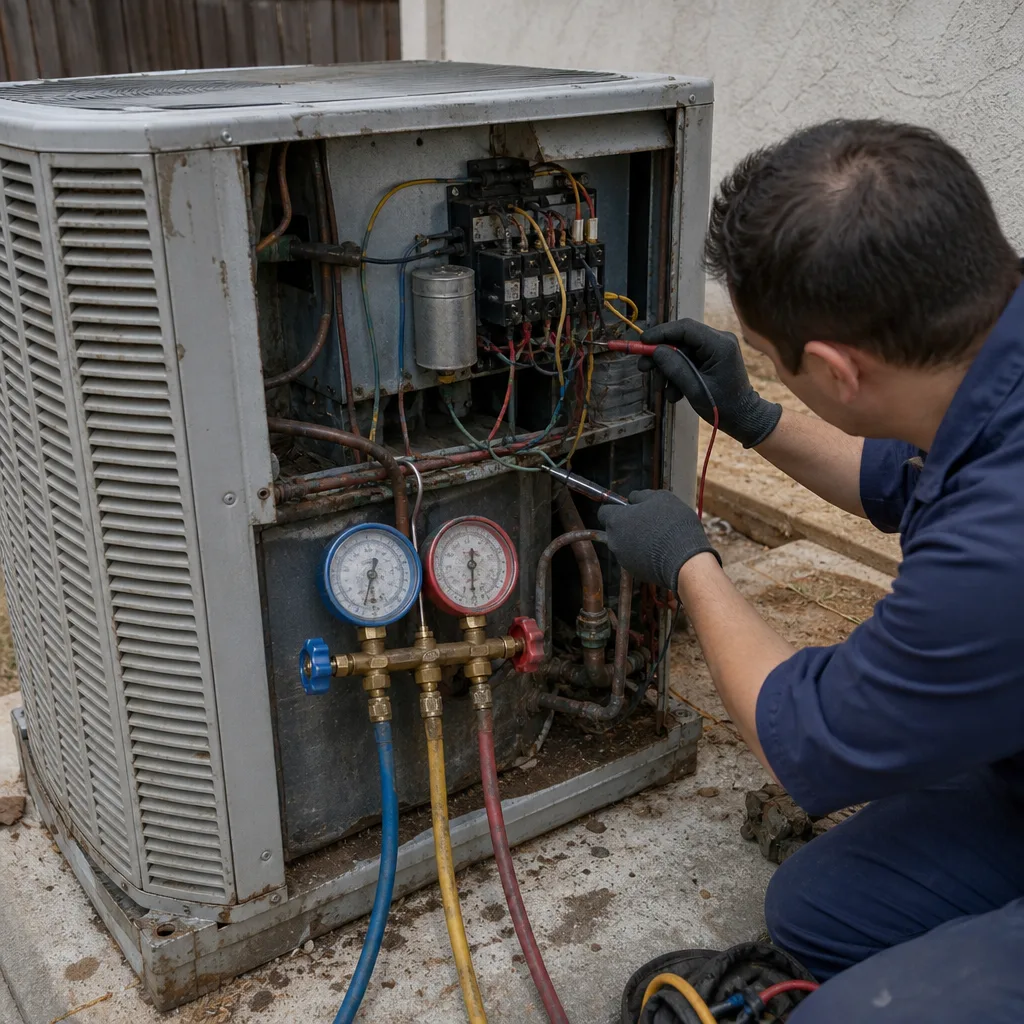 Before
 After
 Before
 After
 Before
 After
When to Call a Professional
Some things you can poke at yourself. A mini split install is not one of them. If you’re looking at a new system, an electrical change, a refrigerant line set, or anything that touches a permit in Paradise, that’s a licensed mechanical job. Same goes for a heat pump that won’t start, a mini split that’s frosting on the indoor coil, or a system that’s been running short-cycles for a month. Ray’s Heating & Air Paradise offers free estimates in Paradise; call (855) 664-5714 and we’ll look at it, read the numbers, and tell you straight whether you’re looking at a repair or a replacement. If you’ve already got a written estimate from someone else, we’ll give you a free second opinion before you sign anything. Background-checked technicians, readings before numbers, and the 90-Day Done Right Promise on every job. If it isn’t right, one call brings Ray back.
Frequently Asked Questions
A single-zone mini split install in Paradise takes about 4 to 6 hours of actual labor, but the full process from signed estimate to final inspection is typically 5 to 10 business days once you factor in load calculation, equipment order, Clark County permit, and inspection. Plan on a week, not a weekend. Call (855) 664-5714 for a written timeline on your specific home.
Yes. Clark County requires a mechanical permit for a new mini split or heat pump installation, and a final inspection to close it out. The permit pull typically adds 2 to 5 business days before install can start. Skipping it is a code violation and creates a problem when the house sells. We pull every permit before we show up.
Sometimes, yes, when the equipment is in stock locally and the electrical panel can take the load. But the permit, the vacuum and pressure test on the line set, and the load calculation do not get skipped, even on an emergency install. A genuine same-day install still runs 4 to 8 hours and the inspection follows in the next few weeks.
That’s the system bedding in. For the first 48 to 72 hours a variable-speed system is finding its refrigerant balance and calibrating. Longer runtime is normal and actually preferable, since it means better humidity control. If the behavior persists past four or five days, call us and we’ll read it against the manufacturer’s spec.
A full heat pump replacement typically runs 6 to 10 hours of install labor and 7 to 14 business days from signed estimate to inspection close. Electrical panel upgrades, if needed, are the most common reason it stretches. We check the panel during the estimate so install day doesn’t surprise you. Call (855) 664-5714 for a written timeline.
We service and install all major brands, including Carrier, Bryant, American Standard, and Trane. Brand availability can affect install timing, since some regional lead times run longer in peak season. We tell you upfront which models are actually orderable in your timeframe before you commit.
The Bottom Line
The hour count on a mini split install – four, six, eight – is real, but it’s a small slice of the whole. What actually determines whether the system works for the next fifteen years is the two to four days before install (load calc, equipment order, permit, site prep) and the week after (inspection, bedding-in, check-in call). Plan on a week for a mini split, plan on two for a heat pump, and never let anyone rush past the permit or the vacuum to save you a couple of hours. In Paradise, the county is going to inspect either way. Ray’s Heating & Air has been locally owned and owner-operated since 2002, and we’d rather tell you the honest timeline than promise you a one-day job that isn’t one. If a system’s on your mind, start with a straight conversation. Call (855) 664-5714 for a free estimate, and we’ll walk the whole timeline with you before you spend a dime.
Curious where all of Ray’s Heating & Air covers and what we do? Start at the Ray’s Heating & Air Paradise home.
Written by the team at Ray’s Heating & Air Paradise.