
Last updated November 18, 2026
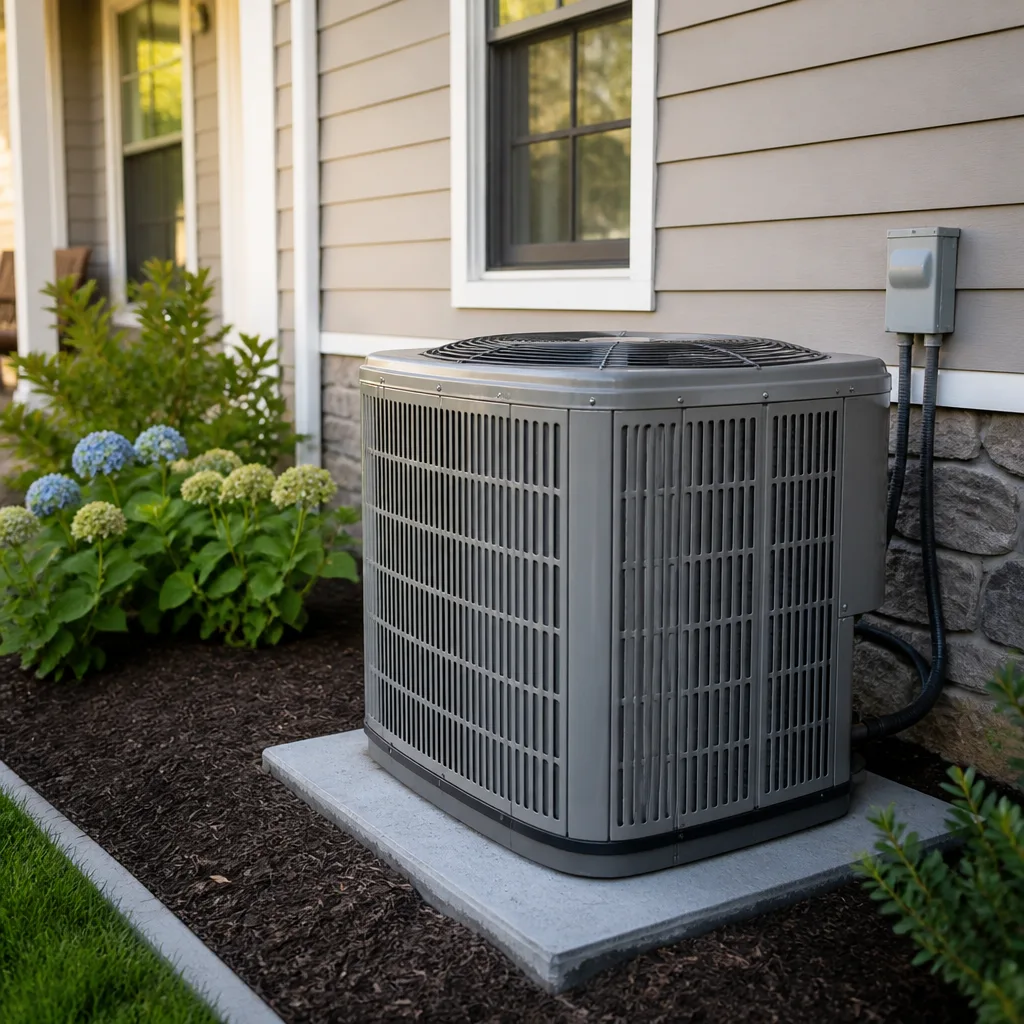 AC repair
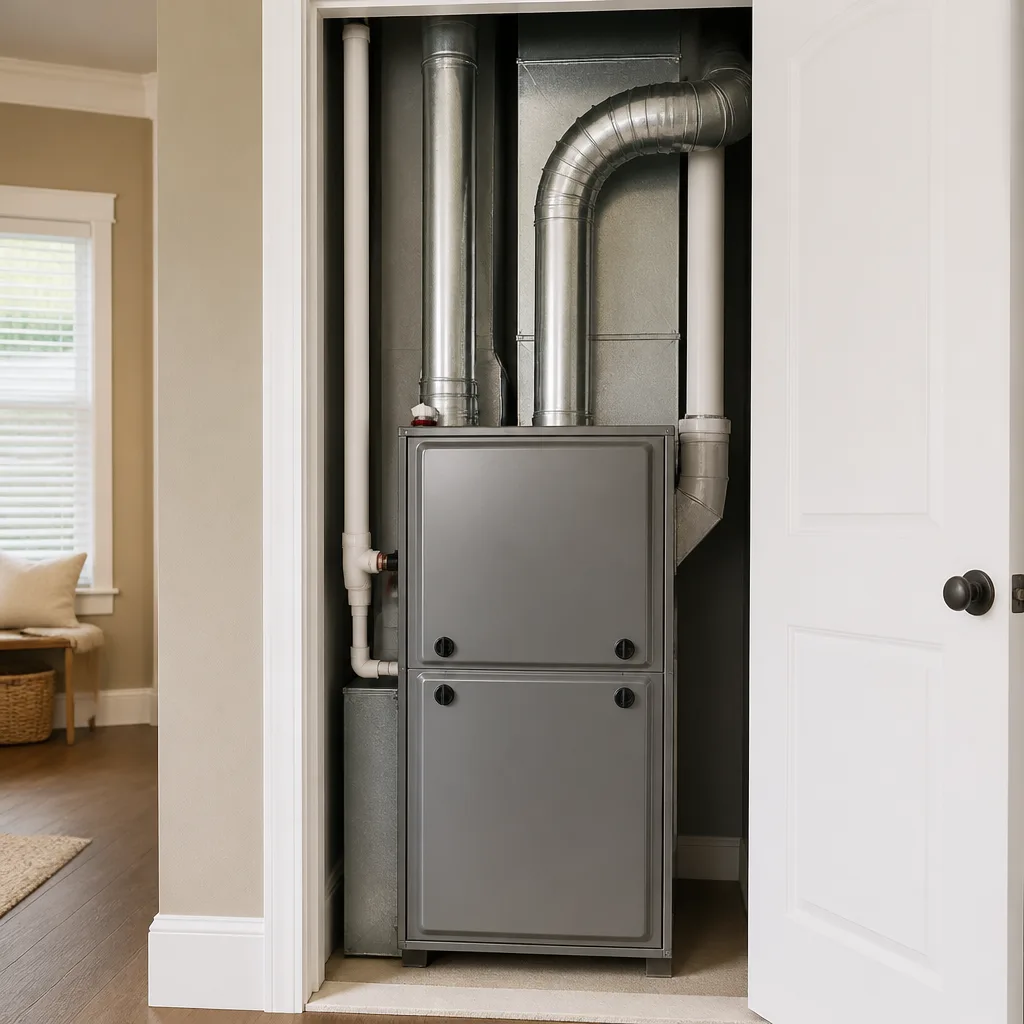 Furnace & heating
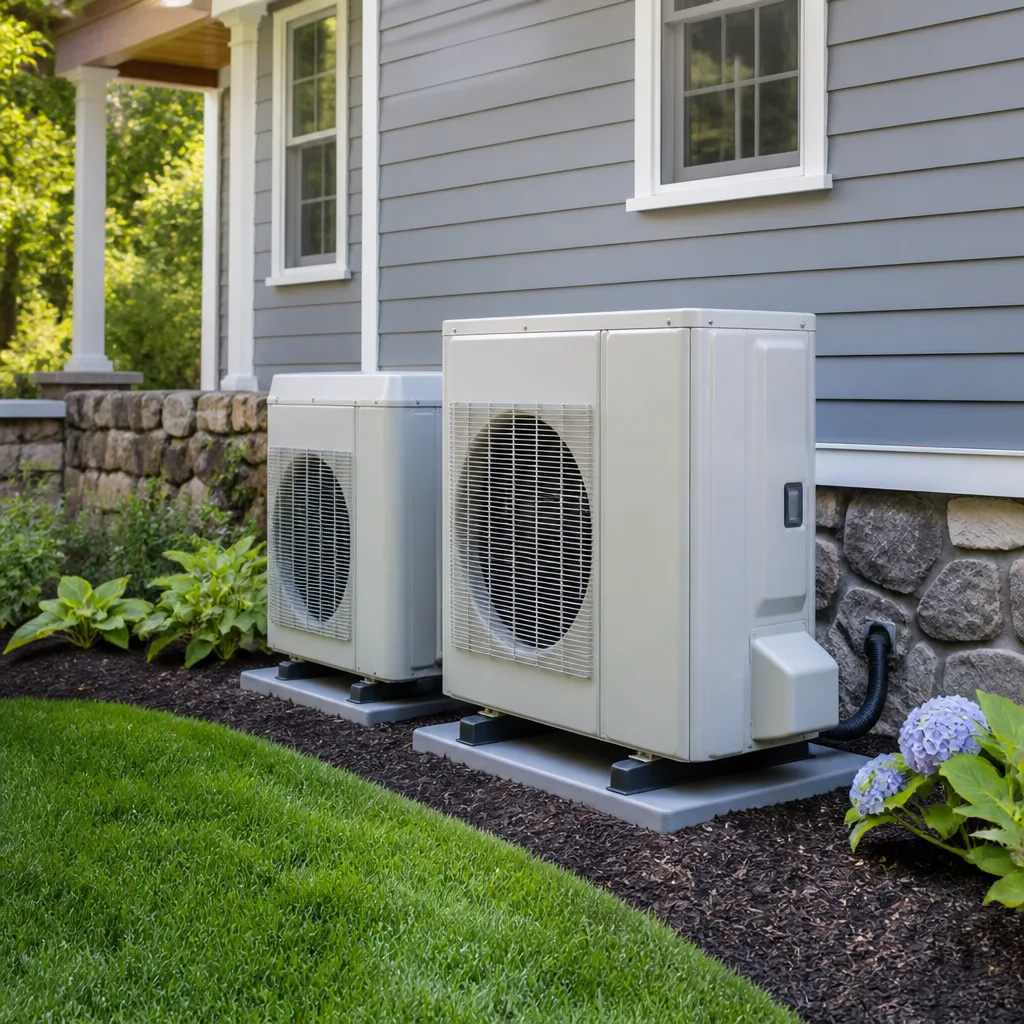 Heat pumps
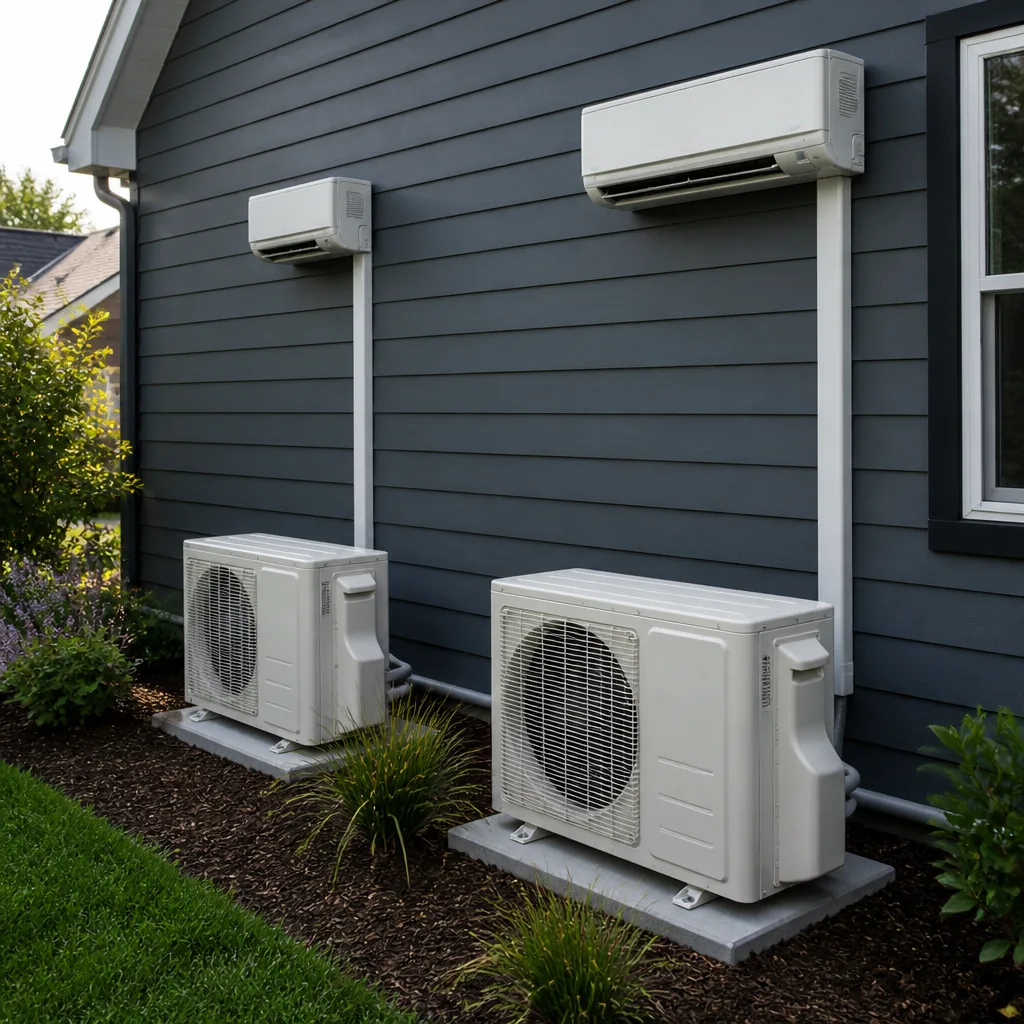 Ductless mini splits
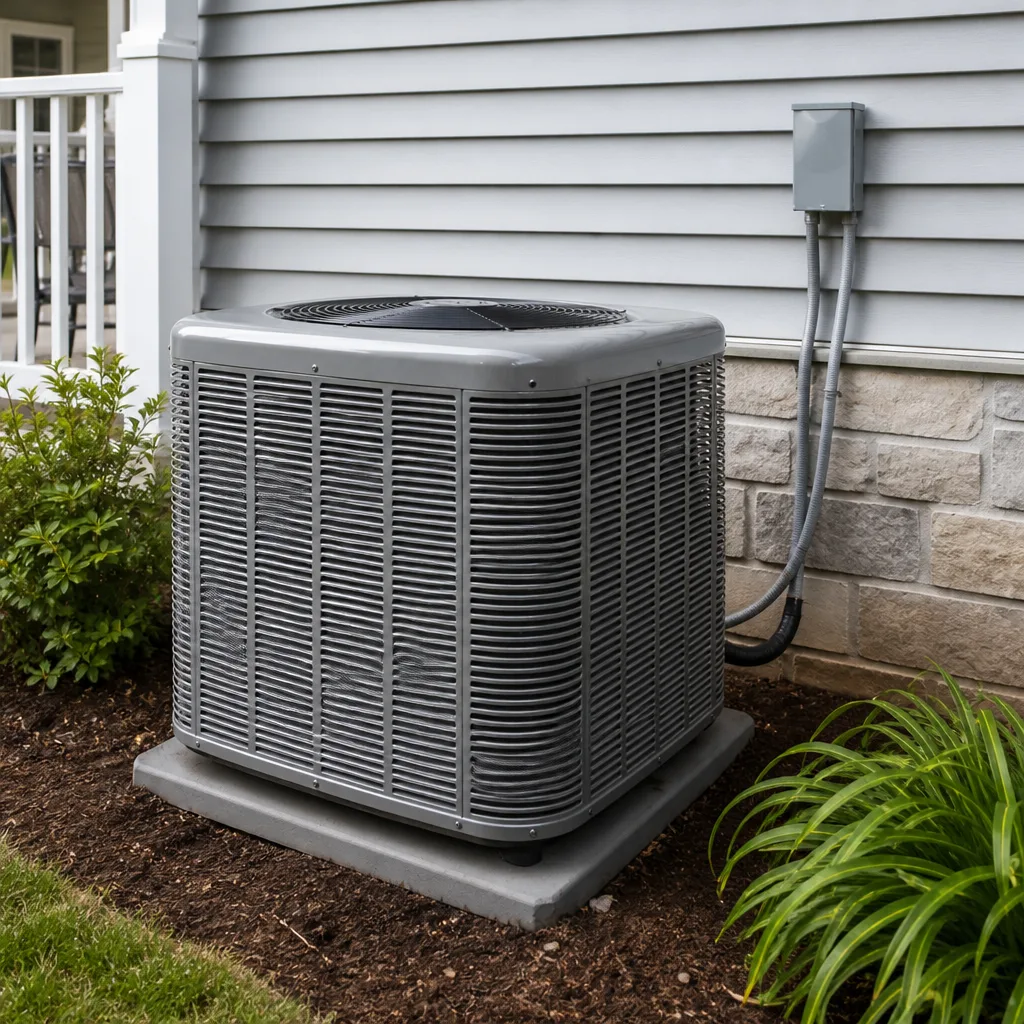 Carrier
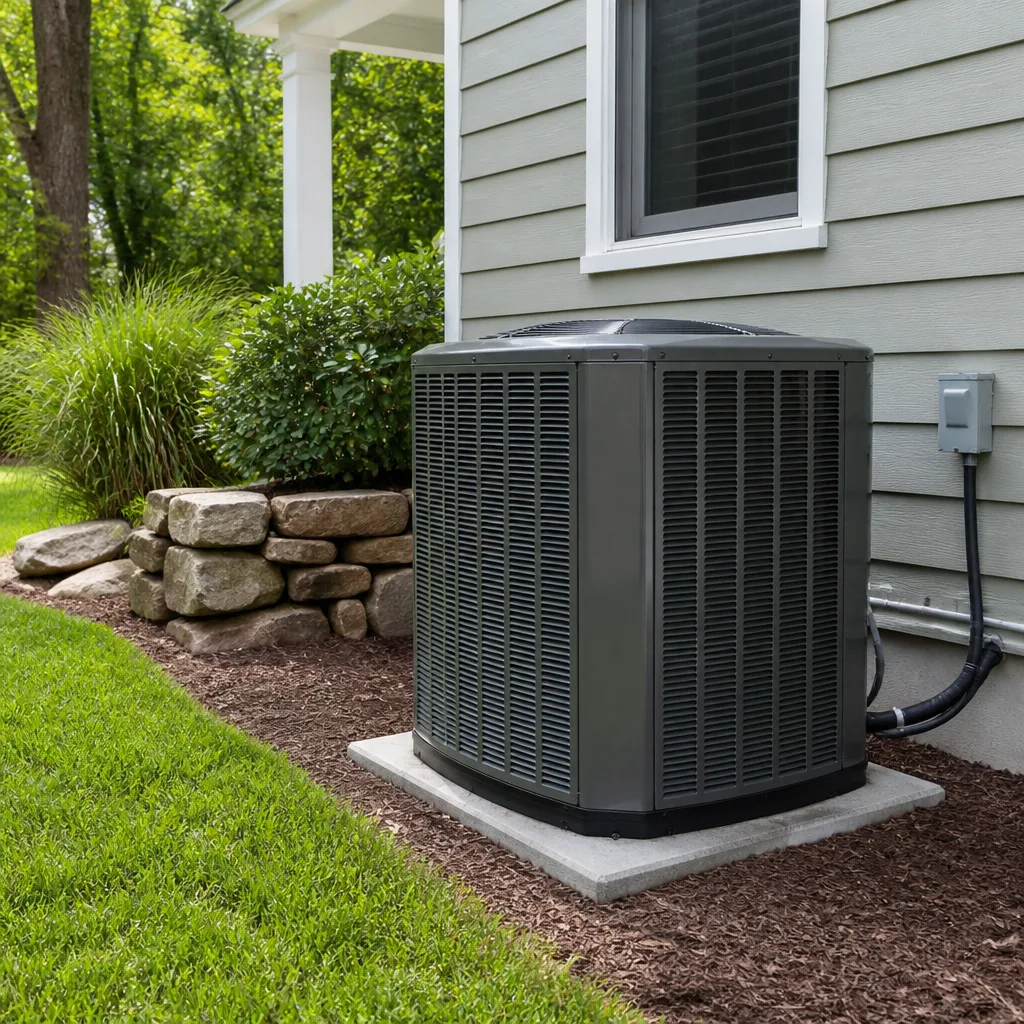 Trane
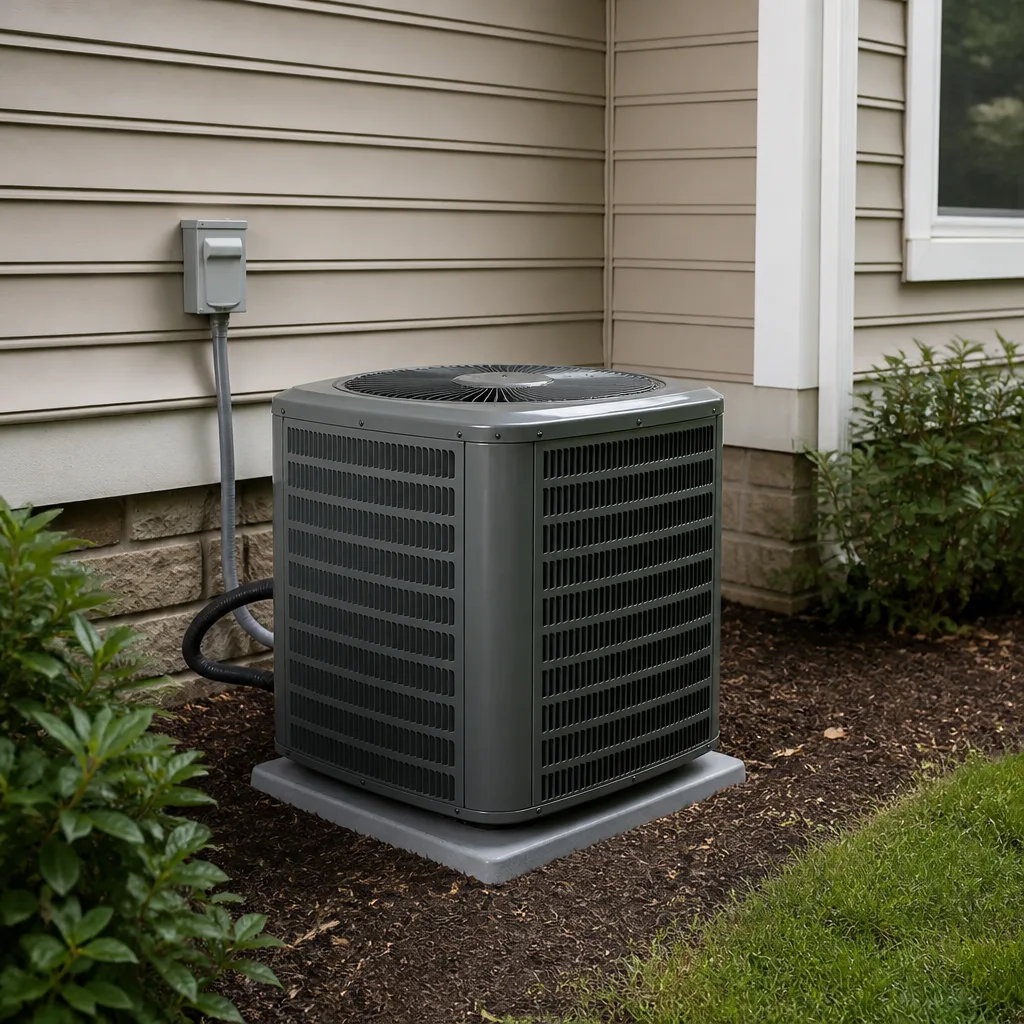 Goodman
Seasonal tune-up and full diagnostic on your Carrier, Trane, or Goodman system - readings shown to you before any repair is proposed
Diagnosis first, numbers second - you approve the repair price before a single part goes in.
Get your free estimateHVAC Permits, Codes & Inspections in NV: What You Need to Know
If your HVAC was replaced without a permit and your house catches fire, your insurance company has grounds to deny the claim. That’s not a scare tactic – that’s a clause in most standard homeowner policies and a conversation we’ve had with more than a few panicked people over the years right here in Paradise. A permit is a few days and a small filing fee. Skipping it can cost you a sale, a claim, or worse. This guide walks you through which jobs in Clark County actually require a permit, how to check whether one was pulled on your own property, what a Nevada inspector looks for, and what to do if a previous owner’s contractor cut corners. By the end you’ll know exactly what to ask before anyone touches your system in Paradise.
Quick Answer
In Clark County, any HVAC work that replaces or installs equipment – a new AC, furnace, heat pump, or duct system – requires a mechanical permit and an inspection before the job is considered closed. Simple repairs like swapping a capacitor or a thermostat generally don’t. The permit protects you: it creates a public record, triggers an inspection, and keeps your homeowner’s insurance and future home sale clean.
Styles & brands we work with
- AC repair
- Furnace & heating
- Heat pumps
- Ductless mini splits
- Carrier
- Trane
- Goodman
Table of Contents
- Which HVAC Jobs in Clark County Require a Permit?
- How to Verify a Permit Was Pulled on Your Property
- What Happens at a Nevada HVAC Inspection
- What Unpermitted Work Costs You at Sale and at Claim Time
- When a Previous Owner’s Contractor Skipped the Permit
- Questions to Ask Before You Hire Anyone
- Why Paradise Homes Run Into This More Than You’d Think
- Common Mistakes to Avoid
Which HVAC Jobs in Clark County Require a Permit?
Here’s the threshold you actually need to know, without the “it depends” runaround. Clark County draws the line at replacement or new installation of equipment and ductwork. Anything that changes the physical system in your home – a new condenser, a new air handler, a new furnace, new duct runs, a mini-split install – needs a mechanical permit. Straight repairs to existing equipment generally don’t, as long as you’re not altering the system’s capacity, fuel source, or routing.
A rough guide to which side of the line a job falls on:
- Needs a permit: Full AC replacement, furnace replacement, heat pump installation, duct system replacement, adding a mini-split head, changing from electric to gas, relocating equipment, converting a garage or addition to conditioned space.
- Usually doesn’t: Replacing a capacitor, contactor, thermostat, blower motor, or a like-for-like fan motor. Recharging refrigerant. Clearing a drain line.
- Grey area – ask: Replacing an air handler on an existing condenser, upsizing a unit, or rerouting a flue. If there’s any question of capacity change, get the permit.
What we’ve seen in Paradise is contractors quoting a full system replacement and then “handling the paperwork later” – which is code for never. The permit is not the contractor’s gift to you. It’s your protection. If a company won’t put the permit in writing on the estimate, that tells you something. When we quote an AC repair or installation in Paradise, the permit appears as a line item so you know exactly what’s being filed and when.
How to Verify a Permit Was Pulled on Your Property
You can check this yourself in about five minutes, and you don’t need to be a contractor to do it. Clark County’s public records system lets any homeowner look up permit history by property address. Here’s the step-by-step:
- Go to the Clark County Department of Building & Fire Prevention portal (or the appropriate jurisdiction if your Paradise address falls under a different authority).
- Search by address – not by contractor name. Address is the reliable anchor.
- Look for mechanical permits filed in the last several years. Note the permit number, issue date, and status.
- Check the status column. “Issued” means the permit exists but the work may not be inspected. “Finaled” or “Closed” means the job passed inspection. “Expired” means the permit was pulled and never closed out.
- Download or screenshot the record and keep it with your home documents. If you sell, this is gold.
If you find a permit that was issued but never finaled, don’t panic. It’s fixable. But it’s the kind of thing that surfaces during a home inspection at the worst possible moment, and it’s better to know now. If you pull the search on a Paradise property and see no mechanical permits at all going back to the original construction, that’s a flag worth pulling up on the phone with us before you make any big decisions.
What Happens at a Nevada HVAC Inspection
An HVAC inspection in Clark County is not a long, dramatic affair. An inspector shows up, checks that the installed equipment matches what was permitted, and confirms it was installed to code. Most inspections take 20 to 45 minutes. What they’re actually looking at matters more than how long it takes:
- Equipment match: The model and capacity on the nameplate match the permit application. No surprise upsizing or swapping.
- Electrical connections: Disconnect within sight, proper wire gauge, correct breaker sizing for the equipment.
- Refrigerant lines and charging: Line set routing, insulation, and that the charge is correct for the unit.
- Condensate management: Primary and secondary drain, float switch, and where the water actually goes.
- Combustion and venting (gas furnaces): Flue routing, clearances, and that the appliance has adequate combustion air.
- Ductwork and airflow: Sealing, sizing, and return air adequacy – especially relevant in Paradise homes with older flex duct.
- Access and clearances: Service access for future work, clearance from combustibles, code-required working space.
Here’s a caution worth stating plainly: gas furnace work and electrical panel connections are genuinely dangerous, and the inspection exists because bad installs cause real fires and real carbon monoxide incidents. We do not recommend homeowners get anywhere near gas line connections or panel work to “self-install” a repair. That’s a trained-professional job, full stop. The permit and inspection process is the safety net that catches what a fast install misses. When we handle heating and furnace work in Paradise, the inspection is scheduled at the same time the install is booked, not tacked on afterward.
What Unpermitted Work Costs You at Sale and at Claim Time
This is where the stakes get real. Two events trigger consequences for unpermitted HVAC work: a home sale and an insurance claim. Both cost far more than the permit would have.
At sale: Nevada sellers must disclose known material defects, and unpermitted work is exactly the kind of thing a buyer’s inspector finds. What happens next depends on the buyer, but the leverage shifts. Common outcomes:
- Buyer demands a retroactive permit and inspection as a condition of closing – typically $500 to $1,200 in permit fees, inspection scheduling, and any corrections.
- Buyer asks for a price reduction to cover the risk. In a competitive Paradise market, that number can be $2,000 to $5,000 off the table.
- Buyer walks. Worst case, and it happens more than you’d think on properties with older unpermitted additions.
At claim time: Most standard homeowner policies contain language that allows the insurer to deny or reduce a claim if the damage stems from work not done to code or without required permits. After a fire traced to a furnace install or an electrical connection on the air handler, the insurer can and does ask for the permit. If there isn’t one, you’re arguing with an adjuster instead of cashing a check. That’s the clause the opening of this guide points to – and it’s why we always pull the permit before any wrench turns on a replacement.
When a Previous Owner’s Contractor Skipped the Permit
Plenty of Paradise homes changed hands during the hot stretches of the last decade, and not every contractor from that era was careful. If you bought a house with existing HVAC equipment and the permit search comes back empty, you have options – none of them require tearing out a functioning system. Here’s the practical path:
- Document the current equipment. Get the model numbers, install dates if visible on the nameplate, and photos of the install.
- Call the county and ask about retroactive permitting. Clark County allows a homeowner to apply for a permit after the fact for existing work, though it’s a case-by-case process.
- Schedule an inspection of the existing install. An inspector reviews the work as it stands. If it meets code, you get a retroactive permit and you’re clear.
- Budget for corrections if needed. Realistic range for retroactive HVAC permitting and inspection runs $500 to $1,500 depending on the scope and what the inspector flags.
- Keep the paper. The retroactive permit and inspection record is now part of your property’s file and follows the house.
The one scenario where retroactive permitting doesn’t work is when the install is unsafe or doesn’t meet current code. In that case, an inspector will require corrections before signing off. We’ve had more than a few calls where a homeowner discovered a previous contractor skipped both the permit and the permit-worthy work entirely – like a furnace installed without proper venting – and the inspection became a repair job. Better to know now than to have it surface during a sale.
Questions to Ask Before You Hire Anyone
The whole point of this guide is to put you in control before the contractor shows up. Here’s the script. Ask these questions on the phone, before anyone comes out, and get the answers in writing on the estimate:
- “Will this job require a permit, and is the permit included in your quote?” If the answer is “we’ll see” or “probably not,” push back.
- “Who pulls the permit – you or me?” The licensed contractor pulls it. That’s the whole point of hiring licensed.
- “What’s your Nevada contractor license number?” Verify it. Any legitimate outfit publishes it.
- “When will the inspection be scheduled, and will you come back for the final if it fails?” A company that disappears after the install is not a company you want in your attic to begin with.
- “What happens if the inspector finds something?” You want to hear that the contractor handles corrections and re-inspection at no additional charge. Get it in writing.
Every quote we write includes the permit and the inspection in the line items. Our technicians have up to 24 years of experience and have seen every permitting shortcut there is. If you’re comparing an estimate from a national outfit against ours and the national estimate has no permit line, call us – the Ray’s Heating & Air Paradise home page shows you exactly who’s showing up and what backs the work. Free Second Opinion on any written estimate, every time.
Why Paradise Homes Run Into This More Than You’d Think
Paradise HVAC has specific features that make the permit question matter more here than in some other Clark County towns. The housing stock is a mix – homes built in the 1960s through the 1980s alongside rebuild-era construction from the last decade. That spread matters, because older mechanical rooms and attics were not designed for modern equipment capacity or for today’s code on clearance, condensate, and combustion air. A contractor replacing a 30-year-old unit with a modern high-efficiency model often needs to adjust venting, line set routing, and electrical service – which pushes the job from “swap” into “permitted install” territory even if the footprint looks the same.
Paradise also runs hot in a way that punishes half-installed equipment. Summer design temps push equipment to its limits, and a unit installed without proper charge or airflow can short-cycle through a July afternoon. When we do heat pump and mini-split work in Paradise, the inspection confirms the charge and airflow before we call the job closed – because a system that passes on paper but fails on a 110-degree day isn’t done right. Our 90-Day Done Right Promise covers that: if it’s not done right, one call brings us back. The permit and inspection exist for the same reason.
And it’s not just Paradise. Homeowners in the surrounding Clark County communities – Henderson, North Las Vegas, Boulder City – face the same rules, and we’ve had calls from all of them. The permit threshold, the inspection checklist, the home sale consequences: same. The good news is a clean install with a permit is not expensive or slow. Same-week scheduling is normal when the work is planned instead of improvised.
Common Mistakes to Avoid
- Assuming the contractor pulled the permit because he said he would. “I’ll get to it” means he won’t. Get the permit number in writing before work begins, and check it yourself in the county portal.
- Believing a repair upgrade is “just a repair.” In Paradise, we regularly see a contractor sell an “upgrade” to a bigger condenser on an existing air handler without pulling a permit. That’s a capacity change. It’s permitted work.
- Trusting a verbal “it’s permitted” without a number. Any legitimate company hands you the permit number, not a promise. If the number isn’t on your invoice, it doesn’t exist.
- Skipping the permit to save a few hundred dollars on the quote. That “savings” can cost you $2,000 to $5,000 in sale negotiation, or an entire insurance claim after a fire. Not a good trade.
- Assuming a previous owner’s work was permitted. If you bought in Paradise during a hot market, pull the records. It’s five minutes and could save you a closing headache.
- Ignoring an expired permit. A permit that was pulled but never finaled looks like an active permit to a software search but signals an unfinished job to a real inspector. Get it closed out.
- Letting anyone work on a gas furnace or electrical panel connection without a permit and inspection. These components cause fires and carbon monoxide incidents. The inspection is not bureaucracy; it’s the safety check.
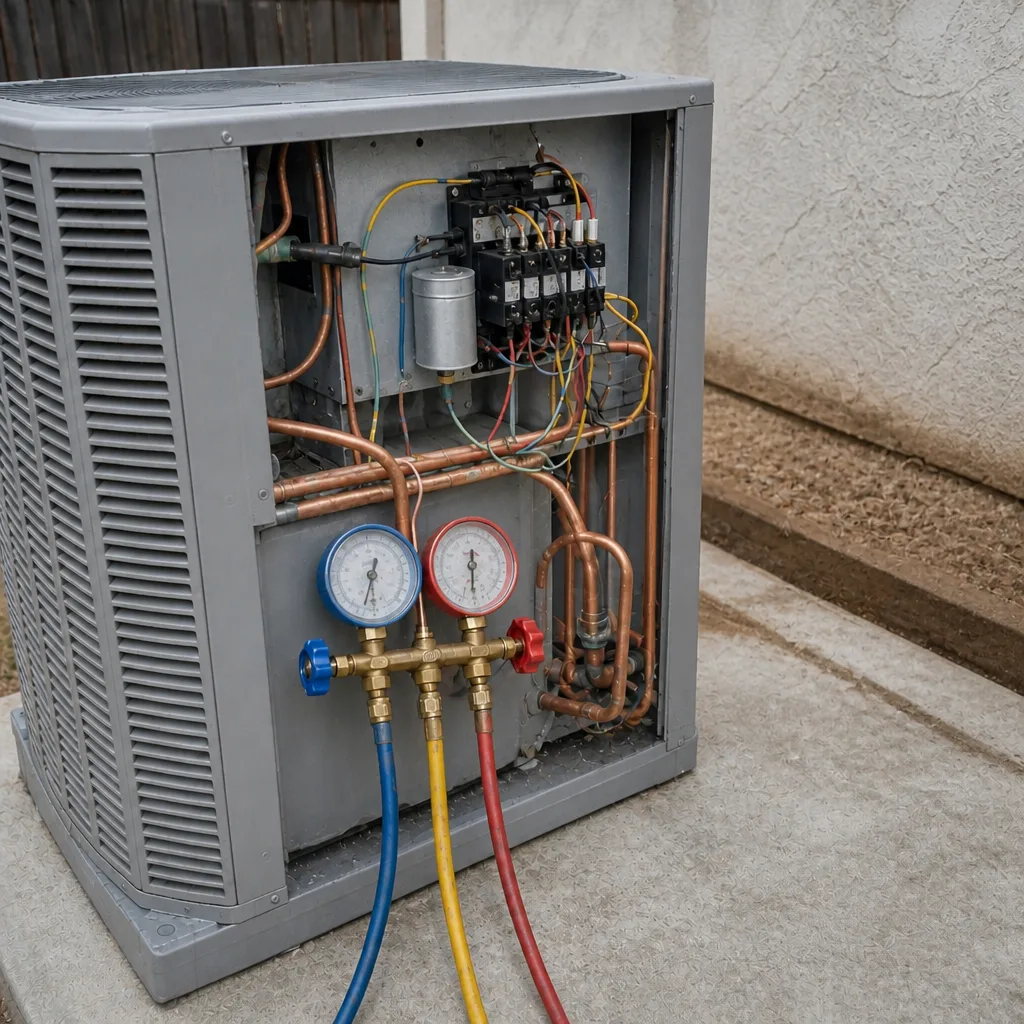
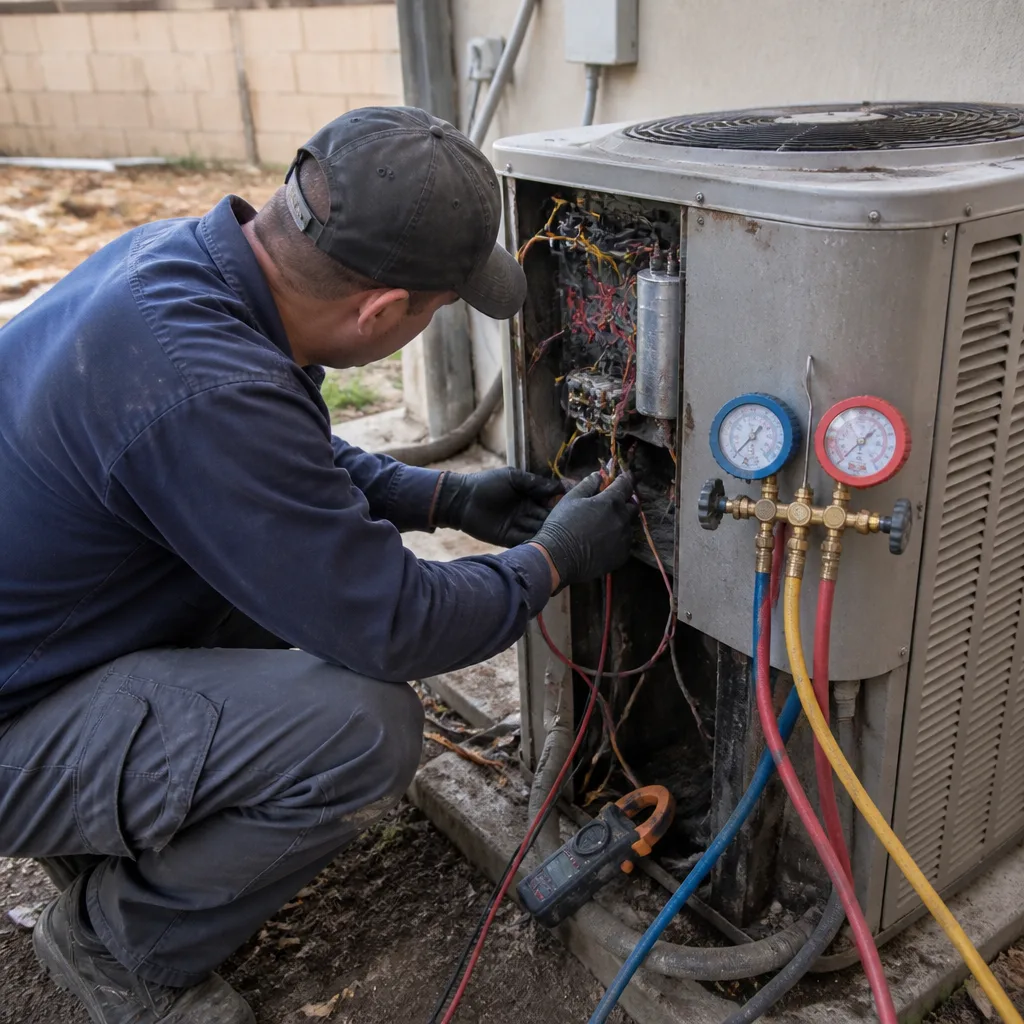
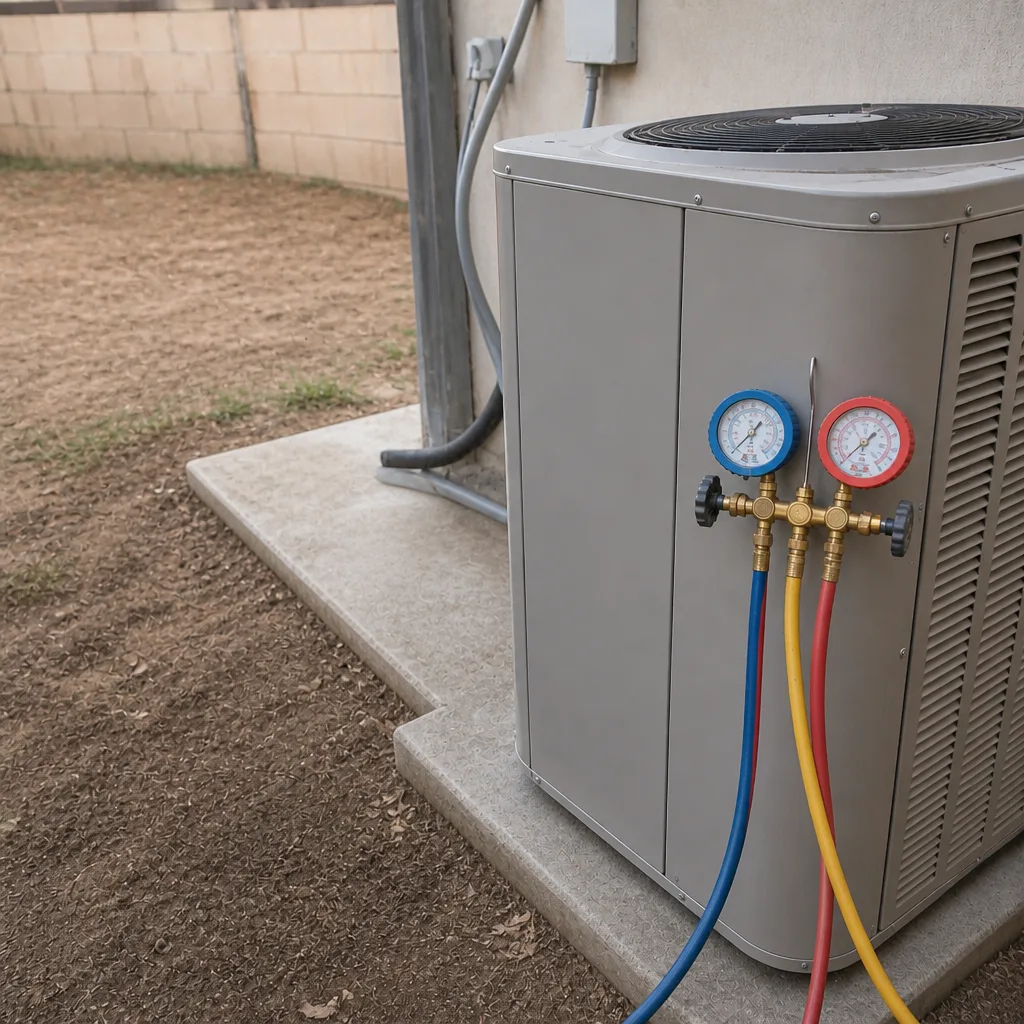
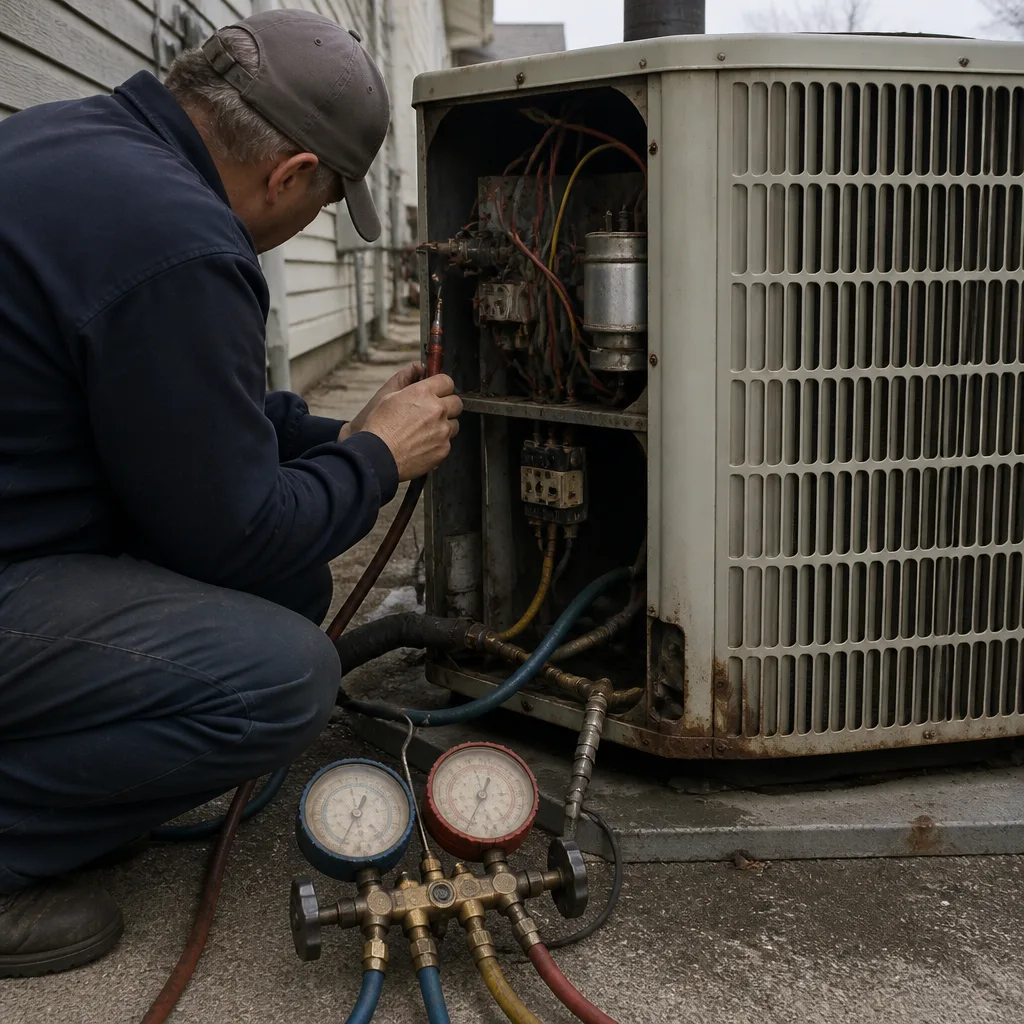
See the difference
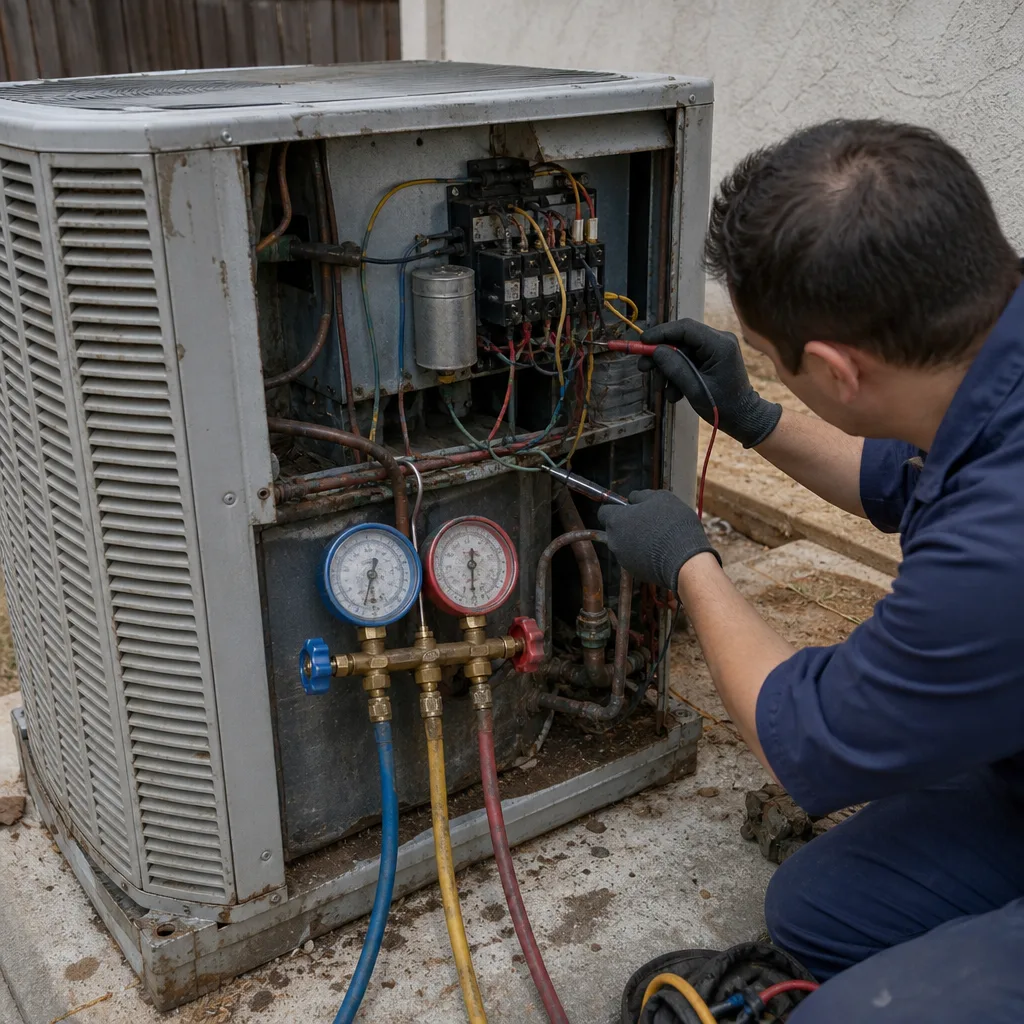 Before
 After
 Before
 After
 Before
 After
When to Call a Professional
Call a professional – a licensed one who pulls permits – if any of these describe your situation: you’re considering a full AC, furnace, heat pump, or mini-split replacement; a contractor has quoted you work and the estimate has no permit line; you’ve pulled your property’s permit history and found unpermitted or expired work; an inspector flagged something during a recent sale or purchase; or you’re hearing strange noises from a gas furnace that might be a venting or combustion issue. Do not open a gas furnace or an electrical panel connection yourself. Those are trained-professional work, and the permit is the proof it was done to code. Ray’s Heating & Air Paradise offers free estimates in Paradise – call (855) 664-5714. Live person answers, 24/7. Free Second Opinion on any written estimate, and no trip charge inside the county.
Frequently Asked Questions
Yes. Full AC replacement requires a mechanical permit in Clark County and an inspection before the job is considered closed. Simple repairs like capacitor swaps don’t, but any equipment replacement or capacity change does. If a contractor quotes you a swap without a permit line, ask why. Call (855) 664-5714 for a quote that includes the permit.
Search the Clark County Department of Building & Fire Prevention portal by property address – not contractor name. Look at the status column: “Issued” means the job may not be inspected, “Finaled” means it passed, “Expired” means it was never closed out. Keep a screenshot for your records. If you’re not sure what you’re looking at, call us and we’ll walk through it with you.
Nevada sellers must disclose known material defects, and unpermitted work is a material issue. Expect the buyer to demand a retroactive permit, a price reduction of roughly $2,000 to $5,000, or to walk. In our experience, getting the retroactive permit handled before listing is far cheaper than negotiating afterward. Call (855) 664-5714 for a free estimate if you want to get ahead of it.
Yes. Most standard homeowner policies allow the insurer to deny or reduce a claim if damage stems from work not done to code or without required permits. After a fire, the adjuster can and does ask for the permit record. If there isn’t one, that’s your problem to argue. The permit is the paper that closes that door before it opens.
Realistic range for retroactive HVAC permitting and inspection is $500 to $1,500, depending on the scope and whether the inspector flags corrections. Corrections – like adding proper venting or fixing an airflow issue – add to that number. Call (855) 664-5714 for a free estimate on your specific situation.
Yes. Every replacement or install we quote includes the permit and the inspection as line items on the estimate. We schedule the inspection when we book the install, not afterward, and we come back for re-inspection if corrections are needed. That’s what the 90-Day Done Right Promise means in practice – and it’s why a permit line appears on every install quote we write.
The Bottom Line
The permit question is not a technicality. It’s the paper trail that protects your insurance claim, your home sale, and your safety. In Clark County, any HVAC replacement or install requires a mechanical permit and an inspection, and you can verify both yourself in about five minutes through the county’s public records portal. If you find unpermitted work from a previous owner, retroactive permitting is real and usually less expensive than the alternative. If you’re about to hire someone, put the permit in writing before the work begins. The whole system runs on homeowners knowing what to ask. Now you do. Welcome to Paradise – where the AC needs to work, and the paperwork needs to match.
If you’re ready for a straight answer on what your system actually needs, call (855) 664-5714 for a free estimate. Ray’s Heating & Air Paradise – locally owned, owner-operated since 2002, 90-Day Done Right Promise in writing. You’ll see the readings and the numbers before any work begins.
Written by the team at Ray’s Heating & Air Paradise.