
Last updated November 18, 2026
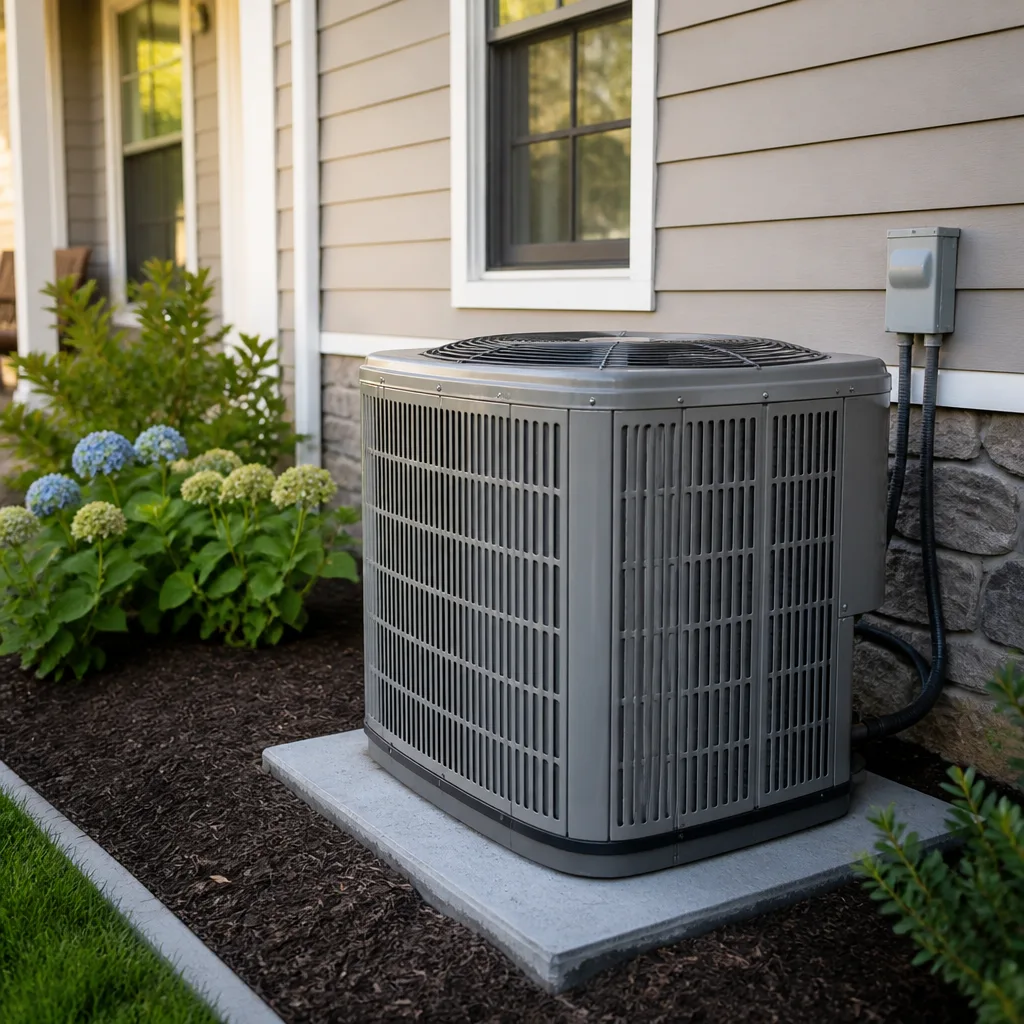 AC repair
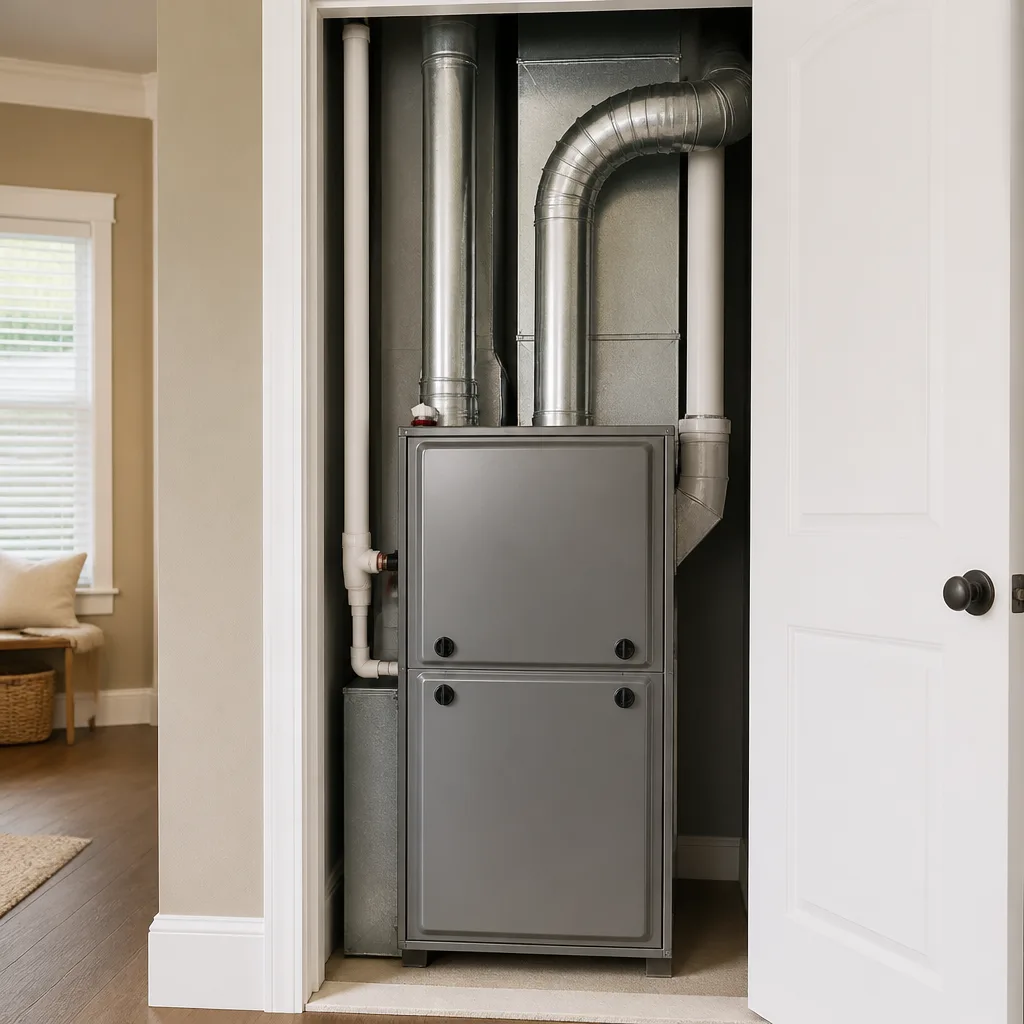 Furnace & heating
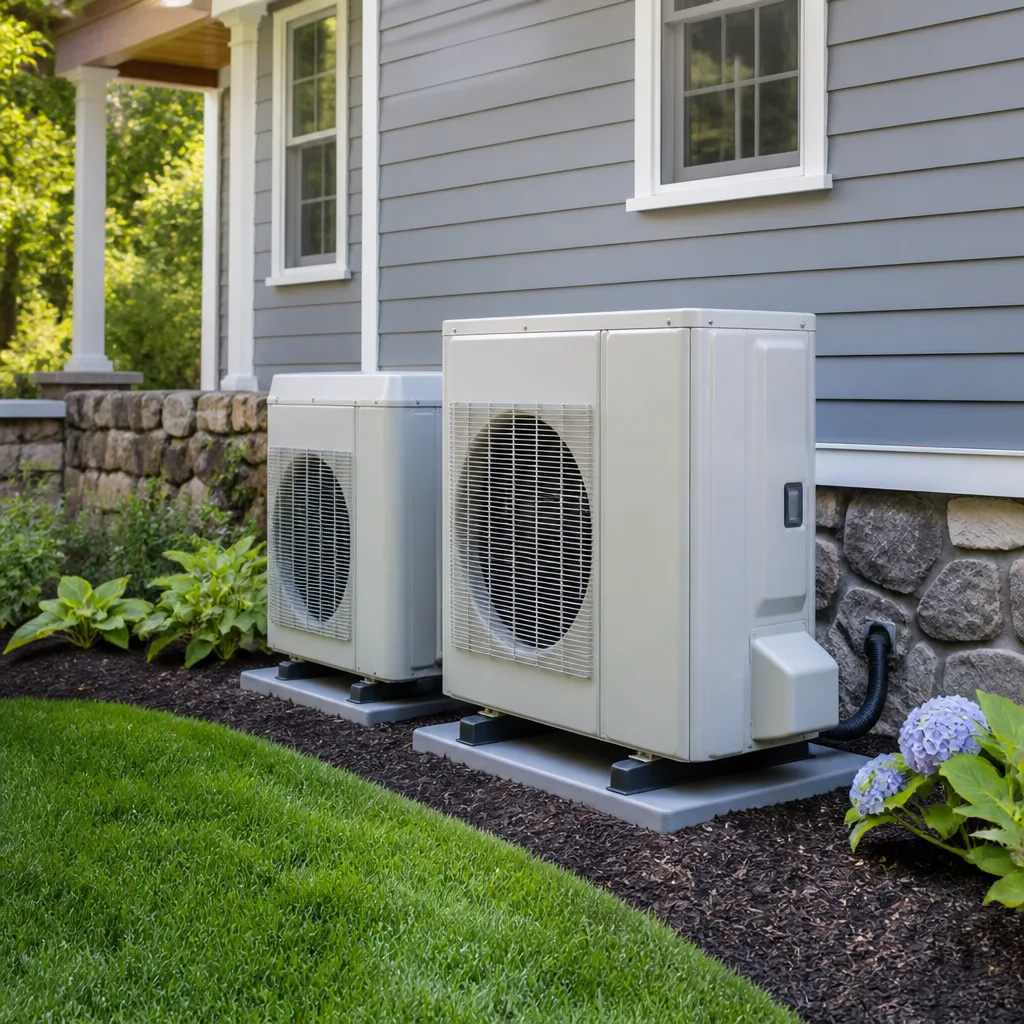 Heat pumps
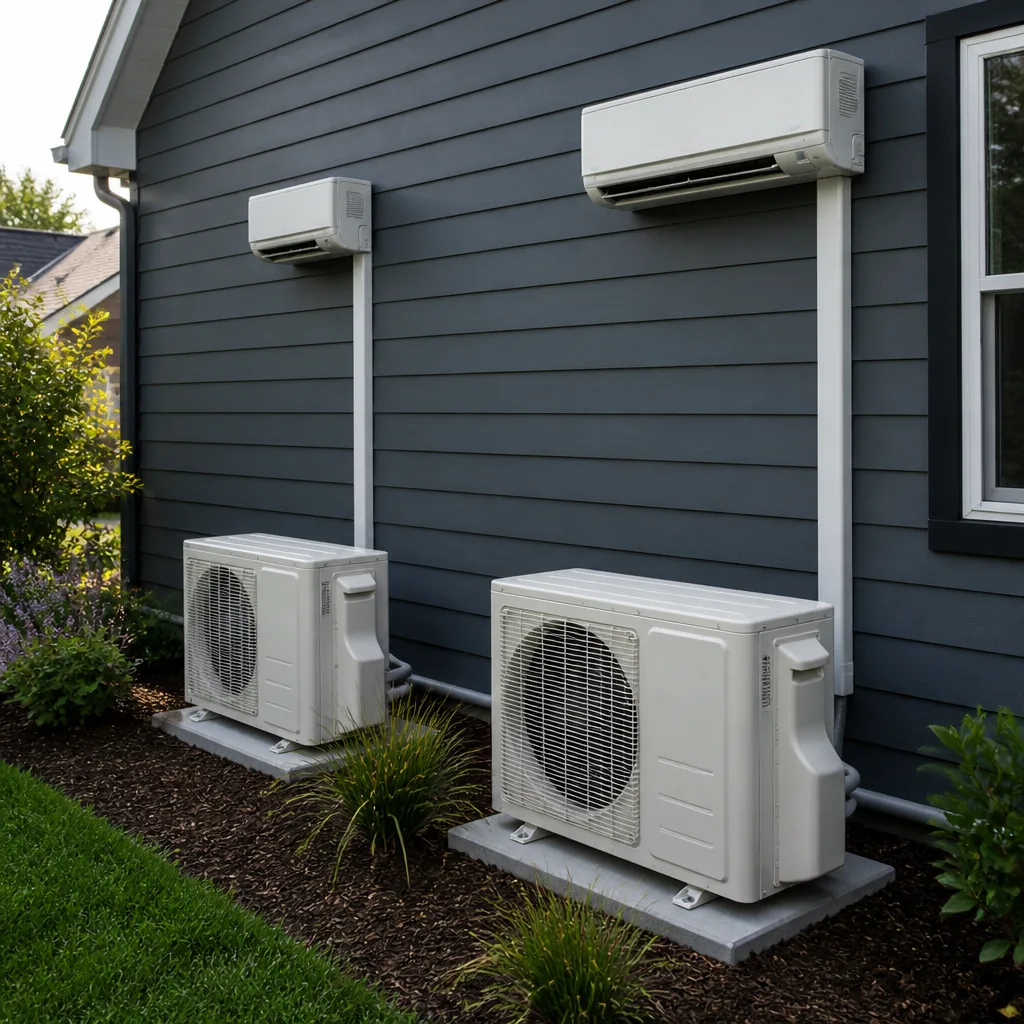 Ductless mini splits
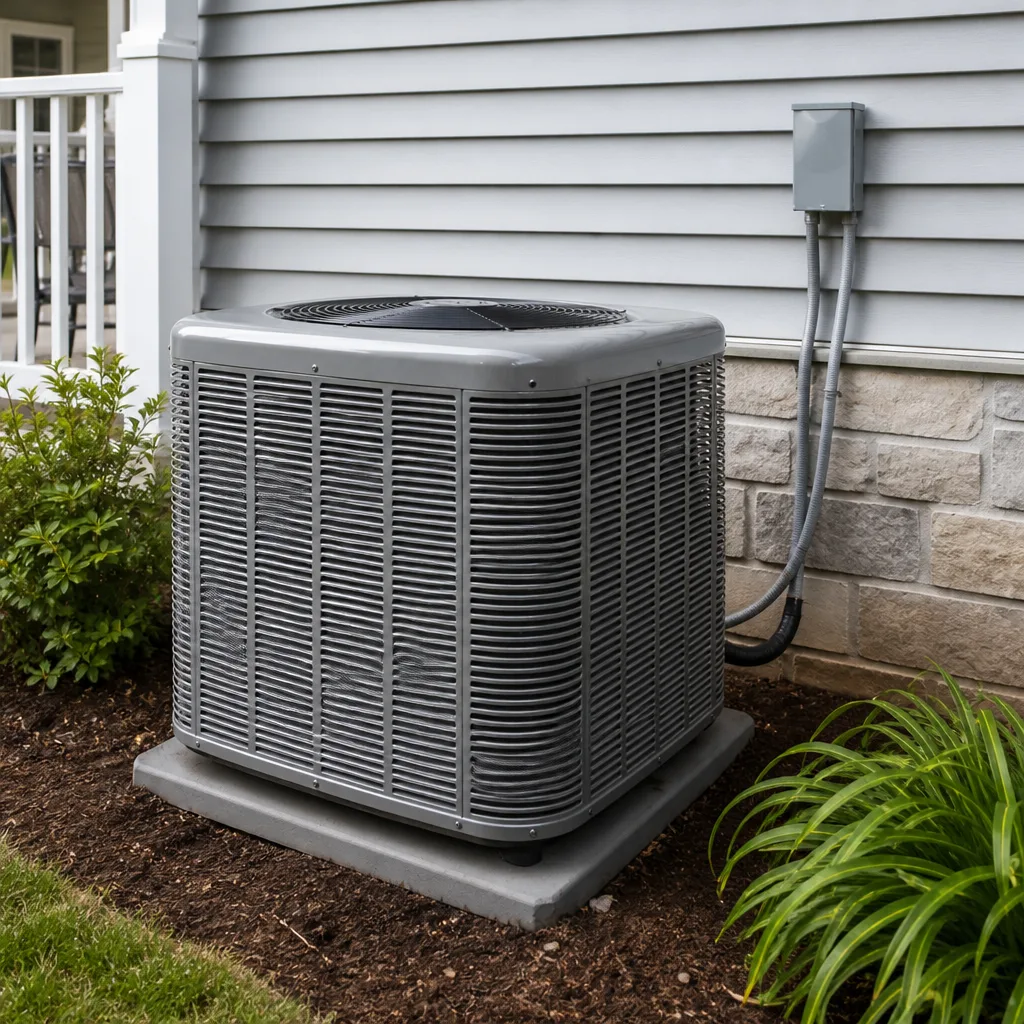 Carrier
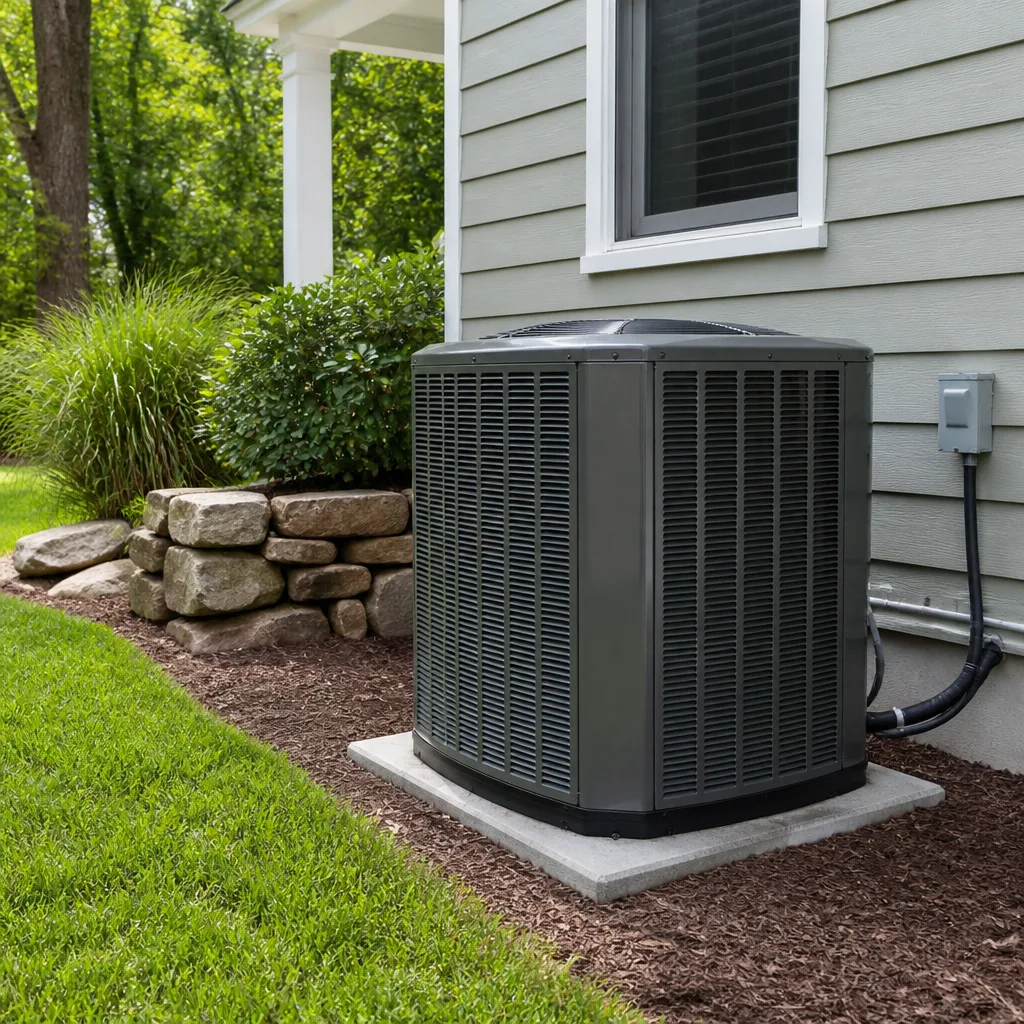 Trane
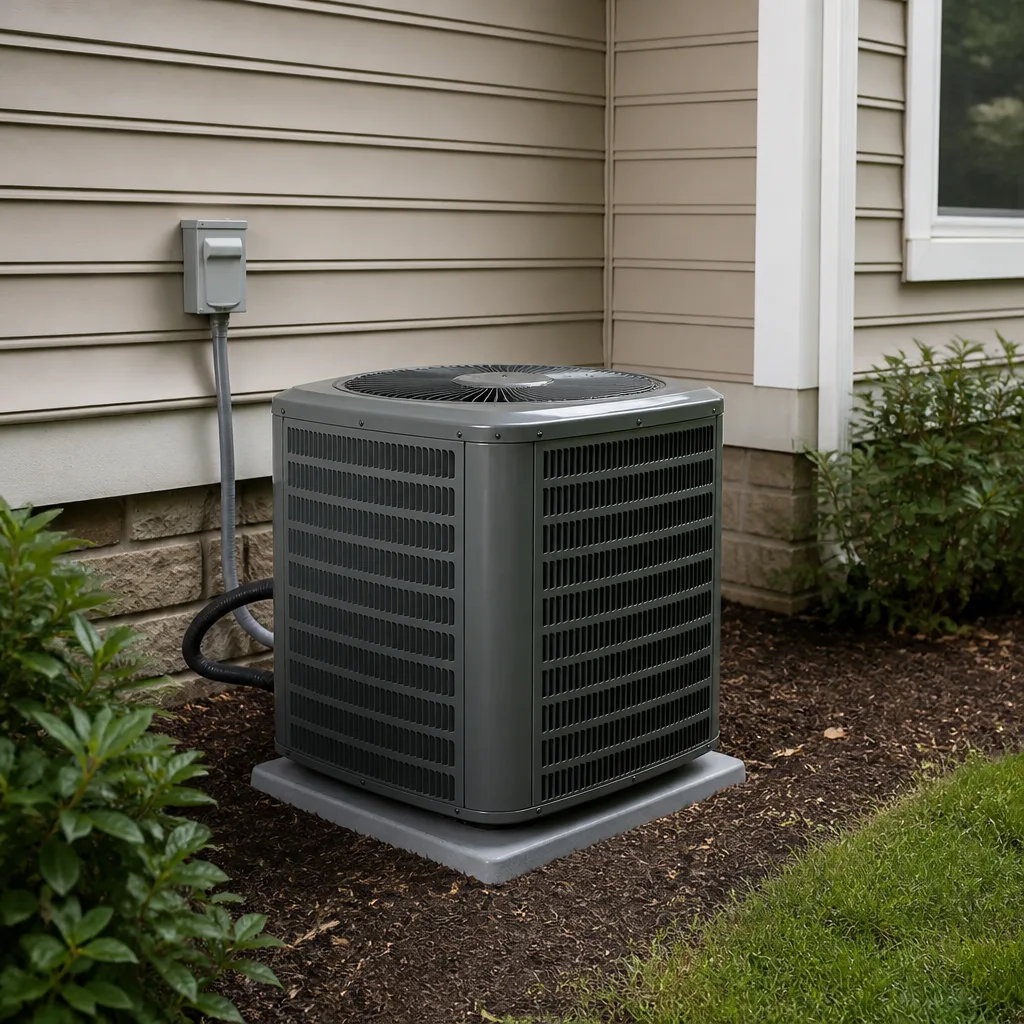 Goodman
Seasonal tune-up and full diagnostic on your Carrier, Trane, or Goodman system - readings shown to you before any repair is proposed
Diagnosis first, numbers second - you approve the repair price before a single part goes in.
Get your free estimateThe Complete Guide to HVAC in Paradise
Most HVAC guides for this area were written by someone in Phoenix or, worse, someone who has never left a content farm. The average Paradise home runs its AC for roughly 150 days a year – that’s not a Las Vegas stat, that’s a Paradise stat, and the difference matters when you’re sizing equipment. Paradise sits at its own elevation, over its own soil, under its own dust. A guide written for “the Southwest” will steer you wrong on the things that actually cost you money here. This one won’t. What follows covers how Paradise’s conditions shape your system, how to read the quotes you get, and what “done right” looks like in writing.
Quick Answer
An HVAC system in Paradise needs to be sized with a real Manual J load calculation for this specific elevation and attic reality, not a rule of thumb borrowed from Las Vegas. Paradise’s caliche soil and dust profile change where outdoor units can go and how well they breathe, and NV Energy’s rate tiers here change whether variable-speed equipment pays you back. Most homeowner problems trace to a skipped load calculation or a contractor who never tested the capacitor before blaming the compressor.
Styles & brands we work with
- AC repair
- Furnace & heating
- Heat pumps
- Ductless mini splits
- Carrier
- Trane
- Goodman
Table of Contents
- Why Paradise Conditions Break Generic HVAC Advice
- Outdoor Unit Placement and Paradise’s Caliche Soil
- NV Energy Rate Tiers and Your ROI Math
- What a 155°F Paradise Attic Does to Equipment
- How to Read a Manual J Load Calculation
- What a National Chain Quotes vs. What Your Home Needs
- What “Done Right the First Time” Looks Like in Writing
- A Maintenance Rhythm That Fits Paradise
Why Paradise Conditions Break Generic HVAC Advice
Paradise is not a footnote on a Las Vegas page. It sits at its own elevation with its own dust composition, and that dust is not the fine nuisance powder you’d picture. It’s abrasive, it settles into condenser coils, and it grinds on fan bearings over a long cooling season. We’ve pulled coils in Paradise that looked like felt after one particularly windy spring.
The practical fallout is simple: any guide that treats Paradise like “the desert” is going to be wrong in three places that matter.
- Cooling load. Roughly 150 days of real AC demand per year means the machine runs hard and often. Wear and tear on a Paradise system is not the same as a system up in the mountains or out on the coast.
- Soil. Caliche – that cemented layer of soil – sits under plenty of Paradise yards. It changes what you can dig, where a pad can go, and how you anchor and elevate a condenser.
- Utility quirks. NV Energy’s rate structure here means the math on efficiency upgrades isn’t the same as the national marketing pitch.
A system installed for Paradise has to account for all three. That’s the whole premise of this guide, and it’s why we wrote it from Paradise rather than about it. If you want the repair side of this in more depth, our AC Repair & Installation in Paradise page digs into the specifics.
Outdoor Unit Placement and Paradise’s Caliche Soil
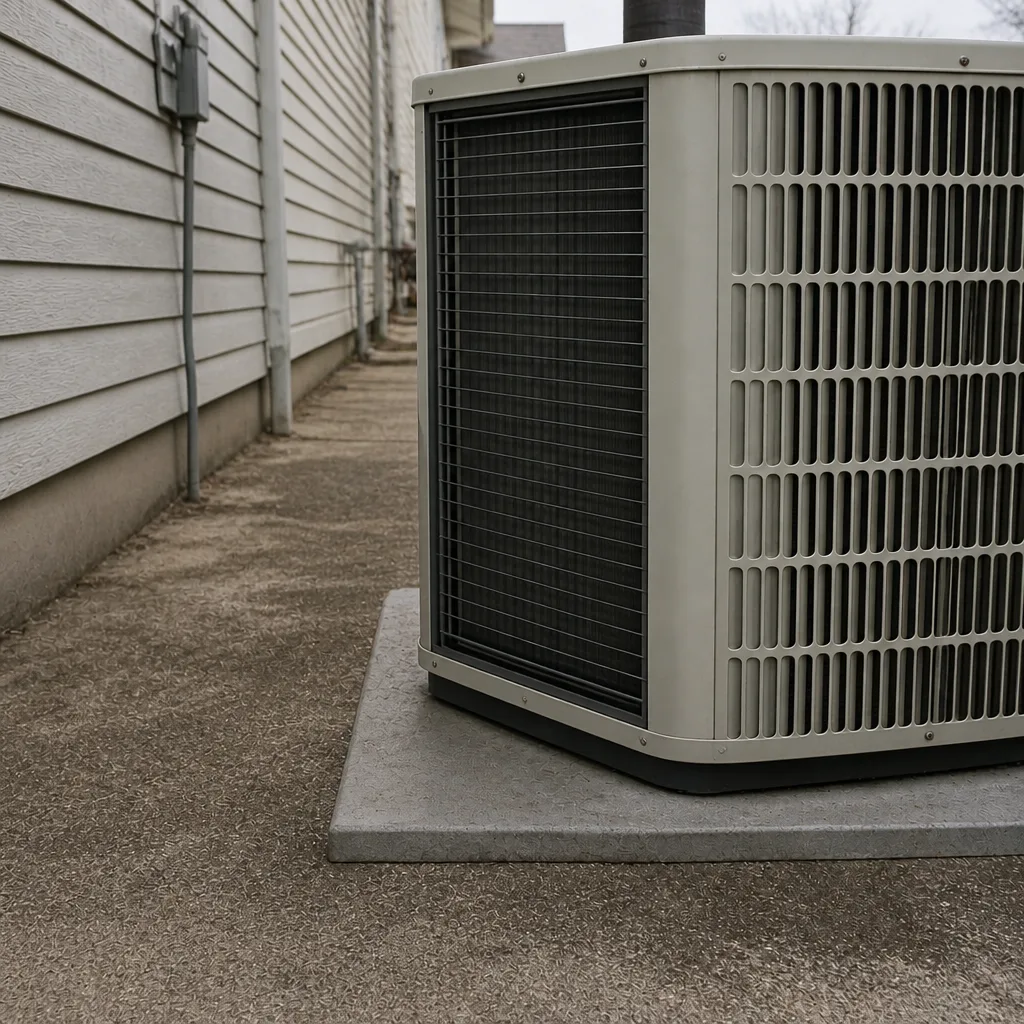
Where your outdoor unit sits decides how long it lives. In Paradise this is not a small detail. Caliche resists digging, so installers who want to save time will sometimes set a pad on the surface of compacted ground and call it done. That pad heaves, shifts, and the unit goes off-level. An off-level condenser stresses the compressor and can let refrigerant lines take a beating.
Airflow is the other half. A condenser needs breathing room. Pushing it up against a block wall or tucking it under a shrinking shade structure starves it of air. In our experience, Paradise summers punish a starved condenser fast, because the unit can’t shed heat into air that’s already 110°F and has nowhere to go.
Here’s what we check on placement, in order:
- Clearance on all sides. Give the unit room to pull air and push it back out. Stuck against a wall, it’s working against itself.
- A properly compacted, level pad. On caliche, that may mean a small engineered pad or gravel base rather than bare ground.
- Height above grade. Your dust and your monsoon-season runoff both argue for elevating the unit enough that debris and water pass under, not through.
- Shade that doesn’t crowd. Shade helps efficiency if it doesn’t block airflow. A louvered screen beats a tight enclosure.
- Service access. Who’s going to reach the valves and the coil? Leave room for someone to actually work.
If the person quoting you walks the yard and never mentions the soil or the clearance, that’s a data point. It tells you they’re quoting a habit, not your house.
NV Energy Rate Tiers and Your ROI Math
Higher-efficiency equipment only pays back if the numbers line up for how you actually use power. That’s where NV Energy’s rate tiers in this zip code change the conversation. The national marketing math assumes a flat rate and steady usage. Real bills in Paradise don’t work that way. If your household sits in a higher tier during peak cooling months, the marginal kilowatt-hour costs more, and that’s precisely when a variable-speed system’s part-load efficiency earns its keep.
Variable-speed and two-stage systems shine in long, moderate-to-heavy cooling seasons because they run at lower capacity more of the time instead of slamming on and off at full tilt. In Paradise, with roughly 150 cooling days, that translates into real run-time at gentler speeds, which is where the efficiency gain lives.
What we tell homeowners to do before anyone quotes equipment:
- Pull your last 12 months of bills. Look at the summer peak months, not the annual average. The peak is what you’re buying relief from.
- Note your tier behavior. If you’re regularly riding the top tier in July and August, higher-efficiency equipment has more room to help than if you barely touch it.
- Ask for the estimate in plain numbers. A good contractor will show you the efficiency difference and let you weigh it against your own bill. Nobody should be selling you top-tier equipment on a hunch.
The honest version: variable-speed is the right call for some Paradise homes and overkill for others. The rate tier math tells you which. We’d rather show you the readings and let you decide than talk you into a machine your bill can’t justify. For heat pump specifics, our Heat Pump & Mini Split in Paradise page covers how part-load performance plays out here.
What a 155°F Paradise Attic Does to Equipment
A Paradise attic in July can hit around 155°F. Not the ambient, the attic. That heat is where a lot of systems quietly lose their efficiency, because ductwork runs through it and air handler cabinets sit in it. Every foot of duct in a 155°F attic is a chance for cool air to pick up heat before it ever reaches a room.
This is the gap between a national chain’s quote and what a Paradise home actually needs. The chain quotes a tonnage off a chart or a quick look. It doesn’t account for the fact that your attic is a furnace within a furnace, or that leaky, thin-insulated duct in that environment can wipe out a chunk of the equipment’s rated efficiency.
What that means for you, practically:
- Duct condition matters as much as the box outside. A great condenser feeding ductwork that leaks into a 155°F attic is money leaking out of the ceiling.
- Attic ventilation is part of the system. Poor ventilation means the attic runs hotter, and everything up there suffers for it.
- Insulation and sealing are efficiency work. Sometimes the smartest cooling upgrade is a sealed, insulated duct run rather than a bigger machine.
We’ve walked into Paradise homes where the equipment was fine and the attic was the whole problem. Nobody ever told the homeowner that. If you’re getting rid of heat and not getting relief, the attic deserves a look before anyone sells you new equipment.
How to Read a Manual J Load Calculation
A Manual J load calculation is the engineering that sizes your system to your house. Not to your neighbor’s house, not to a chart, to yours. When it’s done right, it’s the difference between a system that runs comfortably and one that’s either short-cycling or never quite keeping up. Here’s how you can tell a real one from an eyeball job.
A proper Manual J accounts for:
- Square footage and room-by-room layout, not just the total.
- Window count, size, orientation, and glazing type. West-facing glass in Paradise is a load all by itself.
- Insulation levels in walls, ceiling, and the duct environment.
- Air infiltration – how leaky the envelope actually is.
- Local design temperatures for the specific elevation and climate here, not a regional default.
How to read the paperwork you’re handed:
- Look for a room-by-room breakdown. A single total with no room-level detail is a red flag.
- Check the design temperatures. They should reflect Paradise, not a generic Southwest figure.
- Watch for the “one size fits all” tonnage. If the quoted size is exactly what the last three neighbors got with a totally different house, ask why yours matches theirs.
- Ask to keep the report. A contractor who actually ran one will hand it over without drama.
- Check that the equipment choice follows the numbers. The load calculation should drive the tonnage, not the other way around.
If someone can’t tell you whether they ran a Manual J, that’s your answer. Sizing is the foundation, and you’re allowed to ask to see it. Our team at Ray’s Heating & Air Paradise home runs the numbers first for exactly this reason.
What a National Chain Quotes vs. What Your Home Needs
A national outfit will often quote off a script. Same formula for the condo on the corner and the ranch house with the west-facing wall of glass. What your Paradise home needs is different, because the attic hits 155°F, the soil is caliche, and the cooling season runs about 150 days. The script doesn’t know any of that.
The bigger issue for a lot of homeowners is the rotating face. You call, you get whoever’s on the route. Next visit, different person, starting from zero on a system they’ve never seen. That’s how a house ends up with the same problem diagnosed three different ways in three years.
What to compare side by side:
- The load calculation. Did they run a room-by-room Manual J or eyeball it? Ask.
- Who shows up next time. Will you see the same person, or whoever’s on rotation?
- Readings before conclusions. Is the diagnosis grounded in actual meter readings, or is “you need a compressor” the opening line?
- What’s in writing. A quote on a phone versus a written document with a promise attached are two very different things.
- Who answers at 2 a.m. When your AC dies in August, you want a real person, not a voicemail maze.
Here at Ray’s Heating & Air Paradise, the person who answers the phone is often the same person who shows up, and continuity is the point. Our technicians have up to 24 years of experience, and we treat readings as the start of every conversation, not the end. We test the capacitor before anyone says the word compressor.
What “Done Right the First Time” Looks Like in Writing
Talk is cheap. Paperwork is proof. When we say a job is done right, we mean there’s documentation you can hold, keep, and pull out years later when it matters. That’s the standard anyone in Paradise should expect, and it’s easy to check before work starts.
Done right, in writing, includes:
- Permits pulled. The proper permit in your name, not skipped to save a step.
- Inspection passed. A signed-off inspection is a record that the work met code.
- The load calculation report. Your Manual J, kept for your file.
- Readings documented. The before-and-after numbers from the diagnostic.
- The promise, stamped. A written guarantee on the job itself.
Every heating and cooling job we do carries the 90-Day Done Right Promise: if it isn’t done right, one call brings Ray back to make it right, no hassle. That’s the only kind of guarantee worth anything, because it’s on paper with a name behind it. Ray publishes his name, address, and license number so you can verify who you’re dealing with before anyone shows up.
If your last contractor left you with a vague verbal promise and nothing else, you can see the gap. Ask for the paperwork every time. The good ones won’t blink.
A Maintenance Rhythm That Fits Paradise
Maintenance in Paradise follows the local calendar, not a generic “twice a year” slogan. The dust and the long cooling season argue for a cooling-season check before the heat arrives, and a heating check before the cold snaps. Everything in between is about keeping the outdoor unit able to breathe.
A rhythm that holds up here:
- Spring: cooling-side check before the run starts. Coil clean, refrigerant charge verified, capacitor tested.
- Late spring: clean around the condenser. Paradise dust gets everywhere, and a clogged coil works against you all summer.
- Fall: heating-side check on furnaces and heat pumps before the first cold snap.
- After the windy stretches: glance at the outdoor unit. Debris finds its way in.
Our service here is straightforward: flat pricing, and a written report of what we actually found. The person at your door is background-checked and uniformed, and nobody is paid on what they sell. What you need is what you need. Our Heating & Furnace in Paradise page covers the heating-side checks in detail.
Common Mistakes to Avoid
- Sizing off a chart instead of a load calculation. A tonnage pulled from a rule of thumb ignores your windows, your attic, and your elevation, and you’ll feel the difference on the hottest days in Paradise.
- Setting the condenser on bare, uncompacted caliche ground. That pad shifts and heaves, and an off-level unit works the compressor harder every single day.
- Buying top-tier efficiency without checking your rate tier. If your bill never rides a higher tier in peak summer, you may pay for efficiency you won’t recover.
- Letting a dusty condenser coil run all season. Paradise dust packs into the fins, and a choked coil can’t shed heat no matter how good the equipment is.
- Accepting a verbal promise with no paper. If it’s not written down with a name and license behind it, it’s a conversation, not a guarantee.
- Replacing equipment when the attic ductwork is the problem. A 155°F attic leaking your cool air is money lost before it reaches the room.
- Never asking to see the Manual J. You’re allowed to ask. A contractor who ran one will gladly hand it over.
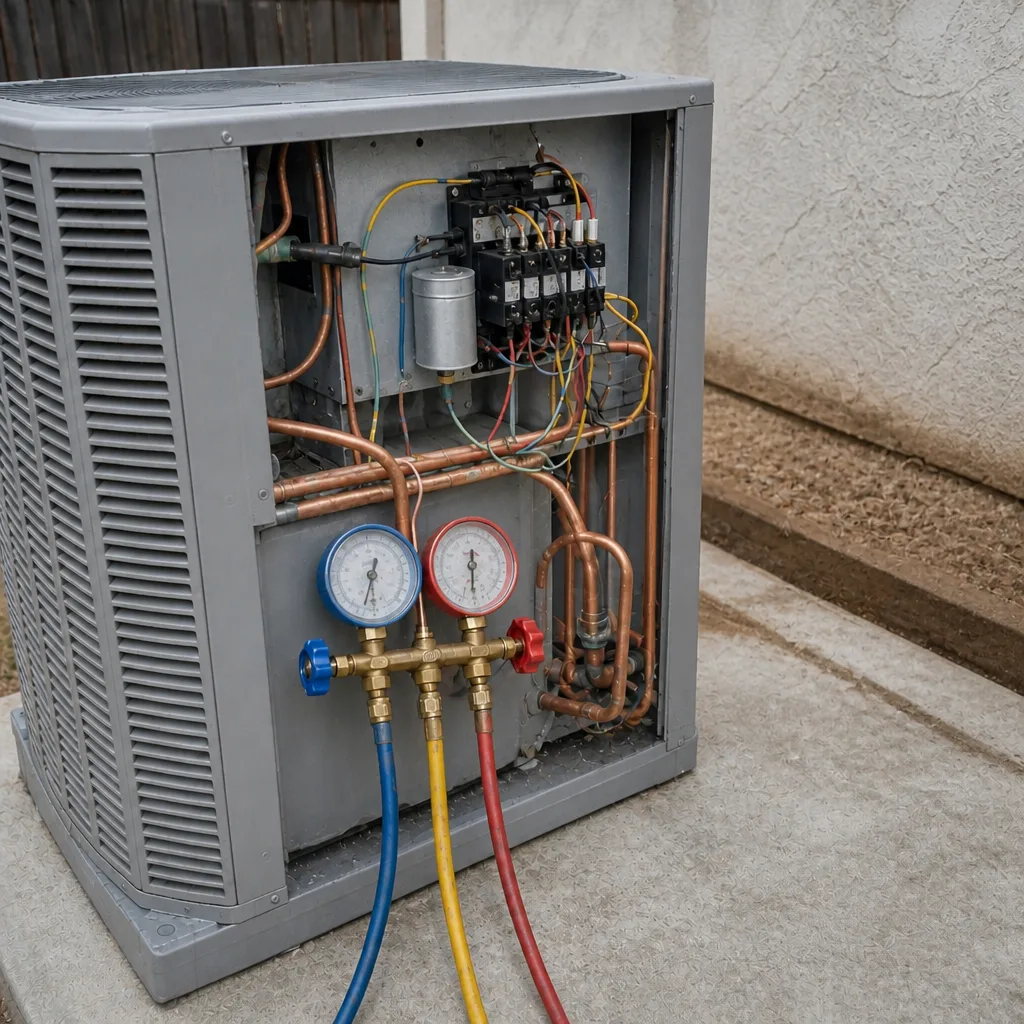
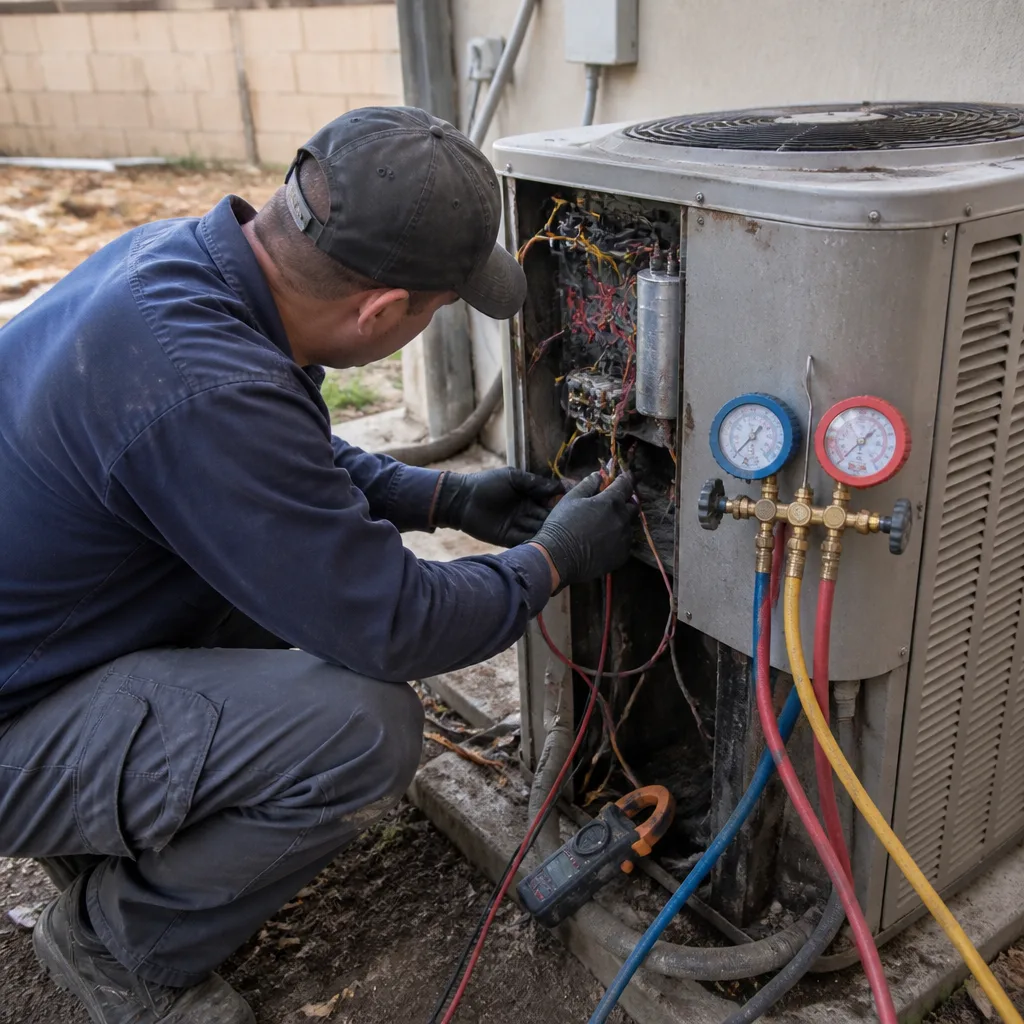
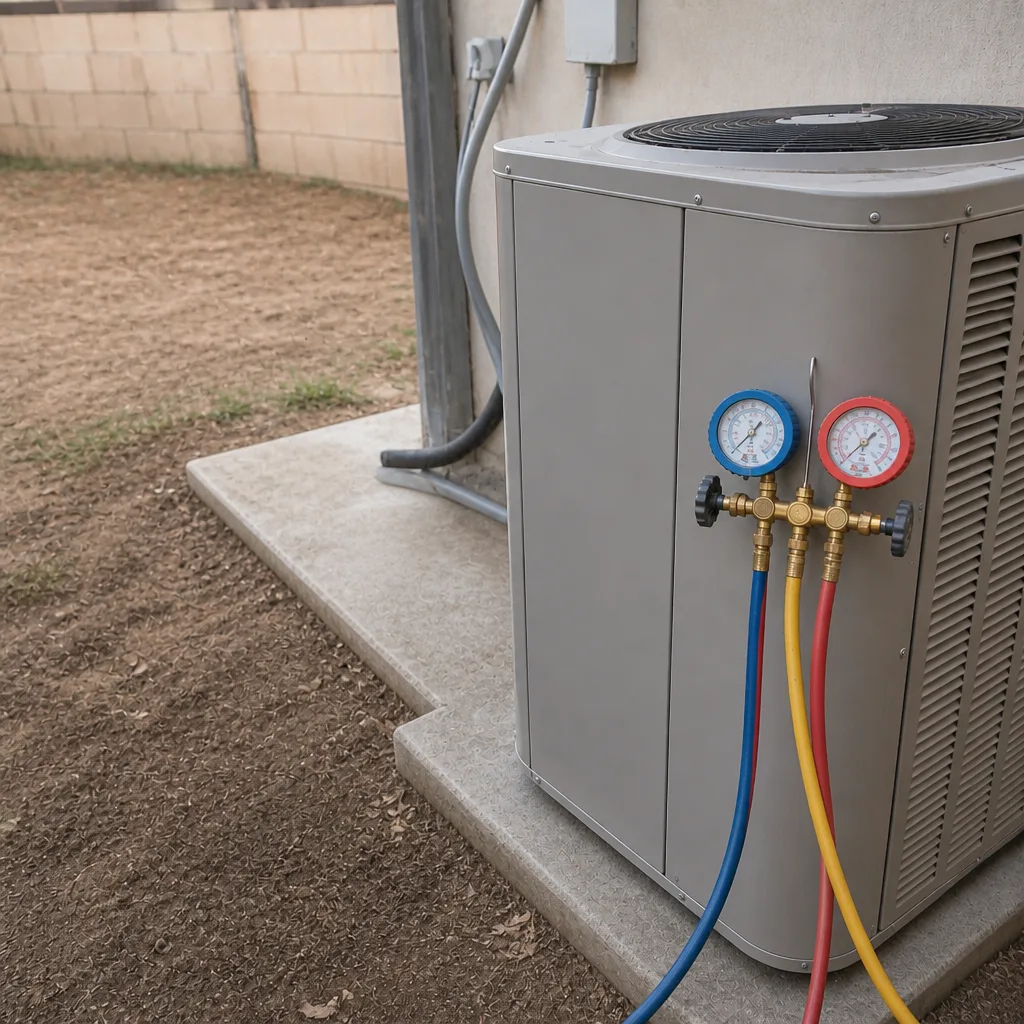
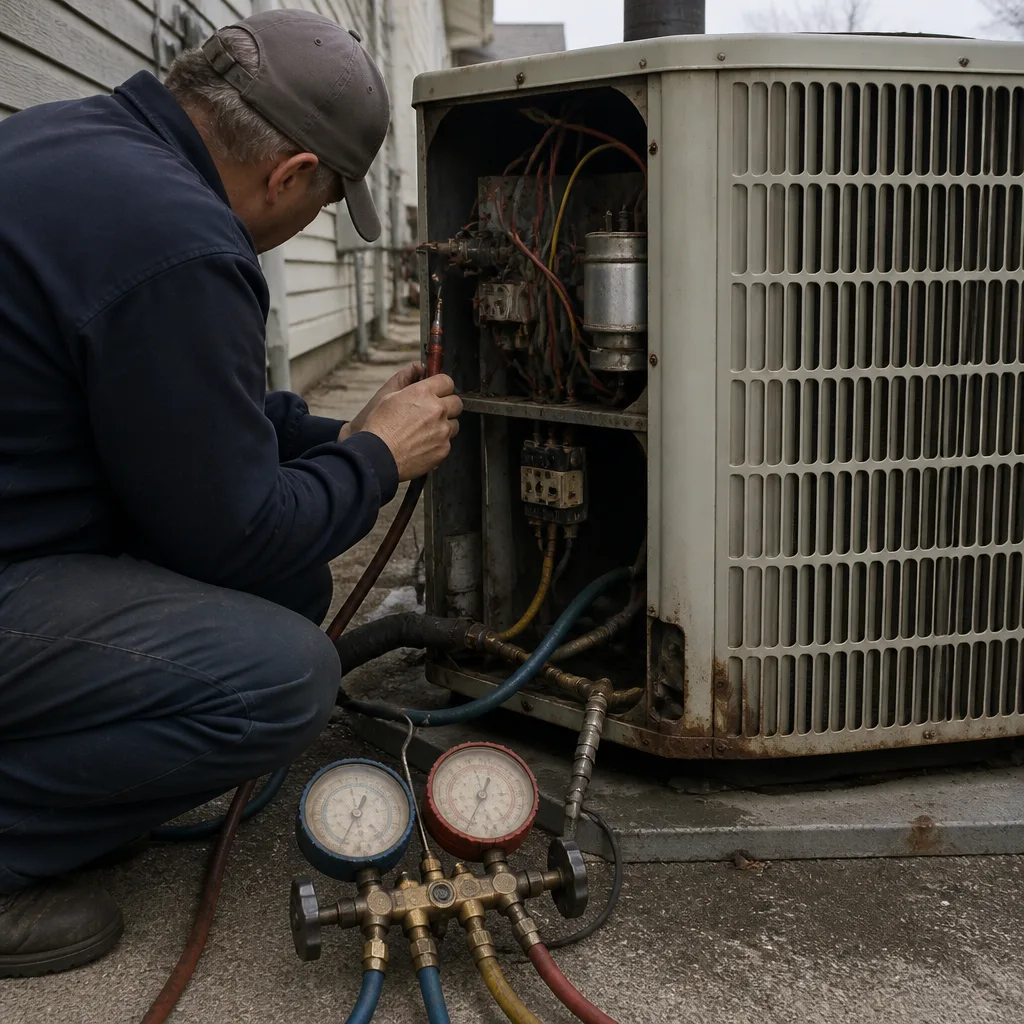
See the difference
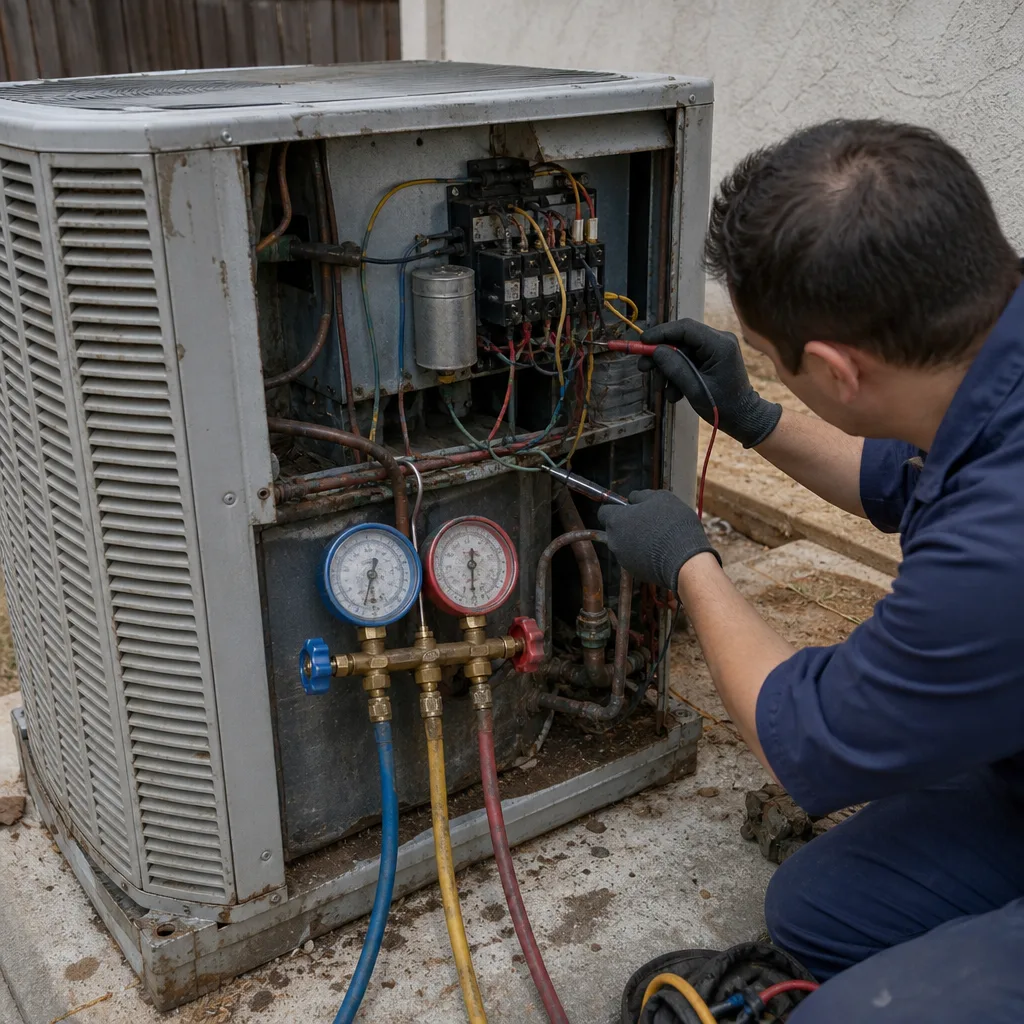 Before
 After
 Before
 After
 Before
 After
When to Call a Professional
Some things you can eyeball yourself. Others need someone who does this every day. Call us when the system short-cycles, when it runs nonstop and rooms still don’t cool, when you hear a hard start or a grinding fan, or when the outdoor unit ices up. Call when you smell burning near the air handler, when the furnace won’t light, or when your bill jumps without explanation. Call before you sign any quote you don’t fully understand, and definitely before someone sells you a compressor without testing the capacitor first. None of that is a DIY conversation. Ray’s Heating & Air Paradise offers free estimates in Paradise – call (855) 664-5714, and a live person answers, day or night.
Frequently Asked Questions
You need a load calculation. Matching the old unit only makes sense if the old unit was correctly sized to begin with, and that’s a big assumption in a house that’s had equipment swapped over the years. A room-by-room Manual J sized to Paradise’s elevation and your actual windows and insulation is the only way to know what tonnage your home truly needs.
Square footage alone doesn’t account for a Paradise attic hitting around 155°F and ductwork running through it. If your cool air is picking up heat before it reaches your rooms, a perfectly sized machine will still feel like it’s losing. The attic and duct condition often matter more than the tonnage on the box. Call (855) 664-5714 if you’d like us to walk through it with you.
It can be, and the deciding factor is your NV Energy rate tier behavior in peak summer. If your bills regularly ride a higher tier during July and August, the part-load efficiency of variable-speed equipment has more room to pay you back. If you barely touch the higher tier, the ROI is thinner and basic equipment may serve you fine. We’ll show you the readings and let you weigh it without a sales pitch.
Ask to see a room-by-room report with design temperatures that reflect Paradise, and ask whether you can keep a copy. An eyeball quote gives you a tonnage and no supporting calculation. A real Manual J gives you detail you can read. If someone hesitates or can’t explain what they ran, that tells you plenty.
Caliche resists digging, and a pad thrown on uncompacted ground will heave and shift over time. An off-level condenser works the compressor harder and stresses refrigerant lines, which shortens the unit’s life. A properly compacted, level pad with clearance on all sides and enough height to let runoff and debris pass is what that unit needs.
The 90-Day Done Right Promise covers the heating and cooling job we did, and it’s in writing on every one of them. If something isn’t right, one call brings Ray back to make it right, no hassle. Combined with permits pulled and inspections passed, you have a documented record with a published name and license number behind it. Reach us at (855) 664-5714 and we’ll walk you through exactly what’s covered before any work begins.
The Bottom Line
Paradise is its own place, and your system should be sized and installed for it. A real load calculation, a properly placed outdoor unit on compacted ground, honest rate-tier math, and attic ductwork that doesn’t leak into 155°F heat are the four things that separate a comfortable home from an expensive headache. Get the paperwork in writing: permits, inspection sign-off, the Manual J, and a promise with a name and license behind it. When you get that right, the equipment earns its keep. And when something goes sideways, you want a live person and a verifiable name on the other end.
If you’re in Paradise and want a straight answer on your system, call Ray’s Heating & Air Paradise at (855) 664-5714 for a free estimate. We’ll show you the readings, give you the numbers, and tell you the truth about what your home actually needs.
Written by the team at Ray’s Heating & Air Paradise.