
Last updated November 18, 2026
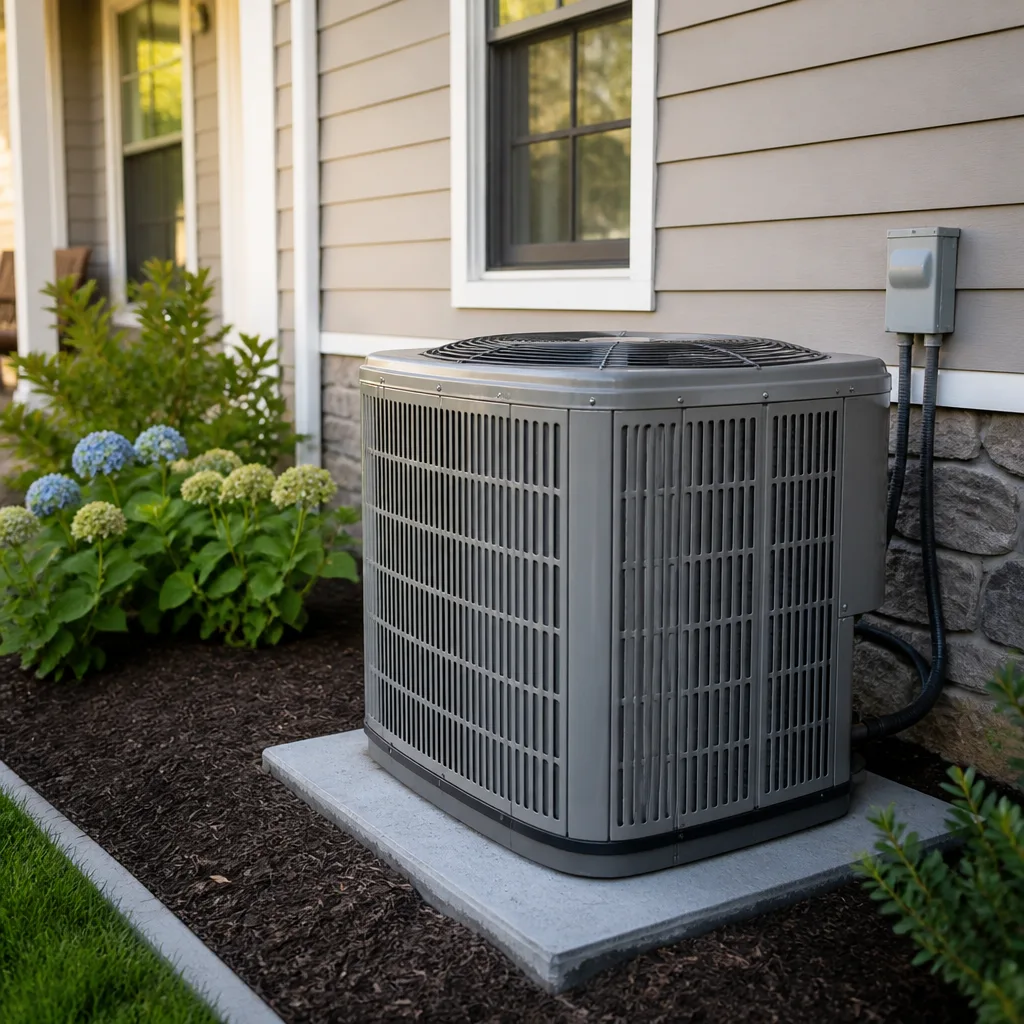 AC repair
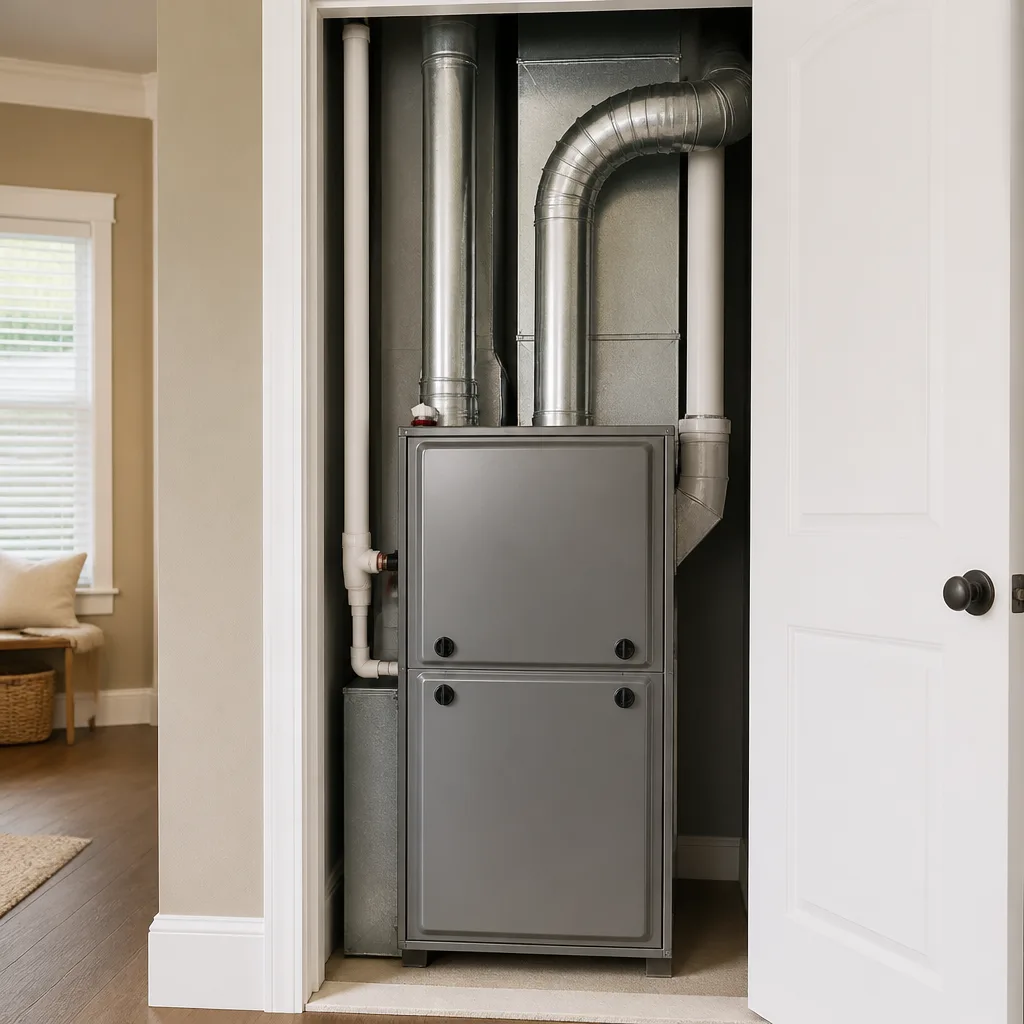 Furnace & heating
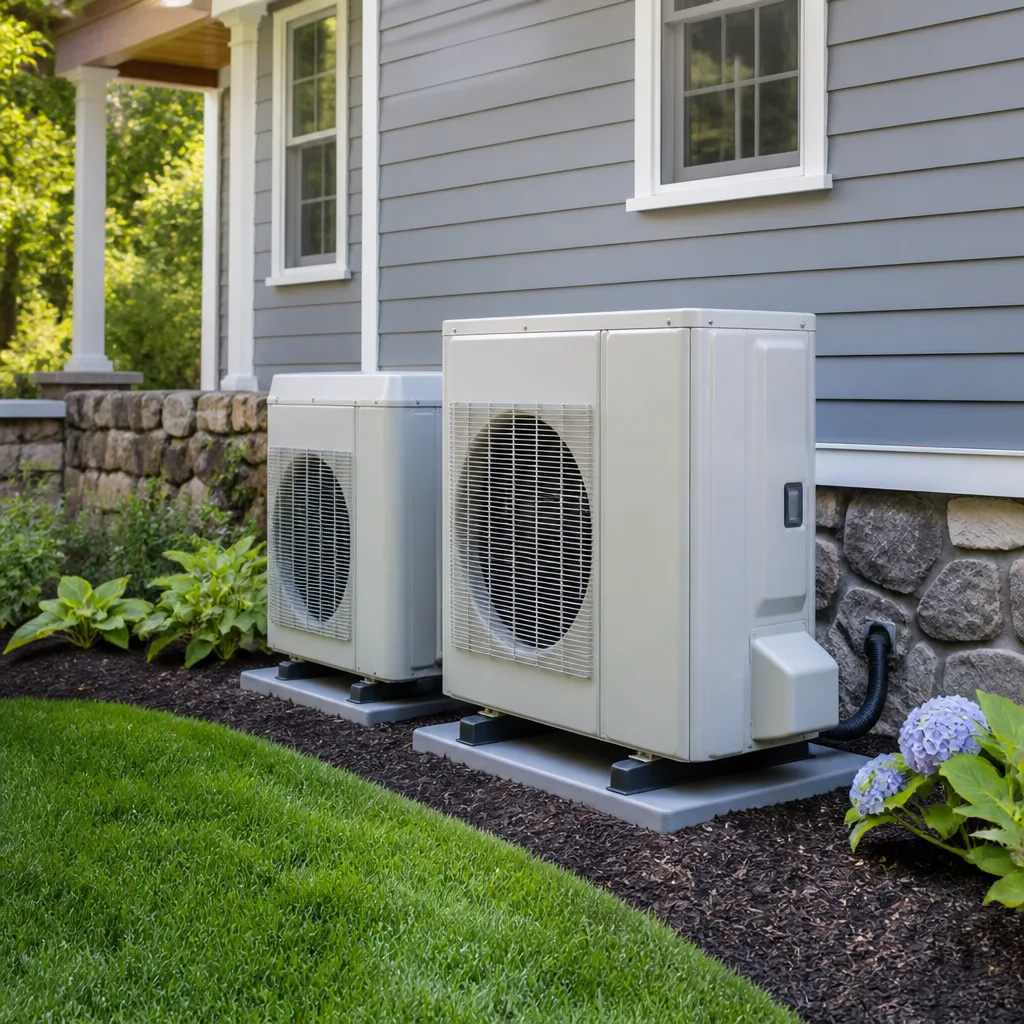 Heat pumps
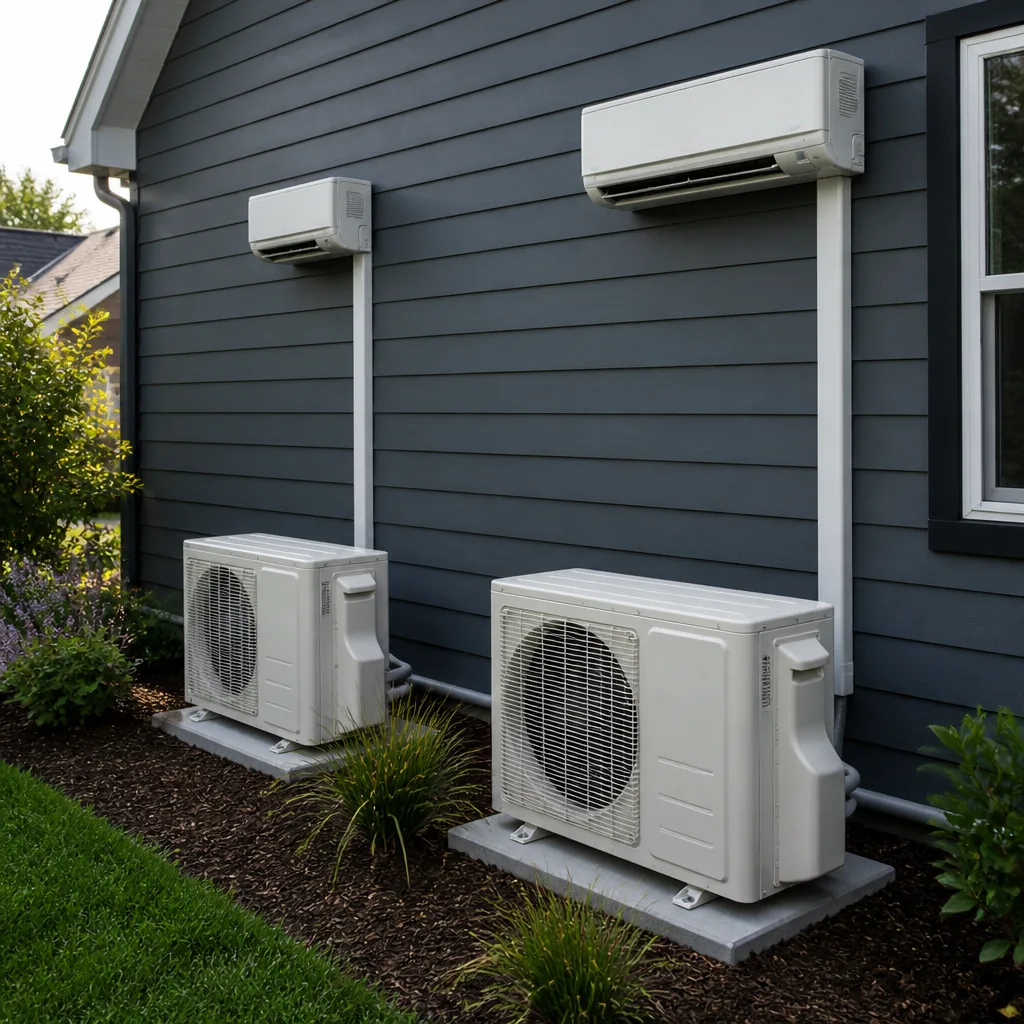 Ductless mini splits
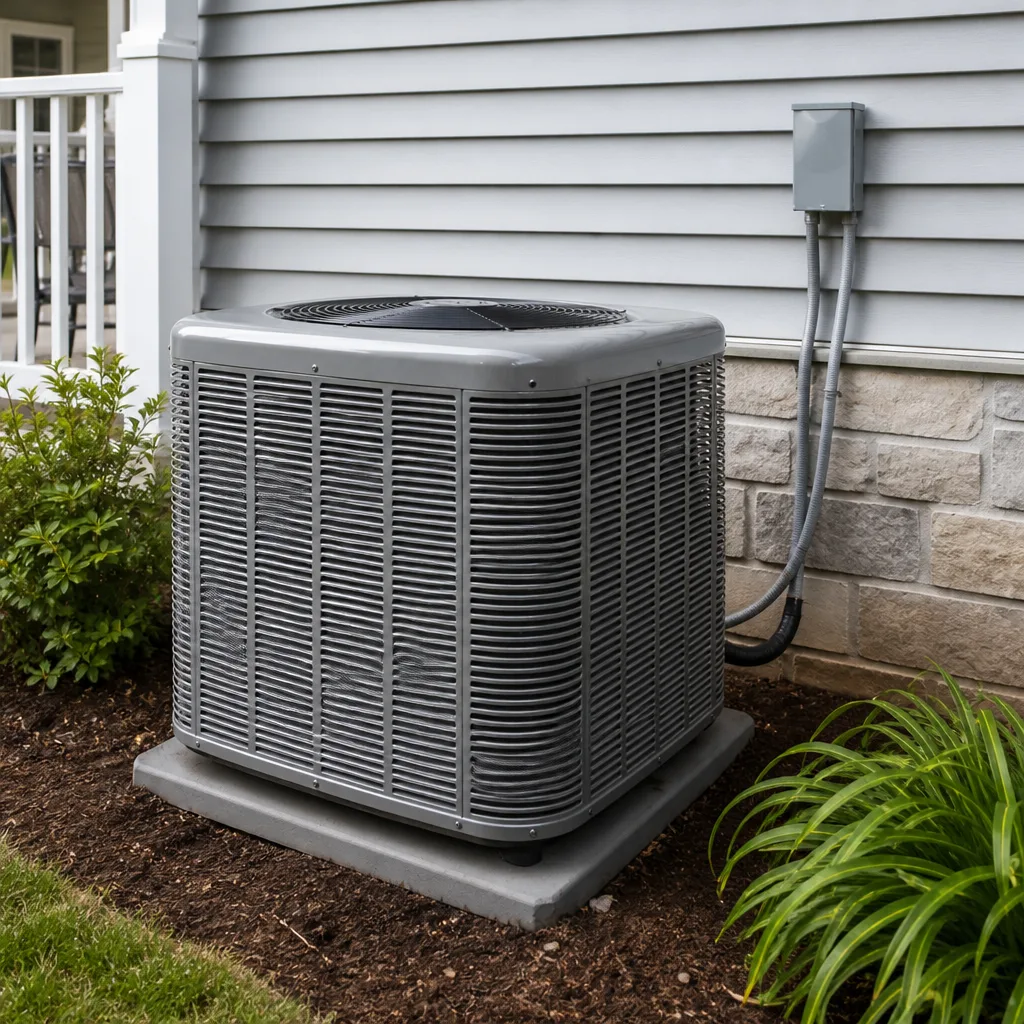 Carrier
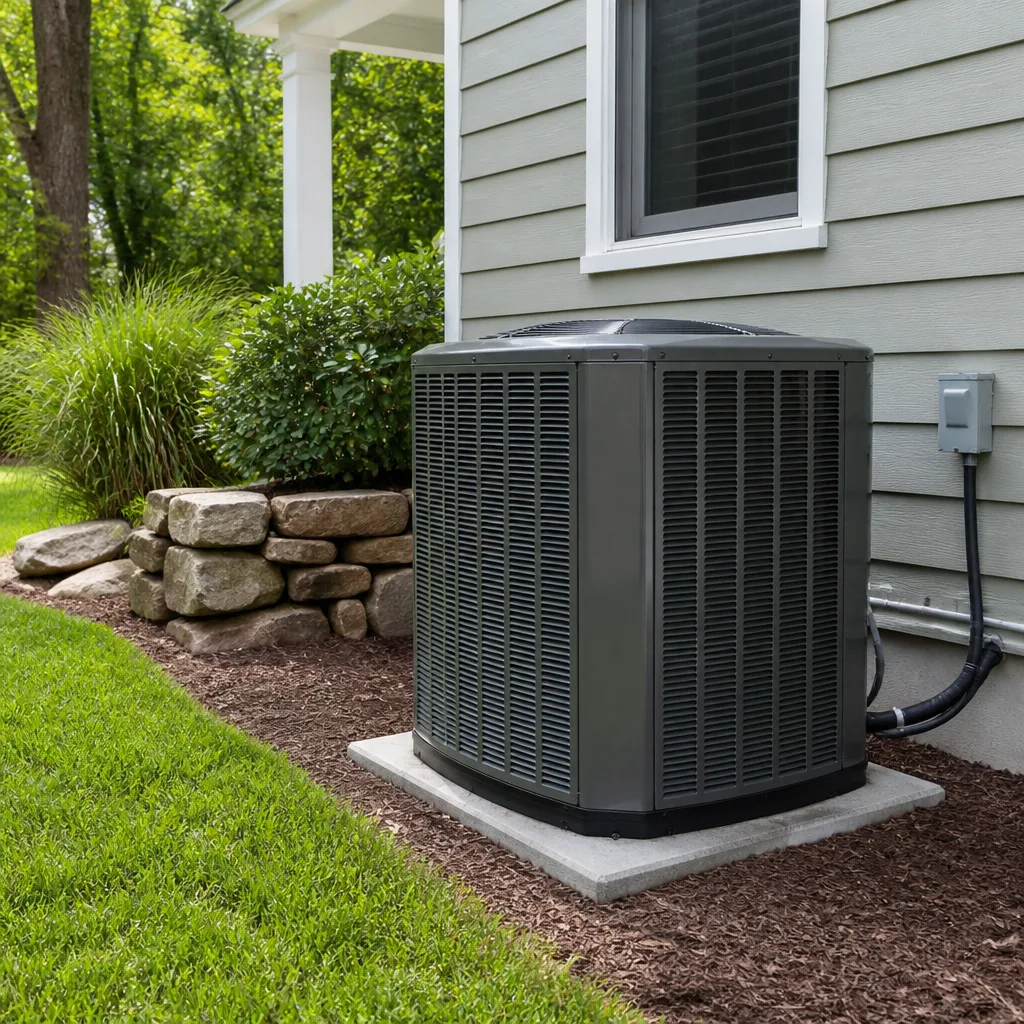 Trane
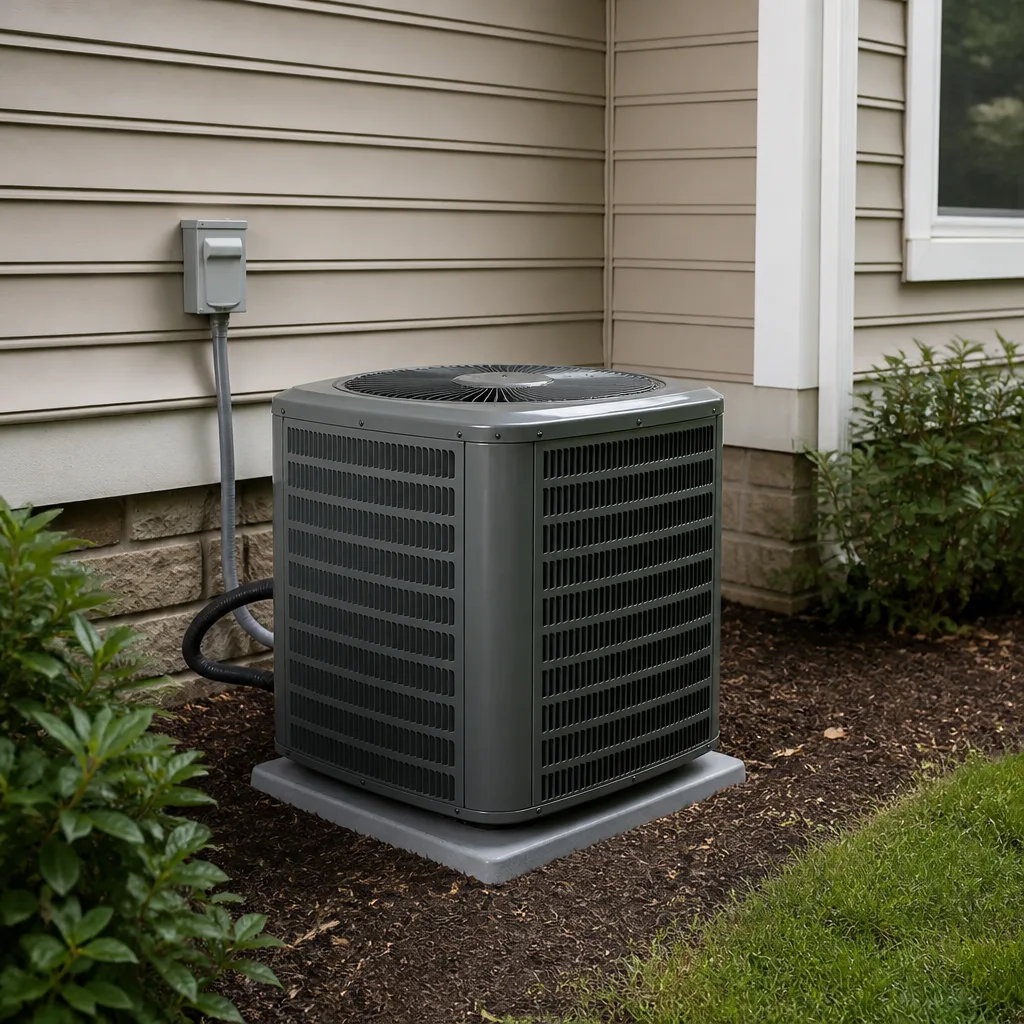 Goodman
Seasonal tune-up and full diagnostic on your Carrier, Trane, or Goodman system - readings shown to you before any repair is proposed
Diagnosis first, numbers second - you approve the repair price before a single part goes in.
Get your free estimateAC Repair & Installation Maintenance Checklist for Paradise Homeowners
Here’s the part that surprises people: the number one maintenance task most Paradise homeowners skip isn’t the filter. It’s cleaning the condenser coils on the outside unit. After one summer of Mojave dust blowing through the valley, those fins get caked enough to drop efficiency by 30 percent. That’s not a warning we read somewhere. It’s what we pull off units every spring in Paradise. The filter matters, but it’s not the whole story, and “change it every 90 days” advice will land you a repair bill instead of a healthy system. What follows is built around the failure points we actually see in Paradise houses, in the order they tend to fail.
Quick Answer
A solid AC maintenance checklist for a Paradise home means cleaning the outdoor condenser coils at least twice a season, changing the filter every 30 to 60 days during heavy use, and logging your temperature split and runtime so you have real data when something drifts. Because Paradise summers push 105°F with fine desert dust, standard 90-day filter advice is too slow here. The sections below walk through the month-by-month task list, the coil-cleaning sequence, and which jobs you should never touch yourself.
Table of Contents
- Why Paradise AC Systems Work Harder Than Almost Anywhere Else
- The Month-by-Month Maintenance Calendar for Paradise
- The 20-Minute Condenser Coil Cleaning Sequence
- What to Check on Your Refrigerant Lines Before You Call Anyone
- How to Log Your System’s Performance Like a Pro
- Which Tasks Are Homeowner Territory and Which Void Your Warranty
- Common Mistakes to Avoid
- When to Call a Professional
Why Paradise AC Systems Work Harder Than Almost Anywhere Else
Paradise sits in a bowl of desert that bakes from May through September. Afternoon highs regularly cross 105°F, and the overnight low sometimes barely dips below 85°F. That matters because an air conditioner sheds heat into outdoor air. When the outdoor air is 105°F, the system has to work far harder to reject the same heat load than it would on a 90°F day in a milder climate. Compressors run longer cycles, pull more amps, and wear faster.
Then there’s the dust. Fine Mojave grit rides the spring winds and settles into every exposed surface, including the fins on your outdoor condenser. That dust doesn’t just sit there. It packs into the coil, insulates the metal, and forces the fan to run longer to move the same heat. Within one season, a dirty coil can cut your system’s efficiency by roughly a third.
Homes in the older parts of Paradise and out toward the rural edges also tend to have less shade and more sun exposure on the equipment pad. A unit in full afternoon sun runs hotter than one tucked against a north wall. If your outdoor unit sits on the west or south side of the house, your maintenance schedule needs to be more aggressive, not less.
None of this is meant to scare you. It’s just the reality of keeping a system healthy here. If you want the full picture of what repair and install work looks like in this climate, our AC repair and installation service in Paradise covers the specifics. For now, the checklist below is built around these conditions.
The Month-by-Month Maintenance Calendar for Paradise
A generic four-season template doesn’t fit Paradise. We don’t have a mild spring warm-up followed by a slow summer. We go from cool nights to full heat fast, and the shoulder months are when the real prep work happens. Here’s the calendar we recommend to homeowners in Paradise.
- March: Before the first hot stretch, rinse the condenser coils, clear debris from around the pad, and check that the disconnect box is intact. This is your single most important prep step.
- April: Replace the filter, inspect the condensate drain line for clogs, and test the system on a mild day to catch problems before they become emergencies.
- May: Do a full performance log (temperature split, runtime, amp draw if you have a meter). Note the numbers. This becomes your baseline.
- June through August: Check the filter every 30 days. Rinse coils again in July if you’re in a dusty area or near an open lot. Watch your utility bill for unexplained jumps.
- September: Second coil rinse as the dust season winds down. Check the drain pan for standing water and clean it out.
- October: Log performance again and compare it to your May baseline. A widening gap means it’s time for a professional look.
- November through February: This is heating season in Paradise. Have the furnace or heat pump checked before the first cold snap. If you run a heat pump year-round, keep the outdoor unit clear of leaves and debris.
That last point matters more than people think. A heat pump that ran all summer and then flips to heating mode in November is doing double duty. If you want to understand how that equipment differs from a straight AC, our guide to heat pump and mini-split service in Paradise breaks it down. The short version: heat pumps need the same coil attention in both seasons.
The 20-Minute Condenser Coil Cleaning Sequence
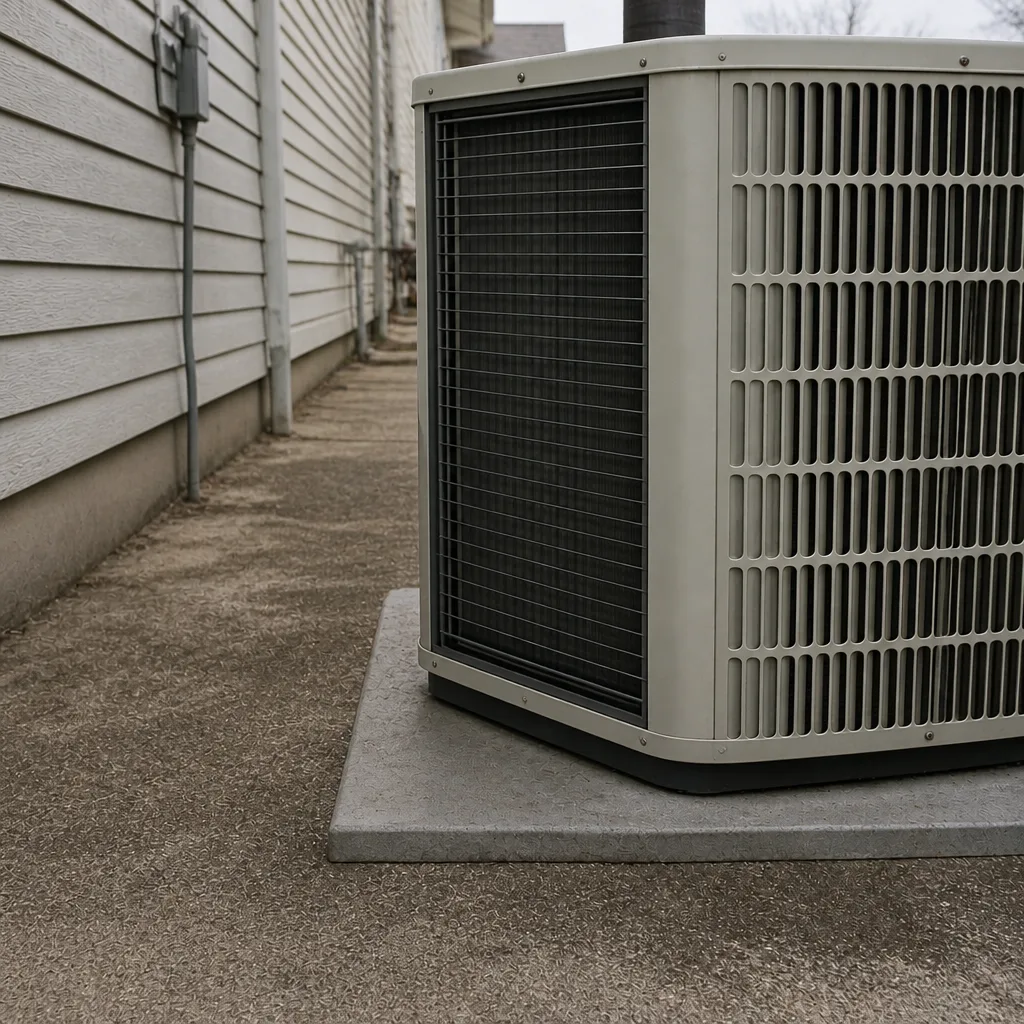
This is the task that separates a healthy system from an expensive repair. Cleaning the outdoor condenser coils takes about 20 minutes and measurably extends compressor life. We’ve watched units in Paradise go years longer than they should simply because someone rinsed the coils twice a year. Here’s the sequence, in order.
- Kill the power at the disconnect. The disconnect box is usually mounted on the wall near the outdoor unit. Pull the handle or flip the breaker. Don’t skip this step, and don’t rely on the thermostat alone.
- Clear the area. Pull weeds, move stored items, and clear at least two feet of space around the unit. Airflow is the whole game.
- Remove the top grille or fan guard if your unit allows it without tools. On most Goodman and Rheem units, a few screws hold the guard. Set them somewhere you won’t lose them.
- Rinse the fins from the inside out. Use a garden hose on a gentle spray, not a pressure washer. Spray from inside the coil outward so you push dirt out rather than driving it deeper. Work top to bottom.
- Straighten bent fins with a fin comb if you have one. Bent fins block airflow just like dirt does.
- Reassemble and restore power. Let the unit sit for a few minutes, then run it and confirm the fan spins freely and the air coming off the top feels warm.
If the coil is heavily packed with dust and grease, a coil cleaner helps, but follow the label and rinse thoroughly. And if you’re not comfortable pulling the guard or working near the electrical disconnect, that’s a job for the person at your door. There’s no shame in it. The point is that it gets done, twice a season, every season.
What to Check on Your Refrigerant Lines Before You Call Anyone
You don’t need gauges to spot signs of trouble on your refrigerant lines. There are things you can see with your own eyes that tell you whether you’re looking at a minor fix or a major one. Knowing the difference saves you from panicking on the phone and helps you ask better questions when you do call.
- Look at the insulation on the lineset. The larger copper line should be wrapped in foam insulation from the outdoor unit to where it enters the house. If that foam is cracked, missing, or crumbling, the line sweats and loses efficiency. That’s a relatively minor fix, usually just re-wrapping.
- Check for ice on the lines or the indoor coil. Ice on the large line or a frosted indoor coil often means low refrigerant or restricted airflow, not necessarily a catastrophic leak. It’s a signal to stop running the system and get it looked at.
- Look for oil residue at the connections. A greasy, oily film near a flare fitting or valve can indicate a slow refrigerant leak. That’s a sign it’s time for a professional, because refrigerant work requires a license and the right equipment.
- Feel the air at the outdoor unit. The air blowing off the top should feel noticeably warmer than the outdoor air. If it feels cool or barely warm, the system isn’t moving heat the way it should.
If you have a York or Daikin system with a variable-speed compressor, some of these signs show up differently, and the diagnostics get more involved. In our experience, the insulation and ice checks catch most of the early warnings. Everything past that is genuinely a technician’s job.
How to Log Your System’s Performance Like a Pro
When something goes wrong, the homeowner who has real data gets a faster, more accurate diagnosis than the one who says “it just doesn’t feel cold.” Data turns a vague complaint into a specific problem. You don’t need special tools to log your system’s performance. You need a thermometer, your utility bill, and about five minutes a month.
Temperature split is the first number to track. Measure the air temperature at a supply register (the air coming out of a vent) and at the return grille (the air going in). The difference is your split. A healthy system in Paradise typically shows a split of around 15 to 20 degrees. If that number drops, the system is losing capacity, and you’ll want to know why before the compressor suffers.
Runtime is the second number. On a 100°F day, a properly sized system might run most of the afternoon. What you’re watching for is a change in pattern. If the system that used to cycle off in the evening now runs straight through the night, that’s a signal.
Utility bill is the third. Track your kilowatt usage, not just the dollar amount, since rates change. A steady climb with no change in habits usually points to a system working harder than it should.
Write these three numbers down once a month through the season. Keep them somewhere you’ll find them, like the front of the fridge. When you call us, you’ll have a real history to share, and readings first, numbers second is how we work anyway. You’ll see both before any work begins.
Which Tasks Are Homeowner Territory and Which Void Your Warranty
Not every item on a checklist is yours to handle. Some of them are genuinely homeowner territory, and some will void your warranty or put you in danger if you attempt them. Knowing the line keeps your coverage intact and keeps you safe.
Homeowner territory
- Changing the air filter. This is the most common task and the one you can do in two minutes.
- Rinsing the outdoor condenser coils with a garden hose (power off at the disconnect). Low risk, high reward.
- Clearing debris and vegetation from around the outdoor unit.
- Checking and cleaning the condensate drain line and pan.
- Logging temperature split, runtime, and utility usage.
- Visually inspecting the lineset insulation and looking for ice or oil residue.
Professional territory (and warranty territory)
- Anything involving refrigerant. Handling refrigerant requires a license, and opening a sealed system on your own can void your manufacturer warranty. This is not a DIY job, period.
- Electrical components inside the unit. Capacitors, contactors, and compressors. These hold a charge and can injure you. Capacitor testing in particular is best left to someone who does it every day.
- Gas furnace work. If you have a gas furnace, any work on the burners, gas valve, or flue is off-limits. Gas is not a homeowner project.
- Compressor or major component replacement. This is where warranties live, and a mistake here can be costly.
Here’s the practical rule: if the task requires opening a panel, touching a wire, or handling refrigerant, it’s a professional job. If it requires a hose or a clean filter, it’s yours. For anything on the heating side, our heating and furnace service in Paradise covers what needs a trained eye and what doesn’t.
Common Mistakes to Avoid
- Waiting for the first 105°F day to turn the system on. By then you’re competing with everyone else in Paradise for service. Test it on a mild April day and catch problems early.
- Using a pressure washer on the condenser coils. High pressure bends the fins flat and drives dirt deeper into the coil. A garden hose on a gentle spray is all you need.
- Changing the filter every 90 days because that’s what the package says. In Paradise dust, 30 to 60 days is more realistic during heavy run months. The 90-day advice is written for a milder climate.
- Ignoring a rising utility bill. A slow efficiency decline is easy to miss because it happens gradually. Track your usage and compare it month to month.
- Letting vegetation grow around the outdoor unit. A few weeds turn into a full-grown bush that chokes airflow. Keep two feet clear.
- Trying to add refrigerant yourself. Beyond the license issue, guessing at charge levels does real damage to the compressor. Refrigerant work belongs to a trained professional.
- Calling a national outfit sight unseen and taking the first phone quote. In small-town Paradise, a name you can verify and a face you’ll see again at the hardware store is worth more than a quick phone price.
When to Call a Professional
Some problems announce themselves. Call a professional if your system stops cooling entirely, if you see ice on the indoor coil or the lines, if you smell gas near a furnace, if you hear grinding or screeching from the outdoor unit, or if the breaker trips repeatedly. Those are not checklist items. They’re calls. If you’ve logged your temperature split and watched it fall from 18 degrees to 8 over a month, that’s also a call, even if the system still runs.
There’s one more scenario worth naming. If your system has that age on it and it’s limped through several Paradise summers with rising bills and shrinking temperature split, it may be time to have the repair-or-replace conversation honestly. That’s where a written second opinion on any estimate matters. Ray’s Heating & Air Paradise offers free estimates and a standing free second opinion on any written estimate, and inside the county there’s no trip charge. Call (855) 664-5714 and you’ll get a live person, not a voicemail maze.
Frequently Asked Questions
Twice a season is the right rhythm in Paradise: once in March before the heat arrives and once in mid-summer if you’re in a dusty area or near open ground. After one summer of Mojave dust, the fins get caked enough to drop efficiency by around 30 percent, so a single annual rinse usually isn’t enough here. Call (855) 664-5714 if you’d rather have it handled as part of a professional check.
No, not in Paradise. The 90-day advice is written for a milder climate with less airborne dust. Here, every 30 to 60 days during heavy run months is more realistic, and more often if you have pets or live near an open lot. A clogged filter restricts airflow, which strains the blower and the compressor.
No. Handling refrigerant requires a license, and opening a sealed system on your own can void your manufacturer warranty. If you see ice on the lines or oil residue at a fitting, that’s a sign to call a professional, not to open the system. Call (855) 664-5714 for a diagnostic.
Around 15 to 20 degrees between the air going into the return and the air coming out of a supply register. If you measure it monthly and it starts to drop, the system is losing capacity. That’s your cue to have it looked at before the compressor pays the price.
Yes. A caked coil insulates the metal and forces the fan and compressor to run longer to move the same heat. Over a season, that shortened cycle life shows up as a repair bill. It’s the single most-skipped maintenance task in Paradise and the one that pays back fastest.
Yes. We service all major brands, including Goodman, Rheem, York, and Daikin, along with Carrier, Trane, Lennox, Bryant, and American Standard. Upfront pricing means you’ll see the readings and the numbers before any work begins. Call (855) 664-5714 for an exact quote, and estimates are free.
The Bottom Line
The healthiest AC in Paradise isn’t the newest or the most expensive. It’s the one whose owner cleans the coils twice a season, changes the filter every 30 to 60 days, and keeps a monthly log of temperature split, runtime, and utility usage. Those three habits catch most problems before they turn into repair bills. Leave refrigerant, electrical internals, and gas work to a professional, and don’t wait for the first 105°F day to find out something’s wrong. The Ray’s Heating & Air Paradise home page has the full picture of what we do and how we work. If you’d rather have the checklist handled by someone who knows these systems, call (855) 664-5714 for a free estimate. Readings first, numbers second, and you’ll see both before any work begins.
Written by the team at Ray’s Heating & Air Paradise.
Styles & brands we work with
- AC repair
- Furnace & heating
- Heat pumps
- Ductless mini splits
- Carrier
- Trane
- Goodman
See the difference
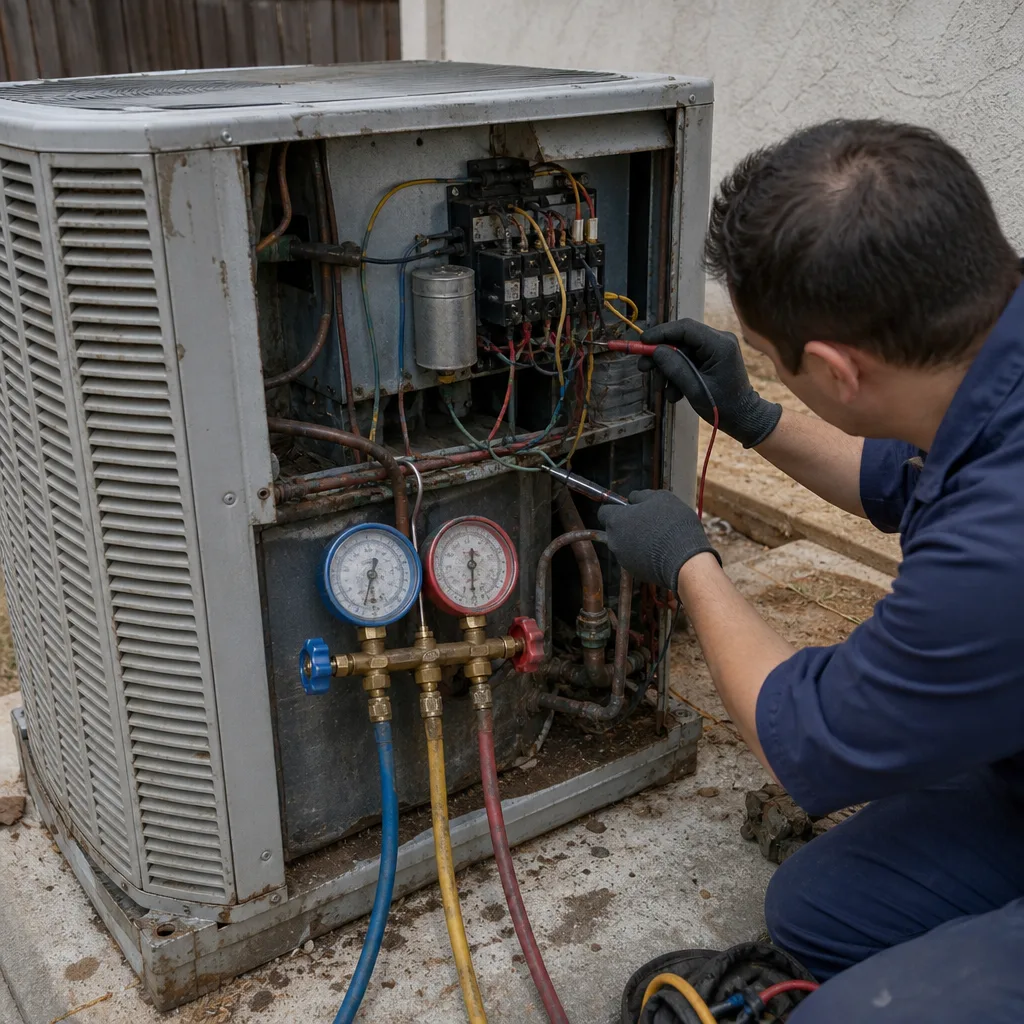 Before
 After
 Before
 After
 Before
 After