
Last updated November 18, 2026
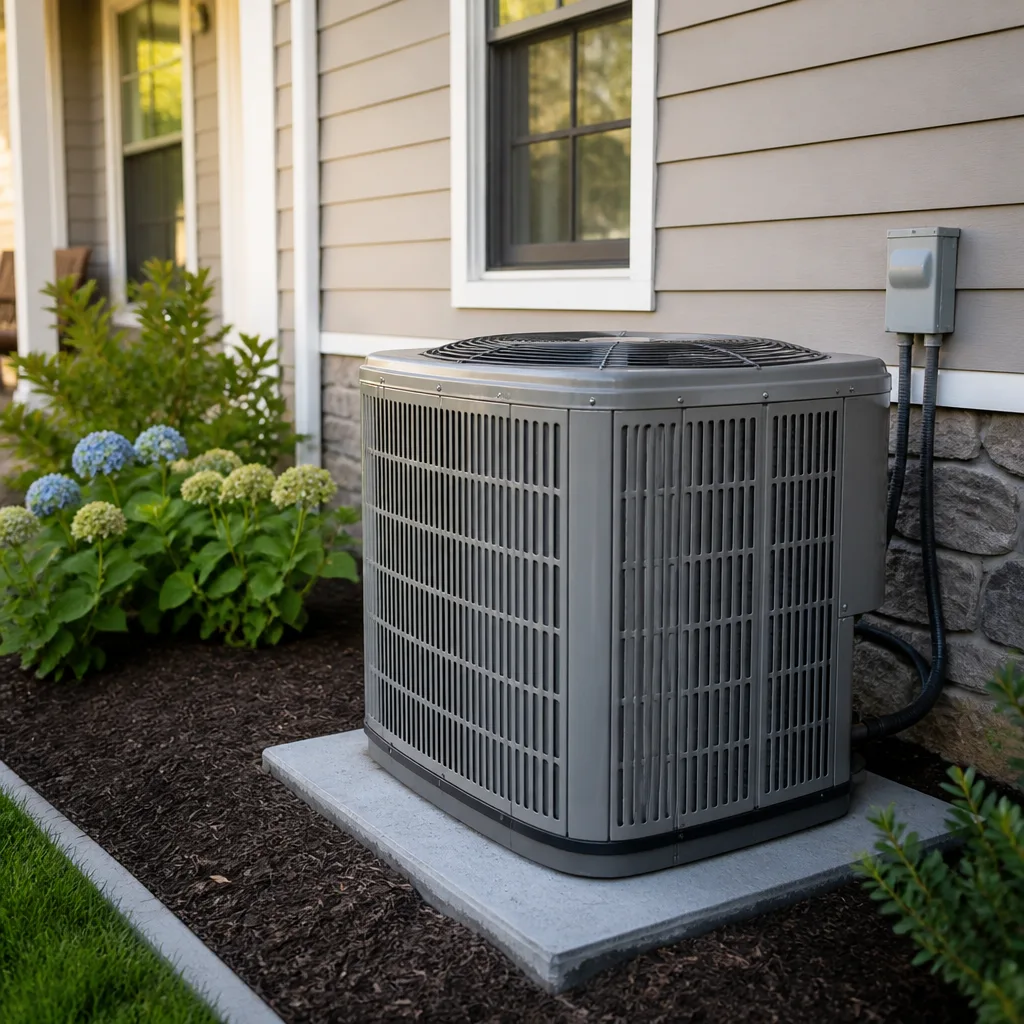 AC repair
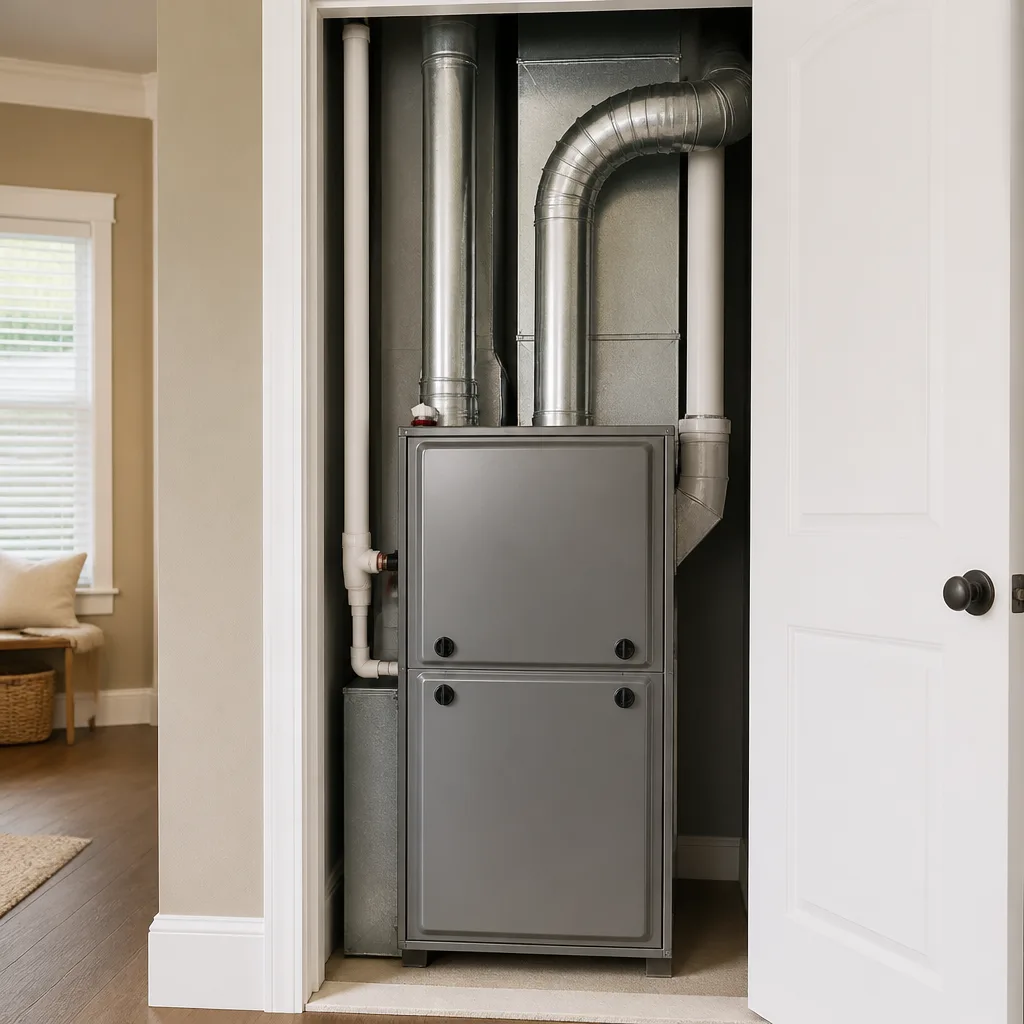 Furnace & heating
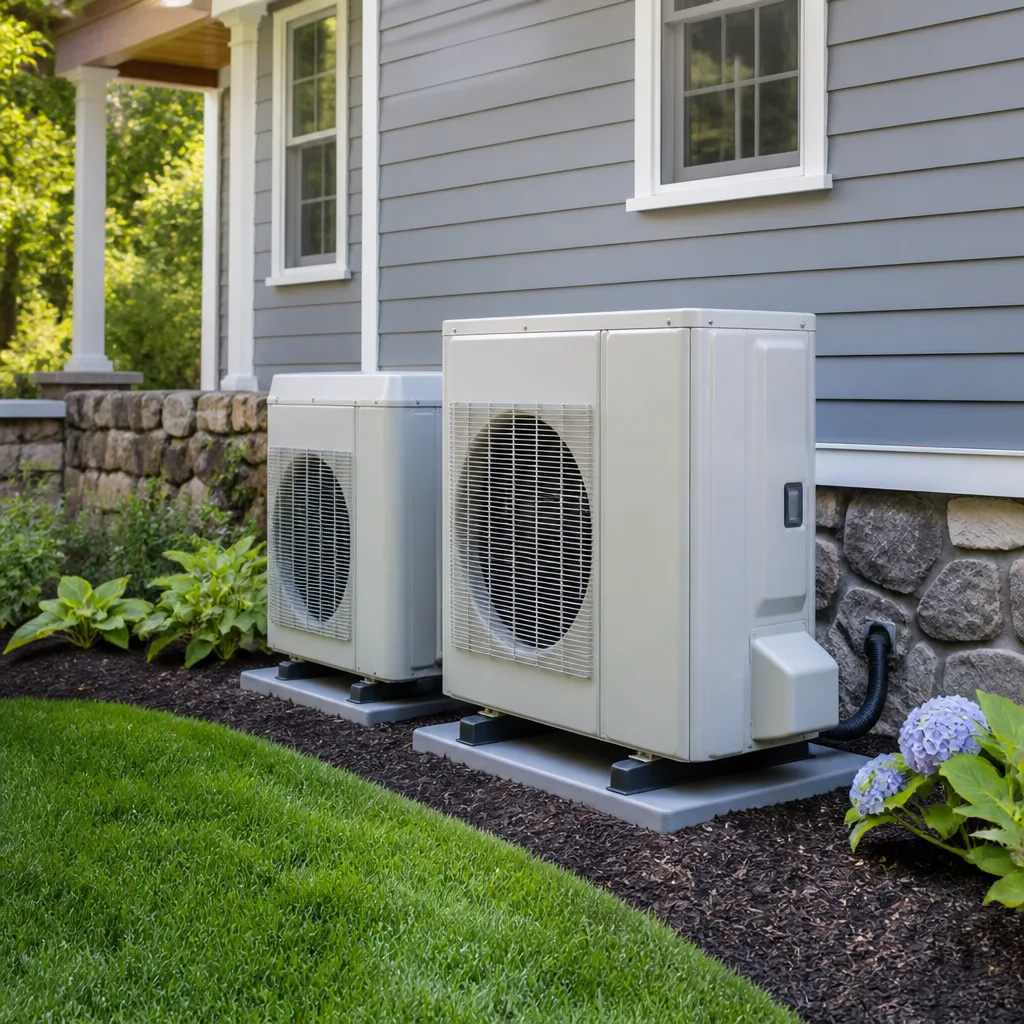 Heat pumps
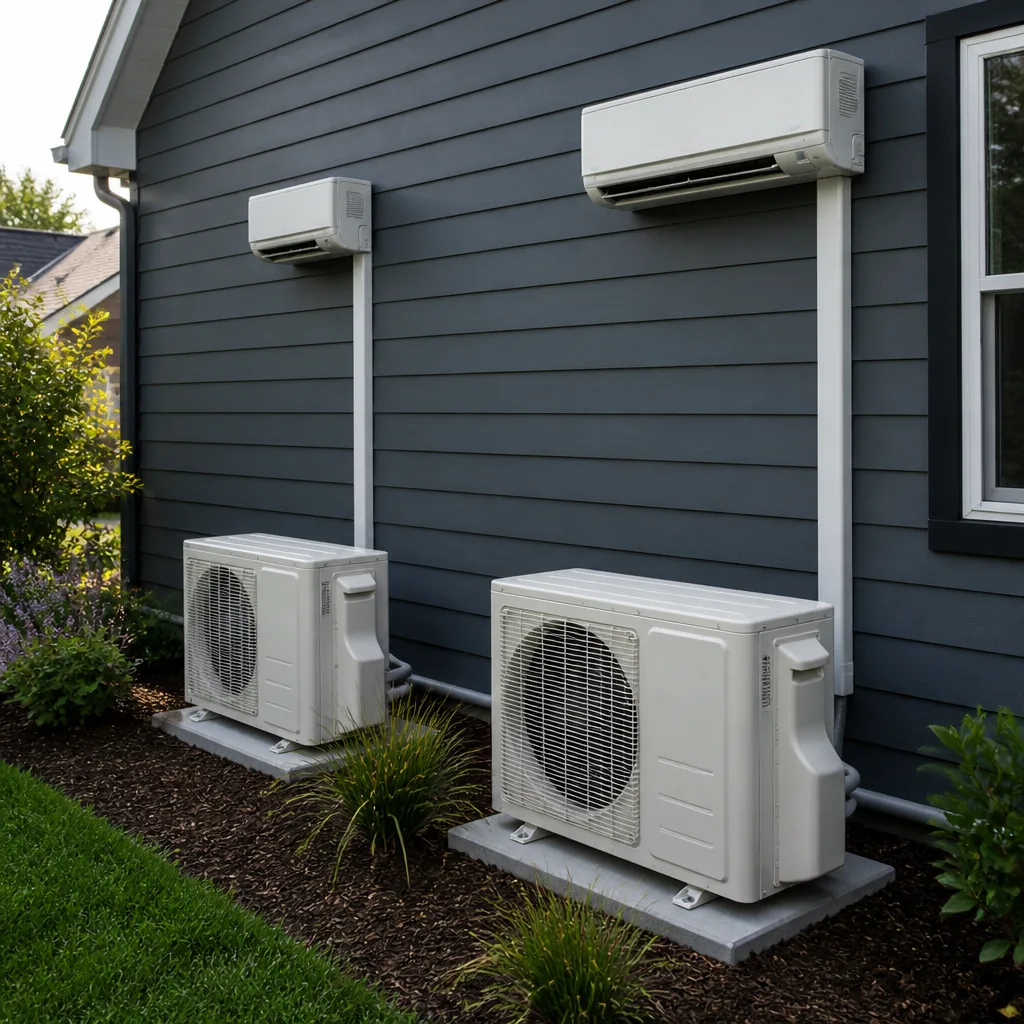 Ductless mini splits
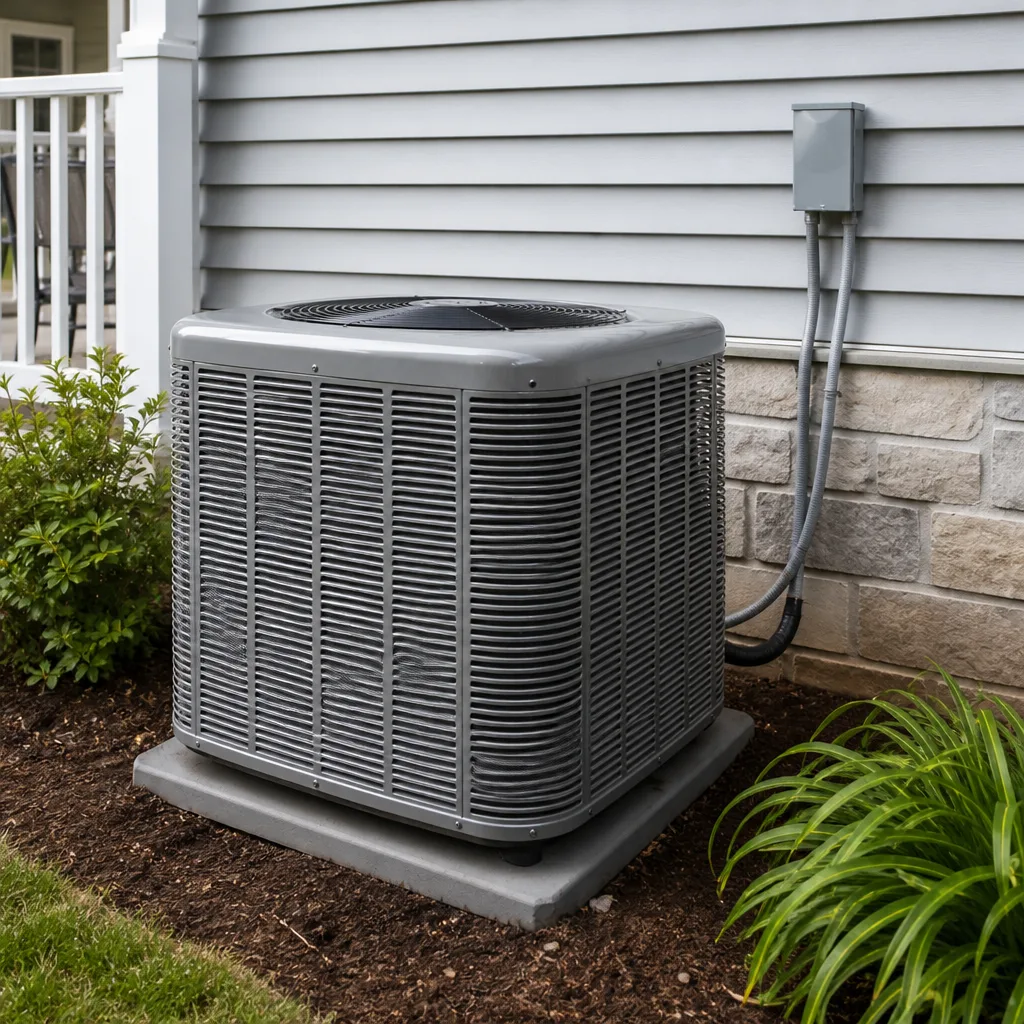 Carrier
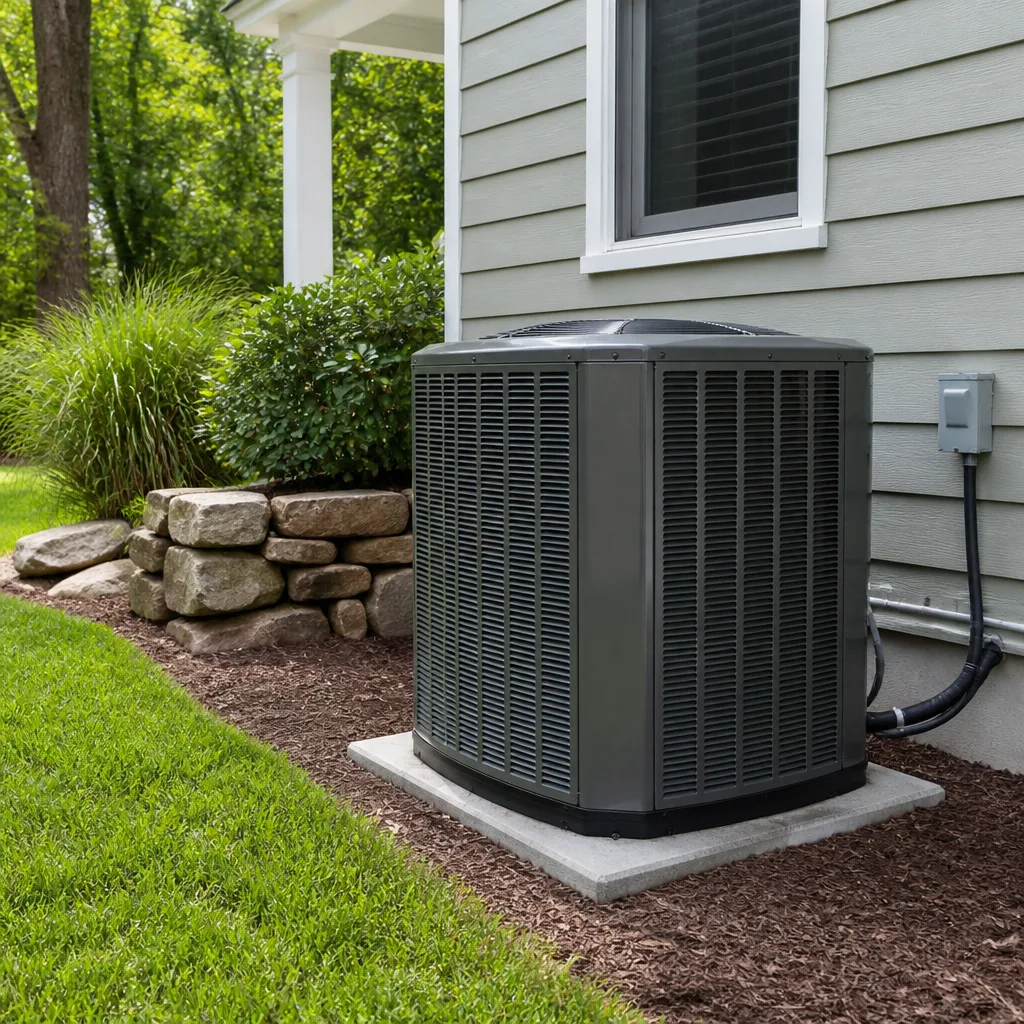 Trane
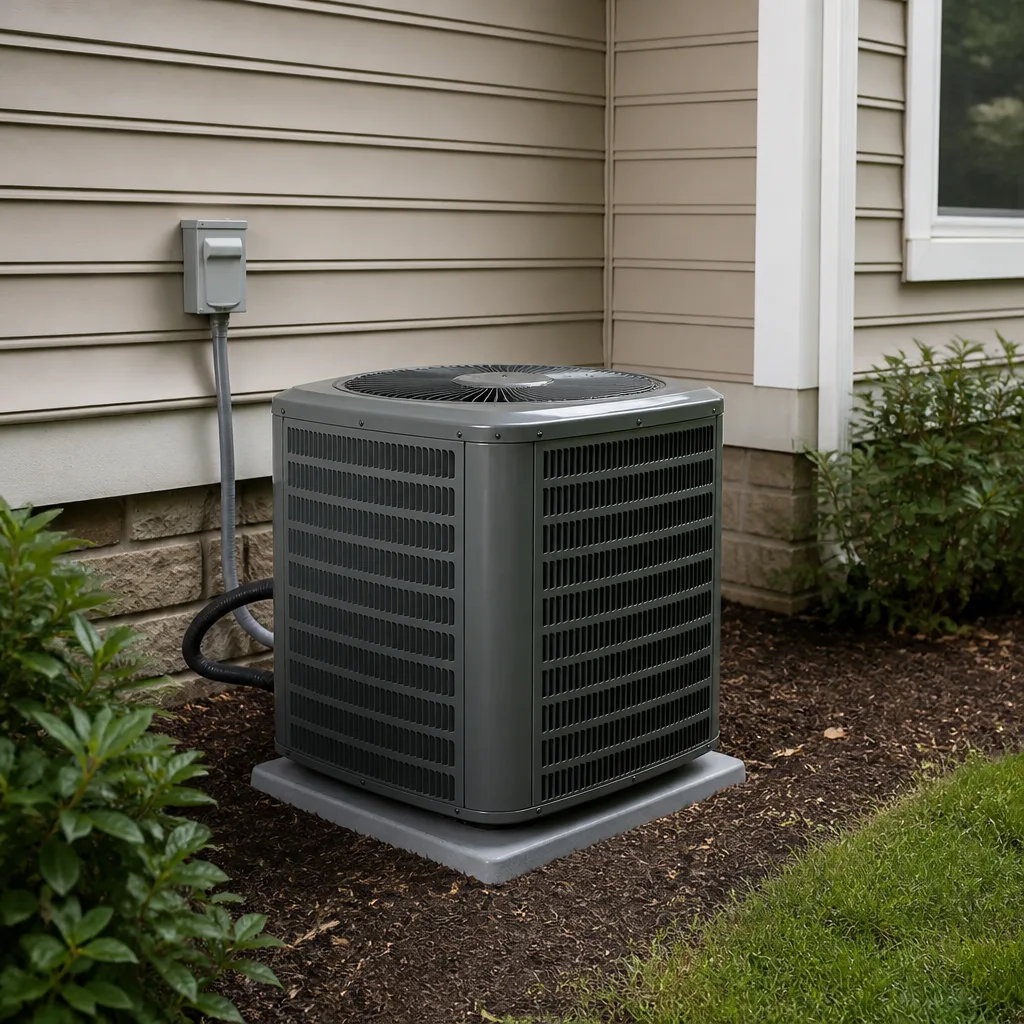 Goodman
Seasonal tune-up and full diagnostic on your Carrier, Trane, or Goodman system - readings shown to you before any repair is proposed
Diagnosis first, numbers second - you approve the repair price before a single part goes in.
Get your free estimateHVAC Emergency Preparedness Guide for Paradise Homes
In July 2023, Henderson hit 115°F on a weekend, and crews across the valley were 48 hours out for anyone who wasn’t elderly or on oxygen. The homeowners with a plan stayed safe. The rest were calling motels at midnight, or worse, sitting in a 96-degree house watching a parent fade. That gap, the 24 to 72 hours between a failure and a fix, is where people actually get hurt. A broken air conditioner in Paradise isn’t an inconvenience you sweat through. It’s a medical event waiting to happen if you’re 68, on blood-pressure medication, or caring for someone who is. This guide is a preparedness plan for that weekend, written for Paradise homes by people who answer the phone at two in the morning and hear it every summer. We’ll cover the first 30 minutes after a failure, how to triage before you spend a dime, what emergency service honestly costs, and how to store your contact and warranty information so it’s findable when you need it.
Quick Answer
A heat emergency in Paradise is survivable and manageable if you plan before it happens. Build a 72-hour contingency now: pick the coolest room in the house, know your nearest cooling center, stock water and battery fans, and store your contractor’s after-hours number where everyone can find it. When the AC fails, slow the heat buildup in the first 30 minutes, triage whether it’s a simple fix, and call for help before the house passes 85°F inside. Most of the danger isn’t the broken system. It’s the hours you spent unprepared.
Styles & brands we work with
- AC repair
- Furnace & heating
- Heat pumps
- Ductless mini splits
- Carrier
- Trane
- Goodman
Table of Contents
- Building Your 72-Hour Heat Contingency Plan
- What to Do in the First 30 Minutes After an AC Failure
- Triage Before You Pay: Is It a Simple Fix?
- What Emergency HVAC Service Actually Costs in Paradise
- How to Store Your Contractor, Warranty, and System Info
- Protecting Vulnerable Family Members and Pets
- Pre-Season Prep That Prevents Most Emergencies
- Common Mistakes to Avoid
Building Your 72-Hour Heat Contingency Plan
The time to plan for a July failure is February. A 72-hour contingency plan is a one-page document you make once and update as things change. It answers three questions: where do we go, what do we have, and who do we call? Everything else is comfort.
First, figure out which room in your home holds cold best. In most Paradise houses, that’s a north-facing room with few windows and, if you have one, a below-grade or shaded space. Close off that room, run a fan, and treat it as your cool zone during an outage. Rooms with west-facing windows bake from 3 p.m. to 7 p.m. in summer, so keep shades drawn on that side before noon whether the system is running or not.
Second, know your cooling centers. Paradise and the surrounding communities have public spaces with air conditioning that open during heat events, and your county publishes activation details during advisories. Write two addresses down, not one, with the hours they’re open. If you’re caring for an elderly parent, know which center is closest to their house, not just to yours.
Third, build the supply kit. It doesn’t need to be fancy:
- Two gallons of drinking water per person, plus pet water
- Battery-operated fans and spare batteries (a rechargeable camping fan holds a charge for hours)
- A battery or USB power bank for phones
- Cooling towels, spray bottles, and a thermometer for the room
- A printed copy of your contacts, medication list, and insurance
If you have a heat pump or mini-split, our guide on heat pump and mini split service in Paradise covers how these systems behave in extreme heat and what to expect when one struggles. Keep the plan on the fridge and a photo of it on your phone. That single page is the whole difference between a manageable weekend and a panicked one.
What to Do in the First 30 Minutes After an AC Failure
When the air stops and the house starts warming, you have a narrow window to slow the climb before it becomes dangerous. The first 30 minutes should be deliberate, not frantic. Here’s the order that works:
- Close up the house. Shut every window and exterior door. Running windows open during the day pulls hot air in faster than it helps. Keep them closed until evening.
- Pull all shades and blinds. Especially on east and west facing glass. Blocking direct sun cuts heat gain in a room more than any fan can offset it.
- Shut off heat sources. Kill the oven, the dryer, the dishwasher, and anything that throws heat. Skip cooking entirely, or move it outdoors. Even lights add up: use them only where you need them.
- Set up cross-ventilation at night only. Once it drops below outside temperature, open two windows on opposite sides of the house and let a box fan push hot air out of the top of one and cool air in at the bottom of another.
- Move to the cool zone. Get your vulnerable family members and pets into your planned room early, before they’re already overheating.
- Check on people, not thermometers. A room at 88°F with moving air and hydration is workable for a healthy adult. An elderly person with heart or lung issues at 88°F is a 911 risk. Watch them, not the digits.
Once the house is sealed up and the cool zone is running, call for service. This is when knowing your after-hours contact pays off. If your system is an aging Rheem or a Daikin that needed a repair last summer, don’t wait to see if it recovers on its own. In our experience, most “it came back after an hour” systems come back weaker. Start the call at minute 30, not hour 30.
Triage Before You Pay: Is It a Simple Fix?
Before anyone charges you for an emergency call, run through the simple checks. A surprising number of “my AC is dead” calls in Paradise come down to three things: a tripped breaker, a dead thermostat battery, or a clogged condensate drain. These you can check safely yourself. Anything involving wiring, capacitors, or the refrigerant circuit is not a homeowner job.
- Check the breaker. Go to the panel and look for a tripped breaker on the AC circuit. If it’s tripped, reset it once. If it trips again, stop and call. That’s not a nuisance trip, that’s a fault.
- Change the thermostat batteries. A thermostat with weak batteries can go blank or stop sending a call to the unit. Fresh batteries take two minutes and sometimes solve the whole thing.
- Check the condensate drain. A float switch on a clogged drain line will shut the system down to protect the house. Look for water pooling near the indoor unit. If it’s wet, clear what you can see and call for a drain service.
- Confirm the outdoor unit is getting power. Is the disconnect switch on? Is the breaker at the panel and the one at the outdoor unit both on?
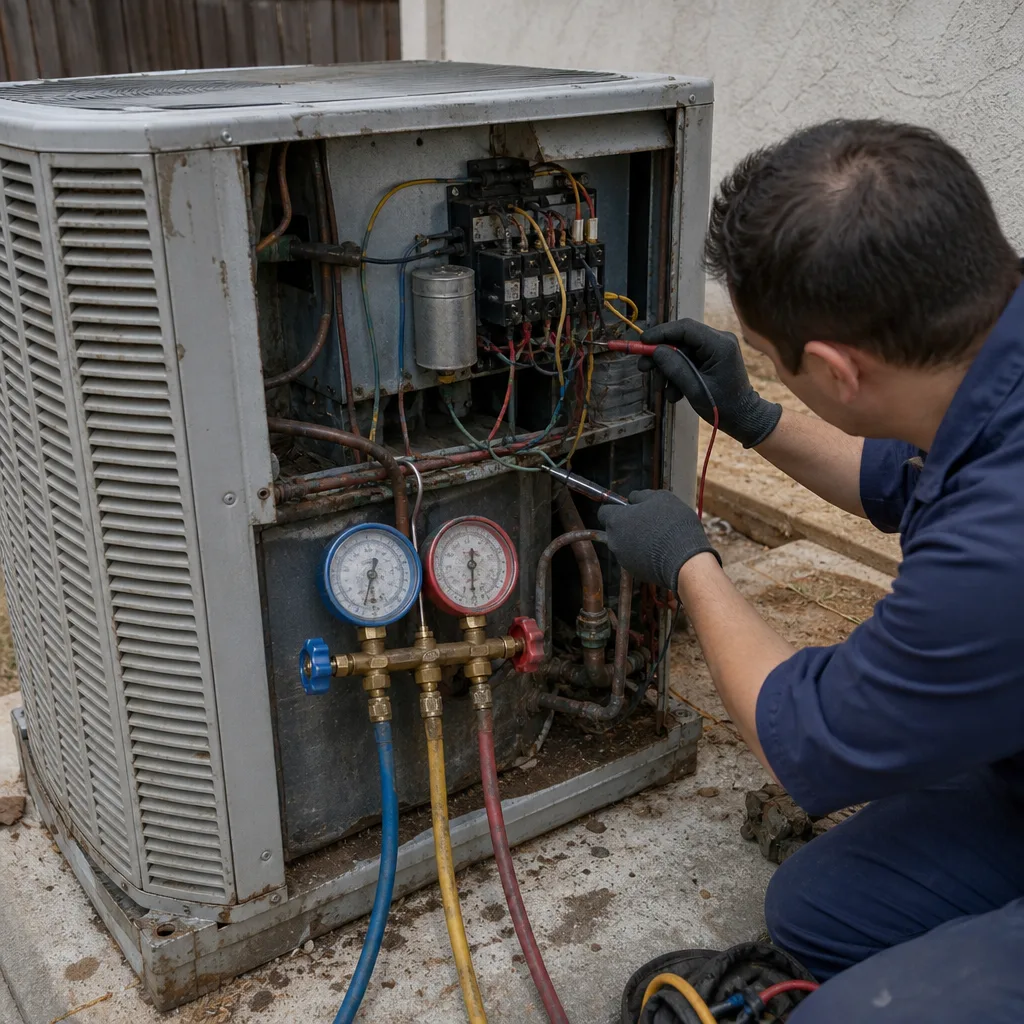
If those checks don’t do it, the problem is inside the system and belongs to a trained professional. Our guide on AC repair and installation in Paradise explains how we diagnose a system the honest way: readings first, numbers second. We test the capacitor and check the compressor before anyone says the word “replacement.” Homeowners in Paradise deserve that sequence, because a dead compressor and a dead capacitor look identical from the thermostat, and one of them costs 20 times the other.
What Emergency HVAC Service Actually Costs in Paradise
Here’s the number most contractors won’t give you on the phone: emergency and after-hours HVAC service during peak season typically runs higher than a weekday call, because you’re paying for a technician to come out when the whole valley is calling. That premium is real and usually justified. What you should refuse to accept is a surprise. You deserve readings and numbers before work begins.
Expect these line items on a typical emergency call:
| Line Item | What to Expect |
|---|---|
| After-hours trip diagnostic | Higher than a weekday diagnostic; confirm it before scheduling |
| Capacitor replacement | Common, modest, done same visit |
| Drain line clearing | Modest, usually same visit |
| Thermostat or control replacement | Varies with the unit |
| Compressor or major component | Substantial; ask for a written estimate before work starts |
Two things keep this fair. First, get the diagnostic fee in writing, or at least confirmed verbally on the call, before anyone comes out. Second, know that Ray’s Heating & Air Paradise publishes its standing offers, and only these: $40 Off Any Repair Over $200, a Free Second Opinion on any written estimate, No Trip Charge inside the county, and a Senior and Veteran 10% discount. There are no hidden offers or mystery promos. If you’re talking to someone in Paradise and the emergency price sounds like a jackpot, get the second opinion. It’s free, and it stops a lot of bad decisions at 11 p.m.
One honest note: we don’t promise same-day emergency calls for everyone, because when the valley is in a heat wave, the truthful answer is that crews are stretched and the calls that involve an elderly person, a medically fragile family member, or pets go first. What we do promise is a live person on the phone, every time, day or night, who will tell you straight where you stand.
How to Store Your Contractor, Warranty, and System Info
When the house is 92°F inside at 11 p.m., you do not want to be hunting for the model number or the phone number. Set this up once. You’ll thank yourself later.
Make a single “HVAC folder,” physical and digital, containing:
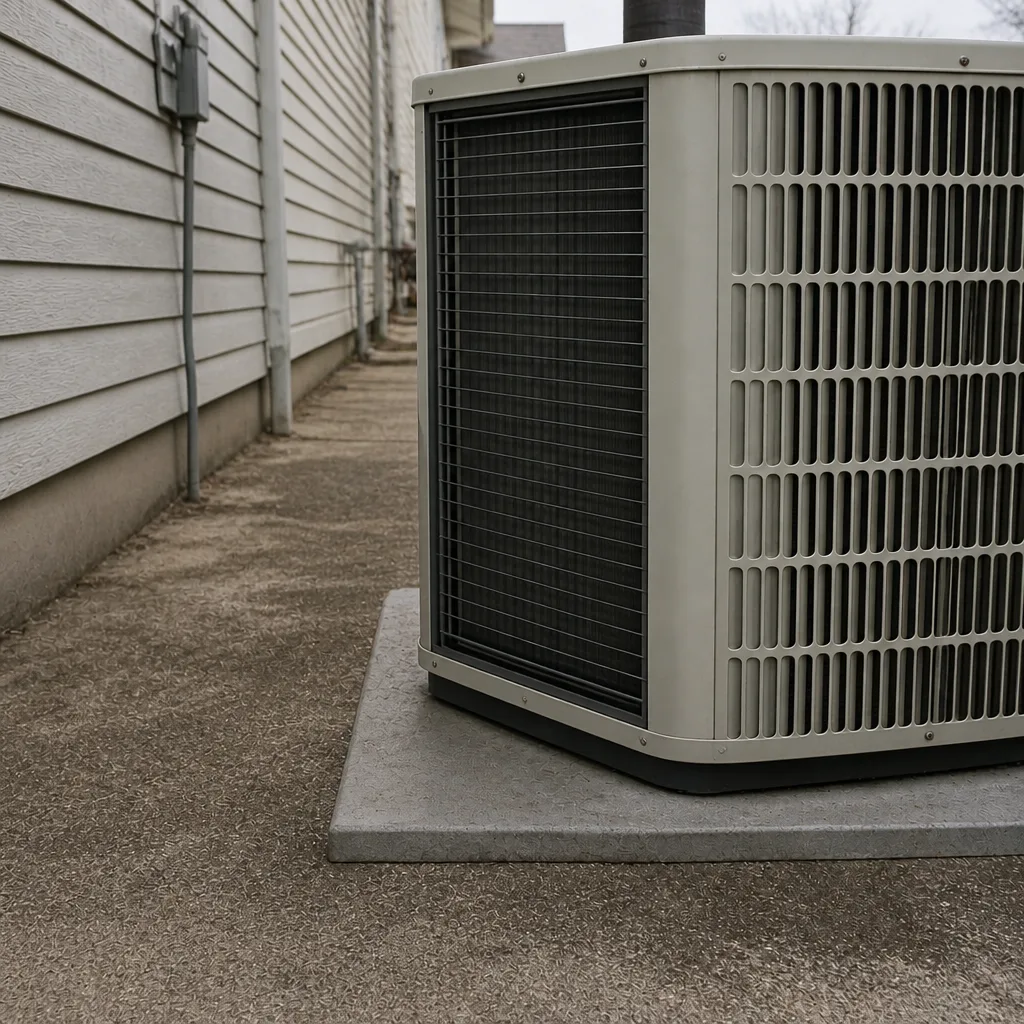
- Your system specs. Brand, model number, install date, and serial number for both the indoor and outdoor unit. Snap a photo of the nameplate on the outdoor unit and keep it on your phone. This lets a technician identify your parts before he leaves the yard.
- After-hours contact. The number you can actually reach a live person at 2 a.m. Not the office line that goes to voicemail. Put it in your phone as a contact labeled “HVAC emergency,” and paste it on the inside of a kitchen cabinet so anyone in the house can find it.
- Warranty paperwork. The warranty card and proof of purchase for the system, plus any written repair estimates and invoices. If a part fails under warranty, having the paperwork (or a photo of it) speeds the repair and saves you the part cost.
- Written estimates and the promise. Keep the estimate that Ray put in writing, including the 90-Day Done Right Promise stamped on it: if it’s not done right, we make it right, and one call brings him back.
Your system brands matter here too. Whether you have a Bryant, a York, or a Rheem, having the model number ready at the moment of the call gets the right part on the right visit. That’s the difference between one trip and two.
Protecting Vulnerable Family Members and Pets
The reason we treat HVAC failure in Paradise as a medical event is that for some people it is. Older adults, people on blood-pressure or heart medication, infants, and pets cannot regulate heat the way a healthy adult can. Heat illness can escalate quietly. A person who seems “just tired” at 2 p.m. can be in serious trouble by 5 p.m.
Make a plan for these people specifically. That means an assigned cool zone with moving air they can stay in all day, water within reach, and a set check-in time from a family member at midday and evening. Know the warning signs of heat exhaustion: heavy sweating, clamminess, dizziness, nausea, and confusion. Heat stroke is the next step up and it’s a call to 911. Do not wait to see if a person feels better after they’ve stopped sweating and gone confused.
Pets need the same thought. Never leave a dog in a car or a closed room during a heat event, and keep a cool, shaded space with water accessible. If you have family in the area, ask yourself before summer who takes the kids and who takes the dog if the house has to empty out. Solar and screen shades help, but planning matters more than gear.
Pre-Season Prep That Prevents Most Emergencies
Most emergency breakdowns are earned. A system that gets a spring tune-up and a fresh filter has far fewer July surprises than one that hasn’t been looked at. Before the first hot week, plan on three things.
First, change the filter. A clogged filter makes the system work harder, freezes the indoor coil, and turns a mild summer day into a service call. Second, have the system checked before peak season when technicians aren’t booked out and the flat-rate tune-up is easy to schedule. That’s our heating and furnace service in Paradise and cooling tune-up territory, and it’s where you get the written report of what was actually found, not just a pat on the back. Third, take care of any known weak spots now. If the capacitor tested weak last time, if the drain clogs every summer, fix it before July. Our guide to Ray’s Heating & Air paradise home services lays out the full range of service so you know where you stand.
A tune-up is also your chance to ask honest questions. When were the parts last replaced? What’s the realistic age of this system? You’ll get straight answers, because the person at your door isn’t paid on what he sells you.
Common Mistakes to Avoid
- Waiting until the house is 95°F to call. By then you’re in the danger zone and every other household is calling too. Call when the unit stops, not when someone feels sick.
- Leaving windows open during the day. It feels like it should help. It pulls hot air in and keeps the house warmer than sealing it up would. Close it up and shade it.
- Trying to swap a capacitor or open the electrical panel. High-voltage components and running compressors can hurt or kill. That’s a job for the trained professional, every time.
- Going with the first after-hours quote on the phone. Emergency pricing is where surprises hide. Confirm the diagnostic fee, ask for it in writing, and use a free second opinion on any written estimate.
- Not knowing the model number. A missing or forgotten nameplate means a second trip and higher cost when parts have to be ordered.
- Assuming a system that “came back on” is fine. A unit that trips and recovers is telling you something. Get it looked at before it fails for good on the hottest day of the year.
See the difference
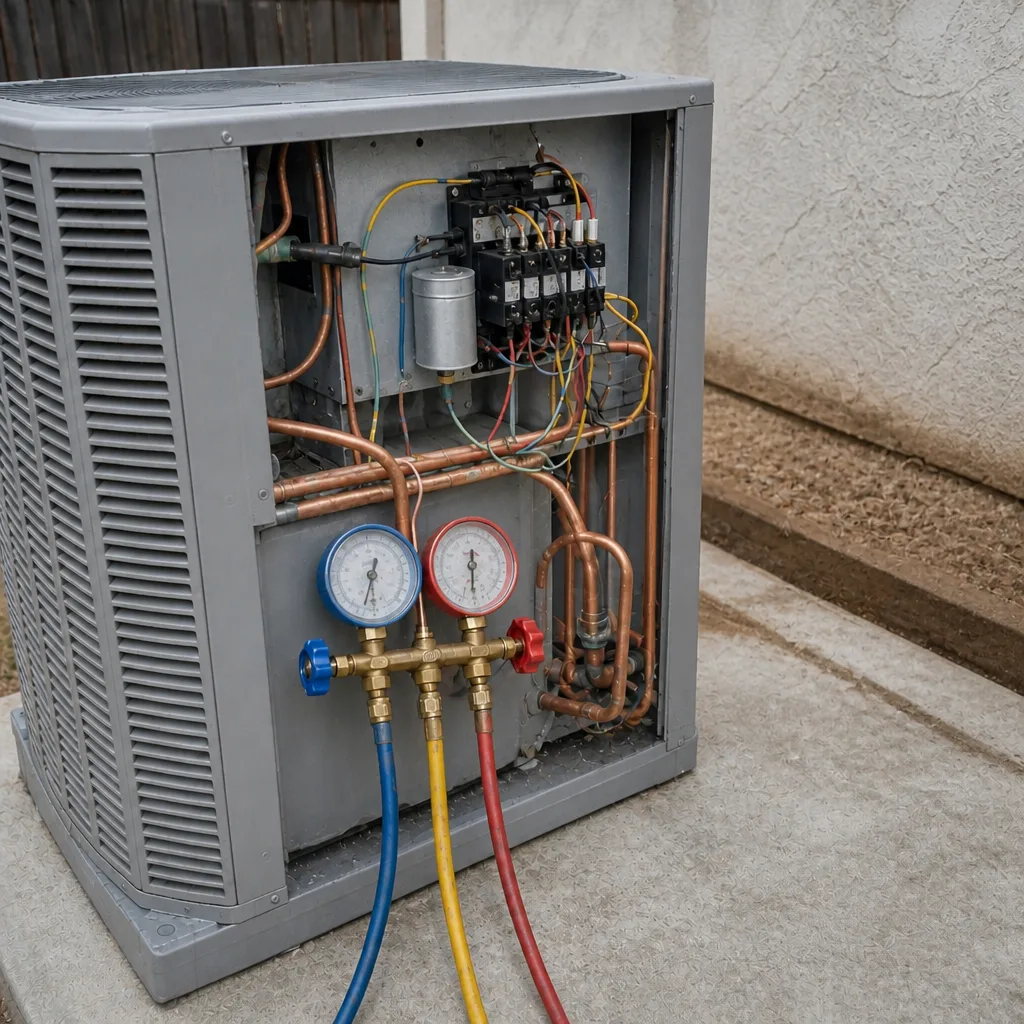
 Before
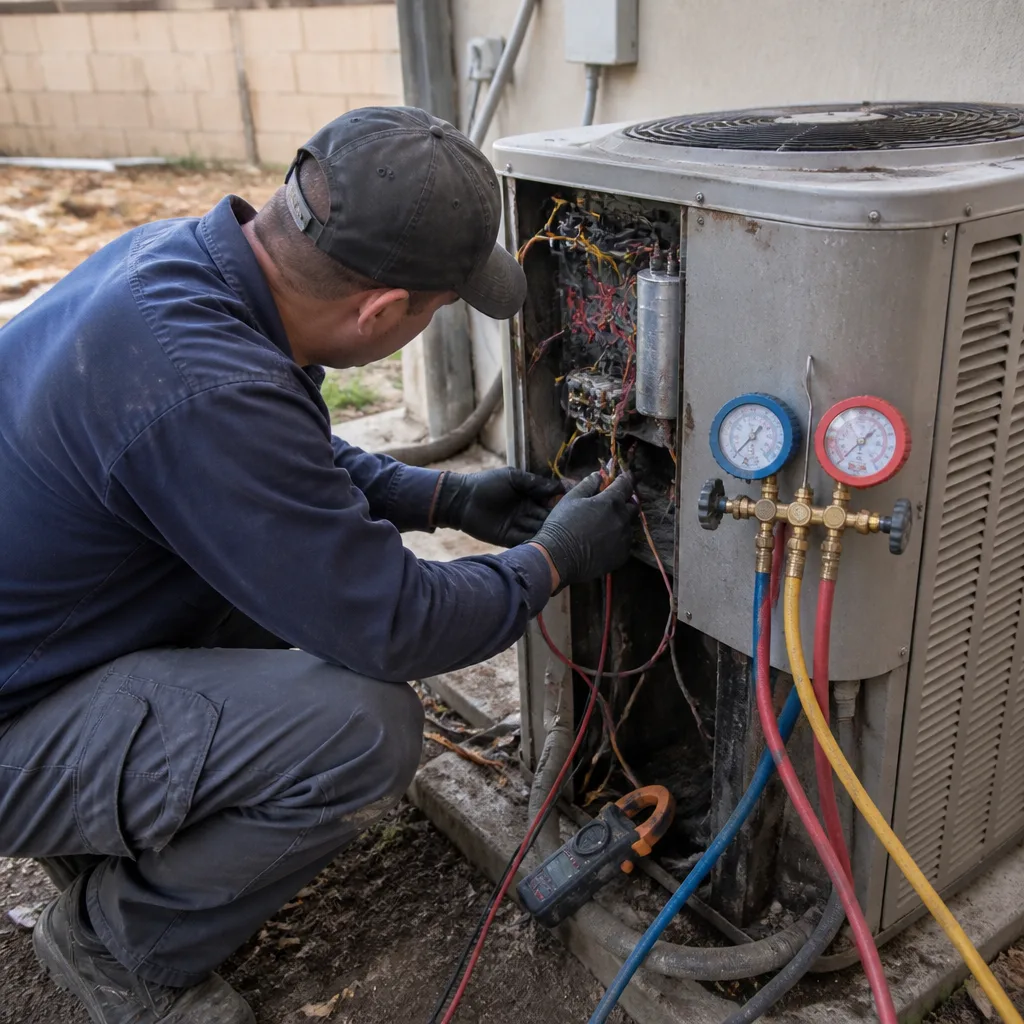
 After
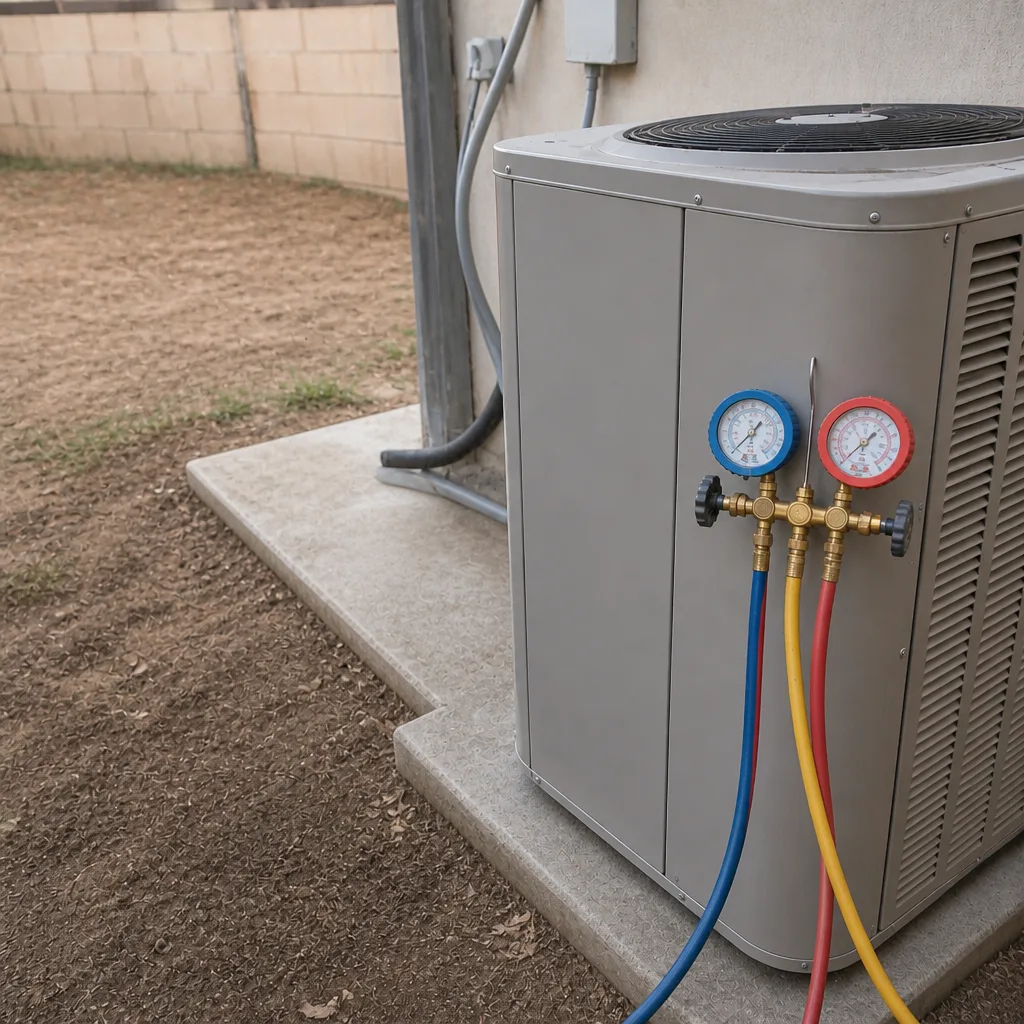
 Before
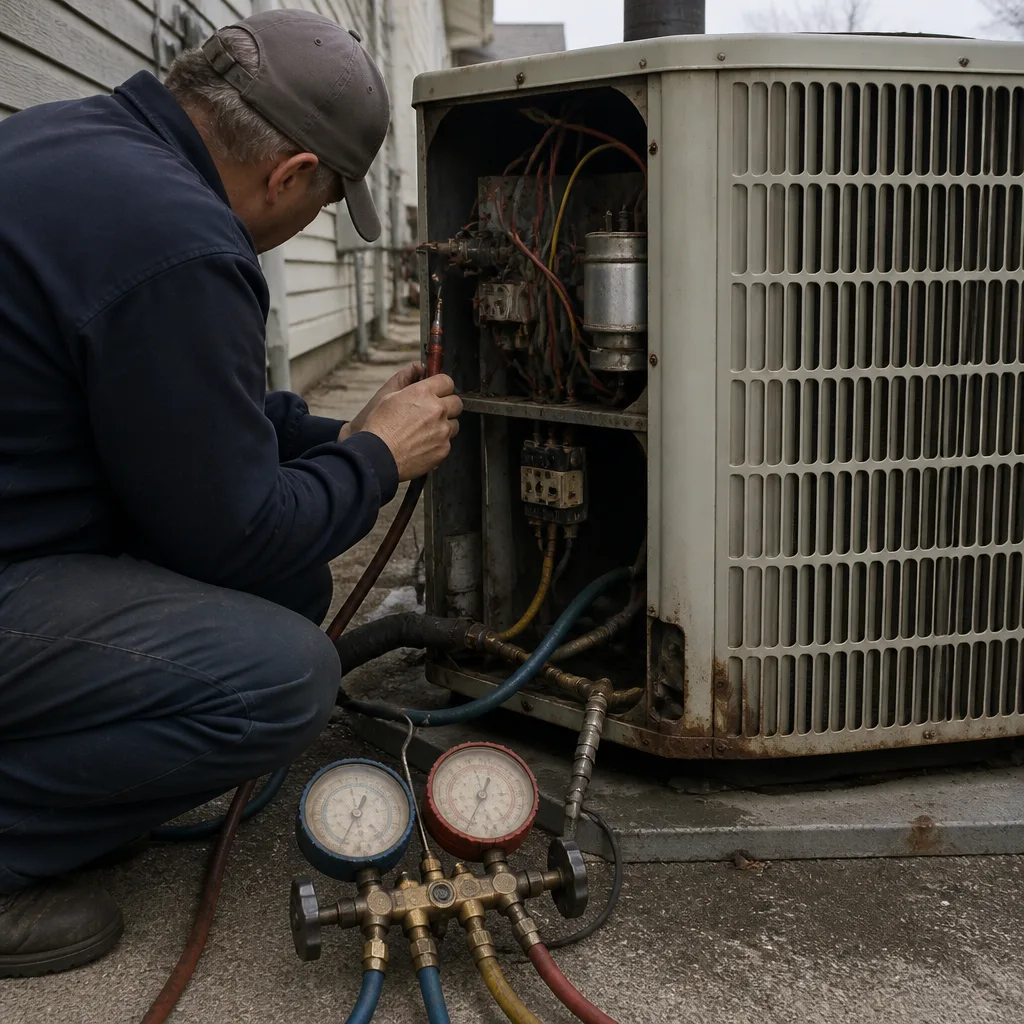
 After
 Before
 After
When to Call a Professional
Call a professional when the breaker trips twice, when the outdoor unit hums but the fan doesn’t spin, when there’s water around the indoor unit that won’t clear, or when the house won’t hold below about 78°F on a hot afternoon. Call immediately, before you do anything else, if anyone in the home is elderly, has heart or lung conditions, takes medication that affects heat regulation, or if you have pets and the indoor temperature is climbing. Those are medical situations dressed up as HVAC calls, and they get prioritized. Never open the electrical panel or put your hands into the outdoor unit yourself: capacitors hold a charge after power is cut, and the refrigerant circuit is pressurized. Ray’s Heating & Air Paradise offers free estimates in Paradise, and you can reach a live person any hour by calling (855) 664-5714.
Frequently Asked Questions
Build a one-page 72-hour plan that names your coolest room, two nearby cooling centers, your supply kit, and your contractor’s after-hours number, then keep it on the fridge and on your phone. Identify anyone in the home who’s medically vulnerable and assign their cool zone and check-in times ahead of time. Set the physical HVAC side by getting a pre-season tune-up and changing the filter.
Seal the house, pull the shades, shut off heat-producing appliances, and move vulnerable people and pets to your cool zone. Check the breaker, thermostat batteries, and condensate drain to rule out a simple cause, then call for service before the house passes 85°F indoors.
After-hours and peak-season diagnostics run higher than weekday calls, and any repair line item adds on top of that. You should confirm the diagnostic fee before anyone comes out and get the repair numbers in writing before work begins. Call (855) 664-5714 for an exact quote, and ask about the $40 Off Any Repair Over $200 and the Senior and Veteran 10% discount.
Yes, when the home holds vulnerable people or pets, or when the indoor temperature is climbing toward the danger zone on a hot day. It’s not worth it when the failure happens on a mild evening and you can safely wait for a regular-hours appointment.
Only the safe checks: a tripped breaker, dead thermostat batteries, a visibly clogged drain. Anything involving the electrical panel, the capacitor, the compressor, or the refrigerant circuit belongs to a trained professional. Capacitors hold a charge and refrigerant circuits are pressurized, so those are genuinely dangerous to touch.
Watch for a breaker that keeps tripping, an outdoor fan that won’t spin, water pooling near the indoor unit, or a house that can’t hold its set temperature on a hot afternoon. Those are early warnings. Getting them looked at before July is what keeps them from becoming a 2 a.m. call.
The Bottom Line
An HVAC emergency in Paradise is a preparedness problem more than a repair problem. The homeowners who get through a 115°F weekend safely are the ones who knew their cool room, their cooling centers, their after-hours number, and their system’s model number before the failure happened. Triage the simple stuff, respect the dangerous stuff, and call before the house gets too hot. If you want a straight answer about your system, a written estimate, or a free second opinion, call (855) 664-5714. A live person answers every hour, every day, and if it needs the work, that’s often Ray himself.
Contact
Ready to get ahead of the next heat wave? Call Ray’s Heating & Air Paradise at (855) 664-5714 for a free estimate. You’ll get readings first and numbers second, and any written estimate qualifies for a free second opinion.
Written by the team at Ray’s Heating & Air Paradise.