
Last updated November 18, 2026
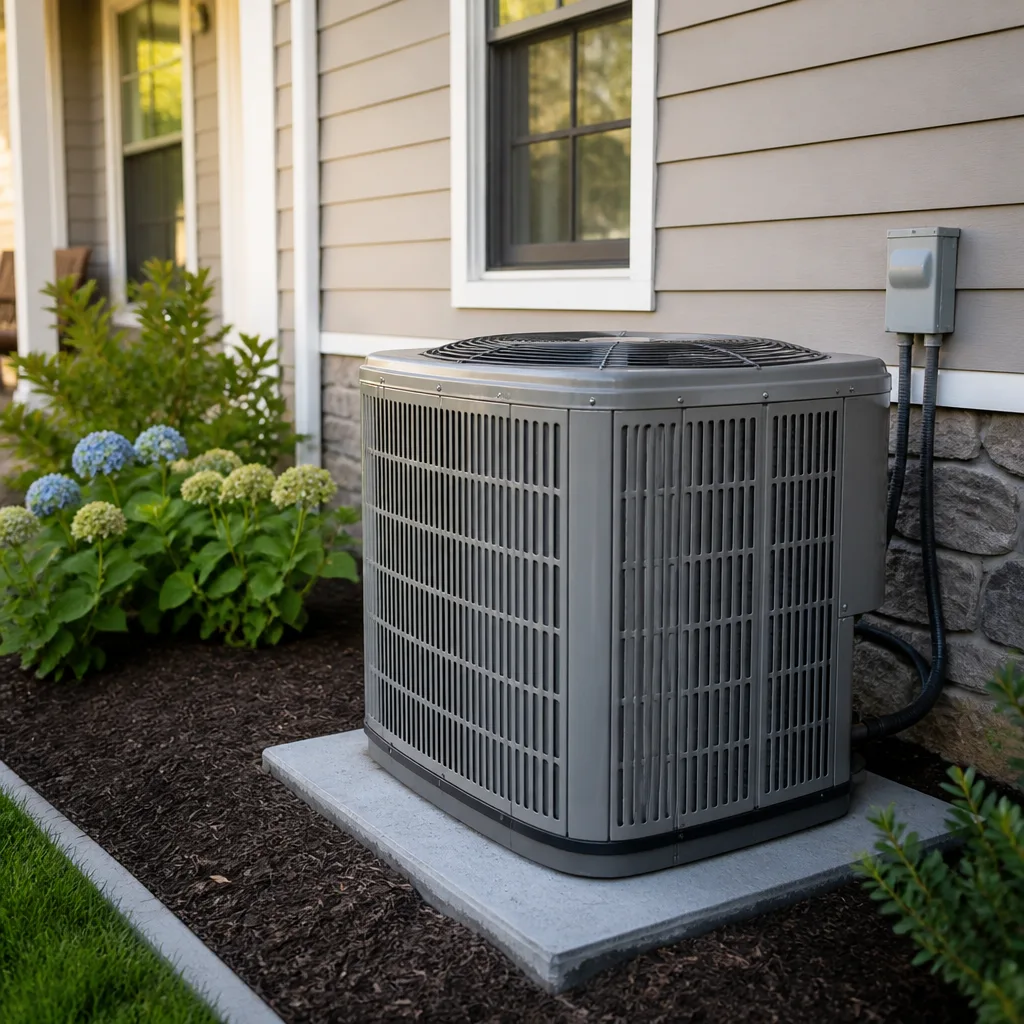 AC repair
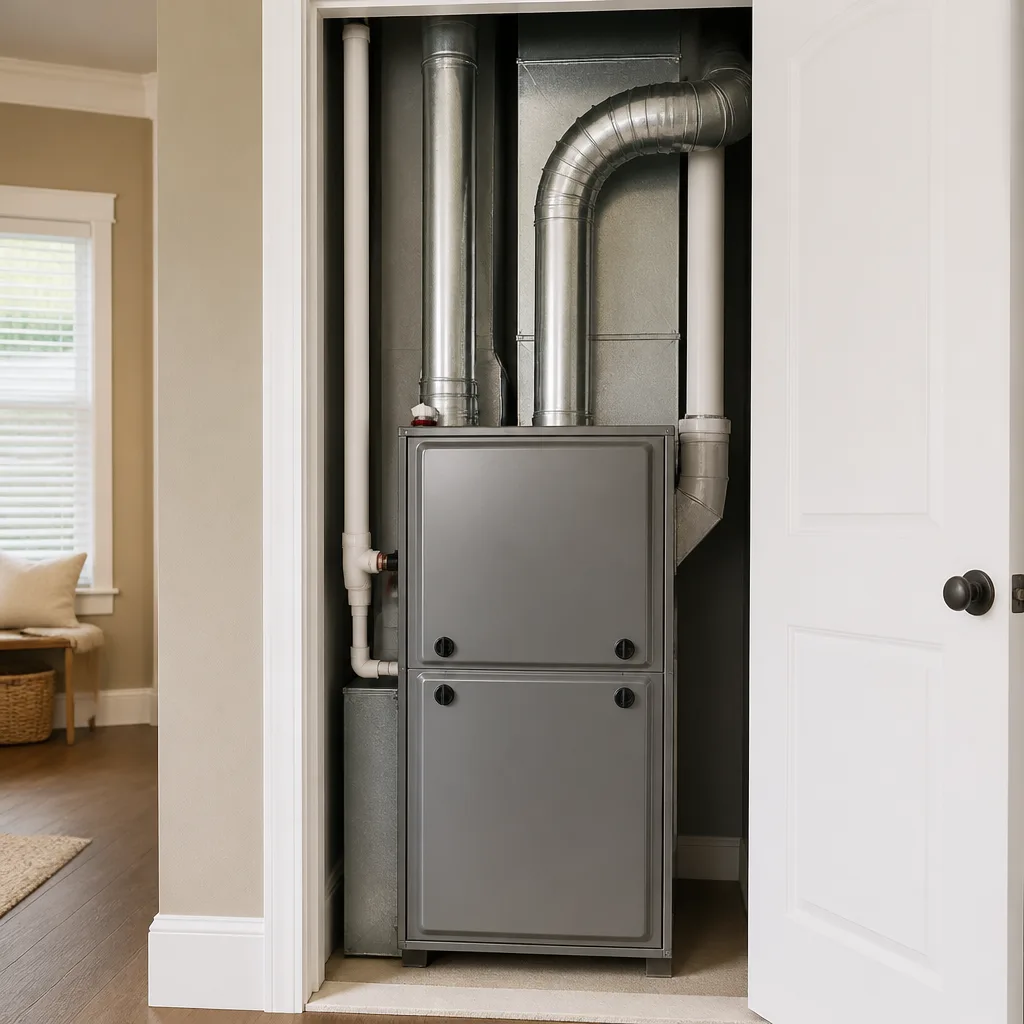 Furnace & heating
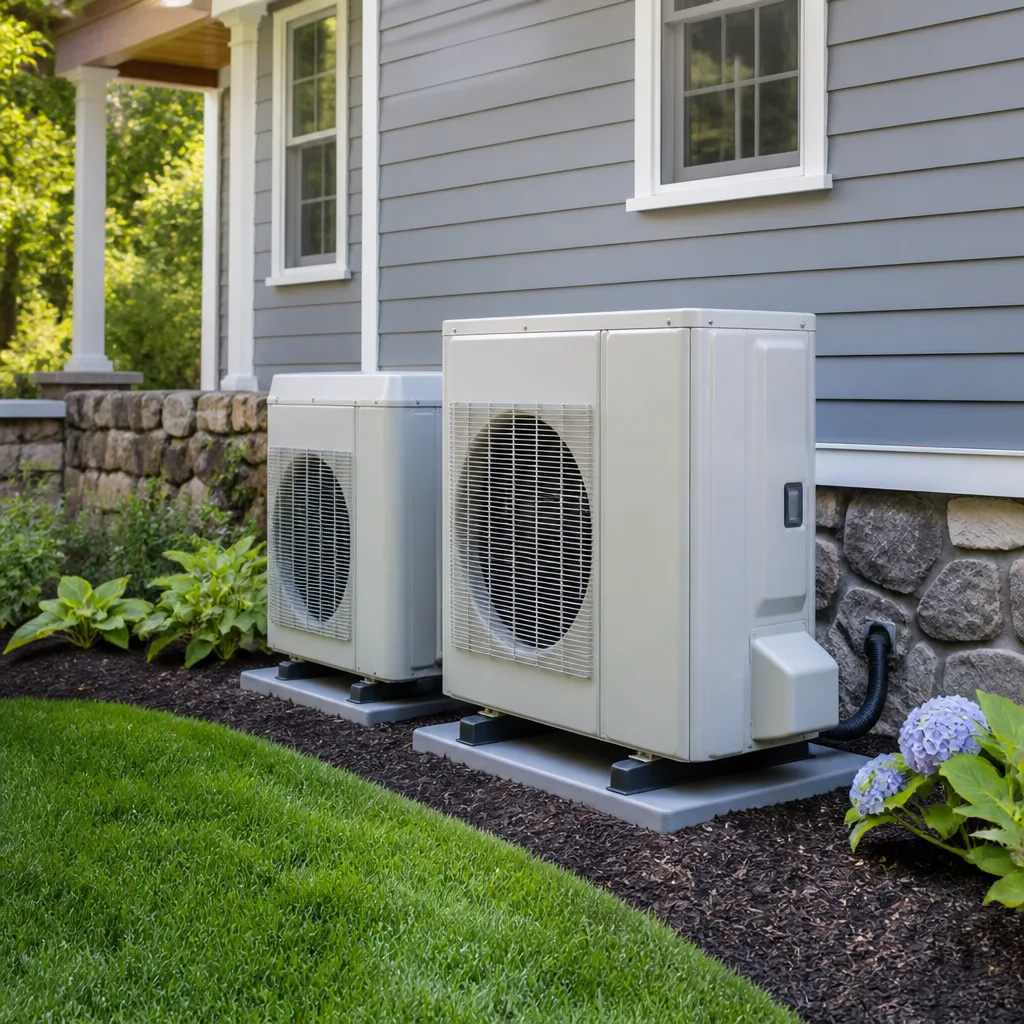 Heat pumps
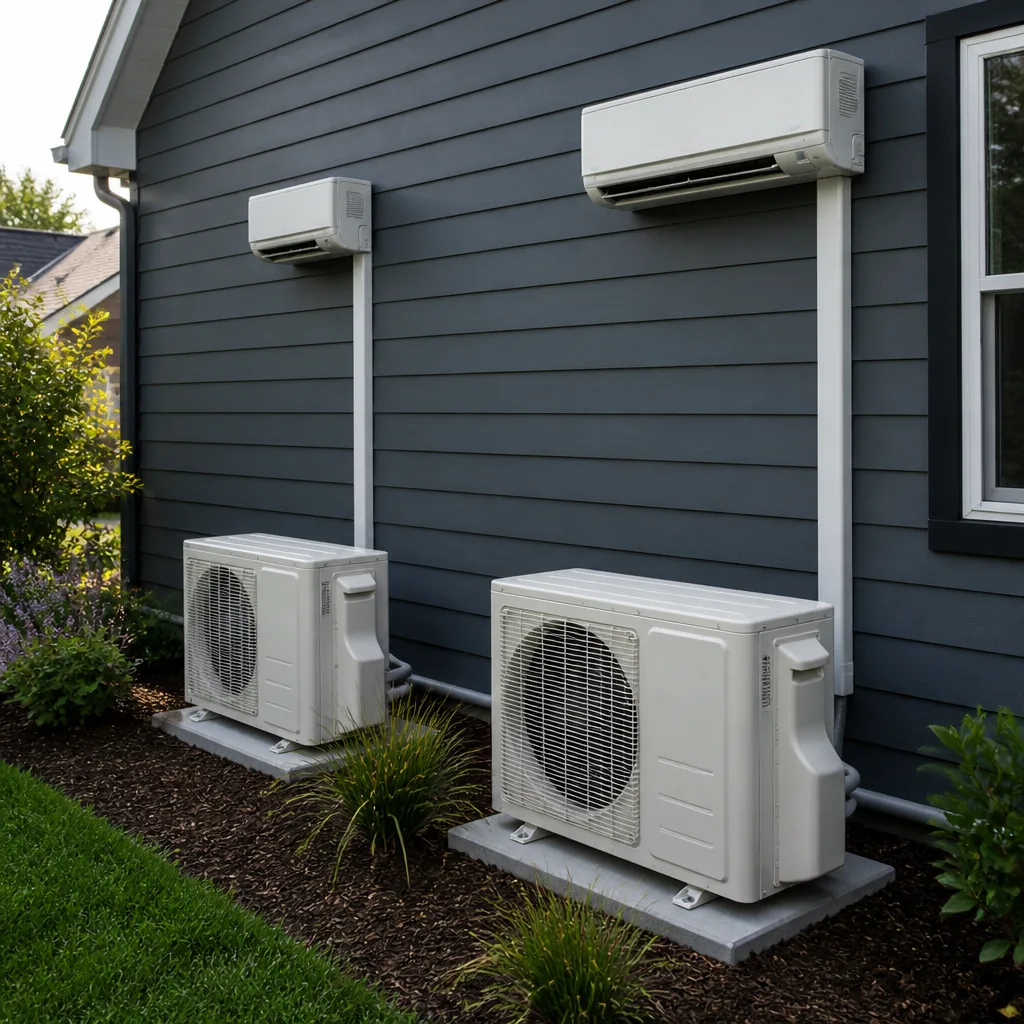 Ductless mini splits
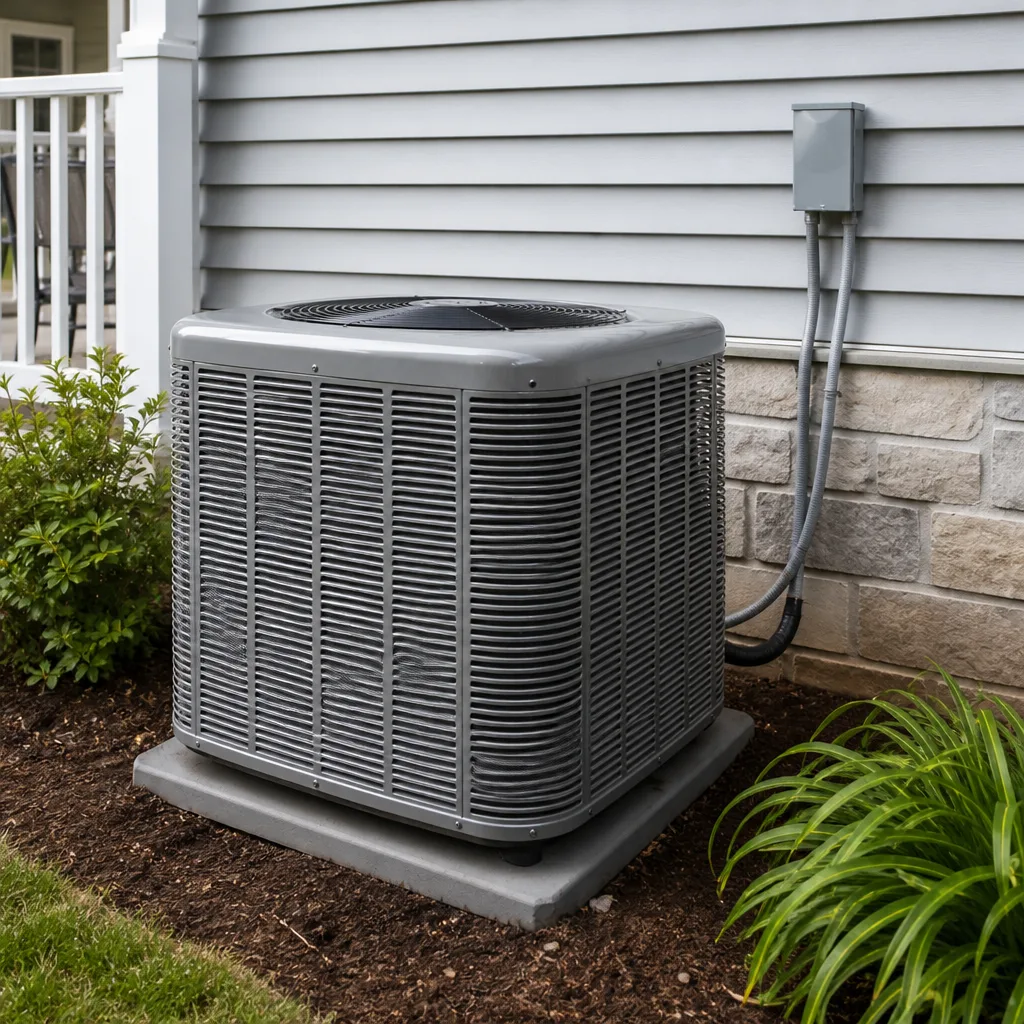 Carrier
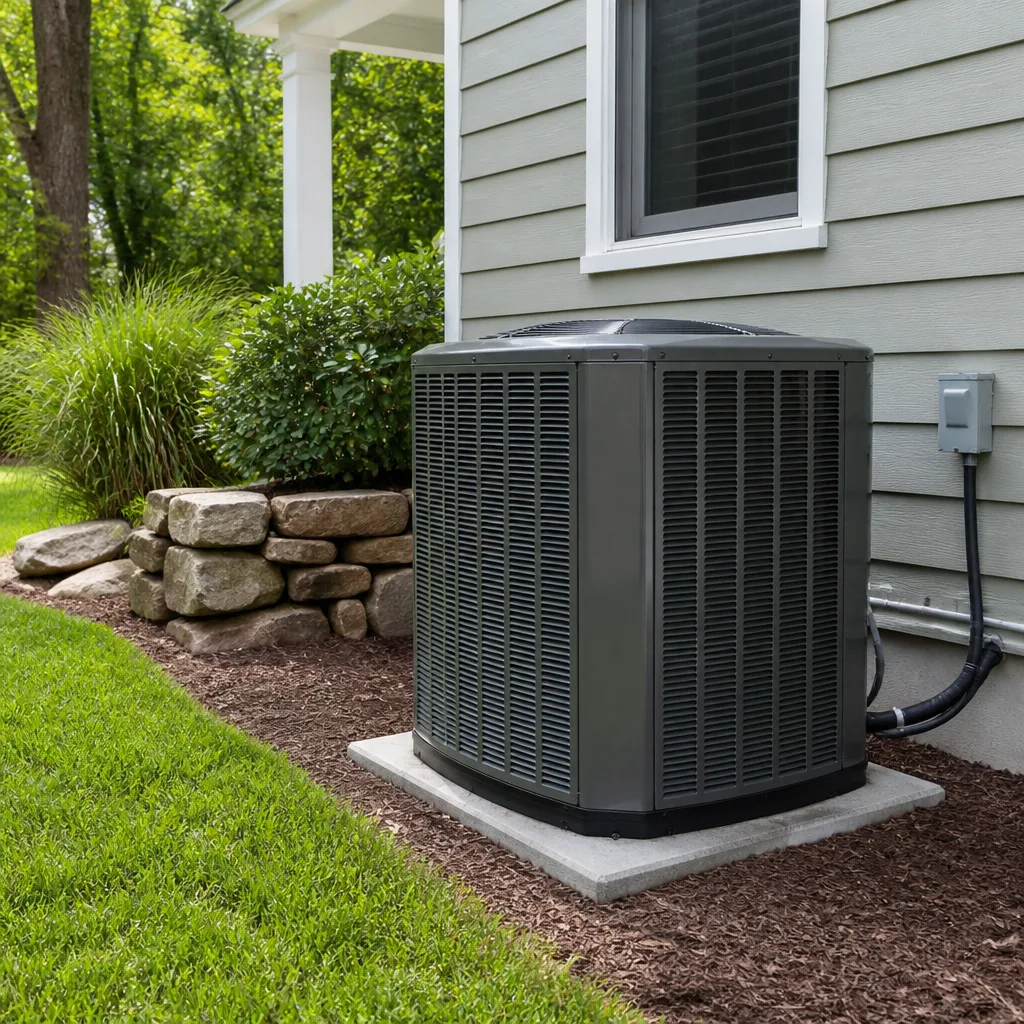 Trane
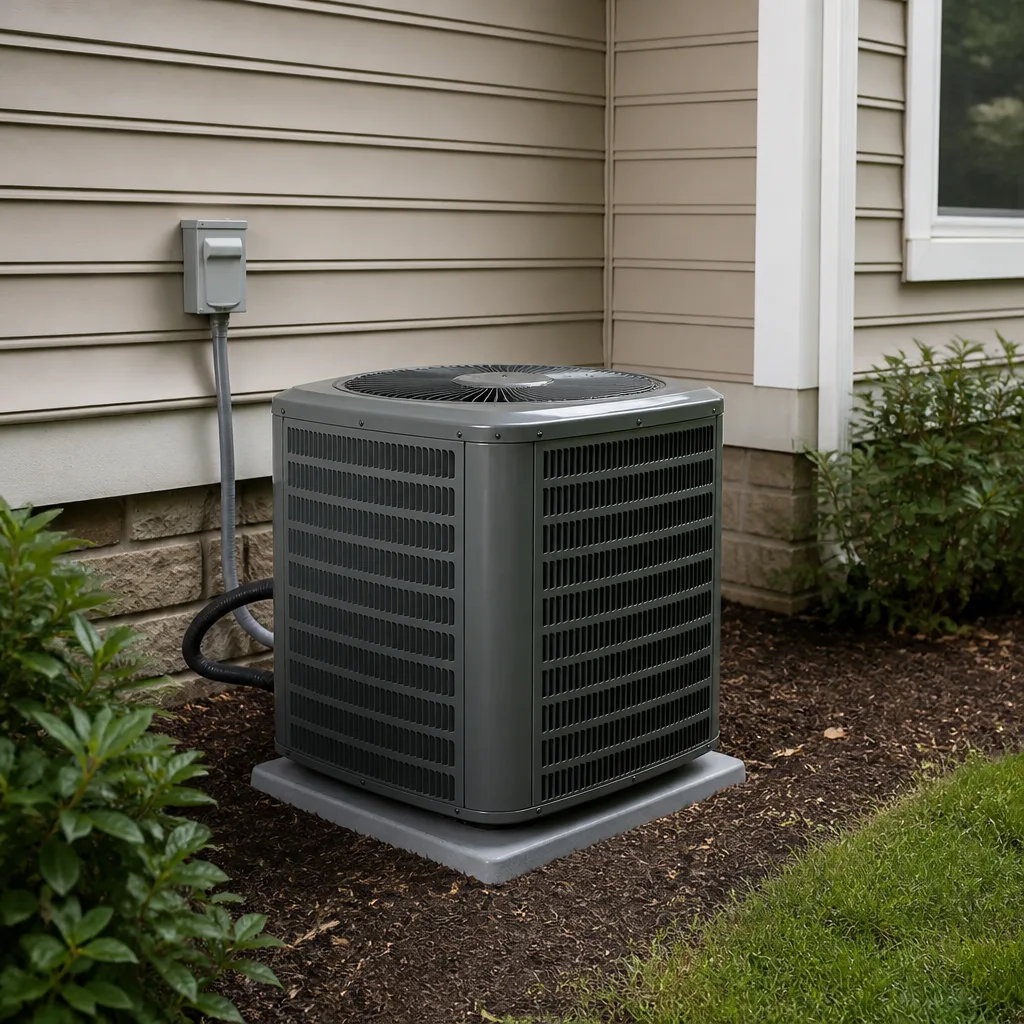 Goodman
Seasonal tune-up and full diagnostic on your Carrier, Trane, or Goodman system - readings shown to you before any repair is proposed
Diagnosis first, numbers second - you approve the repair price before a single part goes in.
Get your free estimateAC Repair & Installation Maintenance Schedule: What to Do and When
If you’re scheduling your spring AC tune-up in May, you’re already late. By Memorial Day in Paradise, your unit has been running hard for six weeks straight. That’s the part most maintenance guides get wrong: they hand you a Sun Belt calendar built for Phoenix or Las Vegas and tell you to book your service in spring. Paradise doesn’t work that way. Our heavy cooling season starts in March, not June, and the work that actually protects your system has to happen before it does. What follows is a month-by-month schedule built for this valley’s climate, not a template copied from somewhere hotter and flatter. You’ll learn what to check yourself, what a licensed tech has to handle, how to clean rooftop coils safely, and what to demand in writing from any maintenance agreement.
Quick Answer
The right schedule for Paradise starts in February, not May. Your AC needs its major service done in late winter and early spring so it’s ready before the first 90-degree stretch in March, and your fall tasks (coil cleaning, drain flush, capacitor check) need to happen in October and November so the system comes back online clean in spring. Anything booked after Memorial Day is playing catch-up.
Styles & brands we work with
- AC repair
- Furnace & heating
- Heat pumps
- Ductless mini splits
- Carrier
- Trane
- Goodman
Table of Contents
- Why Paradise’s Maintenance Calendar Runs Backwards
- The Month-by-Month Schedule for Paradise
- What You Can Do Yourself vs. What Needs a License
- How to Clean Condenser Coils on a Rooftop Package Unit Safely
- The Fall Tasks Everyone Skips (and Why They Matter in March)
- What a Maintenance Agreement Should Actually Say
- What to Ask Before You Sign
- Common Mistakes to Avoid
Why Paradise’s Maintenance Calendar Runs Backwards
Most guides tell you to service the AC in April and May and then coast through summer. In Paradise, that plan has you servicing a machine that’s already been stressed for two months. Our first real heat lands in March. By late April, rooftops are hitting 140 degrees and units are cycling hard every afternoon. If your coil is dirty and your refrigerant charge is off in February, you’ve been running an inefficient system through the worst of the season before anyone looks at it.
The climate here also matters for the equipment type. Most homes in Paradise run a rooftop package unit or a split system mounted where summer sun beats directly on the condenser. Those cabinets get hotter than a slab-mounted unit under a shade tree. Heat is the enemy of capacitors, contactors, and compressors, and the equipment absorbs that heat for a longer season than most guides assume.
Here’s the shift in thinking: treat February and March as your “spring,” and October and November as your “fall.” July is not when you service the unit. July is when you hope the February service held up. That’s the whole thesis, and everything below follows from it.
The Month-by-Month Schedule for Paradise
This is the calendar we hand to homeowners in Paradise who ask us how to stay ahead of their equipment. Print it, stick it on the fridge, set reminders on your phone.
January
- Change the air filter. A clogged filter in January stresses the blower and makes the system work harder on the few cold nights we get.
- Walk the exterior and look for debris around the outdoor unit. Winter storms blow leaves and trash into condenser cabinets here.
- Schedule your pre-season AC appointment now. February slots fill up first because everyone in Paradise calls at the same time.
February
- Pre-season AC service. This is the single most important appointment of the year. Coil cleaning, refrigerant check, capacitor test, contactor inspection, drain line flush.
- Test the heat pump in heat mode one more time before it goes dormant. If it struggled all winter, that’s a signal to fix before cooling season.
- Check the condensate drain pan and line. A cracked pan found in February costs far less than a water-damaged ceiling found in July.
March
- First cool-down test. Turn the AC on for a full cycle and confirm it’s cooling within the expected range before you actually need it.
- Change filter again (we’re in the heavy season now, so roughly 30-day intervals through September).
- Look for any sign of refrigerant oil around fittings or a hiss at startup. Catch a small leak now, not in August.
April – September
- Monthly filter change. This is the biggest owner-side task and the one most skipped.
- Monthly visual once-over. Look for ice on the lines, water under the unit, or unusual noise at startup.
- Rooftop coil rinse once mid-season if you have a package unit and a hose reach. We’ll cover the safe way to do this below.
October
- Post-season service. This is the appointment nobody books and everyone needs. Full coil cleaning, drain flush, capacitor test, contactor inspection.
- Have the tech check the heat side before it gets cold. That way a furnace or heat pump failure gets caught before you’re without heat on the first freezing night.
November – December
- Replace the filter for winter.
- Test the heat cycle for a full run-through. If you have a heat pump or mini-split, confirm the defrost cycle is working.
- Have your system checked before the holiday cold snap. If you need heating and furnace work in Paradise, this is the window.
What You Can Do Yourself vs. What Needs a License
There’s a clean line, and it’s worth understanding why it’s there. Homeowners can safely handle a handful of tasks that don’t touch refrigerant, electricity, or gas. Everything else requires a licensed tech because the systems involve pressure, voltage, or combustion, and getting it wrong can hurt you or void your equipment warranty.
Safe for the homeowner
- Air filters. Change them, know the size, buy in bulk. Cheapest and highest-value maintenance task on the list.
- Clearing debris. Trim back vegetation within two feet of the outdoor unit. Remove leaves and trash from the top grille.
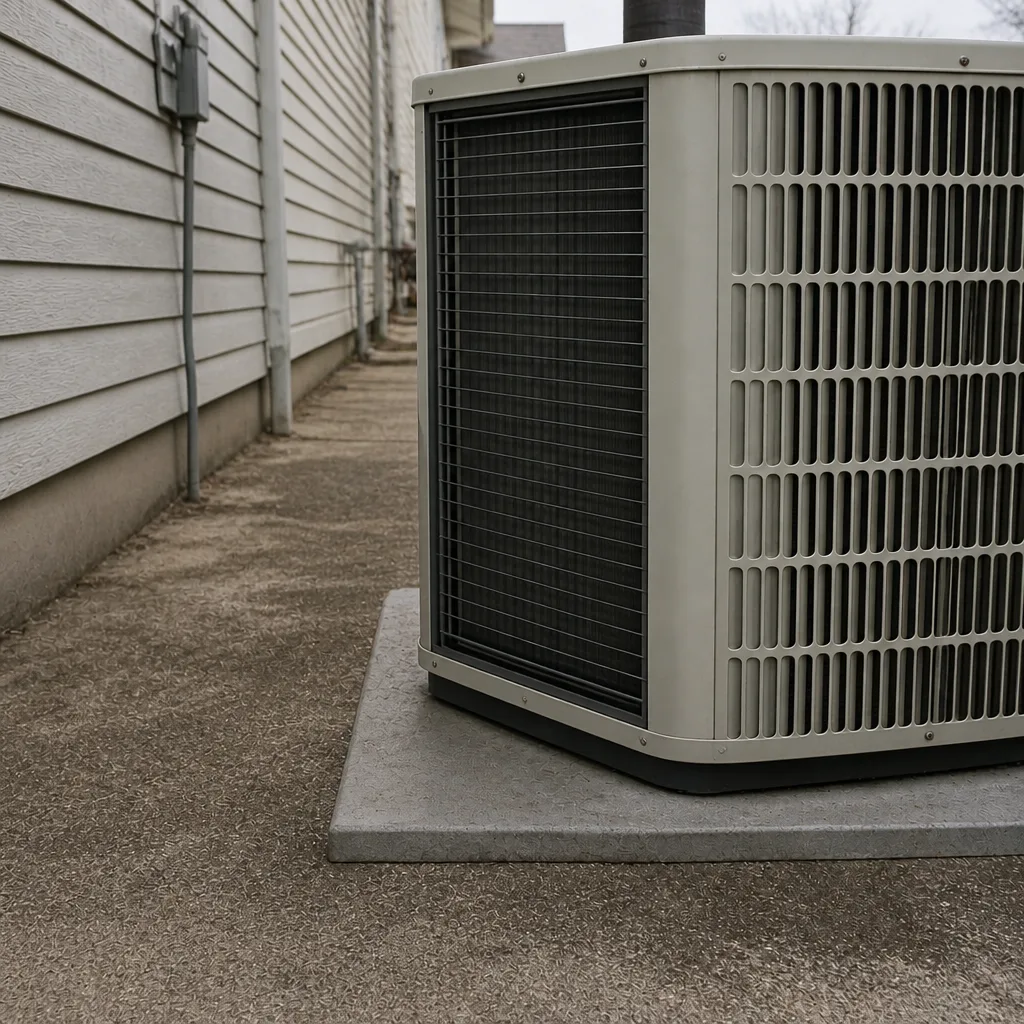
- Rinsing the coil from the outside. Only on a slab unit, only from the ground, only with a gentle hose. We cover rooftop units separately below.
- Visual inspection. Walk around, look for ice, water, or debris. That’s it.
Requires a licensed tech
- Refrigerant. Handling refrigerant requires federal EPA certification. Not negotiable.
- Electrical components. Capacitors, contactors, and the compressor itself can hold a lethal charge even with the breaker off. Capacitors in particular store energy after shutdown.
- Gas lines and combustion. Any furnace work touching gas or the heat exchanger is licensed-tech territory.
- Coil cleaning inside the cabinet, on the refrigerant side. Coils are delicate and refrigerant lines sit right next to them. One wrong hand motion and you’ve created a leak.
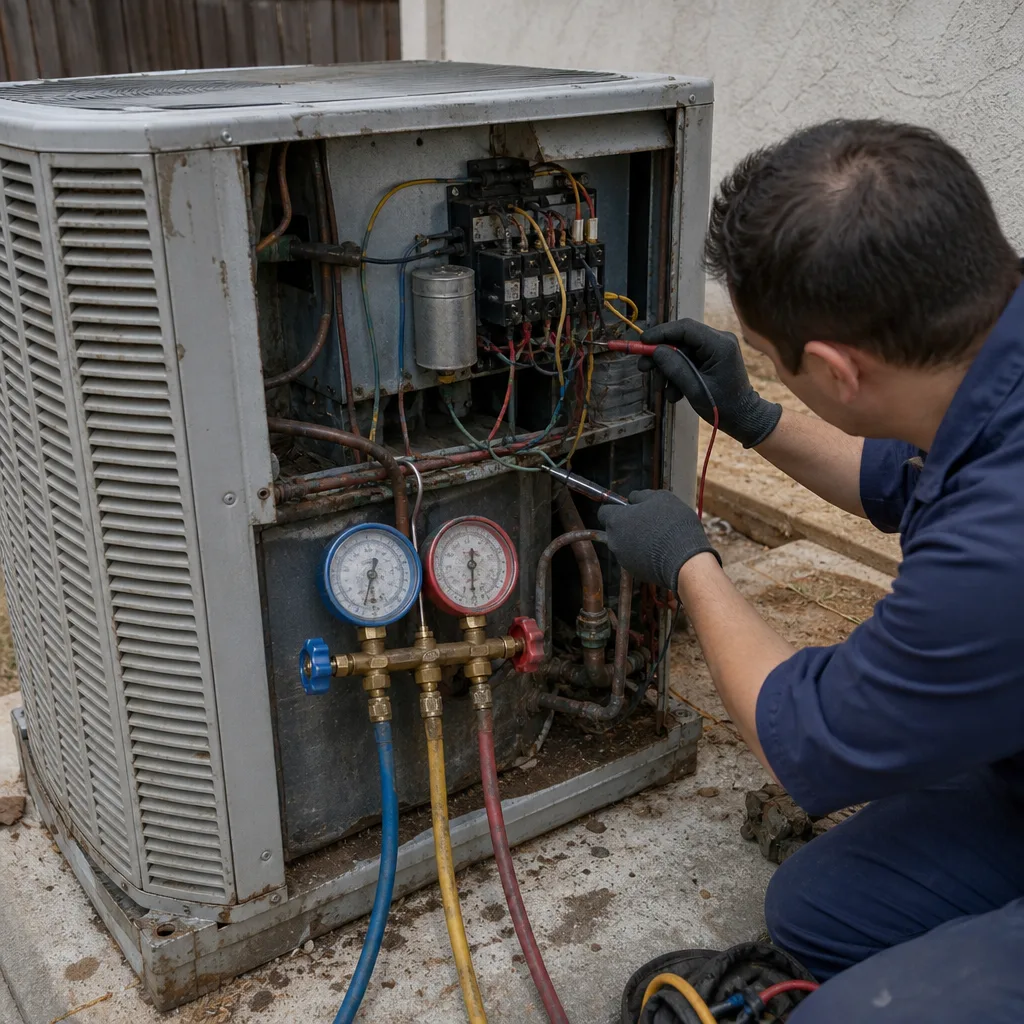
Ray tests the capacitor before anyone says the word compressor. That’s the discipline: readings first, numbers second. A homeowner skipping straight to “your compressor is shot” is exactly the call that costs you $3,000 you didn’t need to spend.
How to Clean Condenser Coils on a Rooftop Package Unit Safely
Rooftop package units are the most common equipment type in Paradise, and the condenser coil is the most skipped cleaning job. Coils on these units collect dust, pollen, and cottonwood fuzz fast, and once they clog, the compressor runs hot and dies a slow death. Cleaning them matters. Cleaning them safely on a roof is a different conversation than cleaning a slab unit.
A note before the steps: if you’re not steady on a ladder, if the pitch of your roof makes you nervous, or if you can’t easily reach the unit without leaning over an edge, don’t do this yourself. Fall injuries from rooftop AC work are a real thing and not worth a saved $150. Call a licensed tech instead. AC repair and installation in Paradise is what we do, and this is one of the tasks we handle.
If you’re comfortable and steady on a ladder, here is the right approach:
- Turn off the system at the thermostat and at the breaker. Wait ten minutes to let any stored charge in capacitors bleed off.
- From the ground where possible, use a garden hose with a gentle nozzle and spray downward through the coil from inside out if you can reach. Spray from outside in if you can’t. Never use a pressure washer; it bends fins and damages the coil.
- If you’re on the roof, stay low and keep three points of contact at all times. Never reach over the cabinet edge while standing on a ladder.
- Use a soft brush or a vacuum on low suction to remove dry debris from the top of the cabinet before wetting anything.
- Inspect the fins for visible damage. Bent fins block airflow the same way dirt does.
- Turn the system back on and confirm it’s running normally before you leave it.
Once a season is plenty for most Paradise homes. If you have cottonwoods or a dusty lot, twice. Anything more is a sign of a deeper airflow problem worth diagnosing.
The Fall Tasks Everyone Skips (and Why They Matter in March)
Here’s the pattern we see in Paradise every year. September hits, the temps drop into the 80s, the AC stops running, and everyone forgets the system exists until March. Then March hits, they turn the unit on, and it doesn’t work. The fall tasks that got skipped are the reason.
The fall service is arguably more valuable than the spring service, because it sets the equipment up to survive its dormant stretch in good condition and come back online clean in March. Here’s what actually matters in October and November:
- Coil cleaning. A coil left dirty all winter grows a film of grime that hardens and becomes harder to remove in spring. Clean it before storage, not after.
- Condensate drain flush. Algae grows in the drain line during the off season. Flushing in October means it comes back clear in March. Skip it, and the first hot week of the season floods your pan or your ceiling.
- Capacitor and contactor test. Capacitors degrade in the heat. A weak one at the end of September is a dead one by April. Test in fall, replace if it’s reading low, and you skip the April no-cool call.
- Filter swap. Replace the filter before storage so you’re not turning the system on in March with a filter that’s been sitting with six months of dust in it.
- Heat cycle verification. Before the cold lands, confirm the heat side works. If a heat pump valve failed over the summer, you want to know in October, not on the first freezing night.
In our experience, the homeowners in Paradise who never seem to have emergency AC calls are the ones who do the October service. It’s not luck. It’s a system that came into spring clean and tested.
What a Maintenance Agreement Should Actually Say
Maintenance agreements are sold hard and understood poorly. The good ones actually protect your equipment. The bad ones lock you into a yearly visit that does little more than change a filter and hand you a bill. Here’s the difference.
What a good agreement includes
- Two visits per year, one in the pre-season window and one in the post-season window, not back-to-back in the same month.
- A written report after every visit listing the actual readings: refrigerant pressures, capacitor microfarads, amp draw, temperature split. Numbers, not checkmarks.
- Priority scheduling for repair calls. When your AC dies in July, agreement holders should get scheduled before someone calling cold.
- A clear statement about what’s included and what’s not. Filters, refrigerant, and parts should all be listed separately.
- A no-hassle cancellation policy. If you can’t get out of the agreement without a fight, it’s not protecting you.
What a bad agreement includes
- Annual visits only, no pre-season and post-season split.
- “Inspection” listed but no readings required. You should see numbers after every visit.
- Auto-renewal with a cancel-by-mail clause. These are designed to be forgotten.
- Hidden discounts that only apply to services the same company sells at a premium. A 10% discount on an inflated quote isn’t a discount.
If you have a heat pump or mini-split, the agreement should also cover a defrost cycle test and inverter diagnostics. Not every company does. We do, and it’s worth asking about. If you’re weighing options, look at heat pump and mini-split service in Paradise as a reference point for what the coverage should look like.
What to Ask Before You Sign
Before you sign any maintenance agreement, get answers in writing to these questions:
- Will I see actual readings after each visit, or just a checklist?
- How many visits per year, and in which months?
- What’s included in the price, and what costs extra?
- Do I get priority scheduling for emergency calls?
- What’s the cancellation policy, and can I cancel without penalty?
- Is the tech who comes out the same tech as last time? Continuity matters more than a rotating crew who has never seen your system.
- What happens if the inspection reveals a problem? Will I get a written estimate, and can I get a second opinion?
The last question matters more than people realize. A maintenance visit should be a report, not a sales pitch. Get the readings, get the estimate, and if you’re not sure, get a second opinion before you sign off on a big repair.
Common Mistakes to Avoid
- Scheduling the spring tune-up in May. By then the heavy season has been running for six weeks and any small issue has already grown. Book in February.
- Skipping the fall service. October and November are when the tasks that protect your equipment through winter actually get done. Skip them and you’re paying for it in April.
- Letting the filter go past 60 days in summer. In a Paradise summer with a rooftop unit, a filter can clog in 30 days. Set a phone reminder.
- Cleaning coils with a pressure washer. It bends fins flat, blocks airflow, and can create leaks. Gentle hose only, always from a safe position.
- Signing an auto-renew agreement without reading the cancel clause. These are designed to trap you into visits you don’t need and can’t easily get out of.
- Accepting a verbal-only inspection. You should have a written report with readings after every visit. If you don’t, you don’t know what was actually done.
- Assuming a heat pump is “just an AC.” It runs year-round here, which means it needs a defrost test and inverter check most checklists don’t include. Ask for both.
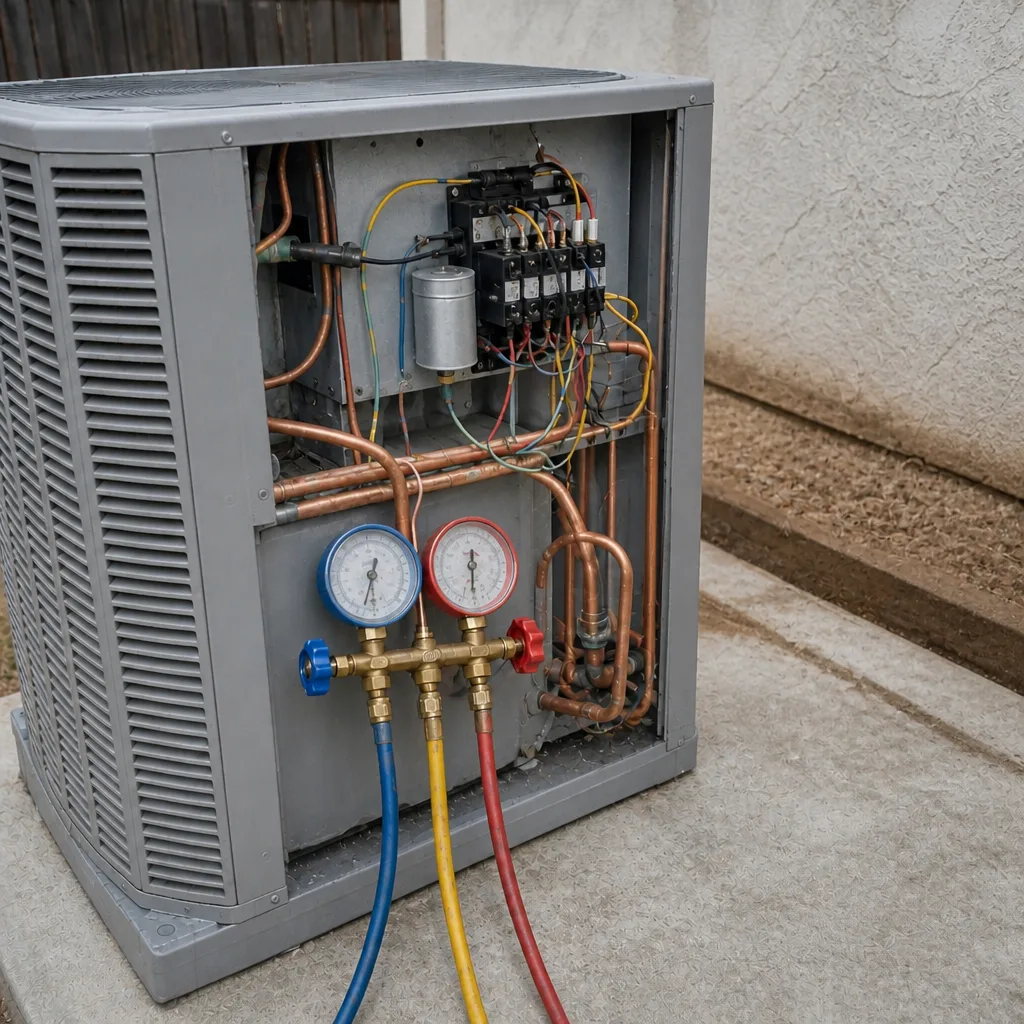
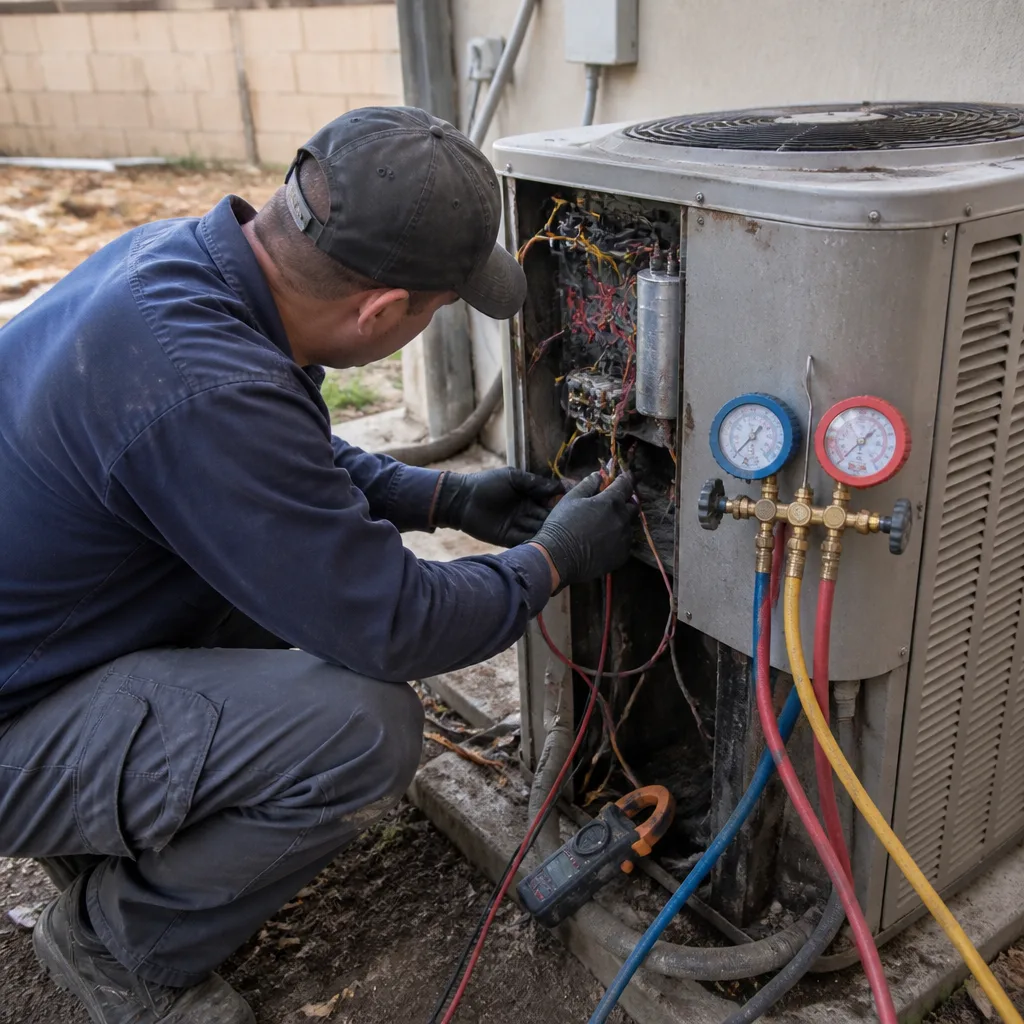
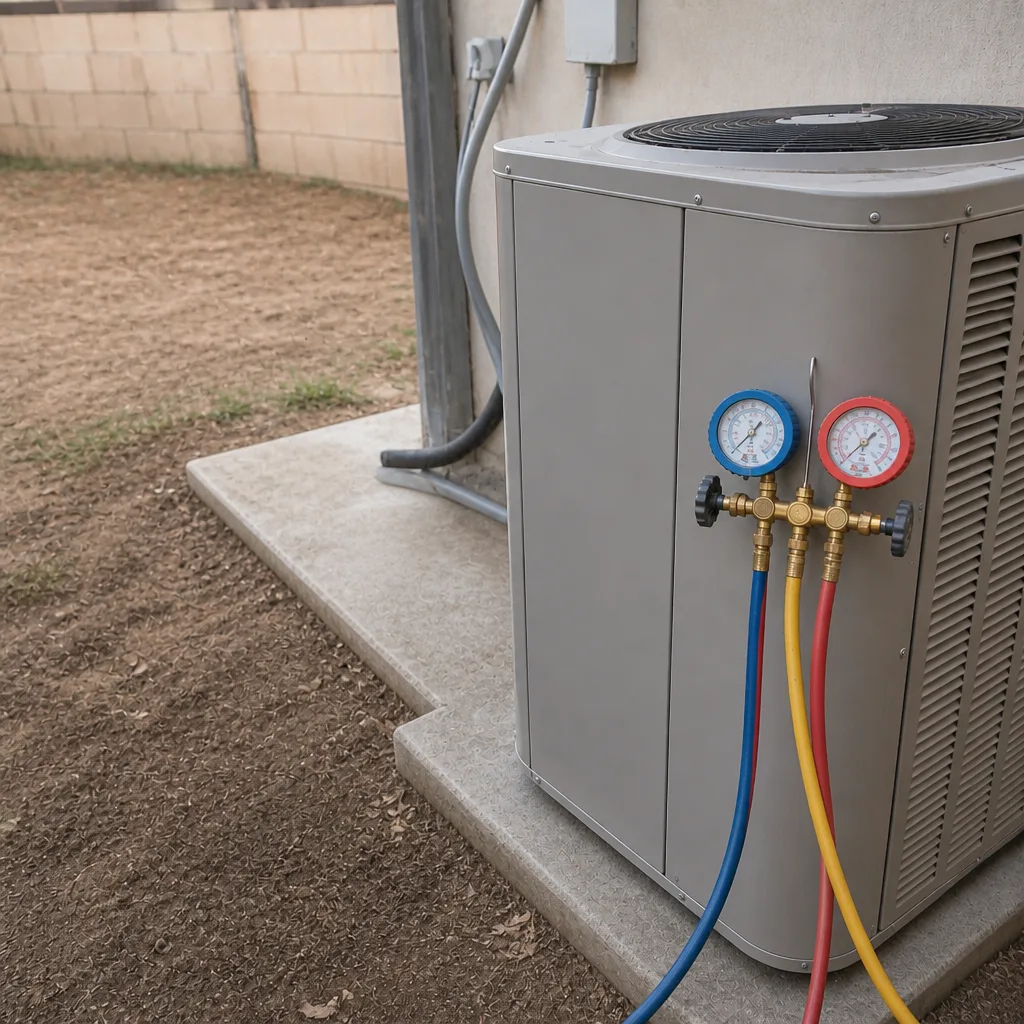
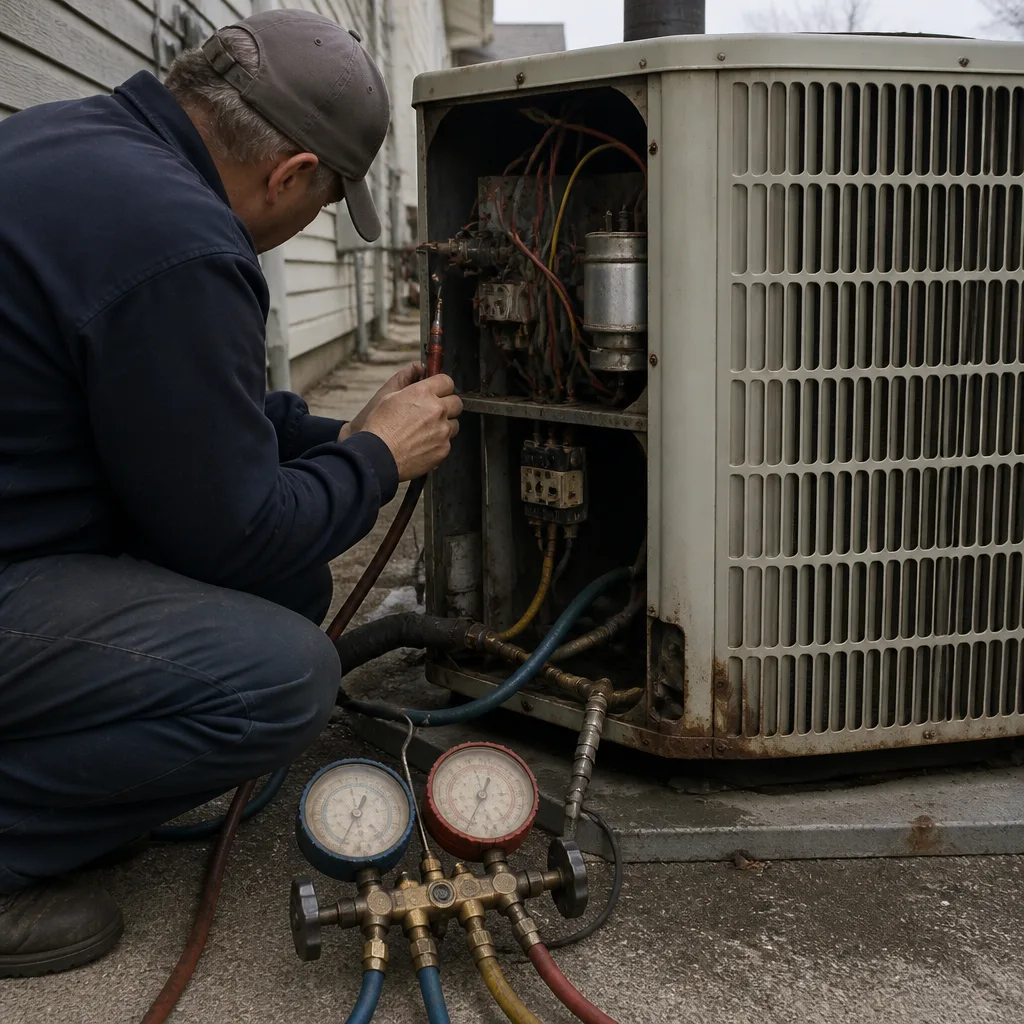
See the difference
 Before
 After
 Before
 After
 Before
 After
When to Call a Professional
Some issues are maintenance. Some are emergencies. Call a professional when: the system isn’t cooling after a filter change and a clean outdoor coil; you see ice on the refrigerant lines; water is pooling under the indoor unit or dripping from a ceiling; you smell gas or burning; the breaker trips when the system starts; or the unit makes a hard clunk on startup. Any of these are signs a licensed tech needs to look, not a homeowner with a YouTube video. On the flip side, a routine maintenance visit is the cheapest call you’ll make all year. Ray’s Heating & Air Paradise offers free estimates in Paradise. Call (855) 664-5714 and get on the calendar for February, not May.
Frequently Asked Questions
Twice per year: a pre-season service in February and a post-season service in October. A single annual visit in spring misses the fall tasks that protect the equipment through the dormant winter and set it up for a clean March startup.
February. By March, the heavy cooling season is already running and any small issue has compounded for weeks. February appointments fill up first because everyone calls at once, so book early.
Only if you’re steady on a ladder and comfortable on a roof. Use a gentle hose, never a pressure washer, and spray from inside out where possible. Start by turning the system off at the thermostat and breaker. If the roof makes you nervous, don’t do it: fall injuries from rooftop AC work are common and never worth the saved cost.
Two visits per year split between pre-season and post-season, written readings after every visit (refrigerant pressures, capacitor microfarads, amp draw, temperature split), priority scheduling for repair calls, and a clear cancel policy. Auto-renewals with mail-in cancellation clauses are a red flag.
Yes. A heat pump in Paradise runs year-round, which means it needs a defrost cycle test in fall and inverter diagnostics if it’s a variable-speed model. A standard AC maintenance checklist often skips both. Ask any company you hire to confirm they include them.
The coil stays dirty through winter, algae grows in the drain line, and capacitors degrade in the dormant stretch. When you turn the system on in March, you’re more likely to find a failure than a working unit. The fall visit is cheaper than the emergency call it prevents.
The Bottom Line
The maintenance schedule that works in Paradise is not the one copied from a Sun Belt template. Book your pre-season service in February, not May. Do the fall service in October and November, because those tasks are what protect the equipment through its dormant stretch. Change filters yourself every 30 days in summer. Call a licensed tech for anything touching refrigerant, electricity, or gas. Get a maintenance agreement that discloses real readings and can be cancelled without a fight. Ray’s Heating & Air Paradise is locally owned, owner-operated, and answers the phone at 2 a.m. If your system needs a look, call (855) 664-5714 for a free estimate. We’ll get on the schedule before March does.
If you want to see how this fits together with the rest of your system, our Ray’s Heating & Air Paradise home page is the place to start.
Written by the team at Ray’s Heating & Air Paradise.