
Last updated November 18, 2026
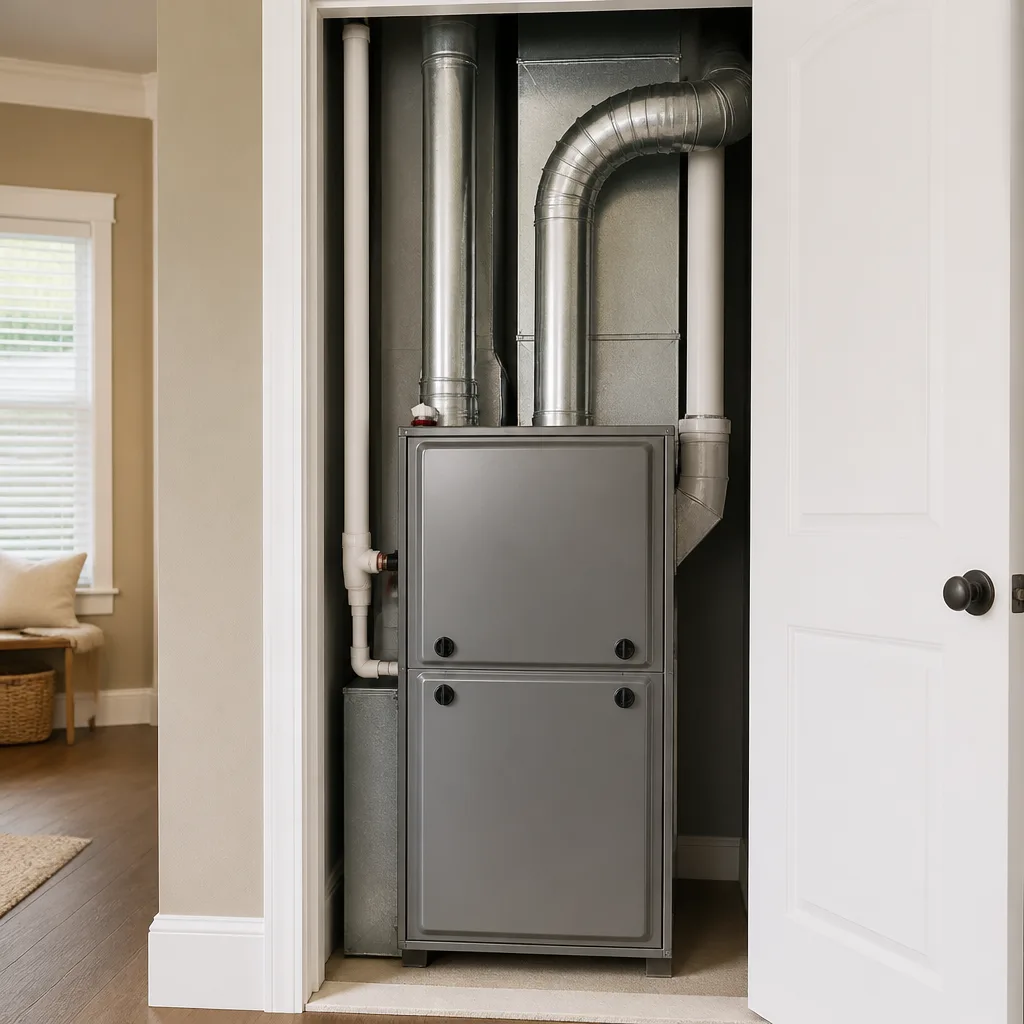 Furnace & heating
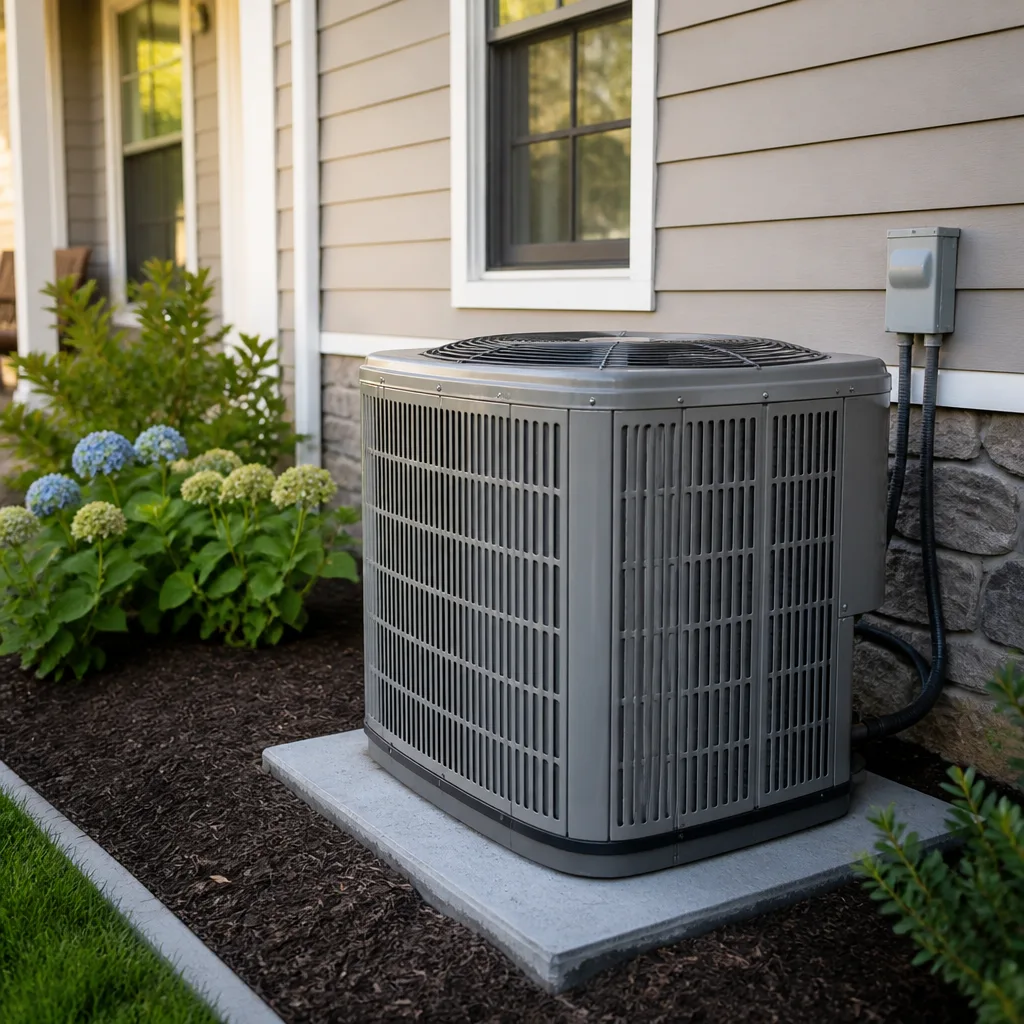 AC repair
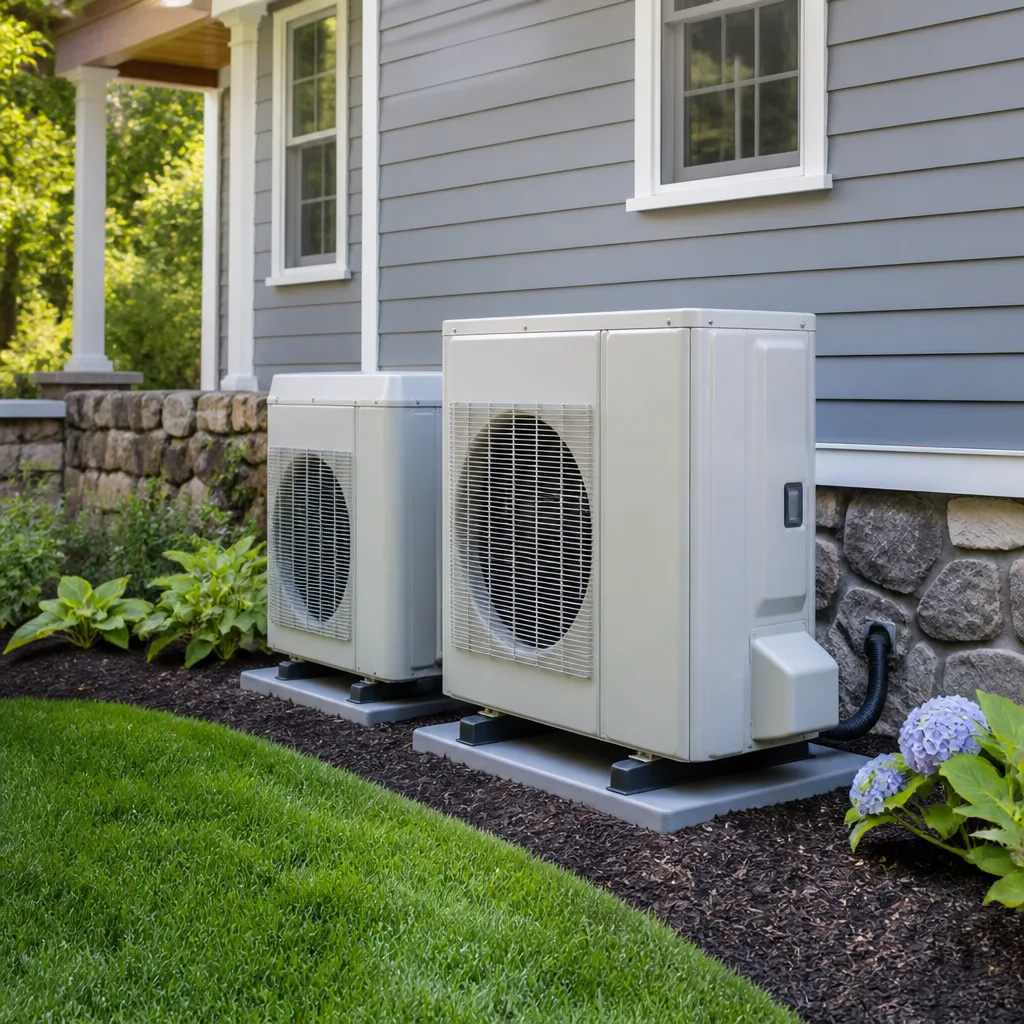 Heat pumps
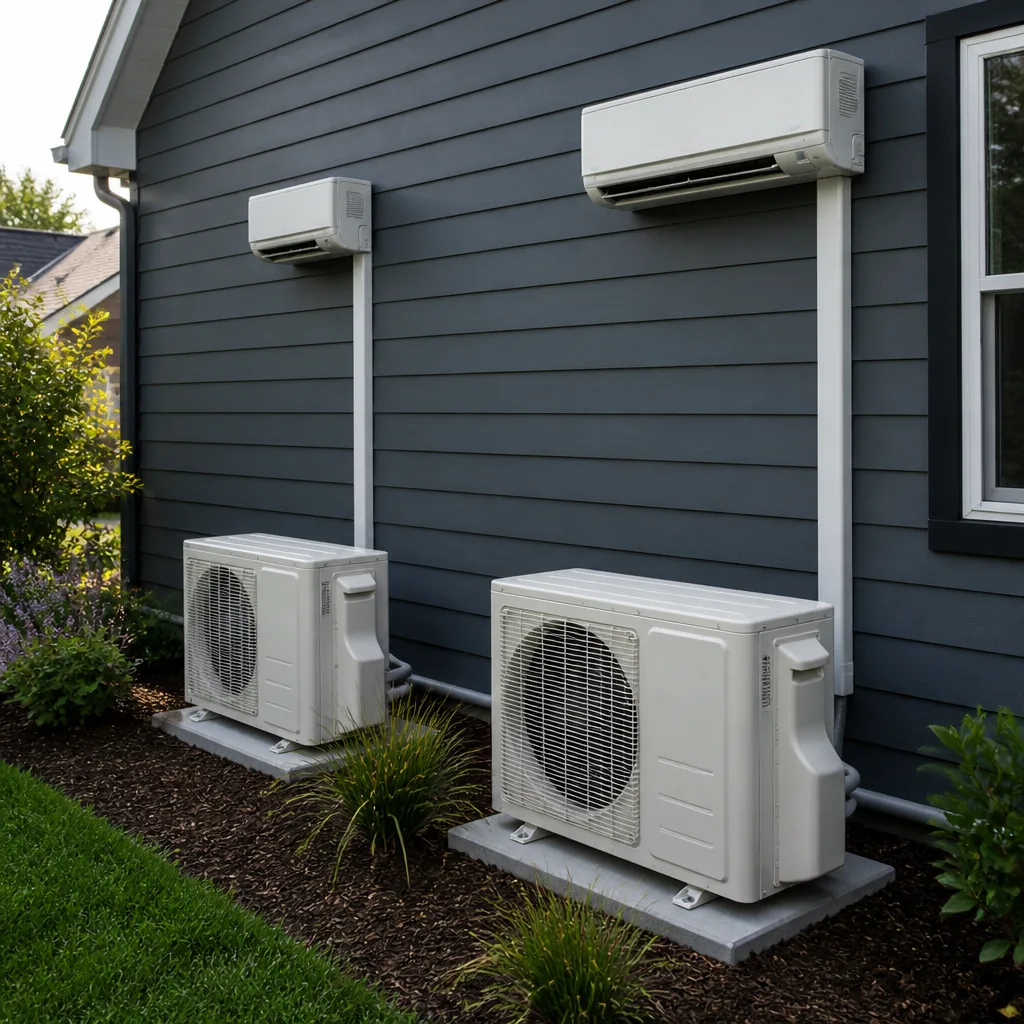 Ductless mini splits
 Carrier
 Trane
 Goodman
Seasonal tune-up and full diagnostic on your Carrier, Trane, or Goodman system - readings shown to you before any repair is proposed
Diagnosis first, numbers second - you approve the repair price before a single part goes in.
Get your free estimateDIY vs Professional Heating & Furnace: What’s Safe to Do Yourself
Carbon monoxide has no smell, no color, and no taste. A cracked heat exchanger that gets “fixed” by a well-meaning homeowner with a tube of furnace cement has killed people who thought the job went fine. That’s the hard truth about furnace work that separates it from most home repairs: the failure doesn’t announce itself. It just quietly fills a house while everyone sleeps. This guide draws a clear line between what’s genuinely safe for a homeowner to handle and what belongs to a licensed professional. We’ll cover the tasks you can do today, the Nevada gas work that’s legally off-limits, and why some tests can’t be faked by anyone without the right equipment. Paradise homeowners deserve straight answers on this.
Quick Answer
Safe DIY furnace tasks are limited to filter replacement, thermostat swaps, cleaning a flame sensor, and changing batteries in carbon monoxide detectors. Anything touching the gas line, combustion chamber, heat exchanger, or venting requires a licensed Nevada contractor by law and by safety. The combustion side of a furnace can produce carbon monoxide when done wrong, and a mistake there can kill without warning.
Styles & brands we work with
- AC repair
- Furnace & heating
- Heat pumps
- Ductless mini splits
- Carrier
- Trane
- Goodman
Table of Contents
- Why furnace work has a harder ceiling than AC work
- The honest list of furnace tasks that are safe to DIY
- Nevada gas work licensing: what the law actually requires
- The combustion safety steps YouTube videos skip
- Pressure-testing your own work vs tests you can’t fake
- What the 90-Day Done Right Promise covers and when it disappears
- Furnace repair in Paradise: local climate and what we see
- Preventive habits that reduce furnace emergencies
Why Furnace Work Has a Harder Ceiling Than AC Work
Air conditioning work is mostly electrical and refrigerant. A mistake there trips a breaker, blows a capacitor, or leaves you hot. Frustrating, but survivable. Gas furnace work is a different animal. The combustion side involves three things that don’t forgive sloppy work: gas, flame, and exhaust venting.
When a furnace burns natural gas, it produces carbon monoxide as a byproduct. In a properly tuned system, that CO gets vented safely outside through the flue. When the heat exchanger cracks, the venting is restricted, or the burn is running too rich, CO leaks into the living space instead. You can’t smell it. You can’t see it. Early symptoms look like a mild headache or the flu, so people take an aspirin and go to bed.
We’ve walked into Paradise homes where a homeowner had “repaired” a flue connection with foil tape because the metal collar felt loose. The tape had melted and the joint was leaking. The family had been running the furnace for three weeks. Nobody in the house had connected their afternoon headaches to the heater in the closet.
That’s the reason a furnace has a lower DIY ceiling than the AC unit outside. AC work is unforgiving of mistakes. Gas furnace work is unforgiving of mistakes you can’t see or smell.
The Honest List of Furnace Tasks That Are Safe to DIY
We’re not going to pretend every furnace task requires a truck in the driveway. Plenty of routine maintenance is well within reach for a careful homeowner. Here’s the list we’d hand a neighbor.
Safe for most homeowners
- Replacing the air filter. Every 1 – 3 months depending on pets and dust. A clogged filter is the single most common cause of an underperforming furnace, and swapping one takes five minutes.
- Swapping a thermostat. Modern programmable and smart thermostats are low-voltage (24V) and generally plug-in or screw-terminal. Turn off the furnace breaker first, label the wires, follow the manufacturer’s diagram. If your old thermostat has a “C” wire or you’re adding one, that step is fine; if you’re running new wire through walls, consider calling us.
- Cleaning the flame sensor. The flame sensor is a small metal rod that proves the burner lit. It gets carbon-coated over time, and a dirty one is one of the top causes of a furnace that starts and then shuts down after a few seconds. Light cleaning with fine steel wool is a common homeowner task – only if you’re comfortable removing the burner access panel and turning off the gas valve first.
- Replacing batteries in carbon monoxide detectors. Do this every six months. Replace the detectors themselves every 5 – 7 years, or per the manufacturer’s date-stamp.
- Clearing the area around the furnace. Combustion air matters. Keep the closet clear, don’t stack boxes against the unit, and don’t drape laundry over the flue.
Not safe, not legal, or both
- Any work on the gas line, gas valve, or gas piping.
- Opening the combustion chamber, burner assembly, or heat exchanger.
- Adjusting the gas pressure or burner air mixture.
- Changing or repairing the flue, vent pipe, or draft hood.
- Replacing a control board, inducer motor, or blower motor.
The dividing line isn’t “does it look hard.” It’s “does a mistake produce carbon monoxide or an explosion risk.” If the answer is yes, that’s licensed work.
Nevada Gas Work Licensing: What the Law Actually Requires
Nevada doesn’t leave this to judgment calls. Gas piping and gas appliance work requires a contractor licensed by the Nevada State Contractors Board in the appropriate classification. For residential HVAC work that includes gas, that’s typically a Class C-21 (air conditioning and refrigeration) or C-21a license with gas work covered, or a plumbing classification for the gas piping itself. Anyone performing work that requires a license without one is unlicensed contracting, and it’s a misdemeanor in Nevada on a first offense.
When someone knocks on your door in Paradise and offers to “just take a look” at your gas furnace, here’s what a legitimate license number looks like and why it matters to check it:
- It’s on the estimate and the truck. A licensed contractor publishes the number. Ray Alvarez publishes his name, address, and license number because anyone can then verify the license status at the Nevada State Contractors Board website in about sixty seconds.
- It’s tied to a real business address. PO boxes and out-of-state addresses on a gas work estimate are a red flag.
- It’s active. Licenses get suspended, expire, or get revoked. The website tells you instantly whether the number is current.
- It’s insured and bonded. Nevada requires both for licensed contractors. Unlicensed work means no bond, no insurance, and no recourse if your house burns or someone gets hurt.
Homeowner permits do exist for some HVAC work in unincorporated areas, but they don’t cover gas line or combustion-side repairs. Gas work is contractor work in Nevada. If a homeowner does it themselves anyway, the liability stays with the homeowner.
The Combustion Safety Steps YouTube Videos Skip
This is where the DIY conversation gets uncomfortable. YouTube furnace repair videos are often useful for understanding how a component works. What they consistently leave out is the combustion safety verification a licensed tech performs after any gas-side repair.
Here’s what that verification actually includes:
- Combustion analysis. A handheld analyzer measures oxygen, carbon monoxide, and stack temperature at the flue. A tech reads those numbers to confirm the fuel is burning clean. You can’t eyeball a burner flame and know this, even if it looks blue.
- Draft pressure test. The flue has to draft correctly, and that means a pressure reading. A draft that “feels” fine carries no meaning; the manometer either shows the right negative pressure or it doesn’t.
- Heat exchanger inspection. The heat exchanger is what separates the combustion gas from your living-room air. It’s inspected with a camera or by visual access that usually requires disassembly. Cracks, holes, or corrosion mean the furnace is condemned – not repaired.
- Gas leak test at every joint that was touched. Dawn dish soap and water works for a bubble test, but a tech uses an electronic leak detector and confirms all joints, not just the one that was touched.
- Duct static pressure. A furnace that’s running against a restricted duct system can overheat and short-cycle even if the burner is perfect. Static pressure readings tell you whether the whole system is behaving.
The gap isn’t competence. The gap is that a YouTube video shows you how to clean a flame sensor and then the video ends. On a professional job, the cleaning is the start of the job, not the end of it. We had this come up recently when a Paradise homeowner cleaned their own flame sensor, got the furnace running again, and then called us two weeks later because the CO detector had started chirping. The sensor cleaning had nothing to do with the CO. The cracked heat exchanger underneath it did.
Pressure-Testing Your Own Work vs Tests You Can’t Fake
Here’s the honest middle ground. Some tests a careful homeowner can do. Others can’t be faked by anyone, including us.
Tests a homeowner can do
- Bubble test on gas joints. A spray bottle of soapy water on a joint you can access will show a leak as growing bubbles. This is a valid spot check and worth doing after any gas-side work, even professional work.
- CO detector test. Press the test button, confirm it alarms. Better: buy a low-level CO monitor (they read down to 5 – 10 PPM instead of waiting for 70 PPM). These catch slow leaks standard detectors miss.
- Visual inspection from outside. Look at your furnace vent termination on the roof or sidewall. A blocked or sagging vent, or a vent with a nest in it, is a problem you can spot without a ladder and a manometer.
- Return-air check. Feel the return grilles throughout the house. Weak suction at return grilles means the system is starving for air.
Tests you can’t fake without equipment
- Combustion analysis requires a calibrated combustion analyzer ($300+ to buy, $150+ to recalibrate annually). You cannot “feel” whether the flame is producing 40 PPM or 400 PPM of CO.
- Draft pressure requires a manometer. A chimney that drafts wrong in spring, when the outside temperature is 65°F, can simply be undetectable without instrumentation.
- Static pressure requires a differential pressure gauge and access ports in the ductwork.
- Gas line pressure test requires a manometer rated for the pressure involved and time under pressure. A bubble test on the one joint you can see doesn’t substitute for a whole-system test.
If you’re going to do anything on the safe list, do it well. If the job requires one of the tests on the second list, that’s the line. That’s where a licensed tech belongs, and it’s where we get called. For a deeper look at how we handle heating and furnace work in Paradise, that page walks through the whole process from diagnostics to startup.
What the 90-Day Done Right Promise Covers (And When It Disappears)
Every heating and cooling job we do carries the 90-Day Done Right Promise in writing. If a repair we made fails within 90 days, one call brings Ray back to make it right, at no charge, with no hassle. That’s the whole promise. It’s stamped on the job because it’s simple enough to remember.
Here’s the part people don’t realize until it matters: that promise goes away the moment unlicensed work has been done on the unit. Not because we’re being clever with the fine print. Because the manufacturer’s warranty and our own work warranty both depend on the system being serviced correctly, with documented parts, documented combustion readings, and a licensed contractor standing behind each step.
Consider a typical scenario. A homeowner calls because their Carrier furnace is short-cycling. We come out, diagnose a failing flame sensor, replace it, and deliver a written estimate for the labor. Six months later the furnace won’t light at all. We come back under the promise. But if between those two visits the homeowner had taken the burner assembly apart themselves and reinstalled it with the gas valve under-torqued, that second visit is a different job. The original repair hasn’t failed – it’s been overrun by work we can’t verify. Same with any repair done by an unlicensed handyman who “does HVAC on the side.” The unit’s service history no longer carries a name behind it.
This is why we push the free second opinion on any written estimate. If a competing contractor hands you a number for a furnace replacement, bring it to us and Ray will look at it. We’d rather put the diagnostic in front of you and let you decide than see you spend four thousand dollars on a furnace that needed a $180 flame sensor and a good cleaning.
Furnace Repair in Paradise: Local Climate and What We See
Paradise sits at the edge of the Mojave, and the climate shapes furnace problems in ways homeowners in colder climates read about and never experience. Overnight January temperatures in Paradise drop into the high 30s and low 40s regularly. The furnace runs all night, then sits idle for twelve hours through a sunny 65-degree afternoon. That up-and-down cycling stresses igniters and flame sensors faster than a furnace that runs steady.
Three specific Paradise patterns shape what we see on service calls:
- Spring furnace failures on first cool-down. A furnace that ran fine in February, sat off through a hot April, and then doesn’t fire on the first cool night in October is a seasonal restart problem. It’s almost always an igniter, a flame sensor, or a spider web in the burner orifice. We see more of these in Paradise in mid-October than any other month.
- Desert dust and the burner. The dry desert air means dust migrates into burner compartments. A furnace that sits for six months pulls in a layer of fine dust, and the flame sensor picks it up first.
- Attic duct leakage in the heat-cool transition. Paradise homes often run ducts through attics that hit 140°F in September and drop to 40°F in December. Duct tape and mastic fail at those temperature swings, and the furnace then fights a leaking duct system all winter.
We know this because we’ve been doing this work here long enough that the seasonal patterns are predictable. A heat pump or ductless system can change that pattern entirely, and the heat pump and mini-split work in Paradise page explains how those systems handle the swing differently. If your gas furnace is aging out, or a heat pump is on your shortlist, AC repair and installation in Paradise covers the cooling side of the same decision.
Preventive Habits That Reduce Furnace Emergencies
The best way to avoid a furnace emergency in Paradise is a small set of habits that don’t require any tools.
- Change the filter on a schedule, not a feeling. Write the date on the filter frame with a Sharpie. If you have pets, every 30 days. If not, every 60 – 90. A filter that looks “not that bad” can still be 70% loaded with fine dust.
- Get a professional tune-up before the first cold snap. Late September or early October. Not because a furnace is guaranteed to fail without it, but because the tune-up catches the igniter that’s about to go and the flame sensor that’s already carbon-tracked. A tune-up costs a fraction of an emergency call in December.
- Test CO detectors monthly. Actually press the button. The old joke about replacing batteries during the annual clock change doesn’t work here because there’s no daylight saving time in Nevada. Pick a fixed date – the first of the month – and stick to it.
- Listen to the furnace at startup. Three seconds of a low rumble is normal. A metallic scrape, a repeated click-click-click without ignition, or a whoosh sound when the blower kicks on – each of those is telling you something.
- Keep a written record of every repair. The name of who did the work, the date, the part replaced, and the readings taken. When a technician shows up with a documented history, the diagnostic goes faster and the estimate stays honest.
One more habit specific to Paradise homes with closets that house the furnace: don’t store paint. Don’t store gasoline cans. Don’t store cleaning products. Combustion air has to come from somewhere, and a closet that doubles as a storage unit is a closet that starves the furnace and draws fumes back into the house.
Common Mistakes to Avoid
- Trusting a blue flame as a sign of safe combustion. A flame can look perfect and the CO reading can still be dangerous. Combustion analysis is the only way to know, and there’s no substitute.
- Cleaning the flame sensor with sandpaper. Fine steel wool only. Sandpaper scratches the sensor and accelerates future failure. We’ve replaced more sensors than necessary because of a homeowner’s sandpaper.
- Taping a flue or gas connection “just until the tech gets here.” Foil tape on a flue is a fire and CO leak risk. If something looks wrong with the vent, turn the furnace off and call.
- Using a shop vac on the burners. The shop vac’s motor can backfire gas or send dust into the gas valve. Burner cleaning requires the correct procedure or a professional, not a Home Depot vacuum.
- Buying a “smart” thermostat without checking the C-wire situation. Paradise homes from the 1980s often don’t have a common wire at the thermostat. The smart thermostat drains the batteries trying to run without one. Verify before you buy.
- Calling the outfit with the biggest ad instead of checking the license. The Nevada State Contractors Board website is free, takes a minute, and gives you the same information a phone call wouldn’t.
- Running a furnace after a roof or CO alarm has gone off “just to see if it comes back on.” If the CO detector has fired, shut the furnace down and call. The “let’s try it one more time” instinct has a body count.
See the difference
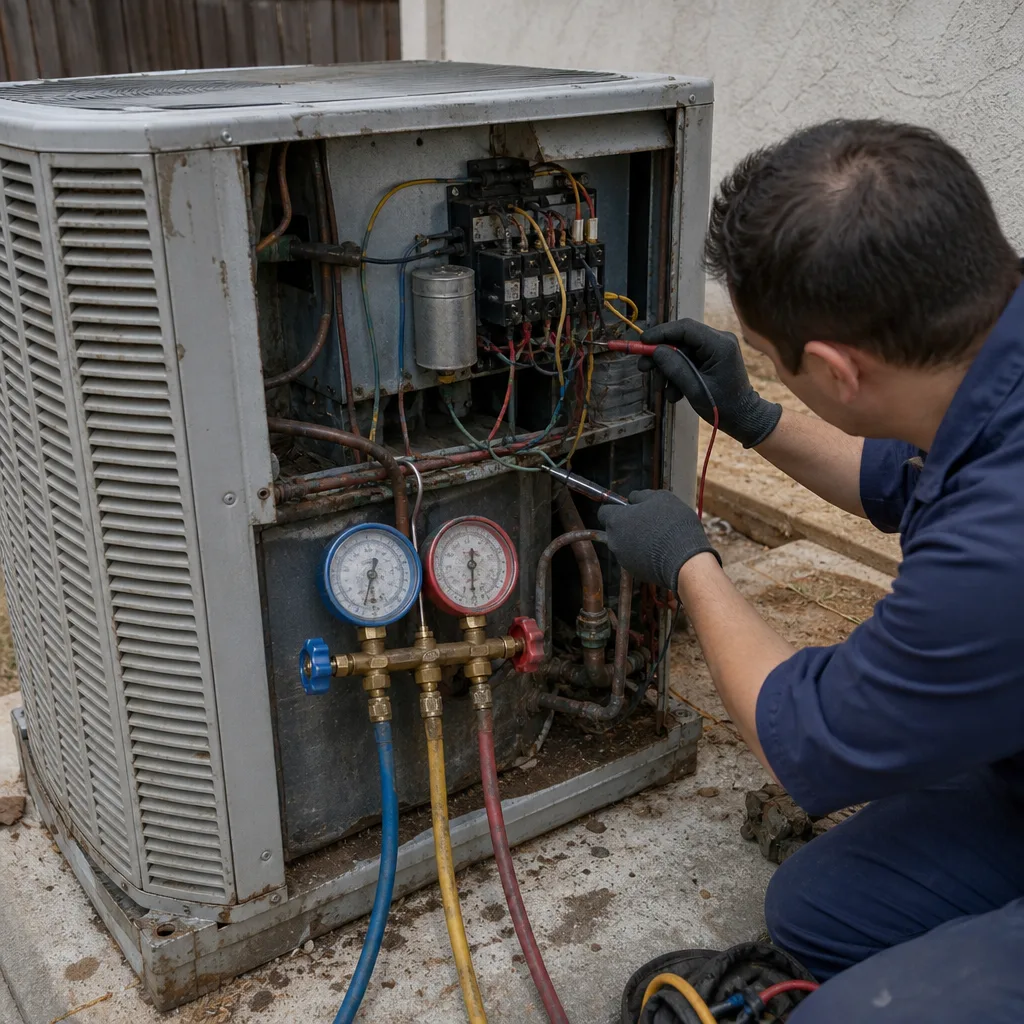 Before
 After
 Before
 After
 Before
 After
When to Call a Professional
Call a licensed professional immediately if any of these are true: your CO detector alarms and doesn’t clear after resetting, you smell gas, your furnace vents black soot around the flue, your burners are visibly yellow or lifting off the burner, the heat exchanger is known or suspected to be cracked, or the furnace trips the breaker on startup. Those are not DIY situations. They’re not “let me watch a video” situations. Call us now, turn off the gas valve at the furnace if you can do so safely, and leave the house if anyone in the home is showing headaches, nausea, or drowsiness.
Also call when you’re ready for a real tune-up, a smart thermostat that needs running new wire, or a plan for a system that’s getting old. Ray’s Heating & Air Paradise offers free estimates in Paradise, and every call gets a live person – Ray himself answers his own phone at two in the morning if that’s what’s happening. Reach us at (855) 664-5714.
Frequently Asked Questions
You can legally replace a filter, swap a thermostat, and clean a flame sensor on your own gas furnace in Nevada. Anything that touches the gas line, gas valve, burners, heat exchanger, or venting requires a licensed contractor under Nevada State Contractors Board rules. Homeowner permits exist for some work, but they don’t cover gas-side repairs, and unlicensed work exposes you to liability and voids the manufacturer’s warranty on the equipment. Call us at (855) 664-5714 if you’re not sure where a task falls.
You usually can’t tell without a CO detector, because carbon monoxide has no color, no smell, and no taste. By the time symptoms like headaches, dizziness, or nausea show up, exposure has already been significant. Install a low-level CO monitor, test it monthly, and if it ever alarms, turn off the furnace and call immediately. Call (855) 664-5714 – we’ll come out and do a full combustion analysis to verify what’s actually happening.
A real furnace tune-up in Paradise includes filter inspection, burner flame inspection, flame sensor cleaning, igniter check, blower motor amp draw, combustion analysis with a CO reading, vent and draft inspection, heat exchanger visual inspection, and a written report of the findings. Not the “$49 special” that only swaps a filter. If a company won’t put combustion readings on paper, that’s not a tune-up. Call for pricing – estimates are free.
Yes. Every major manufacturer, including Carrier and Trane, conditions the parts warranty on installation and service by a licensed contractor. Documented service records are part of the warranty claim process. An unlicensed repair leaves no documentation and no license behind it, so a claim on the heat exchanger or control board fails. This is also why our 90-Day Done Right Promise stops covering a unit once unlicensed work has been done on it – we can’t verify what came before. Call us at (855) 664-5714 for a free second opinion on any written estimate.
Cleaning a flame sensor with fine steel wool is a reasonable homeowner task if you can safely turn off the gas valve and remove the burner access panel. The reason we suggest caution is that cleaning the sensor gets the furnace running again but doesn’t tell you why it was dirty. Carbon-tracked sensors often sit on top of a combustion problem a professional has to look at. Call (855) 664-5714 if your furnace has failed the sensor twice in a season.
AC work is mostly electrical and refrigerant, so a mistake usually means a tripped breaker or a hot house. Furnace work includes combustion, so a mistake can produce carbon monoxide, which is a life-safety problem. That’s why AC has a slightly higher DIY ceiling than a gas furnace. For a full breakdown of the AC side, see our overview at the Ray’s Heating & Air Paradise home page.
The Bottom Line
The safe DIY furnace list is real, but it’s short: filter, thermostat, flame sensor cleaning, CO detector batteries, and clearing the space around the unit. Everything on the combustion side – gas line, gas valve, burners, heat exchanger, venting – belongs to a licensed Nevada contractor by law and by safety, because a mistake there produces carbon monoxide that doesn’t announce itself. YouTube can teach you how a component works. It doesn’t teach the combustion analysis and draft pressure test that verify the repair is actually safe. If you’re in Paradise and your furnace is doing anything beyond a dirty filter, call us. Free estimates, live person on the phone, and a written 90-Day Done Right Promise on every job.
Ready to have someone look at it? Call Ray’s Heating & Air Paradise at (855) 664-5714 for a free estimate.
Written by the team at Ray’s Heating & Air Paradise.