
Last updated November 18, 2026
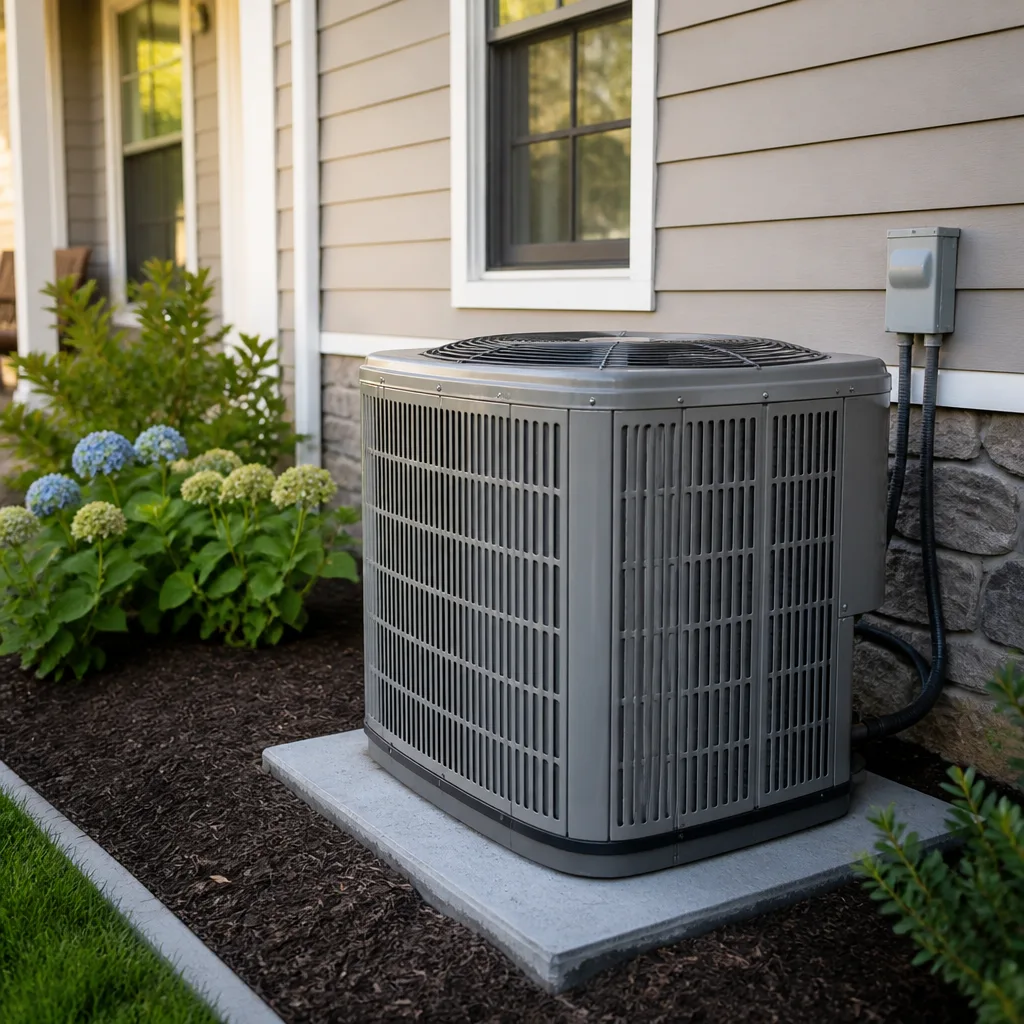 AC repair
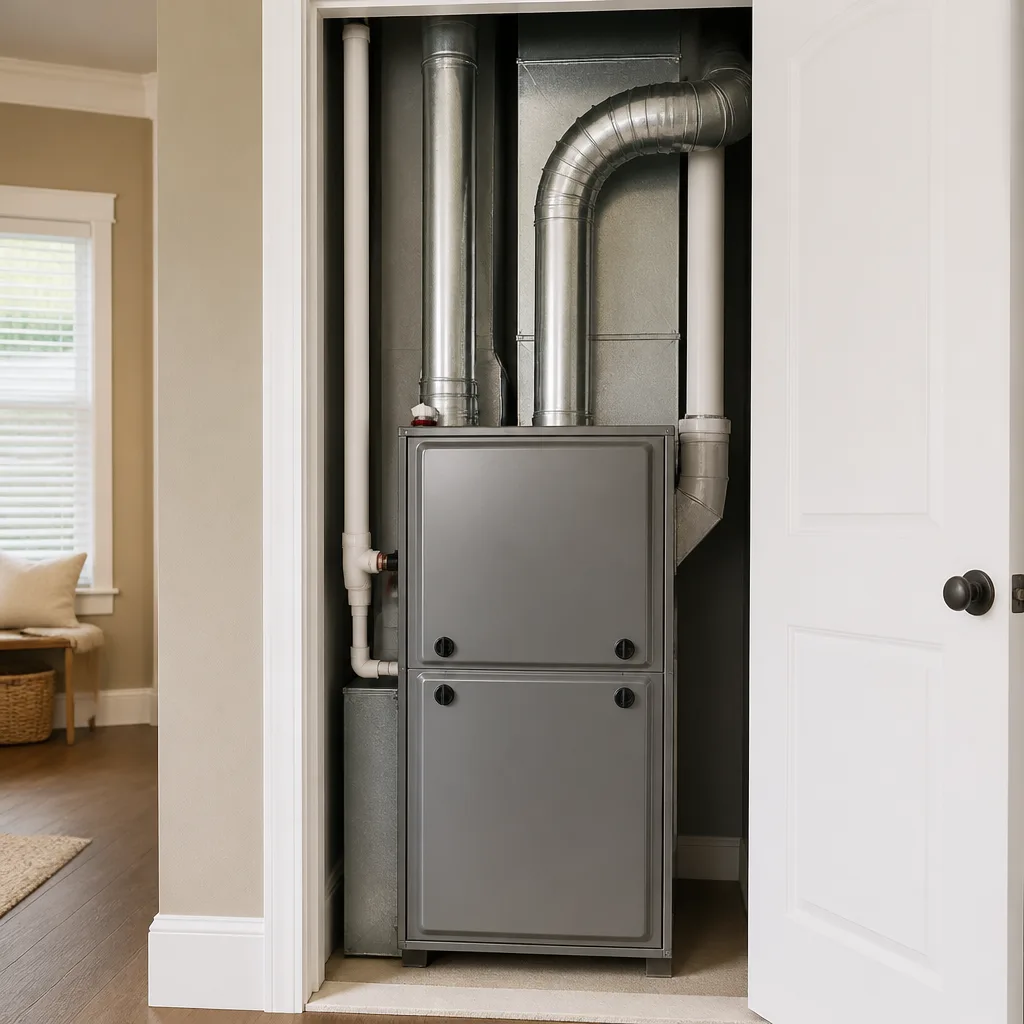 Furnace & heating
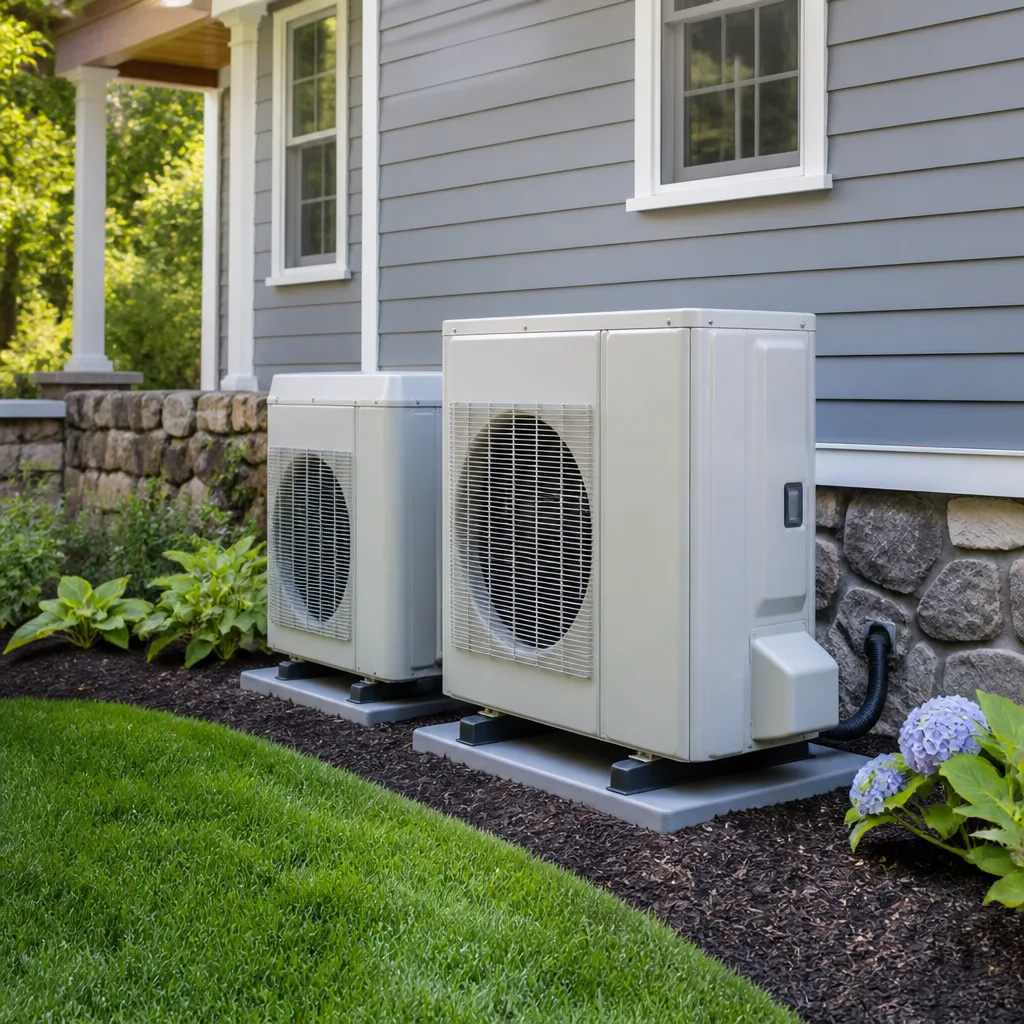 Heat pumps
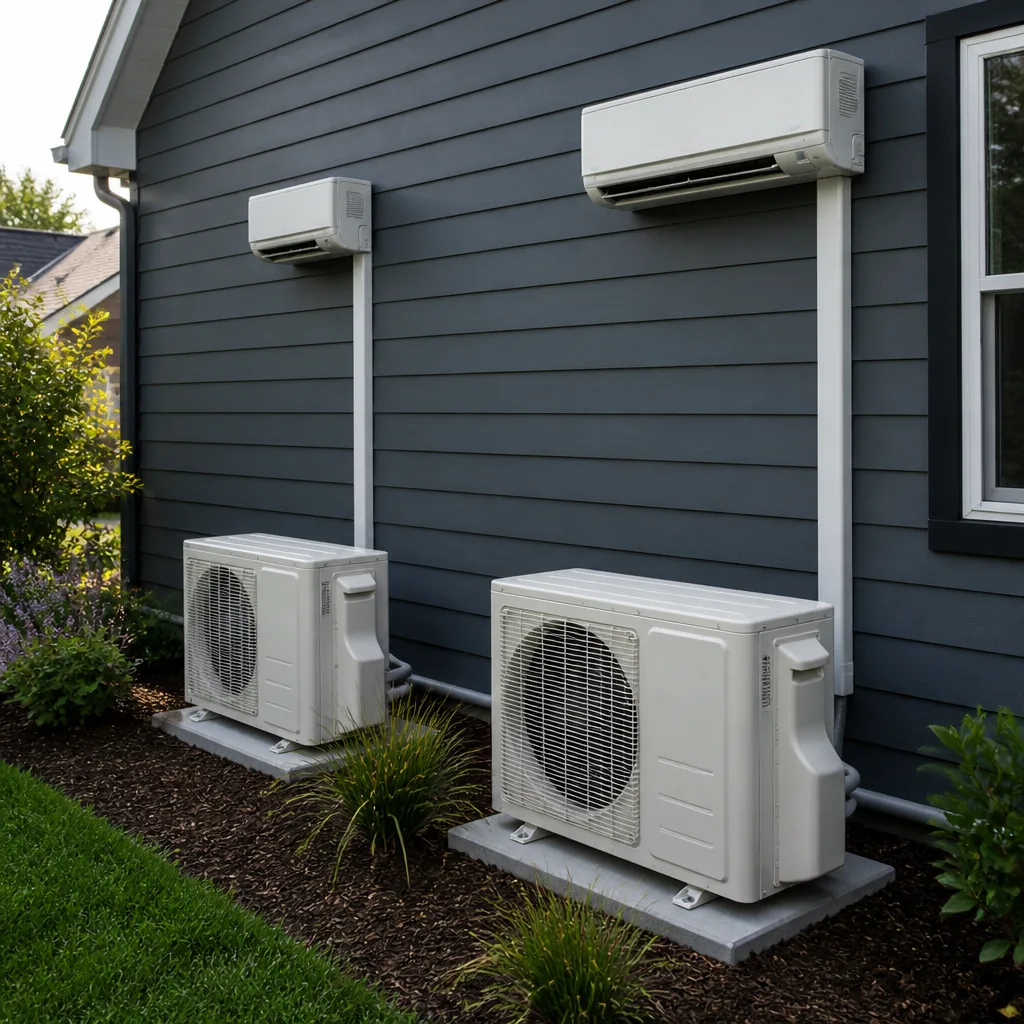 Ductless mini splits
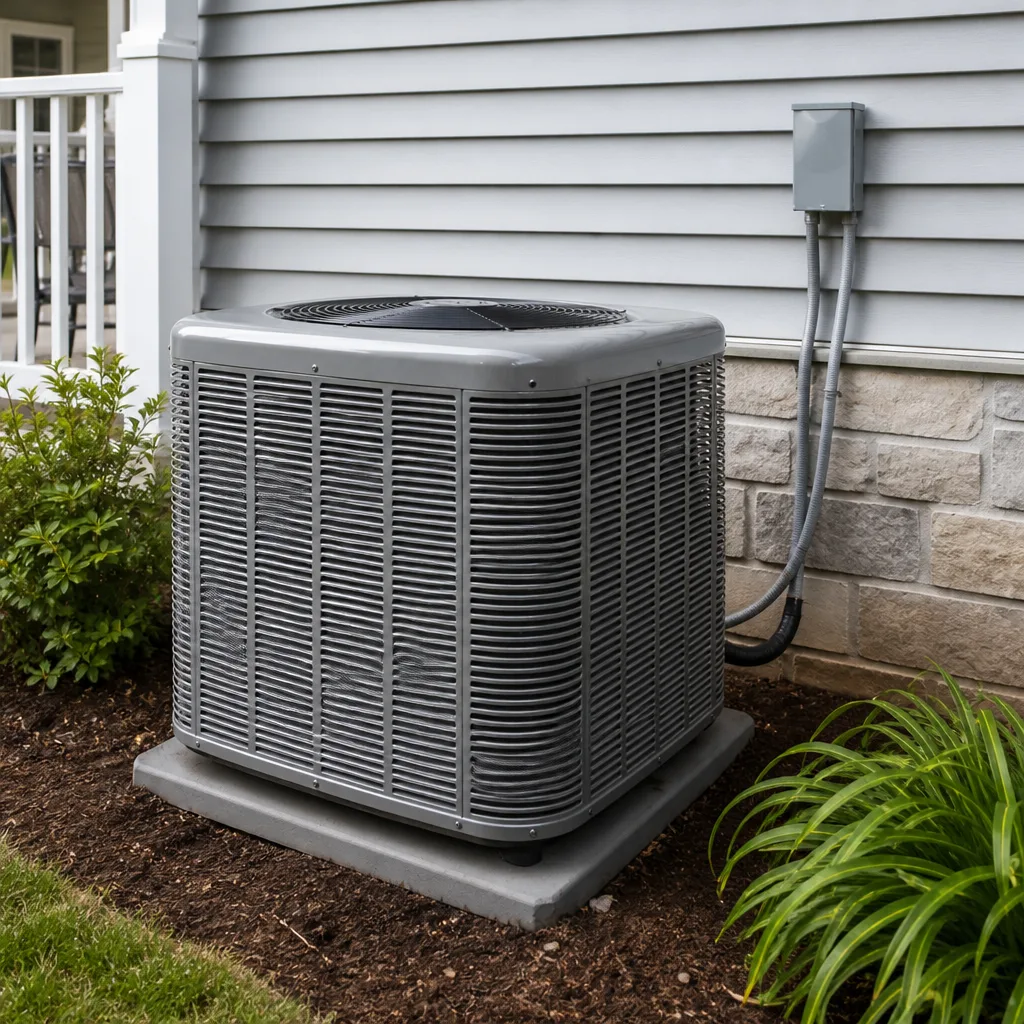 Carrier
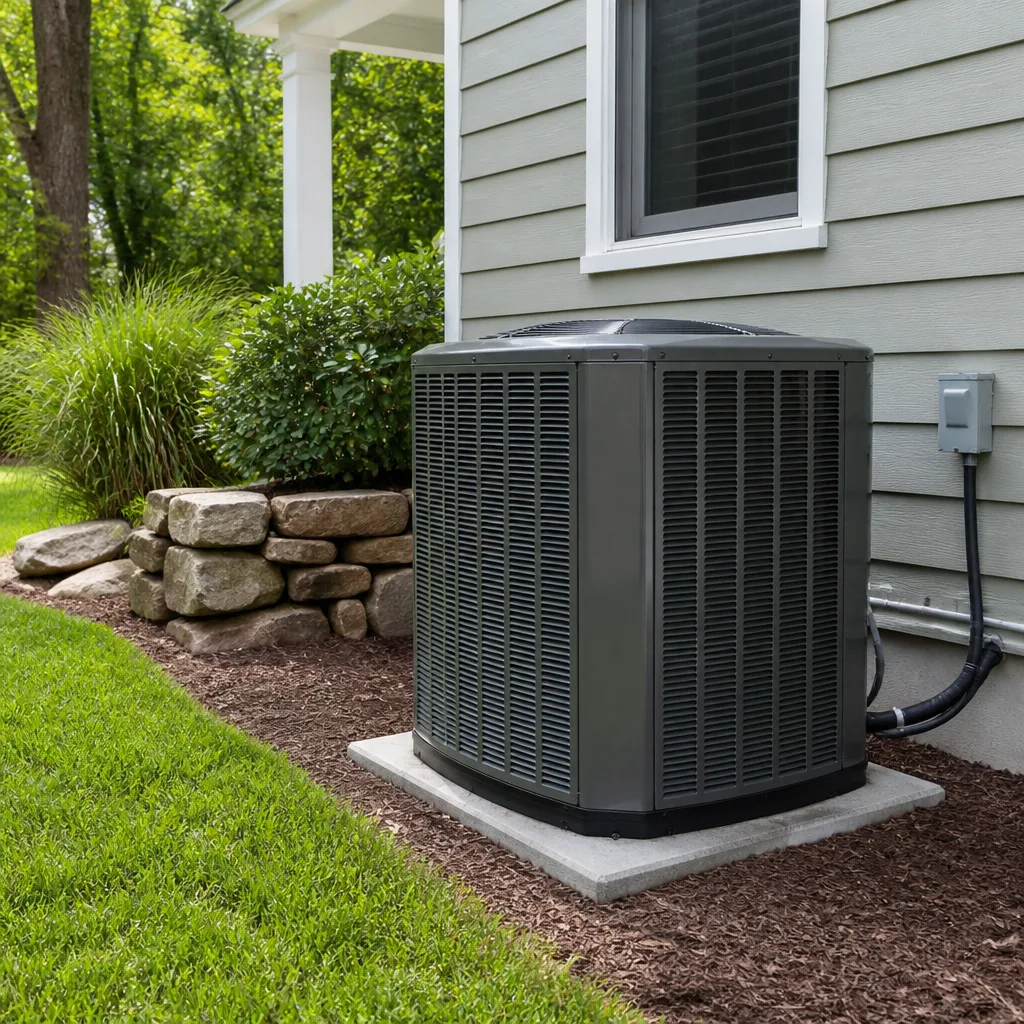 Trane
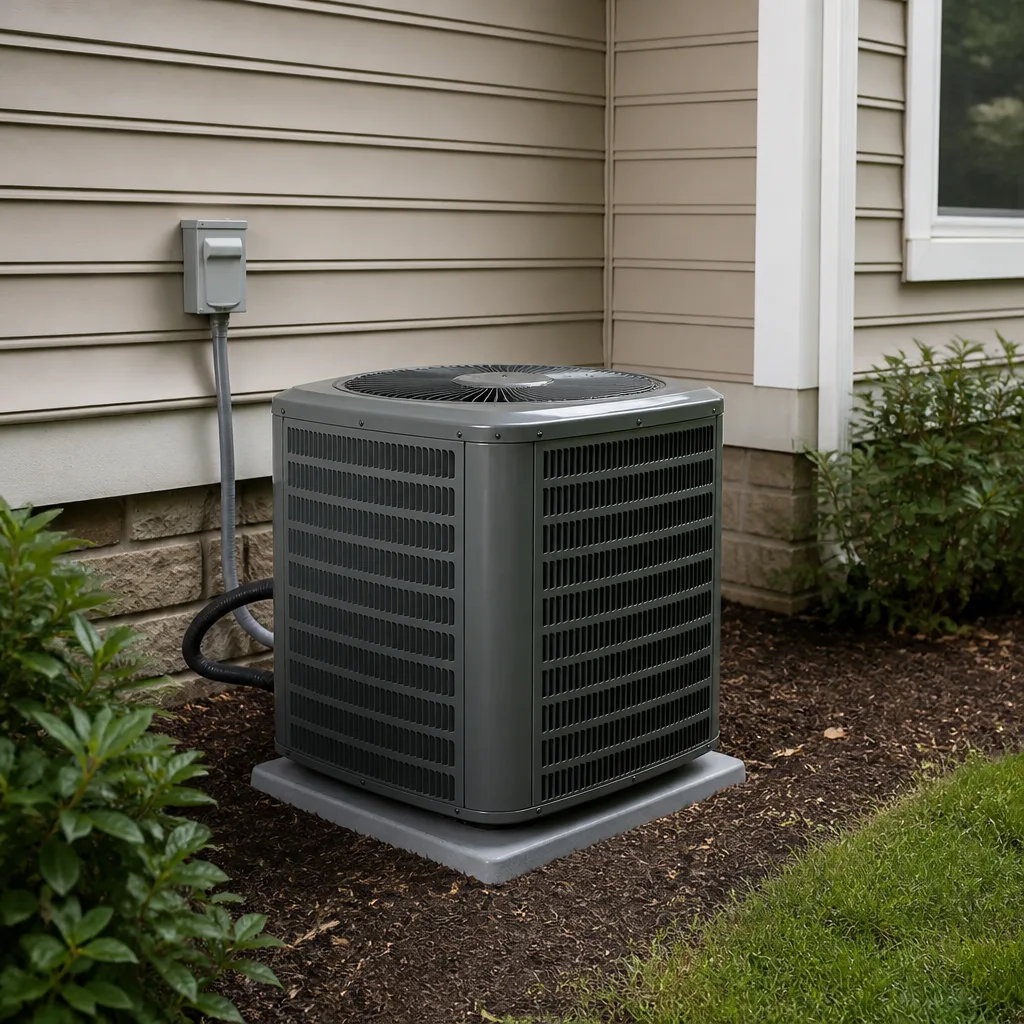 Goodman
Seasonal tune-up and full diagnostic on your Carrier, Trane, or Goodman system - readings shown to you before any repair is proposed
Diagnosis first, numbers second - you approve the repair price before a single part goes in.
Get your free estimateHow Long Does Emergency & Commercial HVAC Take? Timelines and What to Expect
Here’s the number that surprises most business owners: a commercial HVAC emergency has two clocks, not one. The first is how long until your space is comfortable enough to keep the doors open. The second is how long until the system is actually fixed. In our experience, those two numbers almost never match. When we pick up a panicked call from a shop owner in Paradise, the first thing we do is separate those timelines out loud, because pretending a band-aid is a cure is exactly how a business gets blindsided by a second failure two weeks later. This guide walks through realistic timelines for both clocks, the failures we see most, and how to keep staff and customers from walking during a longer repair.
Quick Answer
Emergency commercial HVAC response usually gets a trained tech on site within a few hours, and temporary cooling can often be restored the same day. But a full, permanent repair typically takes one to three days, and longer if a major part like a compressor has to be ordered. The realistic time to full repair depends on the failure, the part’s availability, and the size and zone count of your building.
Styles & brands we work with
- AC repair
- Furnace & heating
- Heat pumps
- Ductless mini splits
- Carrier
- Trane
- Goodman
Table of Contents
- Two Timelines, Not One
- How Long Each Common Failure Takes
- The Parts Reality in the Las Vegas Market
- Why Building Size Multiplies the Clock
- Rental Cooling and Business Continuity
- What to Tell Staff and Customers
- Common Mistakes to Avoid
- When to Call a Professional
Two Timelines, Not One
The single most useful habit a business owner can build is to ask two separate questions every time the system goes down. How fast can you get me cool? And how fast can you fix it for good? Those are different projects with different tools, and a straight-dealing contractor will give you both answers without blurring them together.
Time to temporary relief is usually short. A tech can often jumper a control, get a zone limping along, or set a portable unit so the sales floor stops baking. That can happen inside a single visit. Time to full repair is a different animal. It means diagnosing the actual cause, ordering the right part if it isn’t on hand, and doing the job right so the same thing doesn’t fail again.
In the Paradise heat, that first clock matters more than people admit. A commercial space without cooling in July can hit temperatures that are genuinely unsafe for customers and staff, and it can void equipment warranties and stress every other component in the building. So we treat the two clocks honestly: we buy relief fast, then we fix the cause.
- Temporary relief: often same-day, usually a few hours after arrival.
- Full repair, part on hand: typically one day.
- Full repair, part ordered: one to three days, sometimes longer.
- Full system replacement: scheduled days in advance, with a fixed written price and a set install date, never a same-day promise.
When the work calls for a new unit rather than a fix, that’s a load-calculated, ordered, and scheduled job through AC Repair & Installation in Paradise, and we’ll tell you that up front instead of letting you wait for a same-day miracle that isn’t coming.
How Long Each Common Failure Takes
Not all breakdowns are created equal. Here’s how the four failures we see most often in Paradise tend to play out on both clocks.
Failed Compressor
A dying compressor is the slow one. A tech can confirm a locked or shorted compressor in a single diagnostic visit by checking the readings first, but replacing it usually means a part order and a half-to-full day of labor once it lands. If the compressor is still under warranty, that shortens the money side but not the timeline side; the part still has to show up. Realistically, plan on one to three days from diagnosis to a running system. And before anyone says the word compressor, we test the capacitor and the start components, because a cheap failed part gets mistaken for a compressor death far more often than it should.
Refrigerant Leak
A slow leak can be topped off fast, sometimes the same visit, which gets you cool air quickly. But sealing or finding the leak properly takes longer, an hour or two of leak detection on a simple system and much more on a big building with long line sets. The honest caveat: a top-off is relief, not repair. If we don’t find and fix the leak, you’ll be calling again in a few weeks.
Economizer Failure
Economizers are the commercial-specific wildcard. They fail quietly, and when they do, the system can run hot or bring in the wrong air. Diagnosis is usually quick, under an hour with the right readings, and many fixes are a damper actuator or a control board that’s either on hand or a day out. This one often lands in the one-to-two-day range.
Blower Motor
A dead blower motor means no air movement at all, even if the compressor is fine. The diagnosis is fast, maybe 30 to 60 minutes, but replacing a commercial blower motor is a half-day job and depends entirely on the part being available. We’ve had Bryant and York blower motors ship from the Midwest, which turns a “quick fix” into a three-day wait through no contractor’s fault.
| Failure | Time to Temporary Relief | Time to Full Repair |
|---|---|---|
| Failed compressor | Same day | 1 – 3 days (part dependent) |
| Refrigerant leak | Same day | 1 – 2 days if leak is sealed |
| Economizer failure | Same day | 1 – 2 days |
| Blower motor | Limited, needs part | 1 – 3 days (part dependent) |
The Parts Reality in the Las Vegas Market
Here’s the part nobody on the phone wants to hear: sometimes the timeline has nothing to do with the contractor and everything to do with where the part lives. Paradise and the wider Las Vegas valley have solid local supply for common residential parts, but commercial components are a different story.
Compressors, control boards, and specialty blower motors for commercial equipment often ship from distributors in the Midwest or back East. That means even the best tech in Paradise can’t make a part appear faster than the truck delivering it. When that’s the case, a “quick fix” becomes a two-to-three-day wait regardless of who you call. A contractor who pretends otherwise is either guessing or setting you up for a surprise.
- Common residential parts: usually on hand locally, same or next day.
- Commercial compressors and boards: frequently 2 – 3 days out.
- Specialty blower and economizer parts: occasionally a week on older or rare equipment.
We tell you the honest wait the moment we know it, because you can plan around a three-day part delivery far better than you can plan around a promise that quietly slips.
Why Building Size Multiplies the Clock
A 2,000-square-foot retail space and a 15,000-square-foot office complex are not the same job, and treating them as though they are is how timelines get missed. Building size and zone count multiply diagnostic time in ways people don’t expect.
On a small retail space with a single system, diagnosis can take 30 to 60 minutes. On a larger building with multiple rooftop units and separate zones, a tech has to check each unit, trace each zone’s controls, and figure out which one is actually dragging the whole building down. That’s not a quick fifteen minutes; it can be two to four hours before we know what we’re dealing with.
- Count the zones. More zones mean more controls, dampers, and thermostats to check.
- Check each unit individually. A single failing unit can mask a healthy one behind it.
- Read the building, not just the box. Airflow and control interactions matter as much as the equipment.
- Prioritize the zone that keeps the doors open. We buy you the critical zone first, then fix the rest.
That’s why a busy commercial property in Paradise might see temporary relief the same day but a permanent fix a day or two later. Big buildings take longer to diagnose, full stop.
Rental Cooling and Business Continuity
When a repair is going to stretch past a day and the heat is already in the building, a temporary portable cooling unit is often the smart move. It’s not a fix, but it keeps your sales floor or your office livable while the real work happens.
Rental setup is realistic to plan around. The unit itself runs from a few hundred dollars a day upward depending on size, and setup, ducting, and power connection can add a half day of work. The question is whether the cost of the rental is lower than the cost of closing for two days. For a busy retail space in Paradise, it usually is. For a smaller office that can shift hours, it may not be worth it.
A heat pump or mini-split system in a small commercial space may also offer a stopgap through Heat Pump & Mini Split in Paradise, if that’s what your building runs, so it’s worth asking whether a smaller zone can carry the load temporarily.
- Rent when: the repair stretches past a day and the space must stay open.
- Skip it when: the building can shift hours or close briefly without losing customers.
- Always ask: what the setup and power costs will be before the unit shows up.
What to Tell Staff and Customers
During an extended repair, the honest communication matters as much as the wrench work. People forgive a delay they were told about. They don’t forgive being left in the dark.
Tell your staff the real timeline, not the hopeful one. If the part is three days out, say three days, and give them a backup plan for the shifty hours. Customers understand a sign that says “cooling repair in progress, come back Thursday” far better than an oven of a storefront with nobody explaining it. The business that keeps people from leaving permanently is usually the one that told the truth early and set up a rental unit so the doors stayed open in Paradise while the fix was underway.
The 90-Day Done Right Promise is stamped on every heating and cooling job, so if the fix doesn’t hold, one call brings us back. That’s the version of accountability you can actually point to when you’re explaining to a customer why you trust the repair.
Common Mistakes to Avoid
- Assuming a top-off is a fix. Refrigerant doesn’t disappear on its own. If it’s low, there’s a leak, and topping it off just resets the clock. Insist that the leak gets found.
- Accepting a phone estimate as final. A price quoted over the phone without readings on your actual equipment is a guess. You should see the diagnostic readings before any numbers, not after.
- Letting a compressor get blamed too fast. A failed capacitor or start component gets misread as a compressor death more often than it should. Test the cheap part first.
- Gambling on a part being local. In the Las Vegas market, commercial parts often ship from the Midwest. Ask the real wait time before you promise a reopening date.
- Going dark on staff and customers. Silence during a multi-day repair is what empties a store. Communicate the honest timeline and offer a rental if the space must stay open.
- Treating a 2,000 sq ft space like a 15,000 sq ft complex. Zone count changes diagnostic time. Ask how long the diagnosis will take on your building, specifically.
- Choosing the lowest bid with no name behind it. A published address, a license number, and a written promise are worth more than a cheap quote from a rotating crew you’ll never see twice.
When to Call a Professional
Call us when the system isn’t cooling and your space is getting uncomfortable, when a rooftop unit is tripping a breaker, when refrigerant keeps disappearing, or when your economizer or controls are moving the wrong air. Call before a minor issue becomes a shutdown, and call early if your building is large enough that diagnosis itself will take hours.
Not everyone should be trying to fix commercial refrigeration and electrical components themselves. Commercial HVAC work involves high-voltage controls and refrigerant systems that are genuinely dangerous to handle without training, and the wrong move can damage equipment or hurt someone.
Ray’s Heating & Air Paradise offers free estimates in Paradise, and we’ll tell you straight what the temporary-relief timeline and the full-repair timeline actually are. Call (855) 664-5714 and a live person will answer, day or night.
See the difference
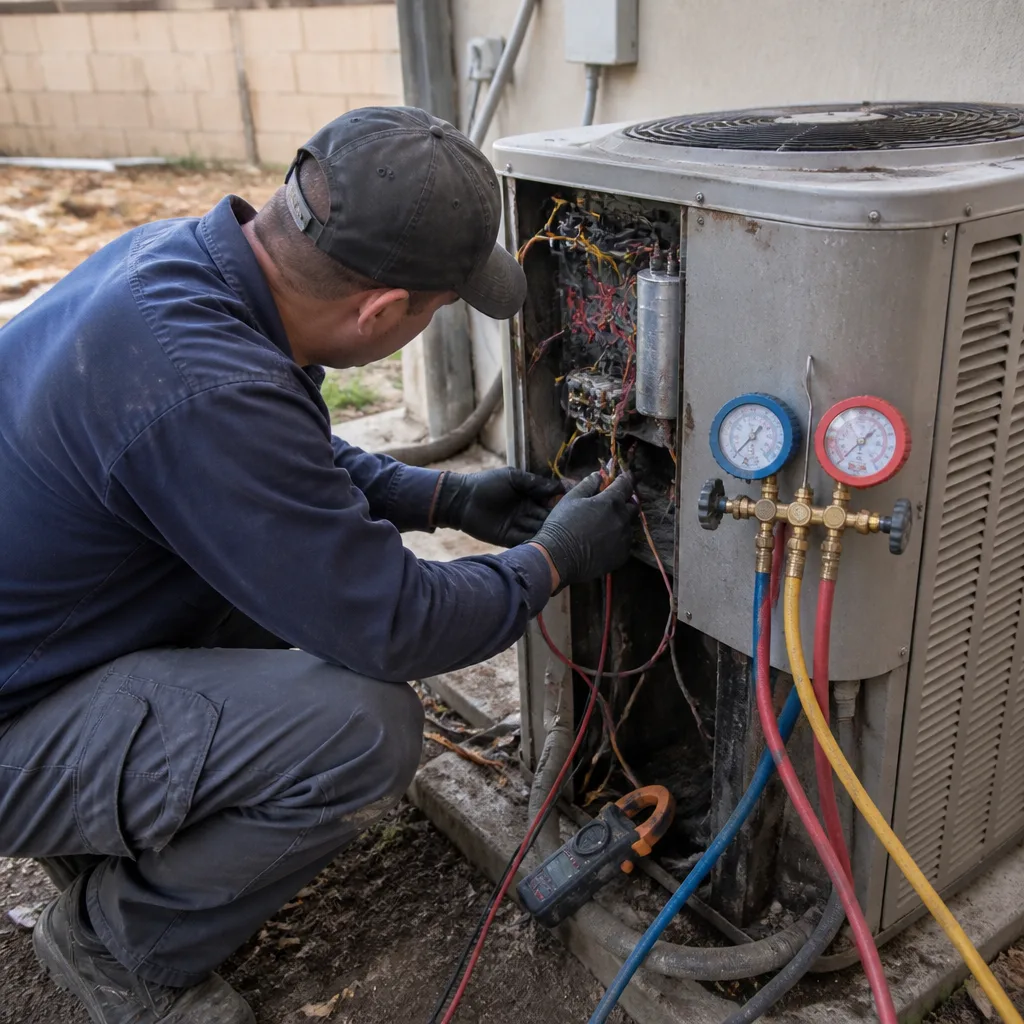
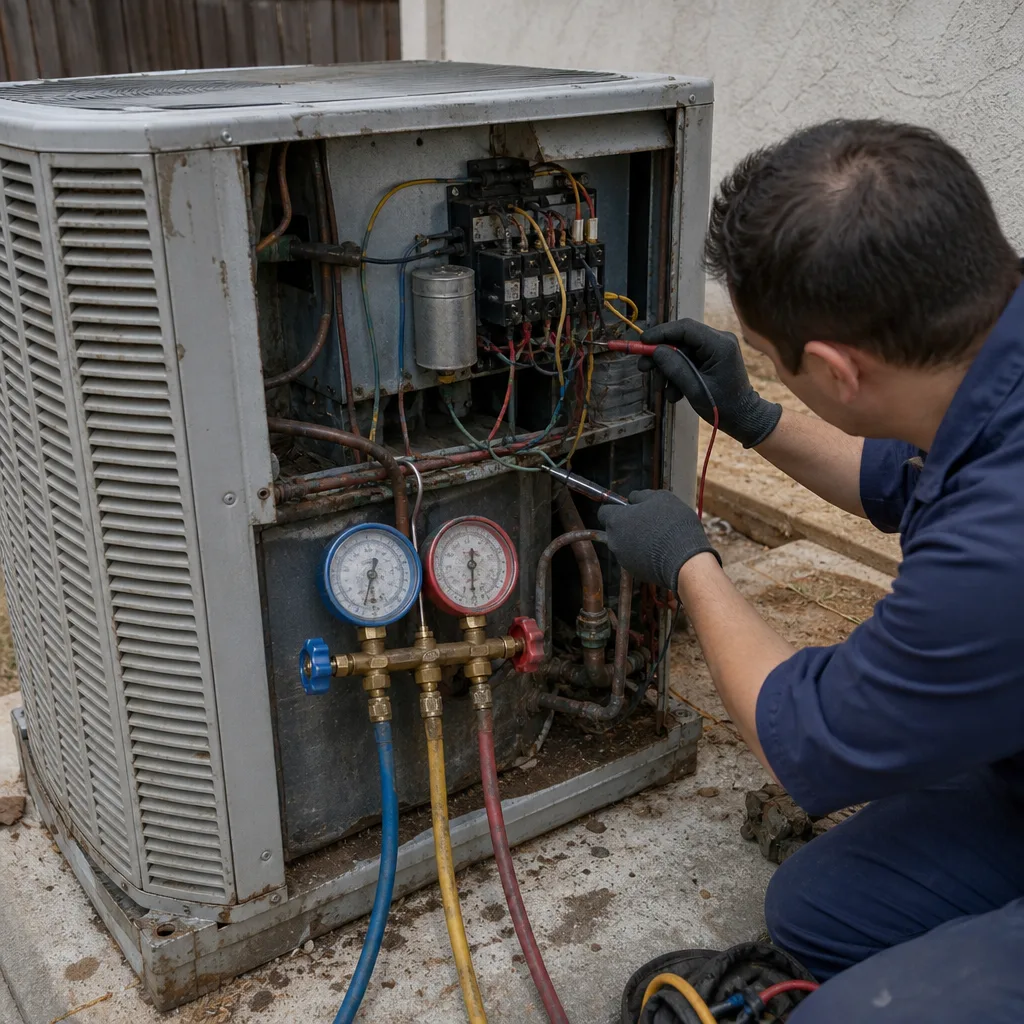 Before
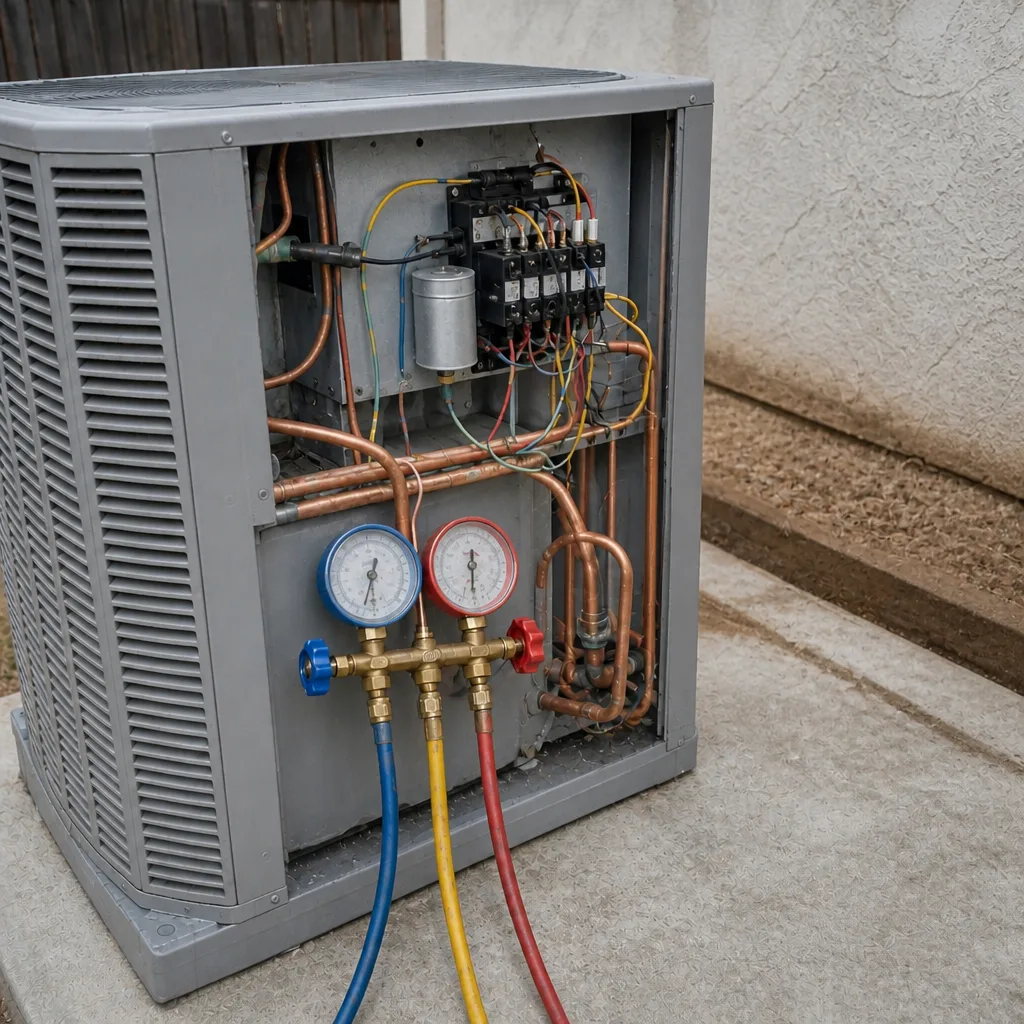 After
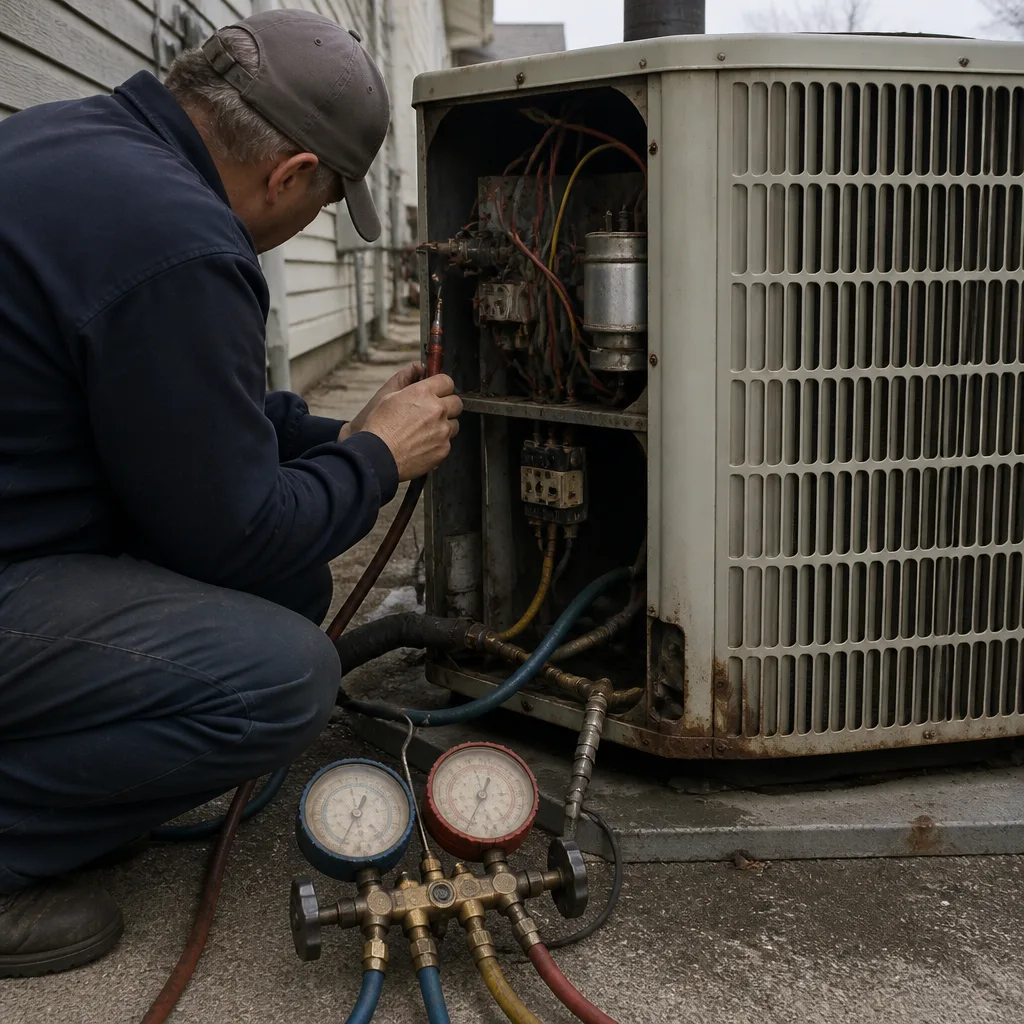
 Before
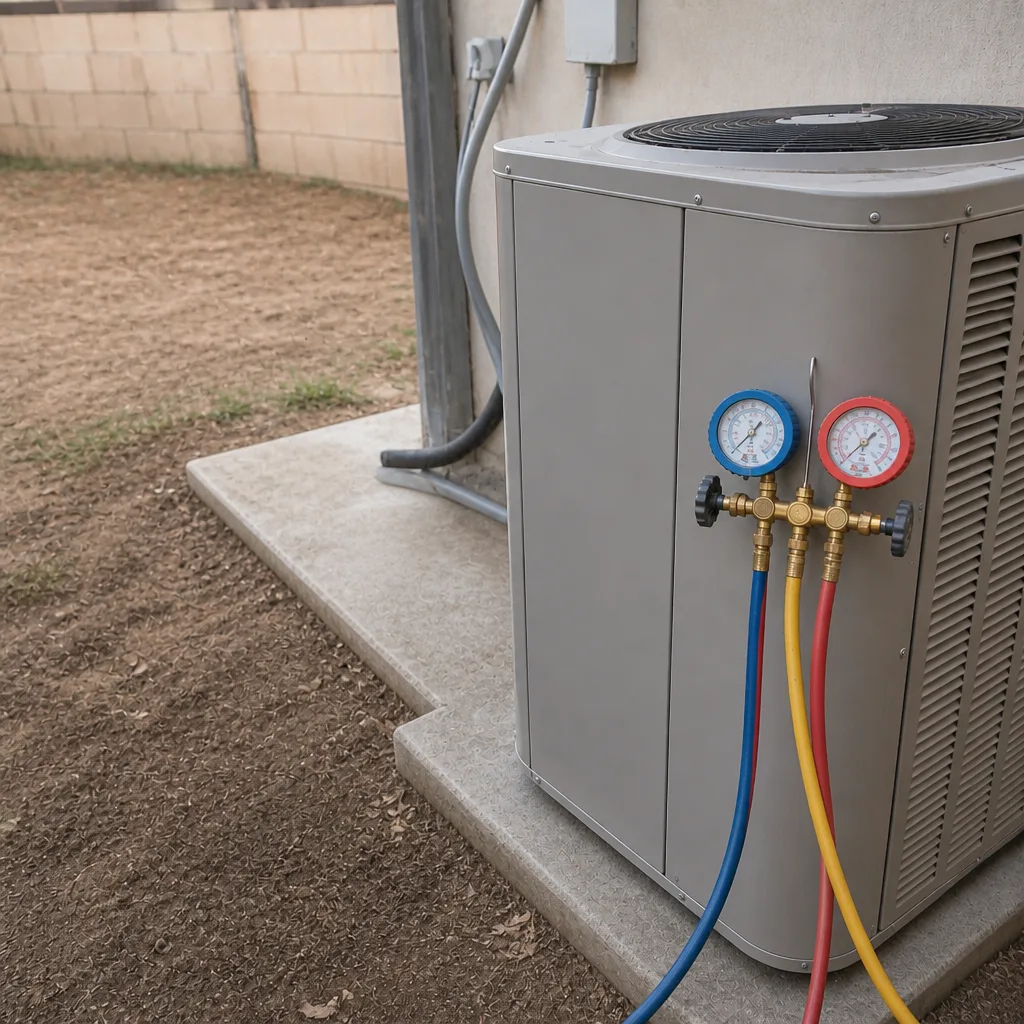 After
 Before
 After
Frequently Asked Questions
Often, yes, for temporary relief. A trained tech can frequently be on site within a few hours and get a zone or a portable unit going the same day. Full permanent repair depends on the failure and part availability, so plan on one to three days for that. For a quick read on your building, call us at (855) 664-5714.
Plan on one to three days from diagnosis, mostly because the compressor often ships from out of state. The labor once the part lands is usually half to a full day. Until then, temporary relief keeps the doors open. Call for an exact timeline on your equipment.
Because zone count and rooftop units multiply diagnostic time. A small retail shop can be diagnosed in under an hour, while a 15,000-square-foot complex may take two to four hours to trace every unit and zone. The fix itself is similar; finding it on a big building is the slow part.
Rent when the repair stretches past a day and your space must stay open to keep your customers. Setup, ducting, and power can add half a day, and the cost runs a few hundred dollars a day upward. It’s usually cheaper than closing. Ask us to walk you through it.
No. If your system is low on refrigerant, there’s a leak, and a top-off only buys time before it fails again. Insist on leak detection and a proper seal. Call us for an honest diagnosis before anything gets topped off.
Give them the real timeline and a backup plan. In our experience, honest communication plus a rental unit keeps people from leaving permanently during a multi-day repair. We’ll help you script the realistic expectation and get the parts moving.
The Bottom Line
The core lesson is simple: in a commercial HVAC emergency, ask for two timelines, not one. Temporary relief can often come the same day. A full, permanent repair usually takes one to three days, and sometimes longer when a part ships from out of state. Building size and zone count stretch the diagnosis, and an honest contractor tells you the real wait up front. If you’re in Paradise and your system is down, we’ll separate the clocks honestly, test the cheap parts first, and get you cool before we get you fixed. Call (855) 664-5714 for a free estimate.
Written by the team at Ray’s Heating & Air Paradise.