
Last updated November 18, 2026
 AC repair
 Furnace & heating
 Heat pumps
 Ductless mini splits
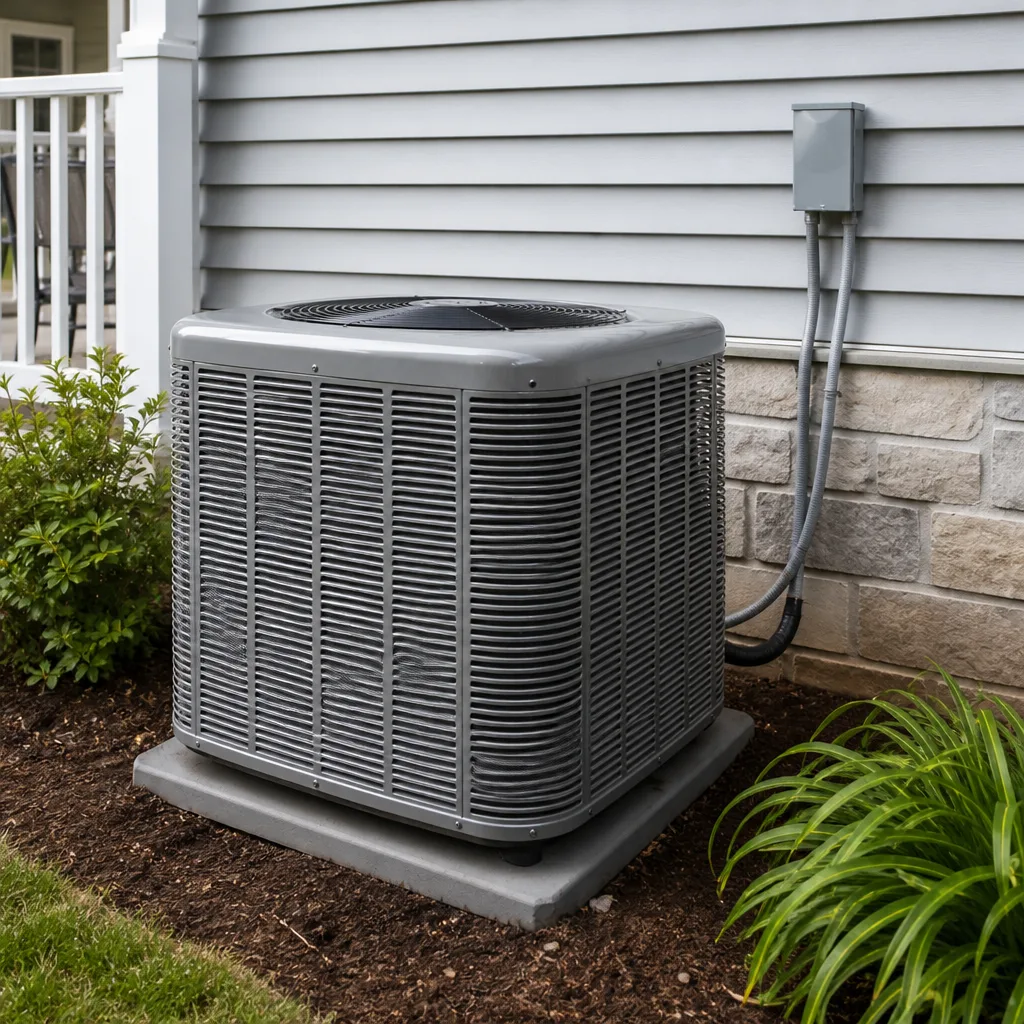 Carrier
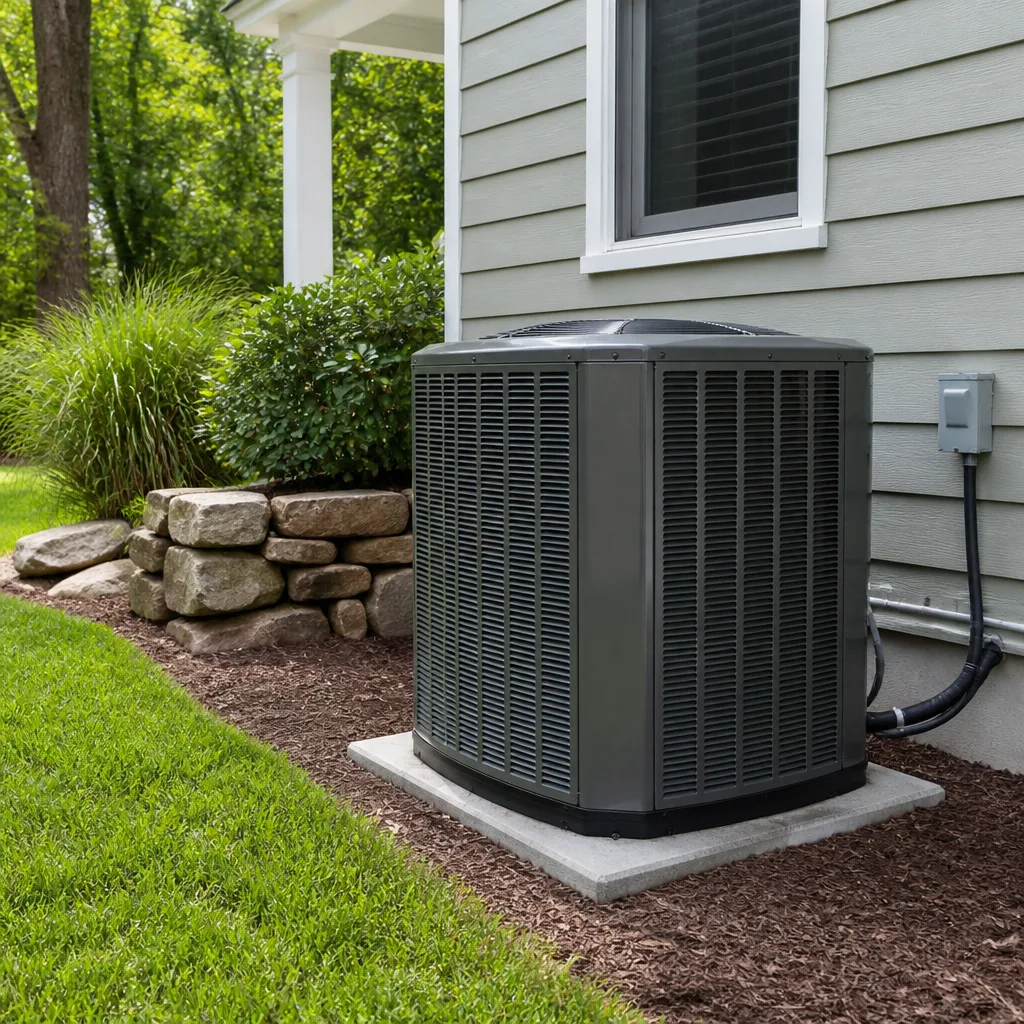 Trane
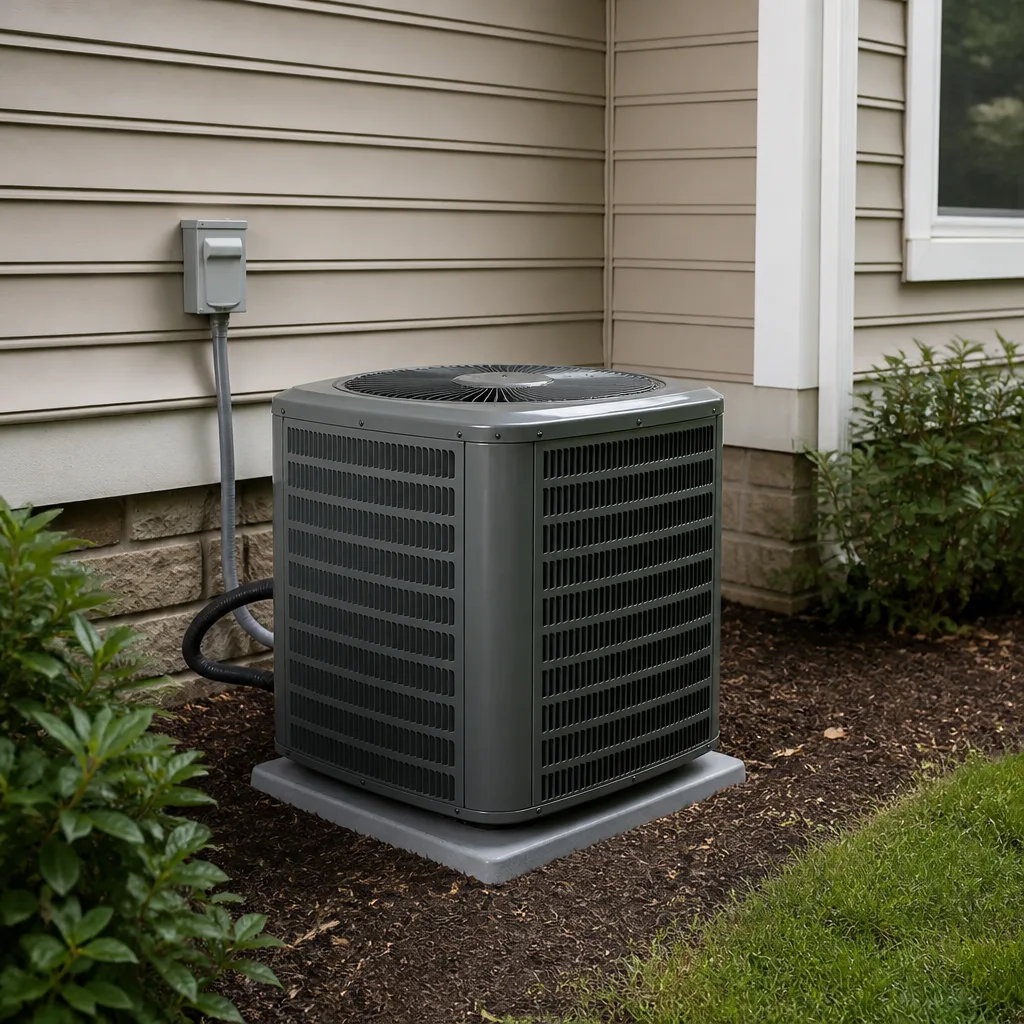 Goodman
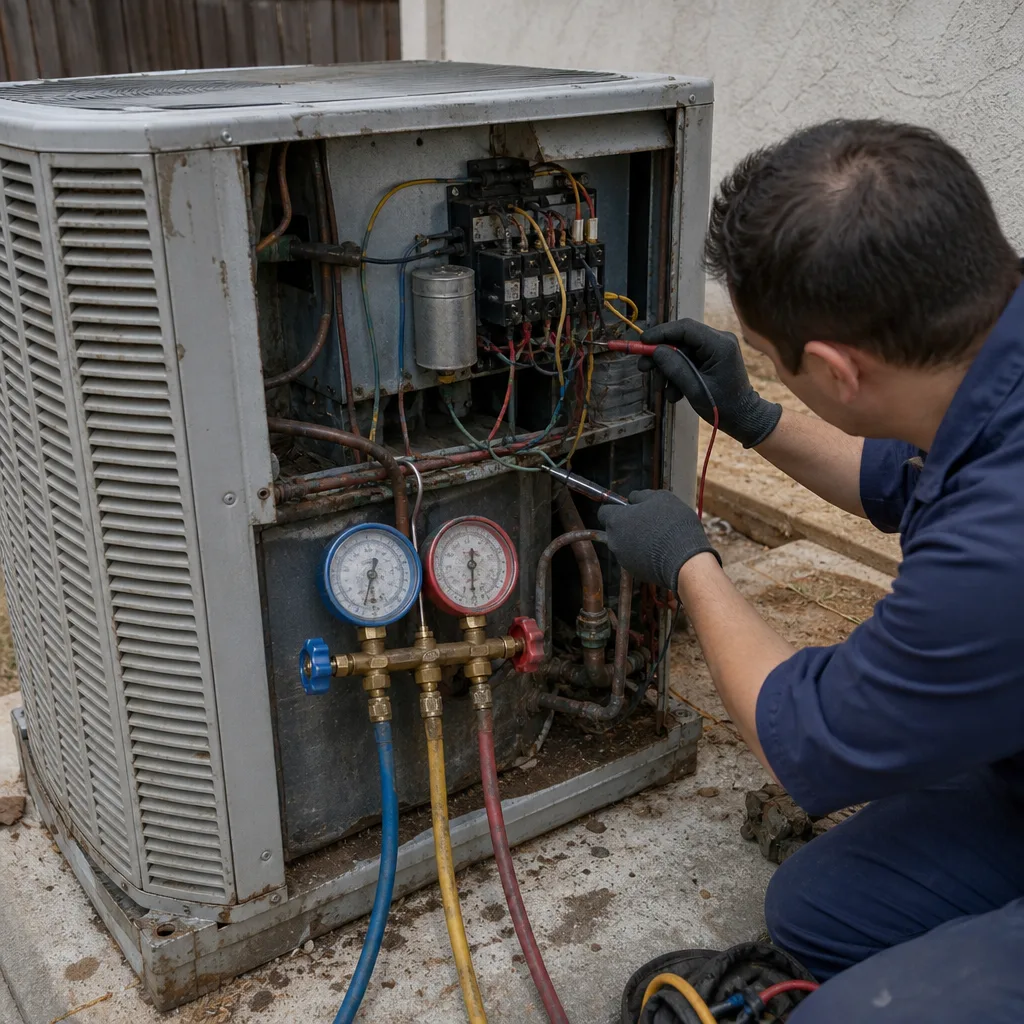
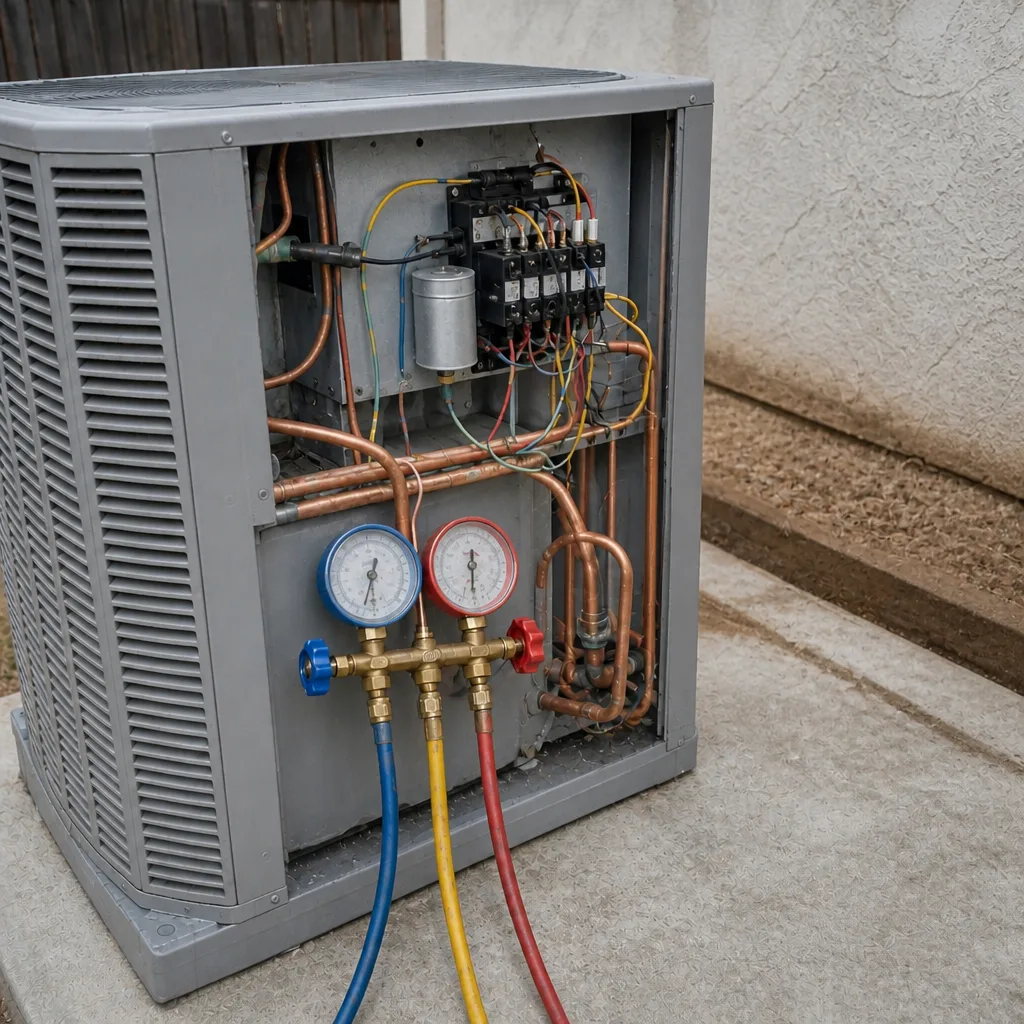
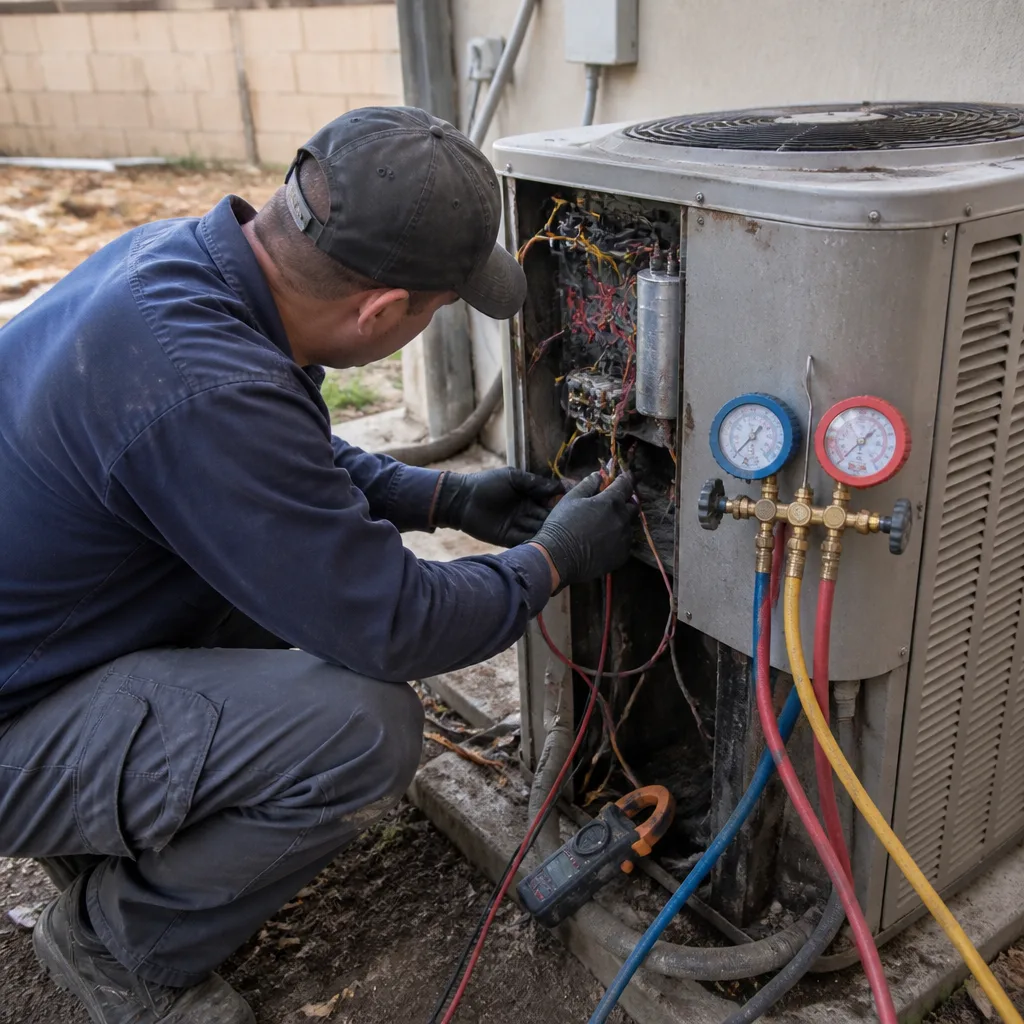
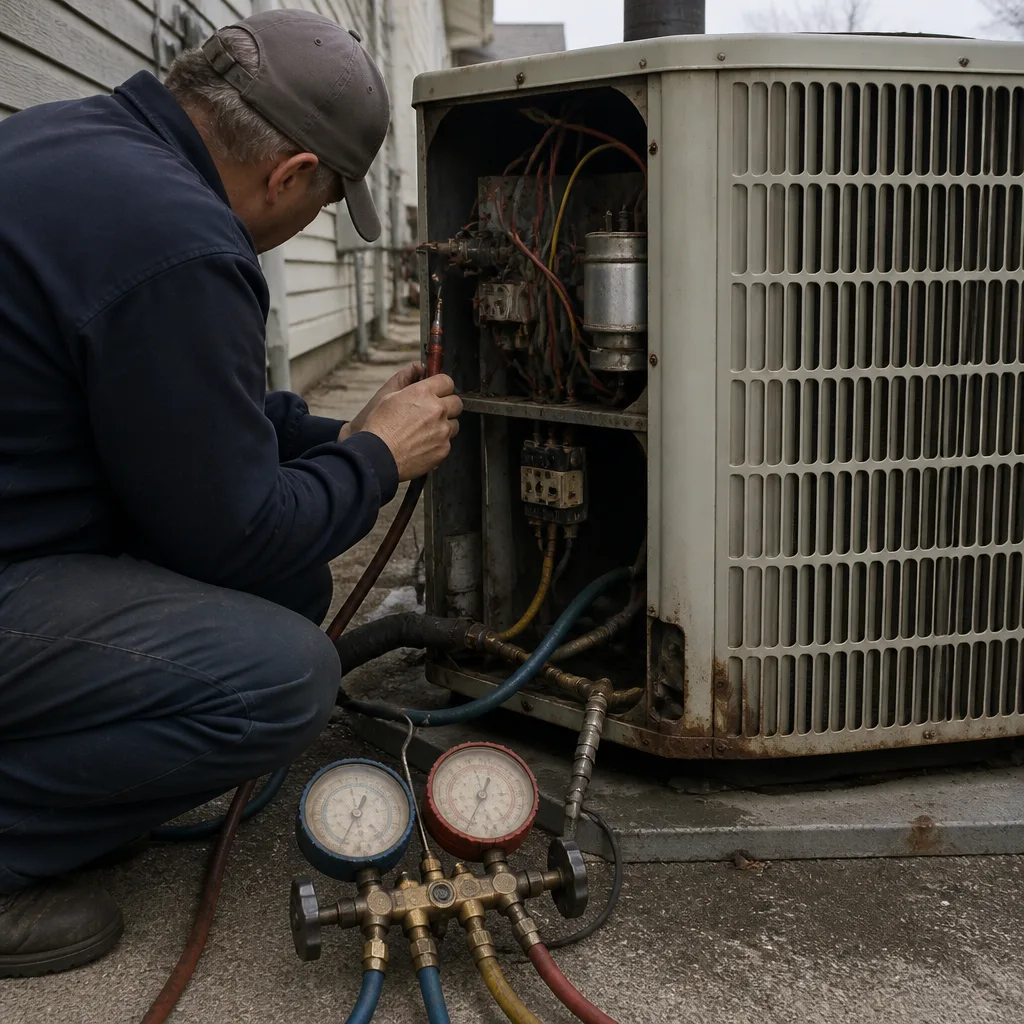
Seasonal tune-up and full diagnostic on your Carrier, Trane, or Goodman system - readings shown to you before any repair is proposed
Diagnosis first, numbers second - you approve the repair price before a single part goes in.
Get your free estimateAir Quality & Ventilation Warning Signs Every Homeowner Should Know
If you can smell the air quality problem, you’ve already missed the early warning – the real signs show up weeks before your nose does. Here’s the part nobody tells you: by the time a house smells musty or the vents look dusty, the ventilation system has usually been quietly failing for a season or two, and the fix costs more than it needed to. We’ve walked into plenty of homes in Paradise where the complaint was “it just feels off in here,” and the clues were sitting in plain sight long before the smell ever showed up. This guide covers the five early signals most homeowners miss, how to read them, and when it’s worth a call.
Styles & brands we work with
- AC repair
- Furnace & heating
- Heat pumps
- Ductless mini splits
- Carrier
- Trane
- Goodman
Quick Answer
The earliest air quality and ventilation warning signs are rarely a smell: they’re a room that won’t cool no matter what the thermostat says, condensation on interior windows in dry weather, odd dirt patterns on your furnace filter, a headache-and-fatigue slump that hits at the same time of day, and an electric bill that climbs in spring or fall before peak season. Catch these early and you’re looking at a filter change, a sealed return, or a simple balance adjustment. Catch them late, after the musty smell shows up, and you’re often paying for a full duct cleaning.
Table of Contents
- 1. The Hot Room That Never Cools
- 2. Condensation on Interior Windows in Paradise
- 3. How to Read Your Filter
- 4. The Headache-and-Fatigue Pattern
- 5. The Off-Season Electric Bill Spike
- 6. The Late-Stage Signals People Already Know
- Common Mistakes to Avoid
- When to Call a Professional
- Frequently Asked Questions
1. The Hot Room That Never Cools
A room that stays 4 to 7 degrees warmer than the rest of the house isn’t always an AC capacity problem. Nine times out of ten, it’s a ventilation balance issue: not enough return air is getting pulled out of that room, so fresh conditioned air can’t push in to replace it. The system is working fine. The house isn’t moving the air where it needs to go.
This is the single most misdiagnosed symptom we see in Paradise. People jump straight to “the AC’s too small, I need a bigger unit,” and they spend thousands on equipment when a duct balancing job or a properly sized return grille fixes it for a fraction of that. A bigger system in a house with poor air balance just makes the same problem bigger.
How to test the balance yourself
Before anyone quotes you a new condenser, do this easy check:
- Hold a tissue against the return grille in the hot room. If it barely moves, that room isn’t pulling air.
- Hold a tissue against a supply register in the same room. Weak push means the room isn’t being fed enough.
- Compare that room to a cool room in the same house. If one is strong and the other is weak, you’ve got a balance problem, not a capacity problem.
- Write down room temperatures at the same time of day for three days. A consistent gap is the tell.
Notice that stucco box rooms over a garage, or the west-facing bedroom in a lot of Paradise homes, are the usual suspects. They get baked by afternoon sun and starved of return air at the same time.
2. Condensation on Interior Windows in Paradise
Paradise is desert country. Fogged windows here are not a humidity problem the way they are back east – they’re a red flag that your ventilation isn’t moving moisture out of the house. When the indoor air can’t exchange with outside, moisture from showers, cooking, laundry, and just breathing builds up and lands on the coldest surface in the room. That’s usually the inside of your windows.
We see this most in the cooler months, when folks button the house up tight and run the heat. A little fog on the glass first thing in the morning isn’t the end of the world. Beaded water running down the pane, or fog that’s still there at noon, is a different story. That’s trapped moisture, and trapped moisture is exactly what feeds mold in the ductwork and around window frames.
What your windows are telling you
- Light fog, gone by mid-morning: likely normal cooking and shower moisture. Crack a window when you cook.
- Fog or beads that last all day: poor air exchange. Worth a look at bathroom and kitchen exhaust.
- Fog on one cold wall or window only: often a supply duct dumping cold air right at that spot – a duct routing or seal issue.
- Moisture plus a musty smell: late-stage. Call someone.
A working bathroom exhaust fan should clear the mirror in about 10 minutes after a hot shower. If your bathroom stays steamy for an hour, that fan is weak, blocked, or venting into the attic instead of outside – and that’s a Paradise problem we run into more than you’d guess.
3. How to Read Your Filter
Your furnace filter is a diagnostic tool, and almost nobody reads it right. Pull it out and look at the dirt pattern – not just how dirty it is, but where the dirt sits. The pattern tells you what’s happening with your return air and room pressure long before the map gets expensive.
- Even gray across the whole face: normal loading. You’re good. Change it on schedule.
- Dirt concentrated on one edge or corner: return air is leaking in at that seam. That’s unfiltered air coming from your attic or crawlspace straight into your system.
- A clean stripe or clean center with dirty sides: the filter isn’t seated, so air is bypassing it around the edges. Dust is going straight through.
- Heavy loading on one side of the filter only (if you have two filters): one return is pulling most of the air, which means a room elsewhere has a pressure problem.
- Quarter-inch of felted dust in a few weeks: you’re pulling in more dirt than the filter can handle. Likely a duct leak on the return side.
Hold that filter up to a light. If you can see clean daylight through the middle but the edges are dark, your return’s pulling from somewhere it shouldn’t. That’s a ten-minute fix that keeps dust and attic air out of your lungs and out of your blower motor too, which saves you the repair bill down the road.
4. The Headache-and-Fatigue Pattern
Here’s the one that gets written off as stress more than any other: the afternoon headache and the 3 p.m. slump. If one or more people in the house get a dull headache or feel foggy and tired at roughly the same time each day, and it eases up when they go outside or leave for work, that’s a pattern worth taking seriously. Sometimes it’s just fatigue. Sometimes it’s elevated CO2 from a house that isn’t getting enough fresh air.
Modern homes are sealed tight, and older homes in Paradise get sealed tighter every time someone replaces windows or weatherstrips a door. A house is supposed to breathe. When it doesn’t, the CO2 you exhale builds up, and you feel it before you can explain it. This isn’t alarmist – a grown adult living in a well-sealed house with poor fresh-air ventilation can notice the foggy feeling within a couple of hours in a closed room.
What to look for
- Do the headaches cluster in one room – usually a bedroom or a home office where the door stays shut?
- Do they lift within 20 minutes of going outside?
- Do they get worse in winter, when the house is sealed up tight?
- Does a cracked window for ten minutes help?
If most of those answers are yes, you don’t need to panic. But it’s worth getting the ventilation checked, especially if there’s a gas furnace or water heater in the mix. A properly tuned system moves fresh air in and stale air out, and families stop wondering why the afternoon feels so heavy. And it’s a good opportunity to make sure your smoke and carbon monoxide detectors are working – never skip that check.
5. The Off-Season Electric Bill Spike
Every spring and fall, before anyone’s really running the AC hard or firing up the furnace, we get calls about a bill that jumped 20 or 30 percent. That timing is the clue. It’s before peak season. So the spike isn’t the AC working overtime – it’s your system working harder than it should to move the same amount of air, and that usually points at duct leakage and bad air mixing.
Here’s what happens in a house with leaky ducts. Cooled air leaks out into the attic before it reaches the room. Hot attic air gets pulled back into the return. The system runs longer to hit the thermostat setpoint, because half of what it makes is bleeding away before it gets where it belongs. The thermostat reads fine, the house feels okay, but the meter spins faster.
Duct leakage signs to watch for
- A bill that jumps in transition months, then holds steady once peak season hits.
- Certain rooms that are always a little off while the rest of the house feels fine (the leakage is on that room’s run).
- Dust settling faster than it used to (leaky returns pull in attic dust).
- A whistling or whooshing sound at registers that didn’t used to be there.
Leaky ducts in a house built before the mid-2000s are common in Paradise – older flex duct pinched at a joist or rattled loose over the years. Sealing those runs is straightforward and usually cheaper than the electricity it saves you in the first year.
6. The Late-Stage Signals People Already Know
So here’s the frustrating part. The signs everyone knows are actually the last exit before the expensive fix. Musty smell in the vents? That’s mold established in the ducts, weeks or months after the early warning showed up. Visible dust blowing from a register? The return-side leak has been pulling dirt in for a while. Damp, musty closets and foggy windows late in the day? Moisture has been building up for a season.
That doesn’t mean these signals are wrong. It means they’re late. If you’re already smelling it, the smart move is a full duct inspection rather than a quick filter change. In our experience, a homeowner who catches the early signs – the hot room, the fogged windows, the dirt pattern – pays for a filter, a sealed return, or a balance adjustment. A homeowner who waits for the smell usually ends up scheduling a duct cleaning and a mold inspection. Same house. Different bill.
Layers worth knowing
Good ventilation is three jobs working together: moving air between rooms, exchanging indoor air with outside, and filtering what moves. When one layer fails, the others compensate and mask the problem until they can’t. If you want to see how all three layers get serviced on a real system, our Ray’s Heating & Air Paradise home page covers the full picture, and our AC Repair & Installation in Paradise work is where a lot of these airflow problems actually get found.
Common Mistakes to Avoid
- Going straight to a bigger AC. If the hot room is a balance problem, a bigger condenser makes the same imbalance bigger. Test the return air first.
- Buying a thicker filter to “fix” dust. A higher MERV filter on an older system chokes airflow and can ice the coil. Match the filter to the equipment, not the other way around.
- Sealing the house up tight for dust control. In Paradise’s dry climate, a house that never exchanges air builds up CO2 and moisture fast. Some air exchange is not a leak – it’s ventilation.
- Venting the bathroom fan into the attic. It’s common, it’s wrong, and it dumps a season’s worth of moisture into your attic. Vent it through the roof, not into it.
- Ignoring the spring bill spike. That transition-month jump before peak season usually points at duct leakage, and sealing it can pay for itself in the first cooling season.
- Waiting for the smell. By the time the vents smell musty, mold has a foothold. Early filters and balance fixes are far cheaper than duct cleaning.
- Believing one filter change settles everything. Your furnace filter only filters return air inside the system. If the returns leak attic air, the filter never sees it.
When to Call a Professional
Some checks are homeowner-friendly: eye on the filter, tissue test on the returns, window watching for condensation. But there are clear lines where it’s time for a trained eye. Call us if any of these are true: a hot room stays 5 degrees off after you’ve checked airflow; moisture beads on your windows all day; your filter shows dirt only on one edge; you get that afternoon headache pattern for more than a week; or your bill jumps before peak season. Also call if you have any gas-burning equipment and suspect poor ventilation – carbon monoxide is not a symptom to self-diagnose.
Ray’s Heating & Air Paradise offers free estimates in Paradise – call (855) 664-5714. The person who shows up will take readings first and numbers second; you’ll see what’s wrong and what it costs before anyone touches a thing. And for duct or equipment work, our Heating & Furnace in Paradise and Heat Pump & Mini Split in Paradise pages cover how ventilation issues connect to heating and cooling work.
Frequently Asked Questions
The earliest sign is usually a hot room that doesn’t cool evenly or condensation on interior windows that lasts past mid-morning, well before any smell shows up. Those are airflow and air-exchange clues, and they appear while the fix is still cheap.
Yes. In a tightly sealed house with poor fresh-air exchange, CO2 builds up and can cause a dull afternoon headache and a foggy, tired feeling that eases when you leave the house. It’s worth getting ventilation checked, especially if the pattern repeats the same way each day.
Fogged interior windows in Paradise usually mean trapped moisture, not outdoor humidity. Cooking, showers, and laundry put moisture into the air, and if the ventilation doesn’t exchange it out, it lands on the coldest glass in the room. Fog that beads and runs all day is a red flag.
Typically every 60 to 90 days for a standard 1-inch filter, more often in dusty areas or with pets. But read the dirt pattern, not just the calendar: edge-loaded dirt, bypass stripes, or a filter that loads in weeks rather than months means you’ve got a return leak or pressure problem worth checking.
No, usually not. If the room is hot because return air isn’t pulling from it or a supply run is blocked, a bigger unit just makes the existing imbalance bigger. Test the return and supply airflow before anyone quotes new equipment.
Free estimates are available in Paradise, and there’s no trip charge inside our own county. Call (855) 664-5714 and a live person will answer, any hour. You’ll get readings and a written number before any work starts, backed by our 90-Day Done Right Promise.
The Bottom Line
Your nose is a late warning system. By the time you smell musty vents, the ventilation problem has been building for weeks or months. The real early signals – a room that won’t cool, fogged windows in dry weather, odd dirt patterns on the filter, the afternoon headache pattern, and a spring or fall bill spike – all show up while a filter change, a sealed return, or a simple balance fix still does the job. Watch those five, test your returns with a tissue, and read your filter instead of just swapping it. Catch these early in Paradise and you skip the duct cleaning bill entirely. For duct, airflow, and equipment work, our AC repair and installation and heating and furnace teams handle the whole house. Call (855) 664-5714 for a free estimate – we answer live, 24/7, and readings come before numbers.
Written by the team at Ray’s Heating & Air Paradise.
See the difference
 Before
 After
 Before
 After
 Before
 After