
Last updated November 18, 2026
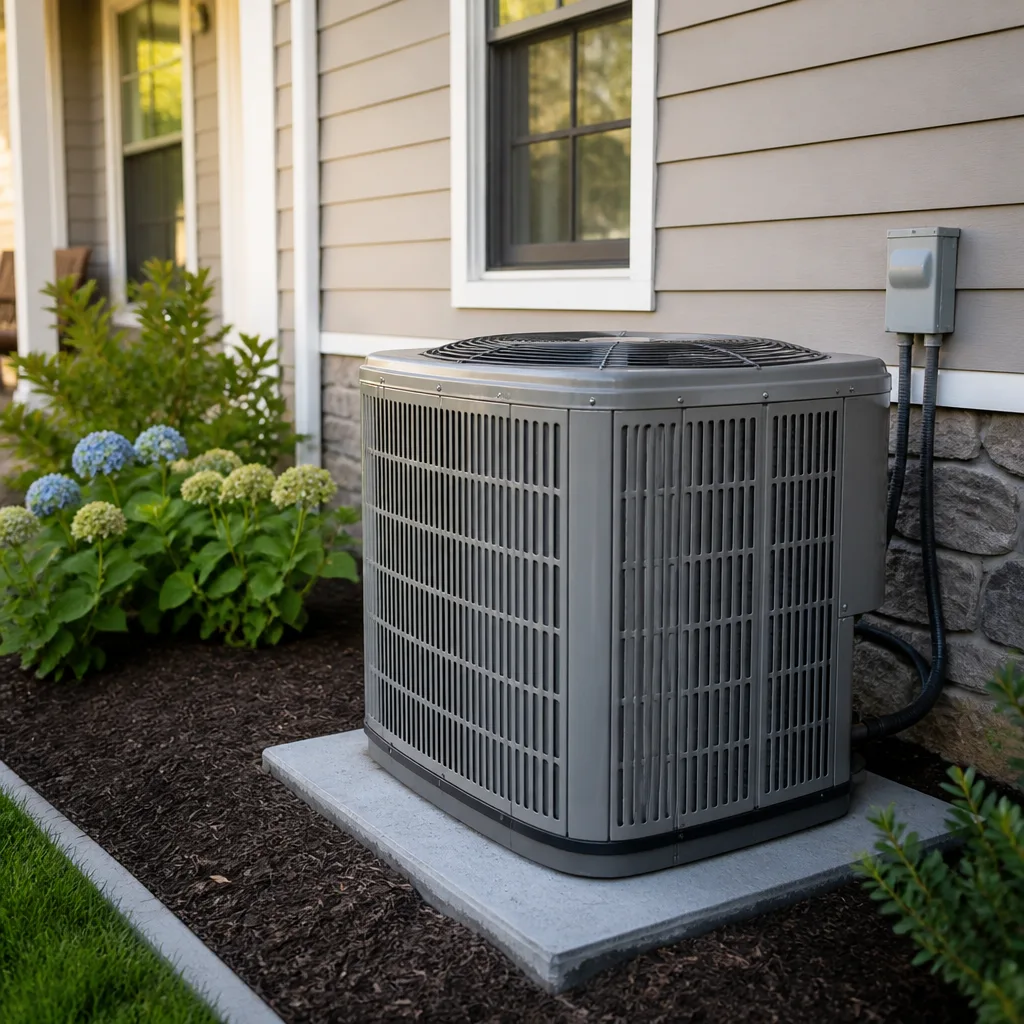 AC repair
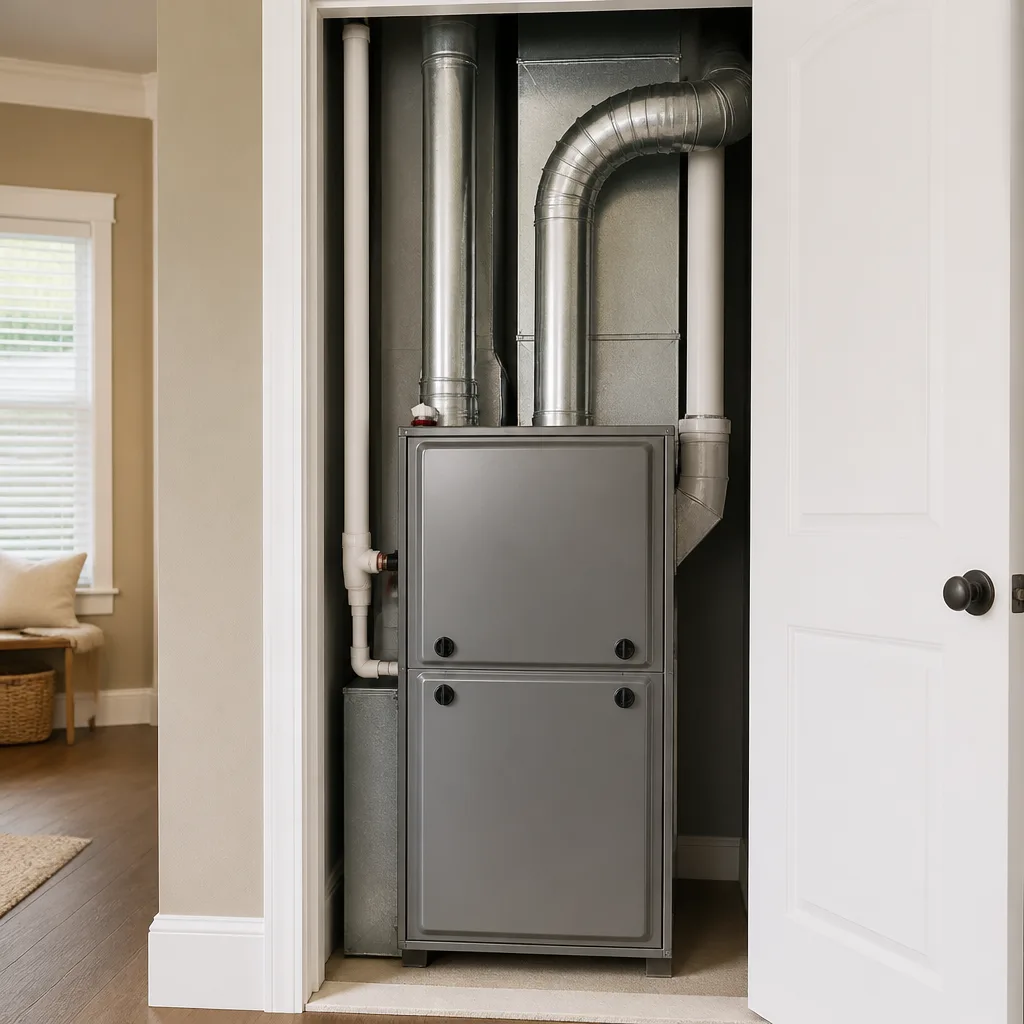 Furnace & heating
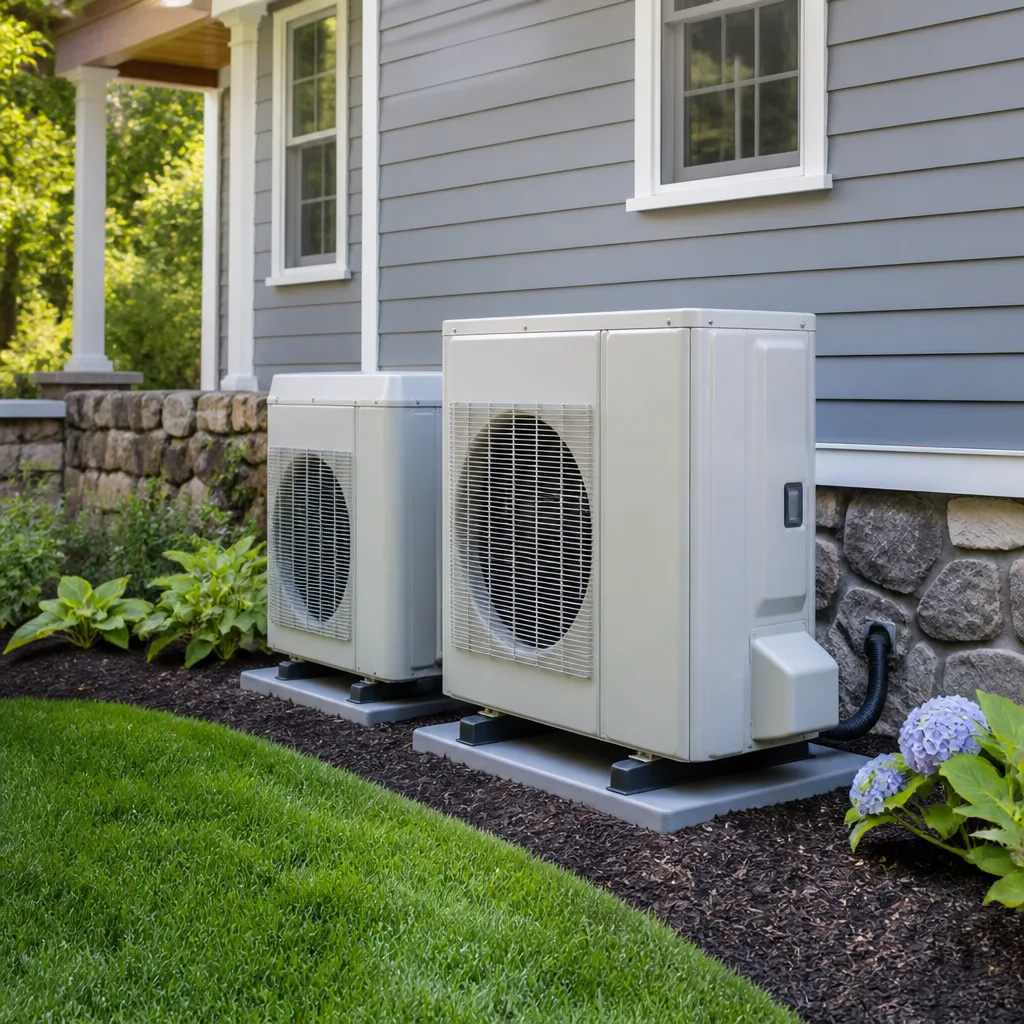 Heat pumps
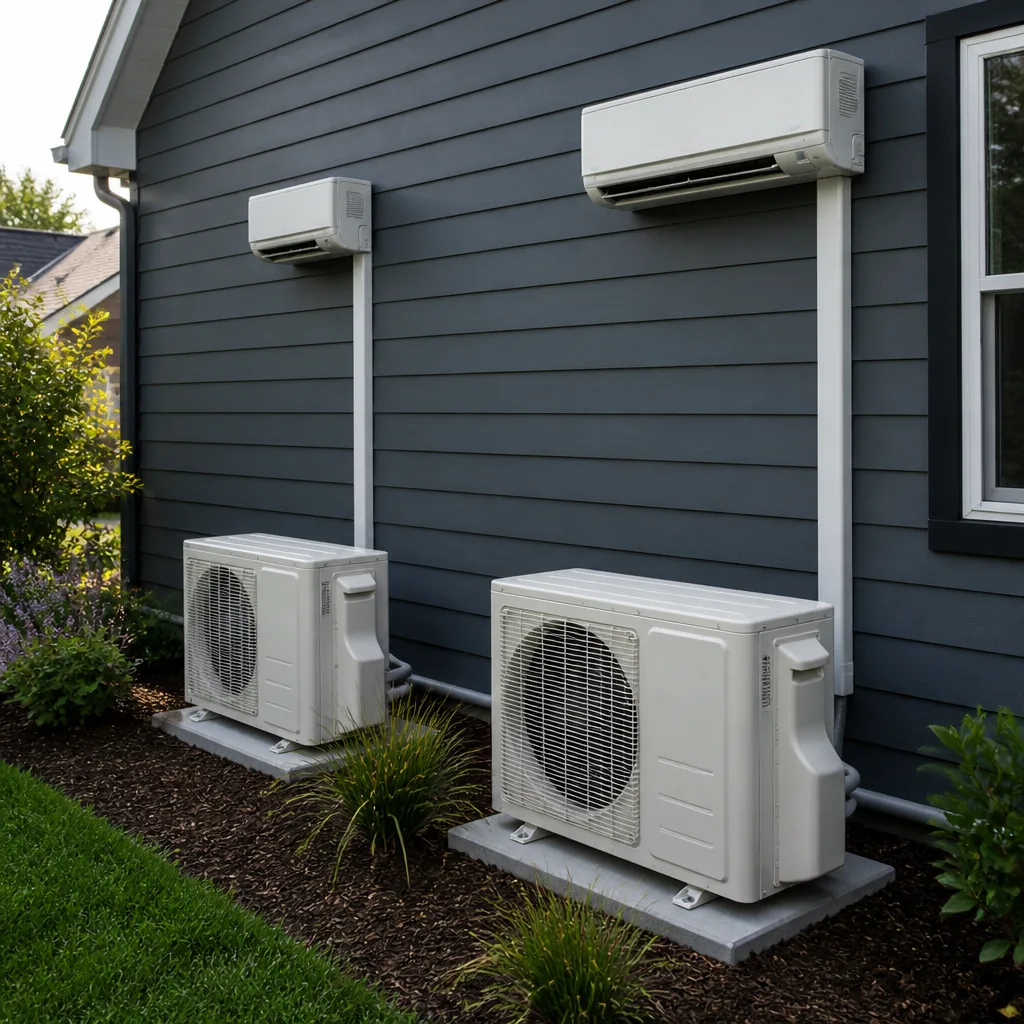 Ductless mini splits
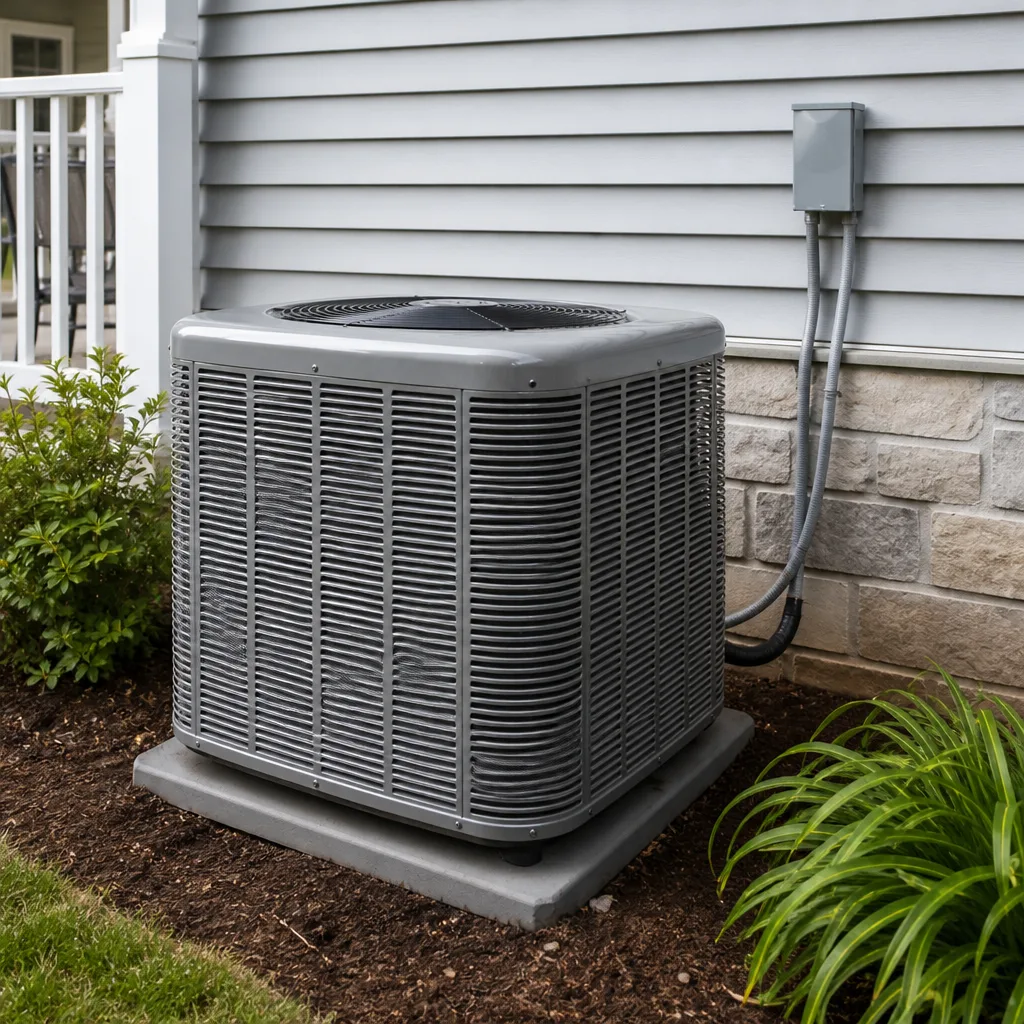 Carrier
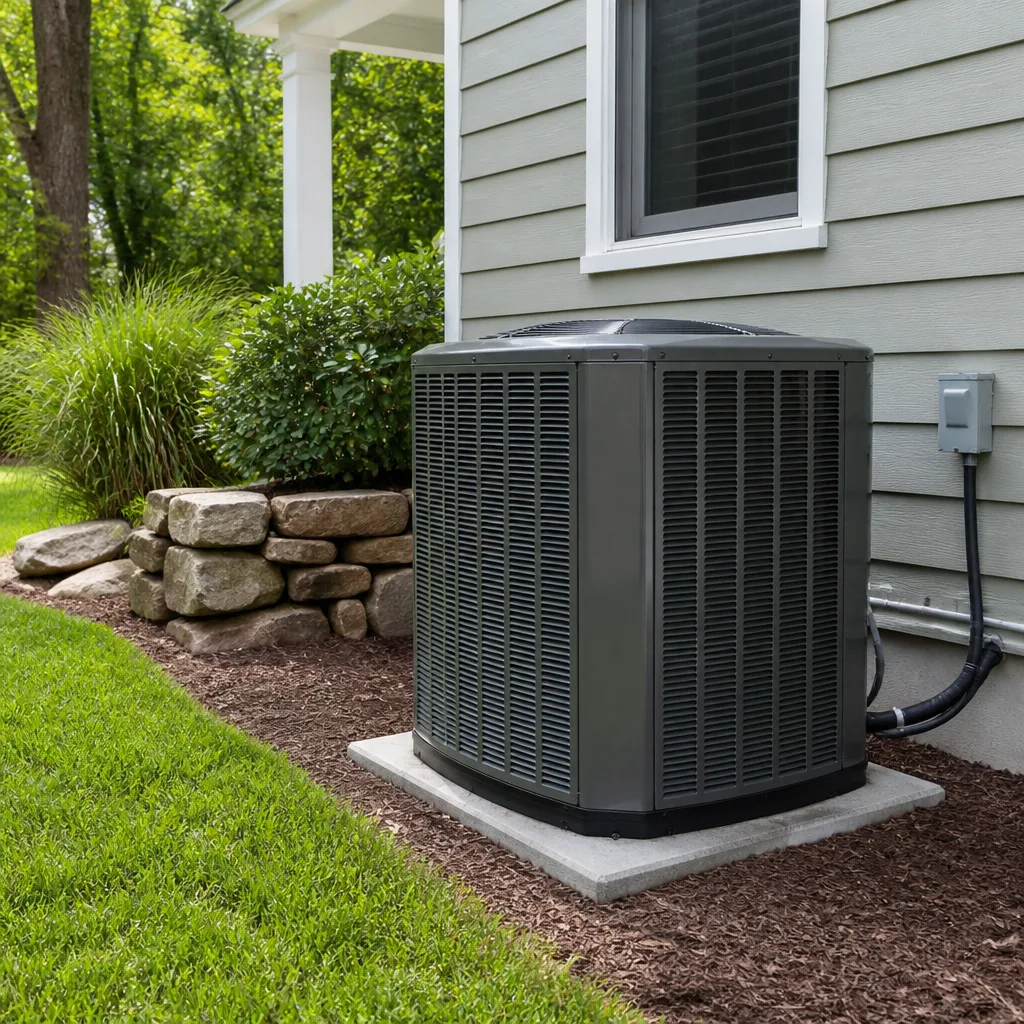 Trane
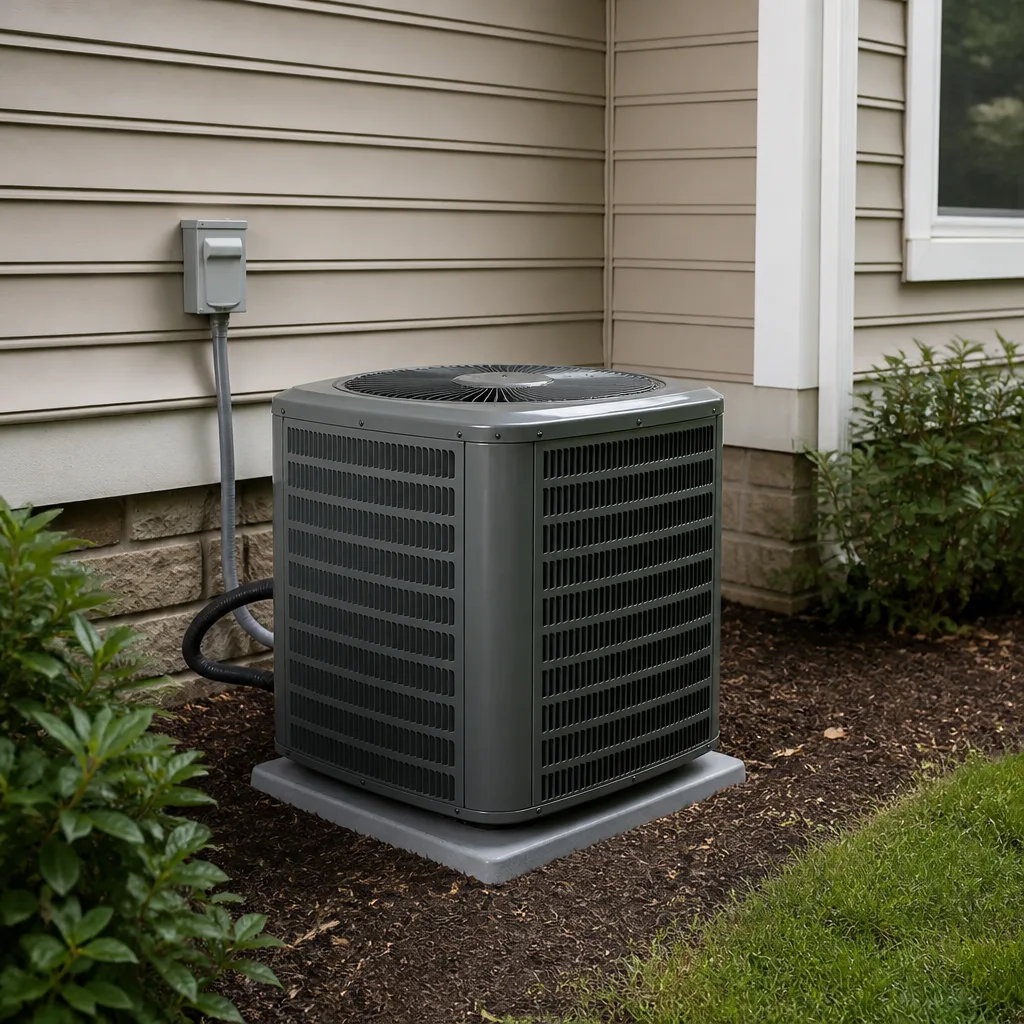 Goodman
Seasonal tune-up and full diagnostic on your Carrier, Trane, or Goodman system - readings shown to you before any repair is proposed
Diagnosis first, numbers second - you approve the repair price before a single part goes in.
Get your free estimateThe Complete AC Repair & Installation Guide for Paradise Homeowners
The Strip sits a mile from some of these neighborhoods, and the heat radiating off that much concrete and asphalt pushes ambient temperatures even higher than the weather app shows. That gap between the number on your phone and the reality on your slab is where air conditioners go to die early in Paradise. Manufactured to a national average, installed beside caliche soil and sustained 115°F afternoons, your system lives a harder life than the box predicted. This guide walks Paradise homeowners through how the local climate shortens equipment life, how 1990s tract homes and 2010s builds fail differently, what SEER rating actually pays off here, how to verify a contractor’s license, and why a written guarantee beats a handshake when it’s 112 degrees.
Quick Answer
In Paradise, AC repair decisions and replacement choices should be made against a hotter-than-reported microclimate, caliche soil that shifts slabs, and a housing stock split between older tract homes and newer builds with different failure points. A system matched correctly to a Paradise home with a SEER rating that actually earns back its price, installed by a licensed, verifiable local company offering written guarantees, will outlast a cheaper national-average install by years. Verify the Nevada license first, get readings before quotes, and insist on the promise in writing.
Styles & brands we work with
- AC repair
- Furnace & heating
- Heat pumps
- Ductless mini splits
- Carrier
- Trane
- Goodman
Table of Contents
- Why Paradise Is a Harder Climate Than Your Weather App Says
- 1990s Tract Homes vs. 2010s Builds: Two Different Failure Patterns
- What SEER Rating Actually Makes Financial Sense in Paradise
- How to Read a Nevada Contractor License Before Anyone Sets Foot in Your House
- Why a 90-Day Written Guarantee Beats a Verbal Promise
- Repair or Replace? A Decision Framework for Paradise Homeowners
- What a Proper Paradise AC Installation Actually Involves
- Keeping a Paradise System Alive Between Service Calls
Why Paradise Is a Harder Climate Than Your Weather App Says
The urban heat island effect means Paradise’s neighborhoods run hotter than the regional forecast. Concrete, asphalt, dark roofs, and miles of parking lot absorb heat all day and release it slowly into the evening. That evening release is the quiet killer of air conditioners: the system finally catches a break from direct sun, then has to run against a house surrounded by air that’s still radiating 105°F heat off the driveway and street.
What that does to your equipment, in practical terms:
- Compressors run longer duty cycles than manufacturer specs assume, which shortens motor life.
- Condenser coils pull in more dust and airborne grit off caliche-exposed lots, so they clog faster and run hotter.
- Refrigerant pressures sit higher for more hours per day, which is unforgiving of any small leak or undercharge.
- Capacitors and contactors fail sooner because they’re cycling under heat stress that a coastal or mountain install never sees.
A system rated for 15 years of “average” duty often needs major service closer to the 10-to-12 year mark in Paradise. That’s not a sales line. It’s what we see when a compressor goes at year 11 on a house that isn’t even old. The urban heat island effect is why AC Repair & Installation in Paradise starts with readings rather than guesses: the numbers tell us how hard your equipment has actually been working, not how hard it was supposed to.
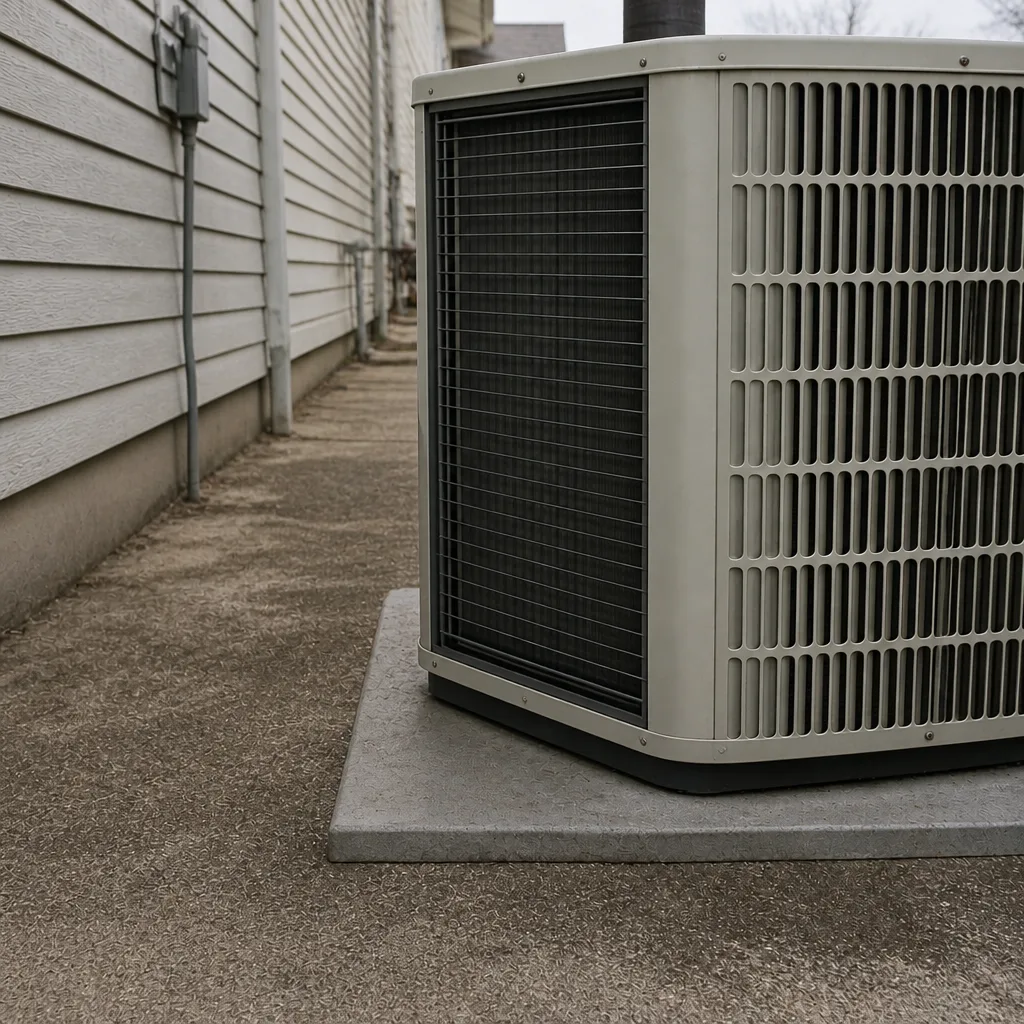
Caliche makes its own contribution. That hardpan layer under much of Paradise doesn’t drain well and shifts with moisture and heat cycles, which stresses the slab and the pad your condenser sits on. A condenser that’s tilted a few degrees strains its refrigerant lines. A concrete pad that’s cracked or heaved can unlevel a unit over time and shorten its life. Small thing. Adds up over a decade.
1990s Tract Homes vs. 2010s Builds: Two Different Failure Patterns
Paradise was built in waves, and each wave brought its own equipment and its own weak points. Walking into a 1994 tract home and a 2014 build in the same neighborhood and treating them the same is a recipe for the wrong repair.
1990s tract homes typically came with builder-grade equipment, undersized ductwork by modern standards, and attic runs with minimal insulation. In our experience, the failures show up as:
- Duct leakage at joints that have had 30 years of attic heat cycles
- Failed capacitors and contactors on equipment that’s already on its second or third condenser
- Refrigerant leaks at older braze joints and flare fittings
- Return air paths that are too small for the system size, which makes the unit work harder than it should
2010s builds usually got tighter homes with better ductwork but equipment sized tighter to manufacturer assumptions that Paradise’s heat exceeds. The failures look different:
- Oversized or marginally sized systems running hard because the house is sealed tight and load calculations used the regional average, not the local reality
- Variable-speed or communicating equipment with control board problems rather than the old mechanical failures
- Drain line issues as condensate production exceeds what the original installer expected
Ask a service tech what year the house was built before diagnosing anything. If they don’t ask, that tells you something. Ray has walked into houses in Paradise where a previous company had replaced a compressor on a 1998 build without ever checking the ducts. The compressor was fine. The return was starving the system. Our Heat Pump & Mini Split in Paradise page covers how the newer equipment reacts to these same load realities when a homeowner is considering an upgrade rather than a like-for-like replace.
What SEER Rating Actually Makes Financial Sense in Paradise
SEER matters in Paradise, but the sales math that gets pushed on homeowners usually assumes a milder climate than we live in. Higher SEER pays back faster here than almost anywhere, but only up to a point, and after that the returns drop off sharply.
A rough guide to how SEER choices play out on a Paradise home:
- SEER 14 to 15: The floor for new equipment. It works, but on sustained 115°F days the unit runs long cycles and you’ll feel it in the electric bill from June through September.
- SEER 16: The sweet spot for most Paradise homes. A real efficiency jump for the price, without paying for performance your house can’t use because of duct limitations.
- SEER 18 and up: Worth it when the house has good ductwork, proper insulation, and windows that aren’t leaking cool air into the yard. On a 1990s build with original ducts, you’ll spend premium money on efficiency the ducts throw away.
- SEER 20+: Rarely the right call below a certain income bracket. The equipment premium is real, and the payback period in Paradise is longer than the equipment’s realistic lifespan in this heat.
The trap here is selling you a number before diagnosing the house. A high-SEER system bolted to leaky ducts in a 1998 build is a fancy unit that runs hard. Ask for the load calculation and the duct assessment in writing before anyone talks SEER. When the numbers are honest, they’ll often point to SEER 16 with duct work as the correct answer, and that’s a better system than the SEER 20 that got forced on you. Brands like Carrier, Bryant, and American Standard each have their real-world place in Paradise, and the right one for your house depends on the load numbers, not on which logo the salesperson favors.
How to Read a Nevada Contractor License Before Anyone Sets Foot in Your House
Before any HVAC company sets foot in your Paradise house, look them up on the Nevada State Contractors Board (NSCB) website. It takes two minutes and it’s the single best filter against the outfit that quotes one number on the phone and another at the door.
Here’s the process, step by step:
- Ask for the license number. Any legitimate company gives it without hesitation.
- Search it on the NSCB lookup. The name on the license should match the company name on the estimate.
- Check the license status. It should show “active,” with a classification that covers heating, ventilation, and air conditioning work.
- Look for any complaints or disciplinary history on the record. The board publishes these.
- Confirm the business address matches. A published, verifiable address is a real check, not a hidden P.O. box.
Nevada requires contractors to carry a state license and a bond, and the NSCB lookup is free and public. Companies that don’t want you to check usually have a reason. The phrase “we’ll bring the paperwork to the appointment” is a soft signal. Ray’s publishes its name, address, and license number up front because that’s the whole point of an owner-operated company: you can check that the person walking up your driveway is actually the person responsible for the work.
While you’re there, notice whether the company publishes a name you’ll see again. In Paradise, you will run into your HVAC contractor at the hardware store, at the diner, at church. That’s not sentimental. It’s a practical enforcement mechanism for doing the job right the first time. Our Ray’s Heating & Air Paradise home page exists so you can verify who you’re actually calling before you pick up the phone.
Why a 90-Day Written Guarantee Beats a Verbal Promise
When it’s 112 degrees and the company sends a third tech you don’t recognize to fix the first tech’s work, the value of a written 90-day guarantee becomes obvious. A verbal promise on a hot driveway feels solid. It’s worth nothing in September when the same system fails again and nobody at the other end of the phone remembers the promise.
A written guarantee should do three specific things:
- Name the work covered. Not “all service,” but the parts and labor on the specific repair.
- Name the remedy. If it’s not right, does the company come back at no charge? Does the warranty reimburse the fee? Both are fine, but it needs to say which.
- Name a single accountable party. A rotating crew is not accountable. A named company or a named owner with a working phone is.
Ray’s Heating & Air carries a 90-Day Done Right Promise stamped on every heating and cooling job. If it’s not done right, one call brings Ray back. Not a ticket, not a callback queue, not a different technician. That’s the difference between a guarantee and a brochure. It’s also why our Heating & Furnace in Paradise work carries the same promise – the failure patterns in this climate don’t care what season it is.
Repair or Replace? A Decision Framework for Paradise Homeowners
At 112 degrees, the repair-or-replace decision gets made in a hurry, and rushed decisions are expensive ones. Here’s a framework that holds up under pressure.
Lean toward repair when:
- The system is under 10 years old and the failure is a single component (capacitor, contactor, blower motor)
- Repair cost is less than 30% of a new system
- The refrigerant charge is holding and there are no leaks
- The system is meeting comfort needs on normal days
Lean toward replace when:
- The compressor has failed on a system over 12 years old in Paradise. A compressor replacement on a 14-year-old system usually costs close to what a new system costs, and doesn’t add life to the rest of the equipment.
- The system uses R-22 refrigerant. It’s been phased out of production and prices have climbed, so a single leak can cost as much as a smaller repair on modern equipment.
- Repairs have stacked up: two in the last year, a third pending, and the system is over 10.
- The house has original ductwork that’s leaking enough to be the actual cause of the comfort problem.
The single most important rule: nobody should say the word “compressor” before they’ve tested the capacitor. A failed capacitor produces the exact same symptom as a failed compressor (system won’t start, or starts then quits), and a capacitor is a fraction of the cost. Ask what the readings are. Readings first, numbers second. That’s the standard.
What a Proper Paradise AC Installation Actually Involves
Installation is where a good system becomes either a 15-year asset or a 10-year headache. The difference is process, and it’s worth walking through so you know what to look for.
- Load calculation. A proper Manual J load calculation, adjusted for Paradise’s heat island reality, not a national average. This is the number that decides equipment size.
- Duct assessment. Leakage testing, insulation check, and return air verification. If ducts can’t deliver the capacity, no equipment choice will save you.
- Equipment selection. SEER rating chosen against the load and duct findings, not against what’s on the truck. Daikin, American Standard, and Bryant are all solid choices for Paradise, and the correct one depends on the house.
- Line set and pad. New refrigerant lines and a properly set, level condenser pad that accounts for caliche soil movement.
- Commissioning. Refrigerant charge adjusted for actual ambient, airflow verified, and readings documented for you.
- Written handoff. Model numbers, SEER, readings, warranty terms, and the guarantee in writing. All of it, on paper, before the technician leaves.
Installation is not a same-day decision at the right company. It’s load-calculated, ordered, and scheduled. Anyone promising same-day install on a hot day is either installing the wrong size or cutting corners on commissioning. Get a written fixed price and a set install date, and let the paperwork catch up on the rebate and financing side while you wait.
Keeping a Paradise System Alive Between Service Calls
Paradise’s dust and caliche air load the condenser faster than the manufacturer assumes. A few habits go a long way between service calls:
- Hose off the condenser coil every 4-6 weeks from April through September. Coil fouling is the fastest shortcut to a failed compressor.
- Change the filter monthly during cooling season. Every month, not every three. Dust here fills filters faster than the box label says.
- Clear the condenser’s 2-foot radius of vegetation and stored items. Heat needs somewhere to go.
- Have a technician check refrigerant pressures and electrical components once a year, ideally in April before the season kicks off.
- Watch for water near the indoor air handler. In Paradise’s dry air, people forget that AC condensate is real and the drain line clogs.
Annual tune-up is a flat-price service with a written report of what was actually found. It’s not a sales call, and the person doing the work shouldn’t be paid on what they sell. If a maintenance visit turns into a $4,000 recommendation without any readings to back it up, that’s a signal.
Common Mistakes to Avoid
- Approving a compressor replacement before the capacitor is tested. A $30 part can mimic a $1,800 failure, and the diagnosis matters more than the quote.
- Buying SEER as a number instead of a system. A SEER 20 unit on 1990s ductwork in Paradise performs like a SEER 14 and costs a lot more.
- Skipping the NSCB lookup because the referral was warm. A neighbor’s recommendation is a start, not a substitute for the two-minute check.
- Accepting a verbal guarantee. When it’s 112 degrees and the third tech you don’t recognize shows up, the only thing that matters is what’s on paper.
- Ignoring ductwork because the outdoor unit is the visible problem. In Paradise’s 1990s tract homes, the ducts are often the actual failure.
- Replacing the system without checking the concrete pad. Caliche soil shifts. A tilted condenser is a slow killer of the equipment on top of it.
- Letting the condenser coil foul all summer. Six weeks of Paradise dust on the coil is enough to push a hard-working compressor over the edge.
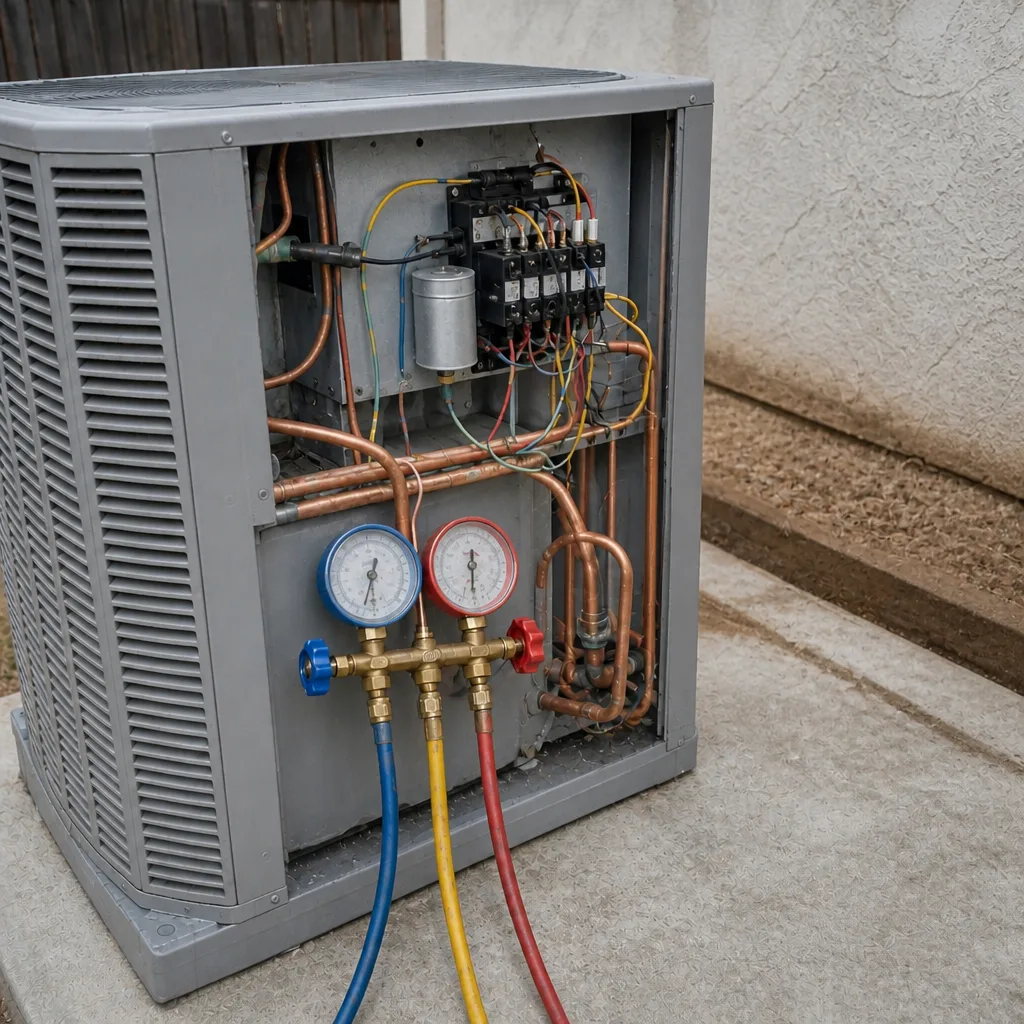
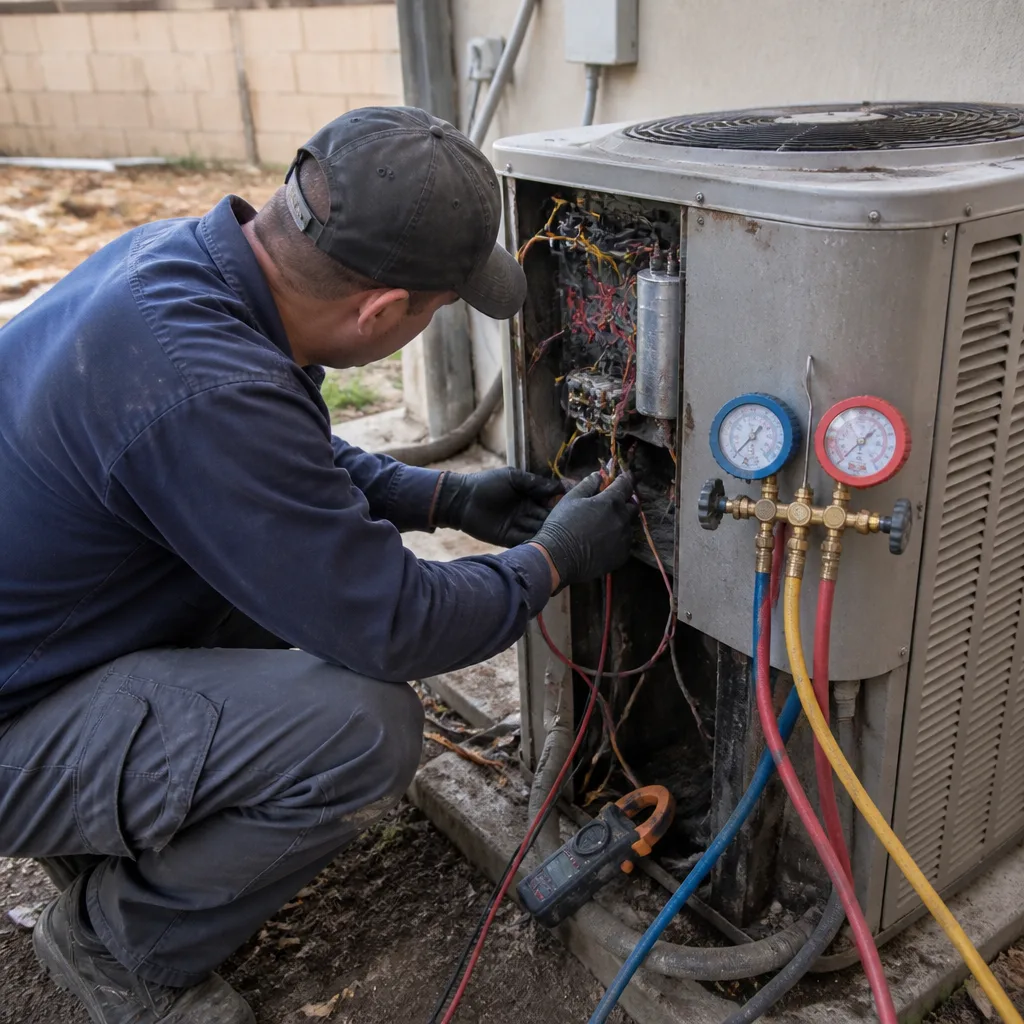
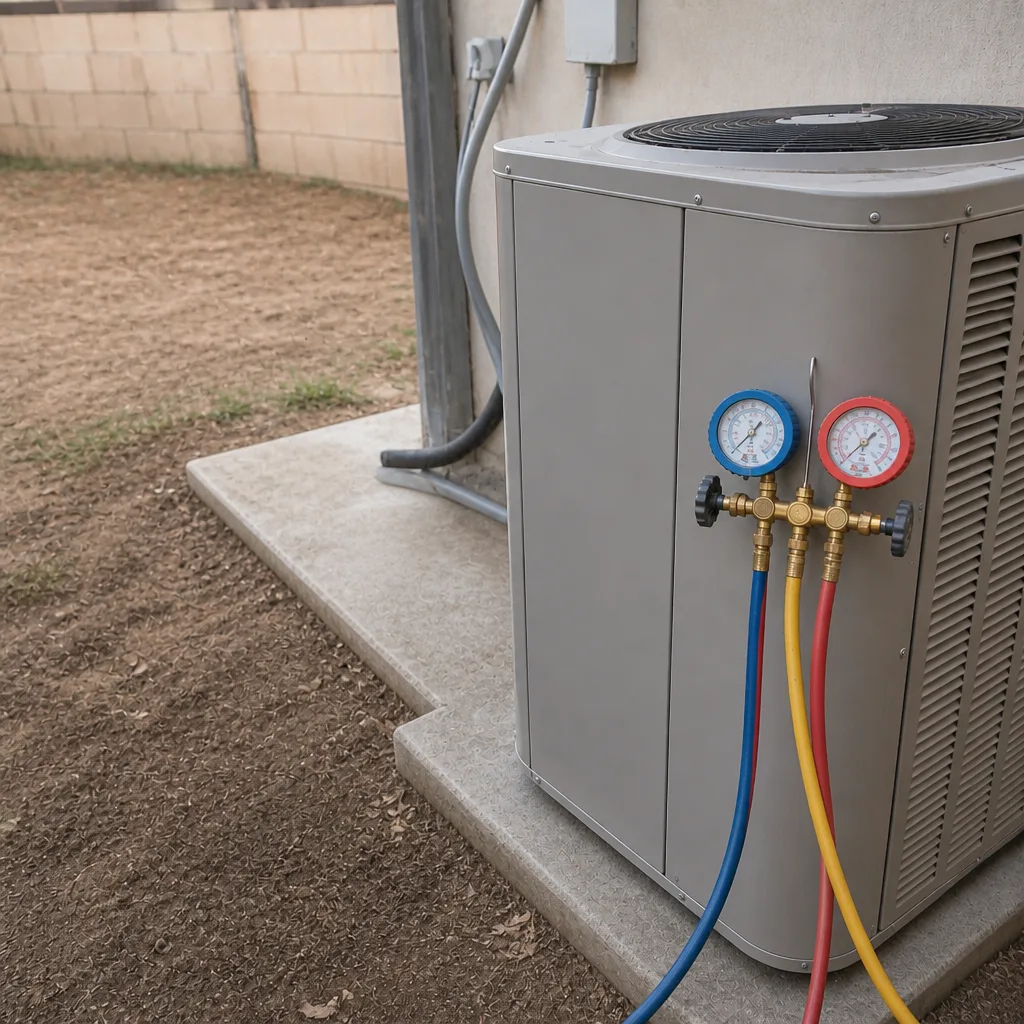
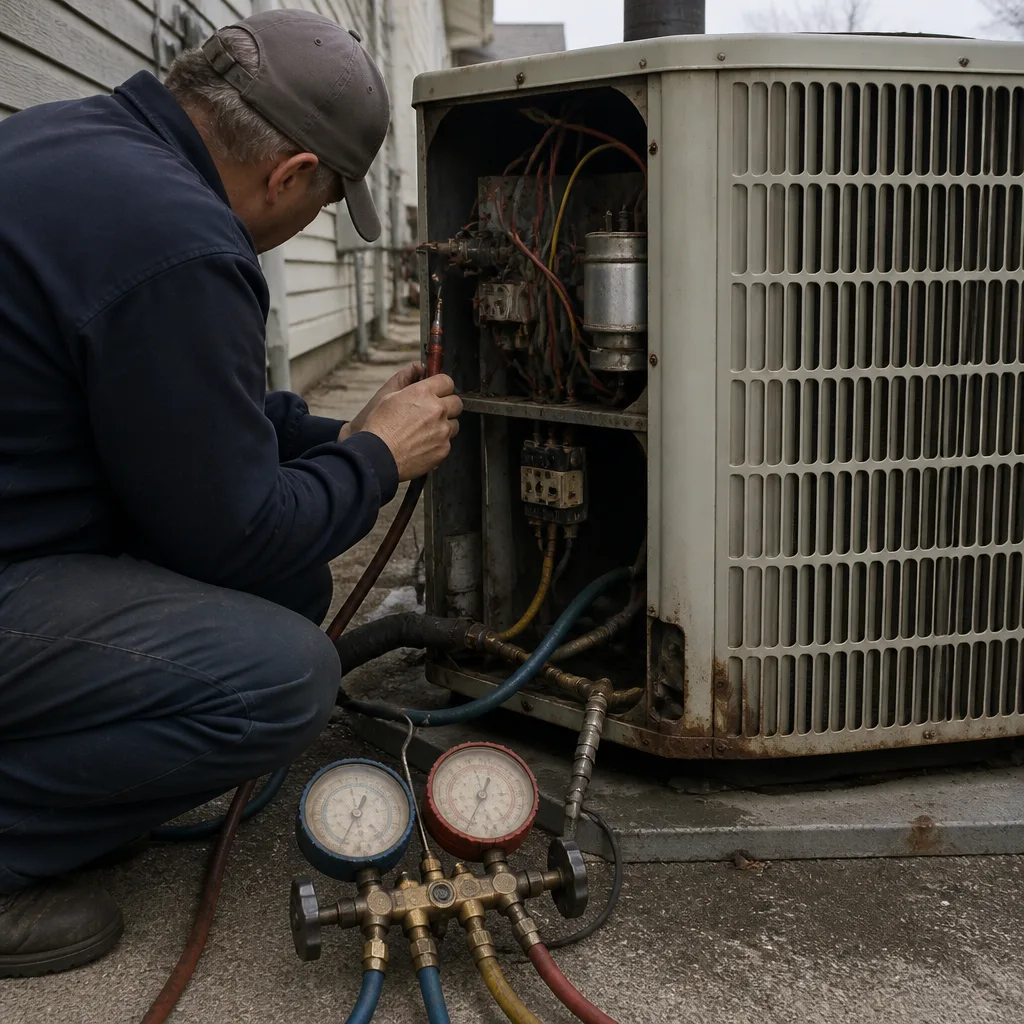
See the difference
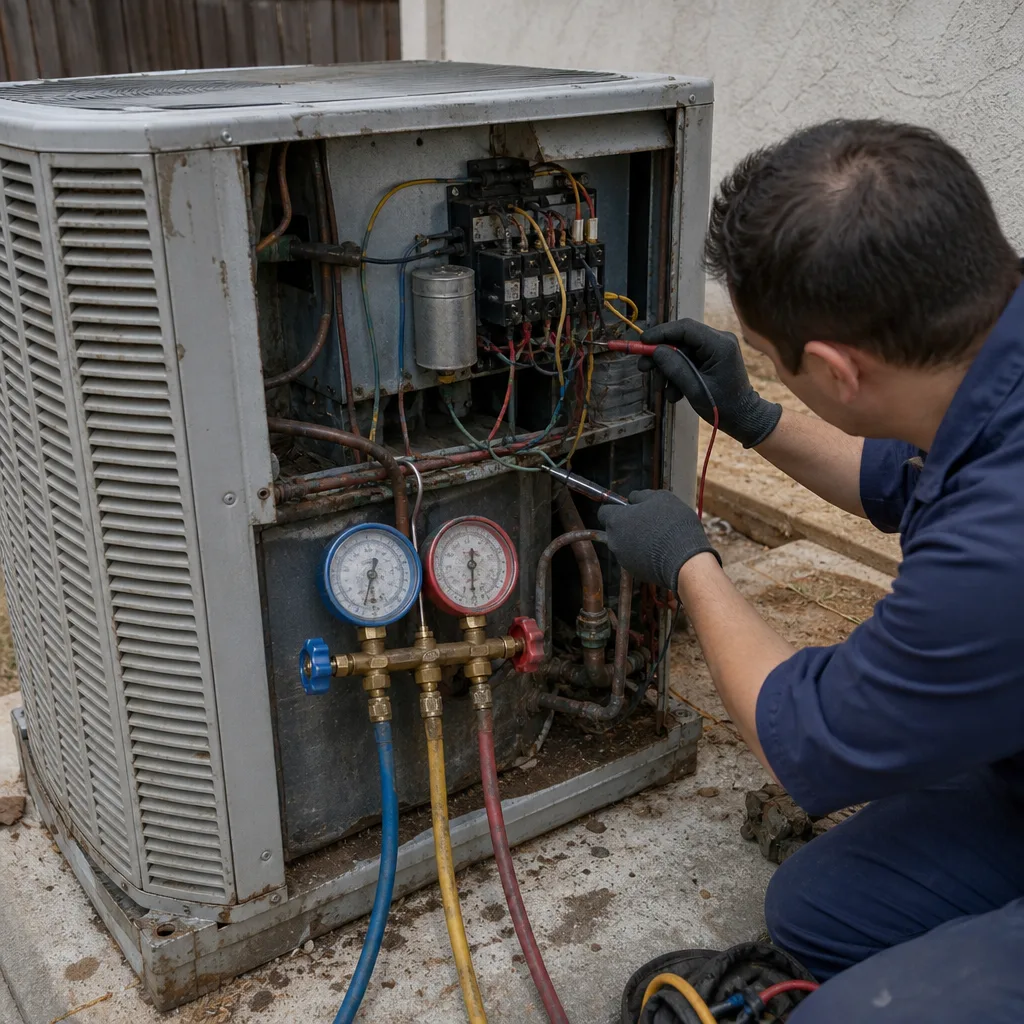 Before
 After
 Before
 After
 Before
 After
When to Call a Professional
Some HVAC problems are homeowner territory (filter changes, coil rinsing, thermostat batteries). The rest aren’t, and pretending otherwise in Paradise heat is how small problems become emergencies. Call a professional when the system isn’t cooling, when ice appears on the indoor coil or line set, when the breaker trips on the AC circuit, when you smell anything burning or “electrical” from the equipment, when refrigerant lines are oily or frosted, or when the system runs but never seems to catch up on a 115°F afternoon. Refrigerant handling requires licensing and equipment. Capacitor and compressor diagnostics require readings and training. Compressor replacements and installation require load calculation and commissioning. None of that is a homeowner repair, and none of it is worth risking in a Paradise attic in July. Ray’s Heating & Air Paradise offers free estimates in Paradise – call (855) 664-5714, and a live person answers, day or night.
Frequently Asked Questions
Realistically 10 to 13 years in Paradise, compared to the 15 years manufacturers publish for “average” conditions. The urban heat island effect and caliche-driven coil fouling push equipment harder than the national average, and the difference shows up in compressor life. Annual tune-ups and monthly coil rinsing help recover some of that gap.
Paradise’s ambient temperatures run higher than the reported forecast because of the heat radiating off concrete and asphalt from the nearby Strip corridor and surrounding development. Your system isn’t failing; it’s fighting harder air. That’s normal for Paradise, and it’s why proper load calculation matters so much at install.
SEER 16 is the practical sweet spot for most Paradise homes. Higher SEER pays back faster here than almost anywhere, but only when the ducts and insulation can deliver on the efficiency. On a 1990s build with original ducts, SEER 16 with duct work beats SEER 20 every time. Call (855) 664-5714 for an exact quote – estimates are free.
Repair if the system is under 10 years old, the failure is a single component, and the refrigerant charge is holding. Replace if a compressor has failed on a system over 12 years old, the system uses R-22, or repairs have stacked up in the last year. Get readings before deciding; the numbers decide, not the sales pitch.
Look up the license number on the Nevada State Contractors Board website. Confirm the name matches the company, the status shows active with HVAC classification, the address is published, and there’s no disciplinary history. Any legitimate Paradise company gives you the number without hesitation.
It covers the specific repair or install in writing for 90 days, and one call brings the company back to make it right. At Ray’s Heating & Air, that means Ray returns, not a rotating technician. It covers the parts and labor on the work performed. Ask any company for the guarantee in writing before the work starts.
The Bottom Line
Paradise is a specific place to own a home, and its AC systems live a harder life than manufacturer specs assumed. Caliche soil shifts the slab and the pad. Urban heat island temps push equipment past its rated duty cycle. Housing stock from different decades fails in different ways, and the SEER rating that pays off in one home overpays in another. Verify the Nevada license before anyone sets foot in the house. Insist on readings before quotes. Get the 90-day guarantee in writing. And pick a Paradise HVAC company whose name you’ll actually see again. Ray’s Heating & Air has been owner-operated in the community, answered live around the clock, and backed every job with the 90-Day Done Right Promise. When your system tells us what’s wrong, we listen first and show you the numbers. Call (855) 664-5714 for a free estimate.
Written by the team at Ray’s Heating & Air Paradise.