
Last updated November 18, 2026
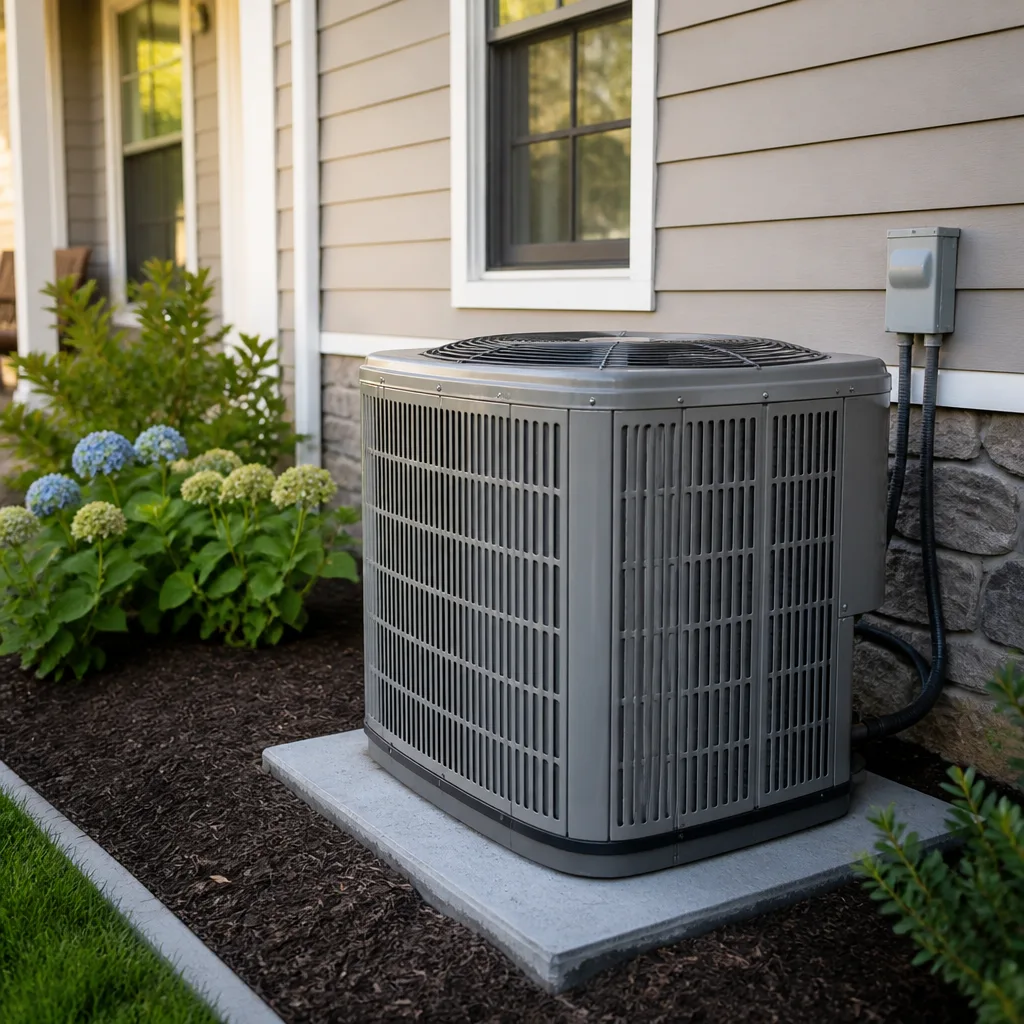 AC repair
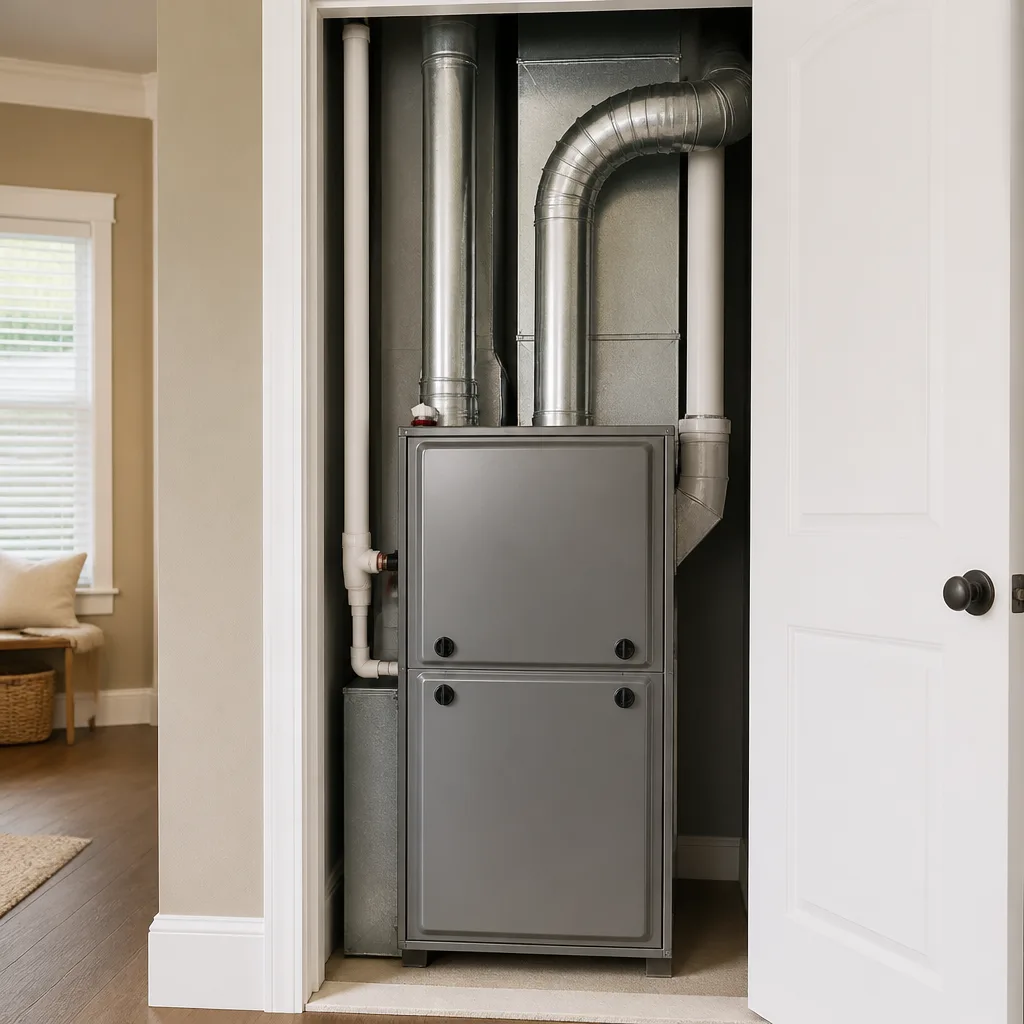 Furnace & heating
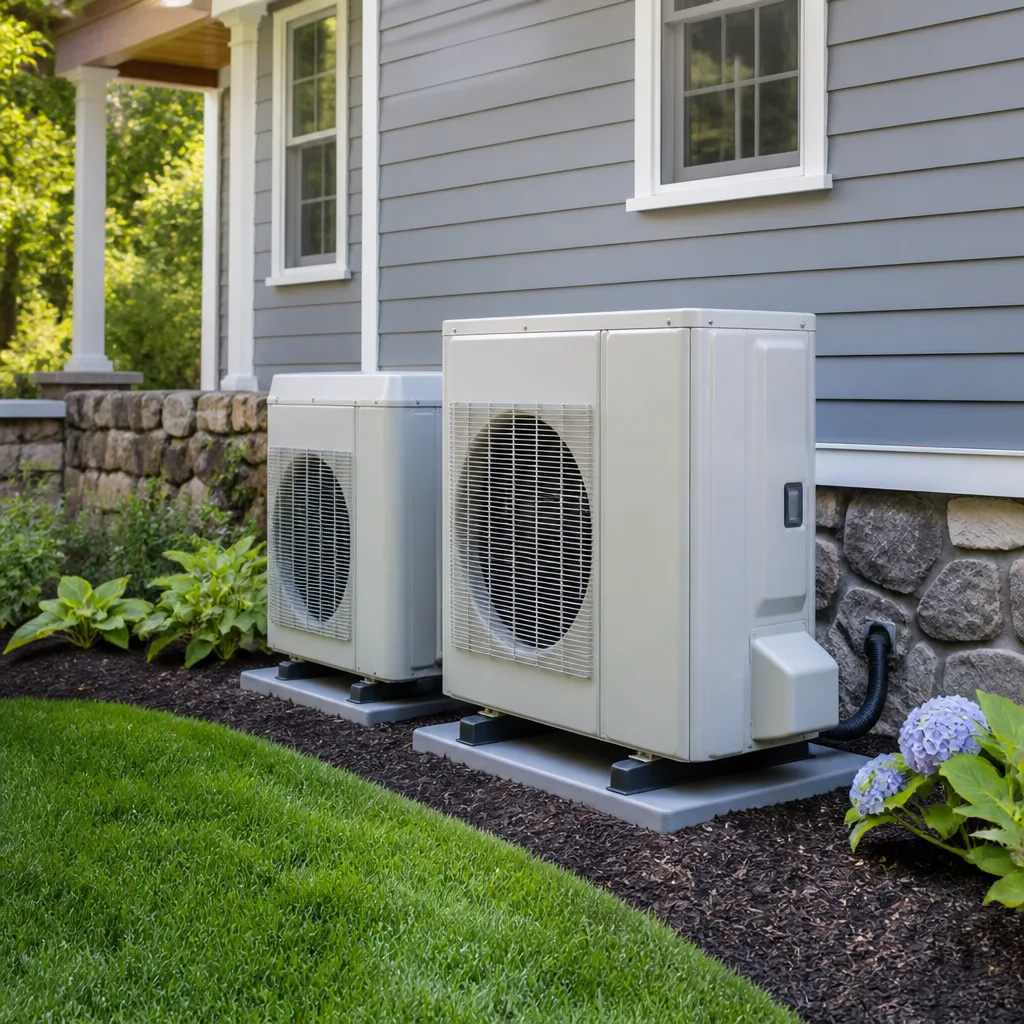 Heat pumps
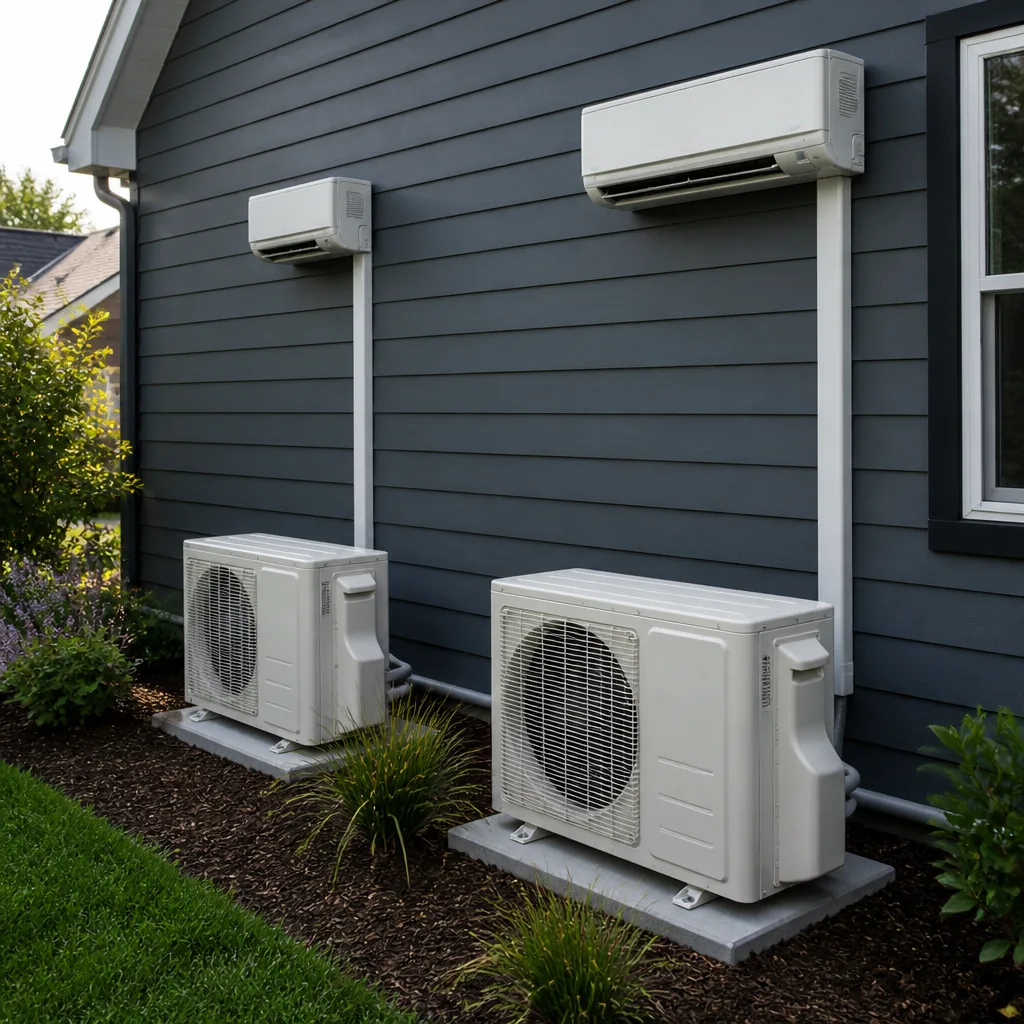 Ductless mini splits
 Carrier
 Trane
 Goodman
Seasonal tune-up and full diagnostic on your Carrier, Trane, or Goodman system - readings shown to you before any repair is proposed
Diagnosis first, numbers second - you approve the repair price before a single part goes in.
Get your free estimateDIY vs Professional Air Quality & Ventilation: What’s Safe to Do Yourself
A homeowner in Summerlin spent $200 on a duct-cleaning kit at a big-box store, ran the brush through his vents on a Saturday, and three days later his allergies were worse than before he started. He didn’t do anything careless. Nobody had told him the difference between wiping down a grille cover and sending a spinning brush into a duct full of settled dust. That distinction is the whole ballgame, and it’s what this guide is about. We’ll walk through what any reasonably handy homeowner can safely handle, what actually makes indoor air worse, and where the line sits. We do this work in Paradise and the surrounding valley, and we’ve seen both sides of that line more times than we can count.
Quick Answer
Filter swaps, grille wipe-downs, dryer vent visual checks, and CO detector testing are all safe for a homeowner to do. Duct cleaning with consumer tools, flue work, and anything touching a gas combustion appliance are not – those jobs can dislodge settled debris into your air stream or create a carbon monoxide risk. The short version: touch the surfaces, leave the insides alone.
Styles & brands we work with
- AC repair
- Furnace & heating
- Heat pumps
- Ductless mini splits
- Carrier
- Trane
- Goodman
Table of Contents
- What’s actually safe to do yourself
- Why DIY duct cleaning often backfires
- The tissue-and-incense test for ventilation problems
- The gas combustion line you should never cross
- Filter math: what Paradise dust does to a cheap filter
- What to ask a contractor before you pay for air quality work
- Common mistakes to avoid
- When to call a professional
What’s Actually Safe to Do Yourself
Here’s the honest short list. If you can change a lightbulb and read a label, you can do every one of these without risking your system or your health.
- Swap the filter. Every 30 to 60 days in Paradise, closer to 30 during windy spring months when the valley kicks up dust. Check the MERV rating on the packaging – most homes run fine on MERV 8 to MERV 11. Going higher than MERV 13 on an older system can choke airflow and make the blower work harder than it should.
- Wipe down the grille covers. A damp rag on the return and supply grilles once a month keeps visible dust from caking on and getting pulled back into the stream.
- Visually check the dryer vent. Pull the dryer out, disconnect the flexible duct at the back, and look inside with a flashlight. If you see lint buildup beyond a light dusting, that’s a fire risk and needs a real cleaning. Don’t run a shop vac blindly into the wall cavity – that’s how people disconnect joints they can’t see.
- Test your CO detectors. Press the test button once a month. Replace batteries twice a year. Replace the whole unit every 7 to 10 years – the sensor degrades and a detector that chirps “okay” may not actually detect anything anymore.
- Vacuum the return air path. A crevice tool down the return drop, with the system off, pulls loose dust before it heads back into the blower. Just don’t reach past what you can see.
That’s it. That’s the whole safe list. If you’re doing these five things consistently, you’re covering maybe 70 percent of what a homeowner actually needs to keep indoor air reasonable in a Paradise home.
Why DIY Duct Cleaning Often Backfires
Here’s the Summerlin story again, in more detail. That homeowner bought a kit with a flexible brush on a drill attachment and a vacuum adapter. He pushed the brush into the return duct, spun it, and pulled it back. Nothing looked wrong. But what actually happened is what happens in most of these cases: the brush loosened dust that had settled along the bottom of the duct over years, broke it into finer particles, and sent a good chunk of it into the supply stream. The vacuum he had hooked up couldn’t keep up with the volume. His system pushed the rest into the living room over the next three days.
Professional duct cleaning isn’t just a bigger brush. It’s negative pressure. A proper setup pulls the whole duct system into a vacuum before anything gets agitated, so loosened debris leaves the house instead of landing on your furniture. Consumer kits don’t create negative pressure. They disturb the surface and hope the dust goes somewhere useful.
What we see in Paradise homes specifically: older ductwork from the 1980s and 1990s that has flexible connectors and joints that don’t take kindly to a spinning brush. A brush can catch a joint, tear the connection loose, and now you have a duct that leaks into the wall cavity. That’s a repair that costs more than the cleaning would have.
- Consumer kits agitate debris; they don’t remove it with negative pressure.
- Home duct systems have joints, flex connectors, and turns a brush can damage.
- If you see visible debris coming out of a supply register after a DIY attempt, stop and call.
The Tissue-and-Incense Test for Ventilation Problems
Here’s a trick we use on walkthroughs. It costs about a dollar and tells you more about your home’s air exchange than a $300 gadget.
- Turn off all fans and the HVAC system. Wait five minutes.
- Light an incense stick and hold it near a return grille. Watch the smoke. If it drifts toward the grille, you have return airflow. If it sits or drifts away, you don’t.
- Now hold the incense near a supply register. You should feel the smoke get pushed away by airflow. If not, that register isn’t delivering.
- Next, hold a single-ply tissue against the return grille (system running). It should pull against the grille and stay. If it flutters or falls, airflow is weak.
- Finally, hold the tissue near an exterior door with the system running. If the tissue gets sucked toward the door gap, your home is under negative pressure – which usually means returns are undersized or blocked.
This test won’t tell you MERV ratings or static pressure, but it will tell you whether a room is getting air at all, and whether your house is pulling air through every crack because the return side can’t keep up. In Paradise, where summer heat runs long and homes tend to be tight and well-sealed, negative pressure is a frequent culprit behind “dusty house” complaints that turn out to be a return problem.
If you find weak airflow, that’s when a diagnostic visit makes sense. We do a free second opinion on any written estimate, and we test before we quote so you’re not paying for parts you didn’t need. You can read more about how we handle AC Repair & Installation in Paradise if you’re looking at airflow issues that trace back to the cooling side.
The Gas Combustion Line You Should Never Cross
This is the part of the guide we want you to take seriously. Anything touching a gas furnace, water heater, or gas fireplace flue is not a DIY job. Not the venting, not the heat exchanger, not the flue pipe connections.
Why this matters more in Paradise than people realize: homes here run furnaces and gas water heaters through a long shoulder season and a short but real heating season, so the flue gets tested across big temperature swings. A flue that looks fine in July can backdraft in January if the venting wasn’t properly sized, sealed, or supported. Carbon monoxide is odorless, and a partially blocked flue can send it straight into the living space with no obvious sign.
If you notice any of these, stop and call:
- Soot streaks or white residue around the flue connection at the furnace
- A yellow (not blue) flame at the burner
- Any rattling or rumbling from the flue during operation
- Headaches or flu-like symptoms that show up when the furnace is running
- A CO detector that has ever alarmed, even once
Heat exchanger venting, flue drafting, and combustion testing aren’t something you learn from a video. If you’ve got a gas appliance in the house, our Heating & Furnace in Paradise page covers what a proper combustion safety check looks like. We test before anyone touches a part – readings first, numbers second, always.
Filter Math: What Paradise Dust Does to a Cheap Filter
Paradise sits in a basin where wind picks up dust off open ground, and where summer pollen season runs long. A $6 fiberglass filter that would last 90 days in a humid climate lasts about 30 here before it’s more of a dust shelf than a filter. That matters because a clogged filter doesn’t just reduce air quality – it makes the blower pull harder, which can shorten the life of an ECM motor.
A few real numbers we see in Paradise homes:
- Standard 1-inch fiberglass filter: change every 30 days during spring and summer, 60 days otherwise.
- Pleated MERV 8, 1-inch: every 45 days during heavy dust, 90 days otherwise.
- Media cabinet filter (4- to 5-inch thick): every 6 to 12 months, depending on how many pets you have.
- Electrostatic washable: clean every 30 days. They clog faster than people expect and lose efficiency when dirty.
If you’re not sure what size your system takes, take the old filter to the hardware store and match it. Don’t buy the biggest stack – one good filter you actually change beats three spares that sit in the garage. For homes with pets or anyone with asthma, we sometimes recommend a whole-house air cleaner through a Heat Pump & Mini Split in Paradise retrofit, but that’s a real conversation after diagnostics, not something to buy from a catalog.
What to Ask a Contractor Before You Pay for Air Quality Work
The industry has a real problem with “duct cleaning” that amounts to a guy running a shop vac over your grille cover and calling it a day. Here’s how to tell the difference before you spend $400 on something that doesn’t improve your air.
- Ask what negative pressure source they use. The answer should involve a HEPA vacuum with enough CFM to pull the whole duct system into negative pressure. “We use a shop vac” is not the answer.
- Ask whether they’ll show you a before-and-after photo from inside the duct. A real company has a camera and will show you what they found and what they removed.
- Ask if they’ll test static pressure before and after. If they can’t measure it, they can’t tell you whether they improved airflow.
- Ask whether the work is quoted as a fixed price in writing. No hourly surprises. You should see readings and numbers before work begins.
- Ask about the fire hazard. A legit air quality contractor will check your dryer vent and range hood while they’re there. Those are the two biggest residential fire risks in most homes.
If a contractor dodges any of those questions, walk. Locally owned and owner-operated since 2002, we’ve seen the whole spectrum in Paradise, and the honest ones never mind being asked. Our Ray’s Heating & Air Paradise home page lays out the 90-Day Done Right Promise in writing, and every job is stamped with it. If it wasn’t done right, one call brings us back.
Common Mistakes to Avoid
- Running a brush into a duct without negative pressure. That’s the Summerlin problem – it makes air worse before it makes it better. A consumer kit agitates settled dust but can’t remove it.
- Buying the highest MERV filter you can find. MERV 16 sounds great until it strangles airflow on a system designed for MERV 8, which strains the blower and can freeze a coil. Match the filter to the system, not the marketing.
- Turning off the CO detector because it chirped “for no reason.” That chirp is a signal. A CO detector is the cheapest safety device in your home and one of the few that can actually save your life.
- Sealing up every gap in a tight home without adding ventilation. Paradise homes are already well-sealed against the heat. Over-sealing without a plan can trap moisture and indoor pollutants.
- Assuming “dusty house” is a duct problem. Half the time it’s a return-side issue or a bad filter housing gasket. Diagnostics first.
- Letting a contractor touch a flue without combustion testing. Flues are not a “looks fine” job. Carbon monoxide has no smell.
- Hiring whoever answered the phone first. A rotating crew who has never seen your system will not diagnose it as well as the person who has been there before.
When to Call a Professional
Call when the problem is inside the duct, the flue, or the combustion path. That means: visible debris blowing out of supply registers, a CO detector that has ever alarmed, a furnace that smells off, a drier that’s taking two cycles to dry a load, or a home that’s dusty even after consistent filter changes. Also call if you’ve had a DIY attempt go sideways – we won’t make you feel bad about it, we’ll just diagnose it and tell you what it’s going to cost before we start.
Our phones are answered by a live person around the clock, every day, including the owner himself, who answers his own phone at two in the morning. Ray’s Heating & Air Paradise offers free estimates in Paradise – call (855) 664-5714. Ask anyone on your street. There’s a Free Second Opinion on any written estimate, a $40 Off Any Repair Over $200 offer, No Trip Charge inside the county, and a Senior and Veteran 10% discount. Those are the four offers we stand behind, and there aren’t any others.
See the difference
 Before
 After
 Before
 After
 Before
 After
Frequently Asked Questions
No, not in the way consumer kits suggest. Running a brush through your ducts without a proper negative pressure vacuum system agitates settled debris and pushes it into the air stream instead of removing it – which is exactly what happened to a homeowner we know in Summerlin. Surface wipe-downs on grilles are fine. Actual duct cleaning needs real equipment and the ability to see inside with a camera.
Every 30 days during spring and summer dust season, and every 60 to 90 days the rest of the year for a standard 1-inch pleated filter. Thick media cabinet filters can go 6 to 12 months. If you have pets or anyone with allergies in the house, lean toward the shorter schedule. Call (855) 664-5714 if you’re not sure which filter your system is designed for – estimates are free.
The tissue-and-incense test is the cheapest first step. Light an incense stick near a return grille and see if the smoke drifts toward it. Hold a tissue against the return with the system running – it should pull tight against the grille and stay. Then hold a tissue near an exterior door with the system on; if it gets sucked toward the door crack, your home is under negative pressure, usually from undersized returns. That’s when it’s time for diagnostics.
You can do the visual check – pull the dryer out, disconnect the flexible duct at the back, and look inside with a flashlight. Light dusting is fine. Heavy lint buildup or a duct that runs longer than about 8 feet through a wall cavity should be cleaned with proper equipment. A flashlight check is safe; running a shop vac blindly into a wall cavity is not, because you can disconnect joints you can’t see.
Because most DIY cleaning methods stir up settled debris without capturing it. Negative pressure is what makes the difference. If the dust loosened in your duct can’t leave the house, it ends up in the supply stream and blows into the room. A real duct cleaning pulls the whole system into a HEPA vacuum before anything is disturbed.
Yes – air quality and ventilation is one of our core services, alongside AC repair and installation, heating and furnace work, heat pumps and mini splits, and emergency and commercial HVAC. We service Carrier, Trane, Lennox, Goodman, Rheem, York, Daikin, Bryant, and American Standard systems, and every job carries the 90-Day Done Right Promise in writing. Call (855) 664-5714 for a free estimate in Paradise.
The Bottom Line
The short version of this whole guide: touch the surfaces, leave the insides alone. Filter swaps, grille wipe-downs, dryer vent visual checks, and CO detector testing are safe, helpful, and save real money. Duct cleaning with consumer tools does more harm than good because it stirs up dust without removing it. Gas flues, heat exchanger venting, and anything combustion-related belong to a trained professional – no exceptions, and especially not in Paradise where our heat and dust load already stresses the system. If a contractor shows up and won’t test before they quote, show them the door. Readings first, numbers second. That’s how it should always work.
Ray’s Heating & Air Paradise has been locally owned and owner-operated since 2002, with a published address and license number anyone can verify. If you’d rather have the person who answers the phone be the person at your door, call (855) 664-5714 for a free estimate. There’s a Free Second Opinion on any written estimate – even if you already have one in hand from someone else.
Written by the team at Ray’s Heating & Air Paradise.