
Last updated November 18, 2026
 AC repair
 Furnace & heating
 Heat pumps
 Ductless mini splits
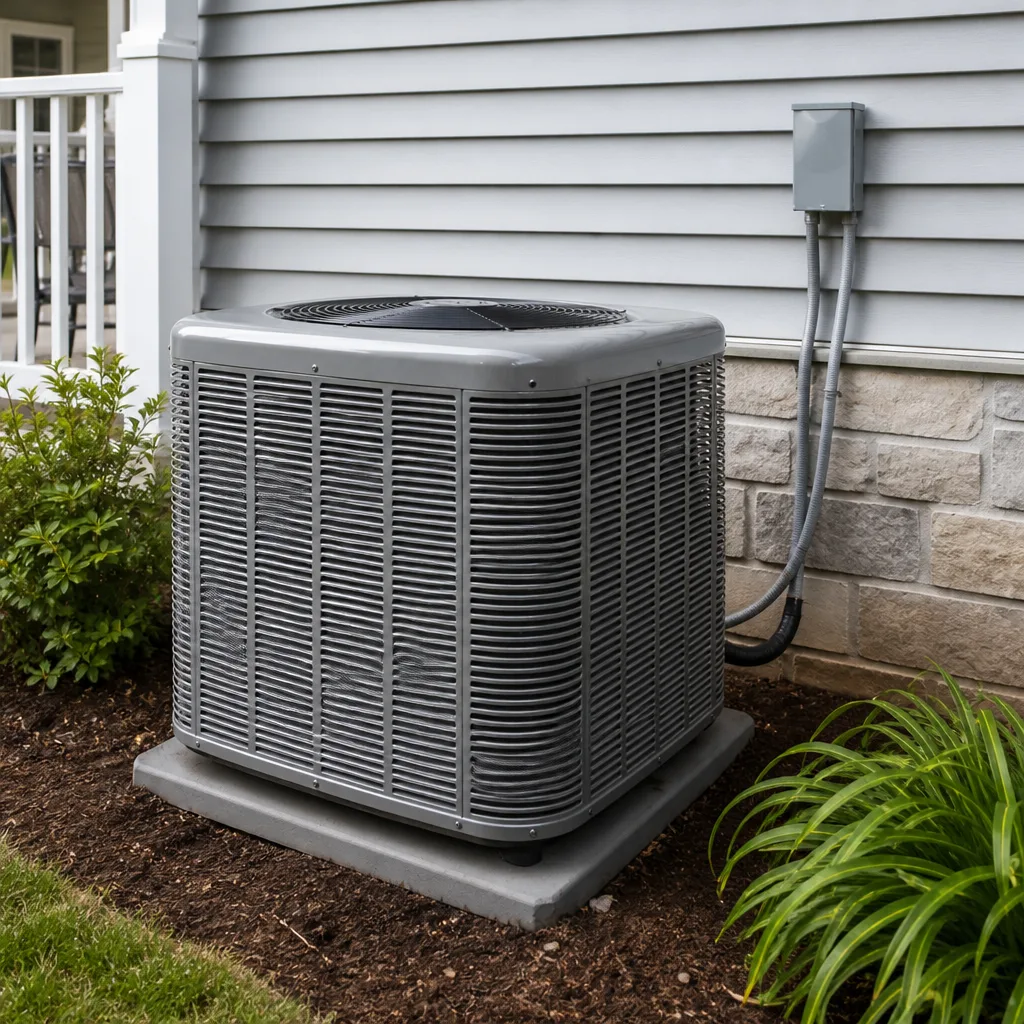 Carrier
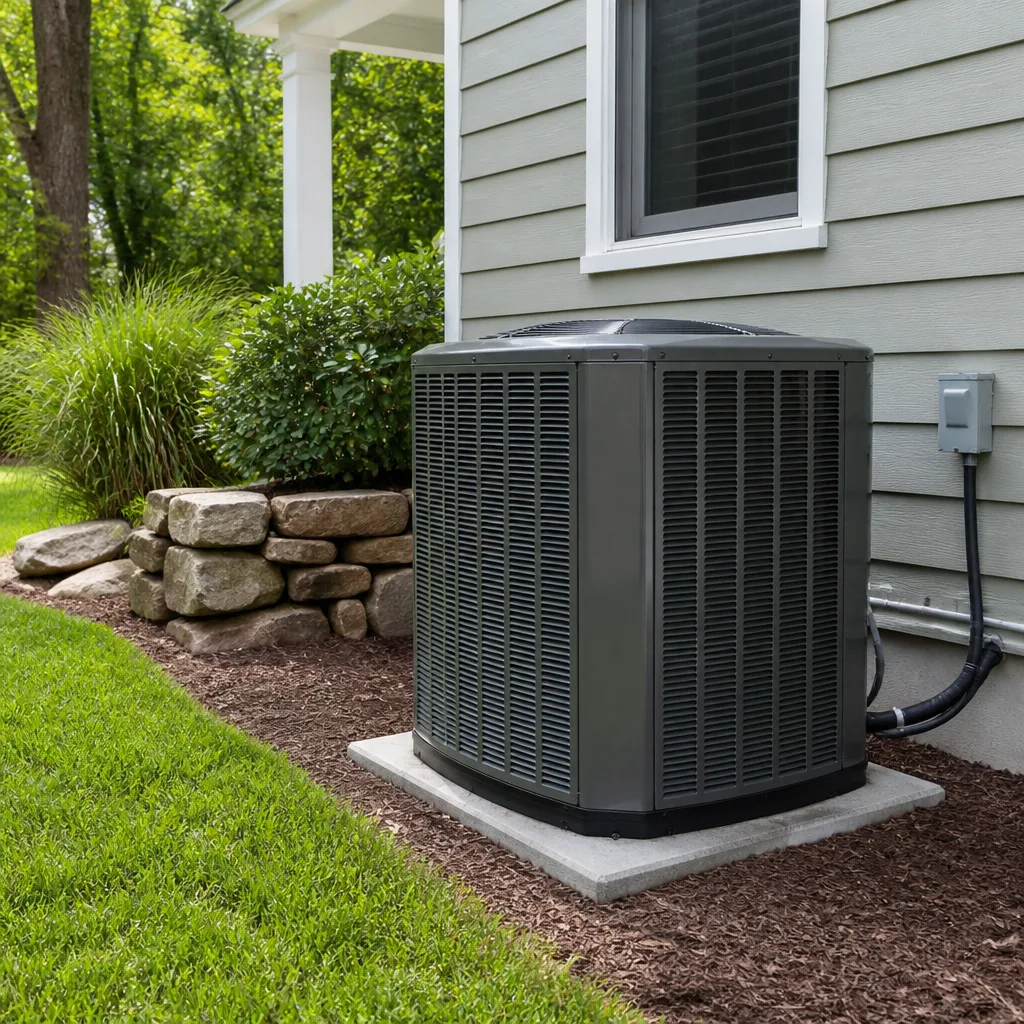 Trane
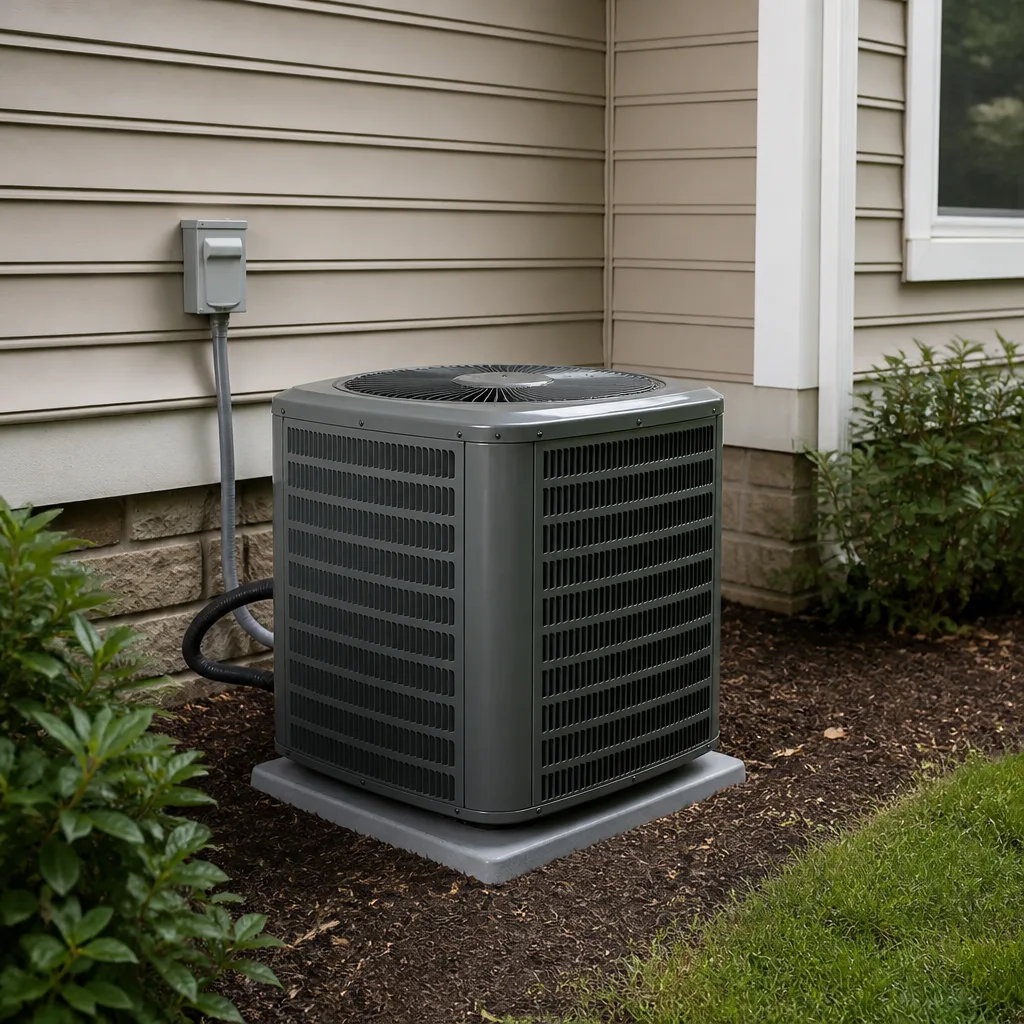 Goodman
Seasonal tune-up and full diagnostic on your Carrier, Trane, or Goodman system - readings shown to you before any repair is proposed
Diagnosis first, numbers second - you approve the repair price before a single part goes in.
Get your free estimateDIY vs Professional Emergency & Commercial HVAC: What’s Safe to Do Yourself
Ray will tell you straight: the DIY line on commercial HVAC is almost always filters, belts if you’ve been trained, and nothing else. He’s not saying that to protect his business. He’s saying it because he’s seen the aftermath of the other approach – a fried control board, a refrigerant release, a scorched disconnect – and none of it was worth the money saved. This guide is the honest split between what a facilities manager can legally and safely handle and what belongs in the hands of someone licensed. It’s written from Paradise, where summer heat pushes rooftop units hard and a mistake doesn’t wait until Monday to show itself.
Quick Answer
On commercial HVAC, the safe DIY list is short: filter replacement, visual inspections, thermostat adjustments, and drain line flushes on accessible units. Everything involving refrigerant, electrical components beyond a low-voltage thermostat, or gas belongs to a licensed professional – and refrigerant work specifically requires EPA Section 608 certification by federal law. Residential systems offer a slightly longer DIY leash; commercial systems run at voltages and pressures where a mistake can hurt people, not just break equipment.
Styles & brands we work with
- AC repair
- Furnace & heating
- Heat pumps
- Ductless mini splits
- Carrier
- Trane
- Goodman
Table of Contents
- What’s Actually Safe to Do Yourself on Commercial HVAC
- Refrigerant Handling and EPA Section 608: The Law, Not a Suggestion
- Why Commercial Electrical Work Is a Different Risk Category
- Where the Residential and Commercial DIY Lines Diverge
- How to Document Your Own Work So a Tech Can Pick Up
- The One “Professional-Looking” DIY Fix That Causes the Most Damage
- What Paradise Heat Does to Commercial Equipment
What’s Actually Safe to Do Yourself on Commercial HVAC
The safe list for a business owner or facilities manager is real, but it’s narrow. None of these tasks require touching refrigerant or opening a high-voltage panel, and all of them genuinely reduce load on the system when done on schedule.
- Filter replacement. On a rooftop unit or an accessible air handler, swapping filters is the single most valuable thing you can do. Track the pressure drop or just the calendar – in Paradise, dusty spring winds mean filters clog faster than the manufacturer’s interval suggests.
- Visual inspections. Look at the condenser coil for debris, the drain pan for standing water, the belt for glazing or cracks, and the electrical disconnect for scorch marks. You’re not fixing anything here; you’re catching a problem early enough to call before it becomes an emergency.
- Thermostat adjustments. Setback schedules, occupied/unoccupied programming, and simple setpoint changes are fair game. Read the manual once.
- Drain line flushes on accessible units. A condensate line that clogs on a commercial unit can overflow into a ceiling grid or a server closet. Flushing an accessible line with water or a shop vac is safe. If the drain is behind a locked panel or runs through a wall you can’t trace, leave it.
Belts sit in a gray zone. If you’ve been trained on tension and alignment and you know the lockout procedure for that specific unit, changing a belt is reasonable. If you’re guessing, it isn’t. The motor doesn’t care that you meant well.
Refrigerant Handling and EPA Section 608: The Law, Not a Suggestion
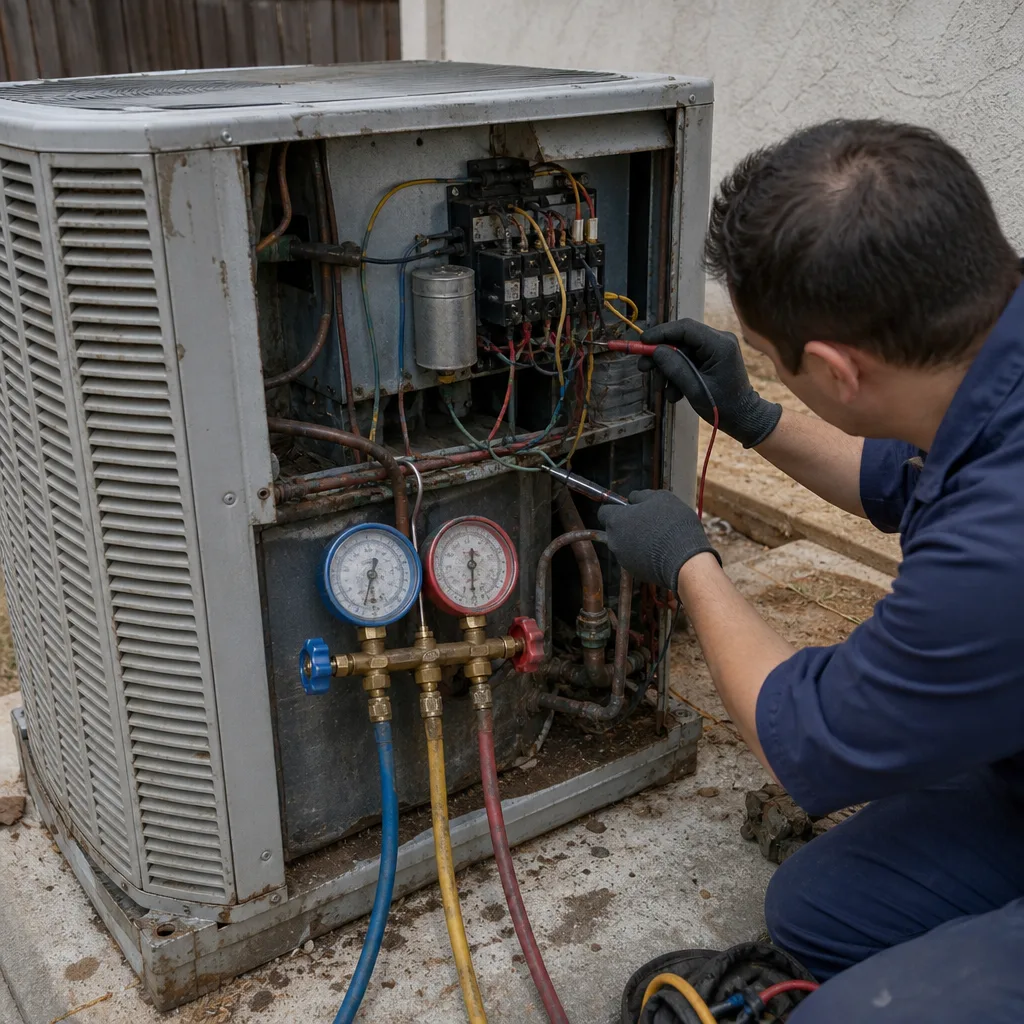
Refrigerant handling on commercial systems requires EPA Section 608 certification regardless of what a YouTube video tells you. This is federal law under the Clean Air Act, and it applies to anyone who maintains, services, repairs, or disposes of equipment containing ozone-depleting refrigerants or their substitutes. There is no homeowner exemption for commercial work, and there’s no “it was just a top-off” defense.
The fine structure matters because it’s steep and it lands on the person and the business. Knowing release of refrigerant, failure to recover refrigerant before opening a system, and improper disposal each carry civil penalties that run into the tens of thousands of dollars per violation. Some violations are criminal. The equipment doesn’t care whether you were trying to save money.
There’s a practical side too. Commercial systems run on refrigerants that require specific recovery equipment, specific gauges, and specific handling under pressure. A refrigerant burn is a frostbite injury. A release in a confined mechanical room displaces oxygen. Watching a video does not give you the certification, the tools, or the training. It gives you confidence, which is the dangerous part.
This is the same reason our AC Repair & Installation in Paradise work starts with readings before numbers. You can’t diagnose a refrigerant charge by feel, and you can’t legally adjust one without the credentials.
Why Commercial Electrical Work Is a Different Risk Category
Even swapping a contactor in a 480V commercial unit is a different risk category than residential 240V work. The voltage is higher, the available fault current is higher, and the arc flash hazard is real. A 480V three-phase panel doesn’t give you a warning shock – it can produce an arc with enough energy to cause serious burns and hearing damage in a fraction of a second.
Residential 240V work on an HVAC circuit is still dangerous and still not a homeowner DIY project for most people, but the margin for error is wider. Commercial three-phase equipment raises every variable:
- Higher voltage means higher arc flash energy at the same contact distance.
- Lockout/tagout procedure is more involved and more consequential.
- Control circuits may be low-voltage, but they’re interlocked with equipment that isn’t.
- Improper connections that “work” can overheat under continuous commercial load and start a fire weeks later.
The ceiling for safe DIY electrical on commercial HVAC is a thermostat battery or a low-voltage control wire on a unit you’ve isolated. Anything past that belongs to a licensed electrician or a trained HVAC technician. The person at your door should be background-checked, and they should be able to show you the readings before they touch anything.
Where the Residential and Commercial DIY Lines Diverge
Homeowners ask about the same tasks for their own systems, and the answer is genuinely different at home. Residential systems are single-phase, typically 240V at most, and the equipment is smaller and more accessible. The DIY list at home is longer – filter changes, thermostat programming, outdoor coil cleaning, condensate flush – and the risk profile is lower.
Commercial changes the math because the equipment is bigger, the voltage is higher, and the stakes are public. A failed rooftop unit in a restaurant kitchen isn’t a hot afternoon; it’s a health inspection problem and a closed business. A refrigerant leak in a retail space isn’t a comfort issue; it’s an evacuation.
If you’re working out what’s fair game on your own house, the Heating & Furnace in Paradise guidance and the Heat Pump & Mini Split in Paradise service pages both walk through the residential version. The short version: filters and visual checks are fine, gas and refrigerant and high-voltage work are not. Same principle, shorter leash on the commercial side.
How to Document Your Own Work So a Tech Can Pick Up
If you do the safe tasks yourself, document them – not because anyone’s auditing you, but because the next person who opens that unit needs to know what they’re walking into. The worst service call is the one where someone changed a belt, adjusted a setpoint, or reset a fault, and never said a word.
- Keep a service log on the unit or in a binder. Date, task performed, filter size or MERV rating, and any observation that seemed off. Two lines per visit is enough.
- Photograph anything you touched. Belt condition, filter before/after, a drip you noticed on the drain pan. A timestamped photo answers a lot of questions later.
- Note any fault codes you cleared. If you reset a controller after a lockout, write down the code before you cleared it. That code is diagnostic gold for the tech who follows you.
- Say it out loud on the call. When you book service, tell the dispatcher what you’ve done and what you noticed. Never let a technician discover your work by surprise.
The one thing to never do without telling the tech first: swap a component, even something small. A replaced contactor of the wrong rating, an aftermarket sensor, a thermostat you swapped for a smart model – each changes the diagnostic picture. Say it upfront. Our team at Ray’s Heating & Air Paradise home asks about recent work on every call for exactly this reason.
The One “Professional-Looking” DIY Fix That Causes the Most Damage
Zip-tying refrigerant lines to fix a rattle instead of finding the vibration source is the single most common “professional-looking” DIY fix we’ve seen damage commercial equipment. It looks tidy. It silences the noise. It also creates a new problem that shows up six weeks later.
Here’s what happens. Vibration has a source – an unbalanced fan, a failing bearing, a loose panel, a mount that’s given way. When you strap the line to something solid to stop the noise, you transfer that vibration into the line itself. Copper work-hardens and cracks at the tie point. The line rubs through the insulation and then through the tube. You go from a $200 fan fix to a refrigerant leak, a recovery, a repair, and a recharge – and you’re lucky if it’s found before the compressor runs dry.
The right answer is to find the vibration. A tech who knows what they’re listening for can locate an out-of-balance blower or a mount failure in fifteen minutes. That’s the whole point of readings first, numbers second – diagnose the source, then fix it. Patching the symptom is how the small problem becomes the emergency call. If you’ve already zip-tied something to quiet it down, say so when you call. It saves everyone time.
What Paradise Heat Does to Commercial Equipment
Commercial equipment in Paradise takes a specific beating. Summer afternoons push well past 100°F, and rooftop units run longer duty cycles than the manufacturer’s test conditions assume. That extra runtime accelerates everything – belt wear, capacitor drift, contactor pitting, filter loading. A commercial unit that would run five seasons in a milder climate is often showing its first electrical failures here by year three.
Spring brings wind and dust that clog condenser coils and load filters faster than the schedule suggests. Winter mornings occasionally drop cold enough to stress heat pump defrost cycles on light commercial equipment. Businesses along the commercial stretches of town, from the older retail strips to the newer build-outs, see the same pattern: the failures cluster in the shoulder seasons, right when nobody’s watching the equipment.
That’s the argument for a documented maintenance rhythm – not a sales pitch, just a schedule. Change the filters on a real interval, do the visual walk, flush what’s accessible, and call when something reads wrong. Our team has worked on Carrier, York, Daikin, Bryant, and American Standard commercial equipment across Paradise and the surrounding county, and the pattern holds across every brand: the units that get a documented look-over twice a year are the ones that make it to the end of their service life without a mid-summer emergency.
Common Mistakes to Avoid
- Topping off refrigerant yourself. It’s a federal violation without Section 608 certification, and it hides the leak you should be finding. A system that needs refrigerant is a system with a problem.
- Resetting a lockout without reading the code. Clearing the fault might get you running for a day, but you’ve erased the only clue the manufacturer gave you. Write the code down first.
- Zip-tying lines or panels to quiet a rattle. Covered above, but it’s common enough to repeat. Find the vibration, don’t silence it.
- Swapping a capacitor or contactor of the wrong rating. A part that fits isn’t a part that’s right. The ratings matter, and a wrong one fails under load – usually on the hottest day of the year.
- Skipping the filter log. “I think I changed it in spring” is how a clogged filter burns out a blower motor. Track the date.
- Turning off a unit instead of calling. A unit that’s shut down over a small problem becomes an emergency when the building is full and the temperature is climbing.
- Trusting a phone quote as a final price. Any number given without readings on the actual equipment is a guess. Real pricing comes from real diagnostics.
See the difference
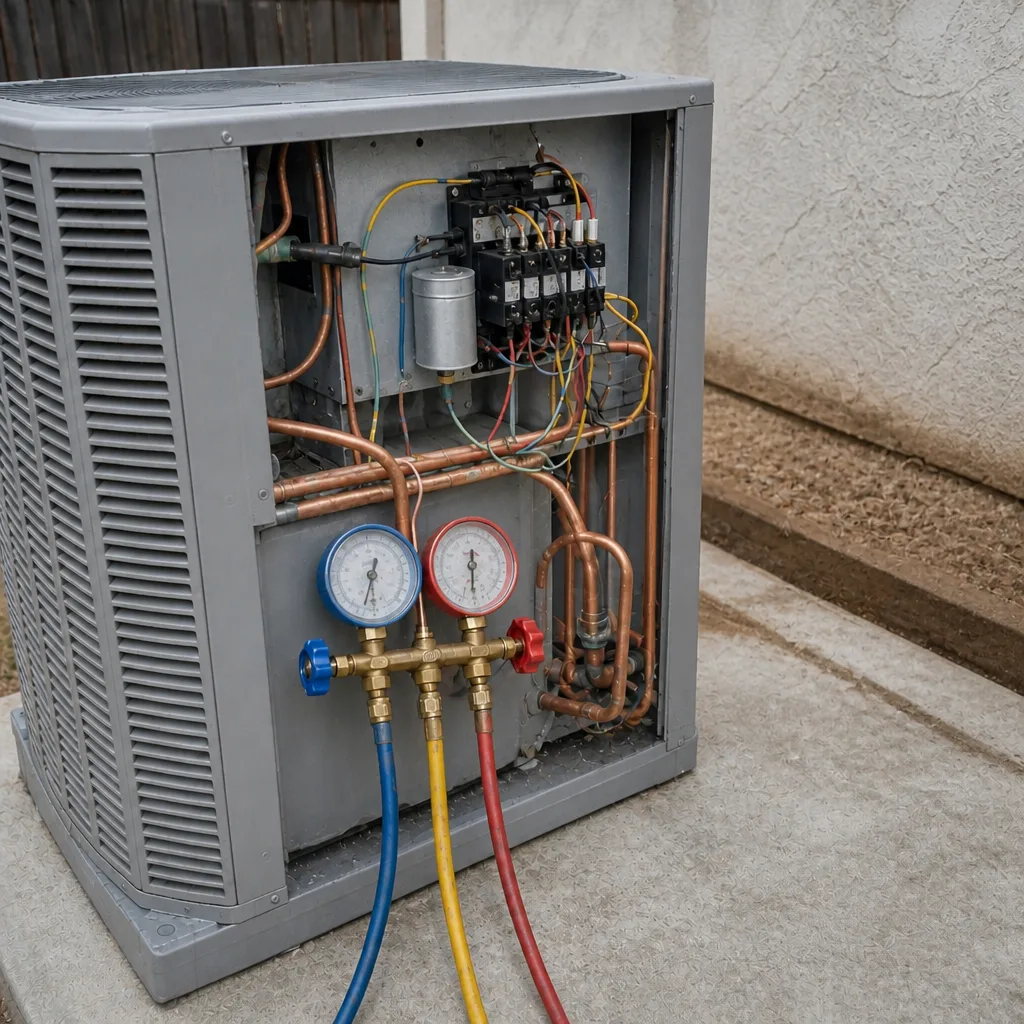
 Before
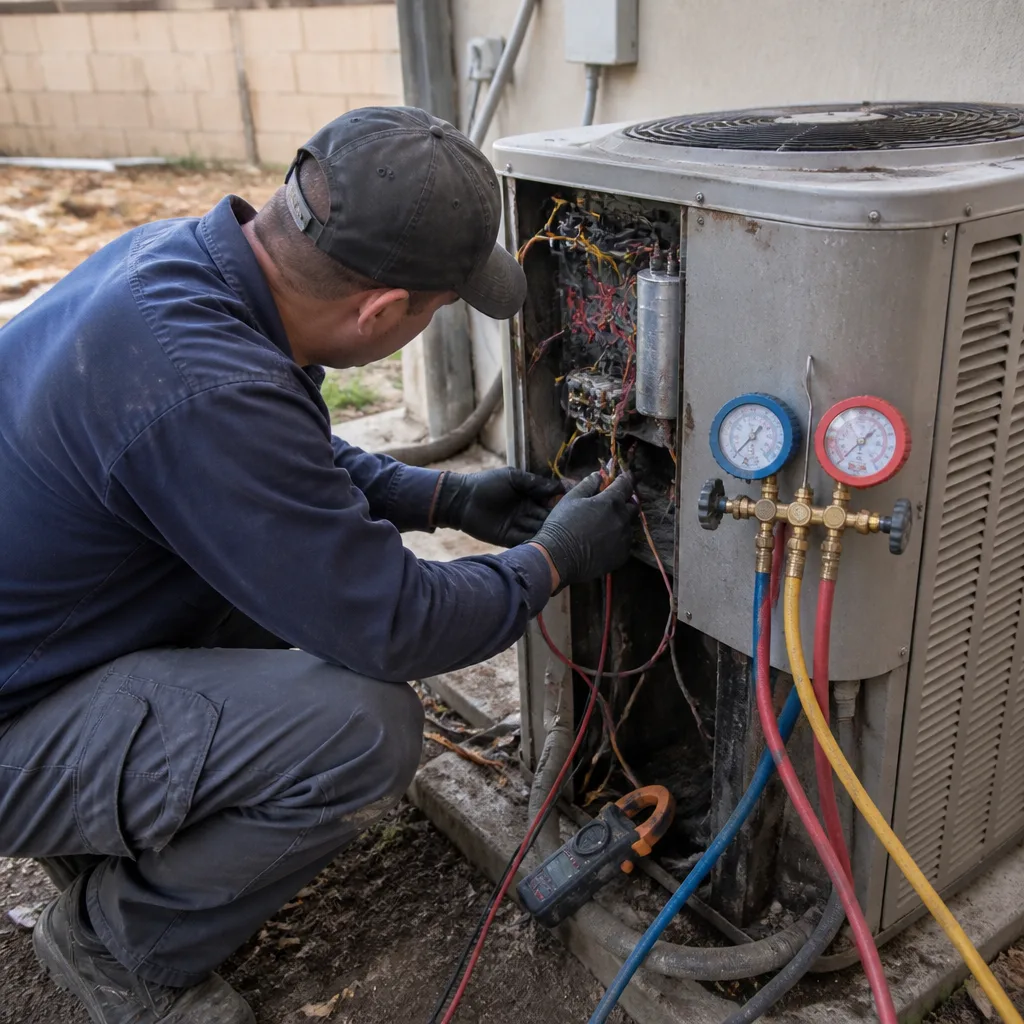
 After
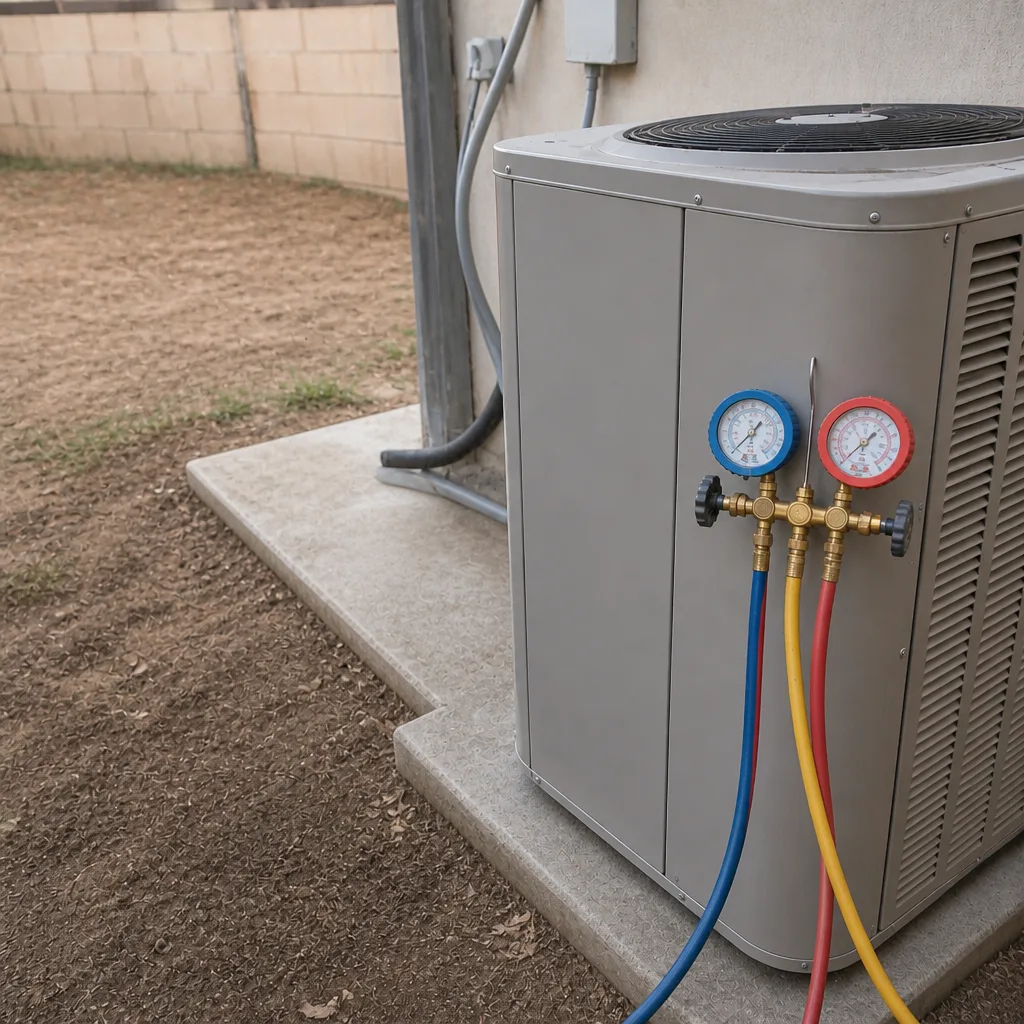
 Before
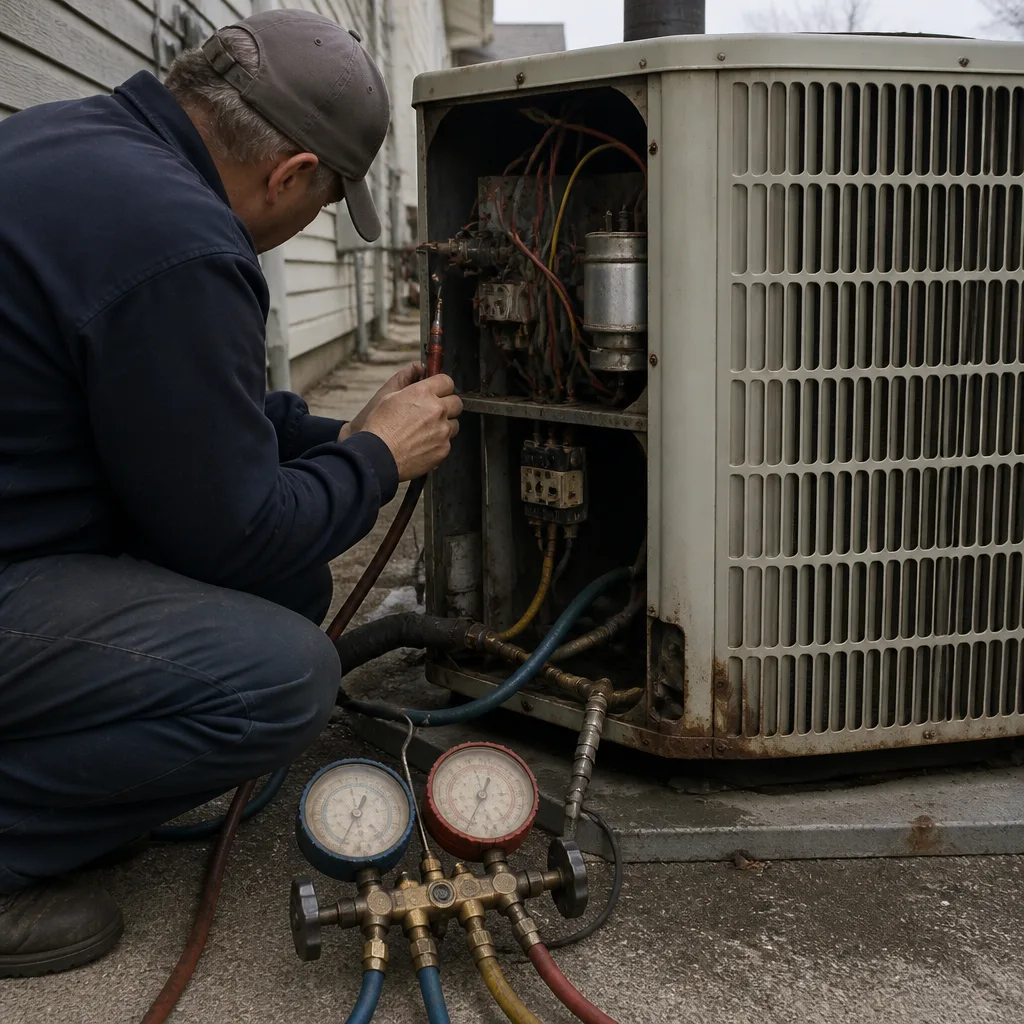
 After
 Before
 After
When to Call a Professional
Call a professional when the task touches refrigerant, gas, or electrical components beyond a low-voltage thermostat. Call when you smell burning, hear a new noise, see scorch marks on a disconnect, or find water where it shouldn’t be. Call when a unit has locked out more than once, when a fault code keeps returning, or when the equipment is running but the space isn’t holding temperature. Call when it’s a weekend, a holiday, or two in the morning and the business can’t wait – a live person should answer, not a voicemail maze. In Paradise, Ray’s Heating & Air offers free estimates on any repair or installation, and there’s a standing Free Second Opinion on any written estimate plus No Trip Charge inside the county. Call (855) 664-5714 and we’ll get eyes on it.
Frequently Asked Questions
No. Refrigerant handling on commercial systems requires EPA Section 608 certification, and there is no owner exemption under the Clean Air Act. Civil penalties for knowing release or improper handling can run into the tens of thousands of dollars per violation, and some violations are criminal. Call (855) 664-5714 for a certified tech.
Yes – filter replacement is one of the safest and highest-value DIY tasks on commercial HVAC, as long as the unit is accessible and you’re not opening a high-voltage panel to reach the filter rack. Track the date and size on a filter log. If filters are loading faster than the schedule suggests in Paradise’s dusty spring, that’s worth a maintenance call to check coil condition too.
Because the part isn’t the problem; the voltage is. A 480V three-phase commercial unit carries arc flash energy that can cause serious burns in a fraction of a second, far beyond what residential 240V work involves. The $30 part becomes a much larger problem if it’s rated wrong or installed without lockout. That’s a licensed-tech job.
Tell them everything, and don’t leave out the small stuff. Filters you changed, setpoints you adjusted, fault codes you cleared, components you swapped, and any noise you silenced with a zip tie. The tech diagnoses from a full picture; a surprise find costs time and money. Book at (855) 664-5714 and mention recent work on the call.
No. Zip-tying refrigerant lines transfers vibration into the copper, which work-hardens and cracks at the tie point, and the fix turns a small fan or mount repair into a refrigerant leak and a possible compressor failure. Find the vibration source instead – a trained tech can locate it quickly. Call (855) 664-5714 for an honest diagnosis.
Yes. Ray’s Heating & Air answers the phone with a live person 24/7, and the owner answers his own phone at two in the morning. Emergency and commercial HVAC work is the same call – readings first, numbers second, and a 90-Day Done Right Promise stamped on every job. Call (855) 664-5714.
The Bottom Line
The DIY line on commercial HVAC is filters, visual inspections, thermostat adjustments, and accessible drain flushes – and that’s it. Refrigerant requires EPA Section 608 certification, and commercial electrical work at 480V is a different risk category than anything on the residential side. Document what you do, say it out loud when you call, and never zip-tie a line to silence a rattle. The businesses that treat their equipment as a documented schedule instead of a fire drill tend to make it through the summer without a two-in-the-morning call. If you want a straight read on what’s safe on your specific equipment in Paradise, Ray’s Heating & Air provides free estimates and a free second opinion on any written estimate. Call (855) 664-5714.
Written by the team at Ray’s Heating & Air Paradise.