
Last updated November 18, 2026
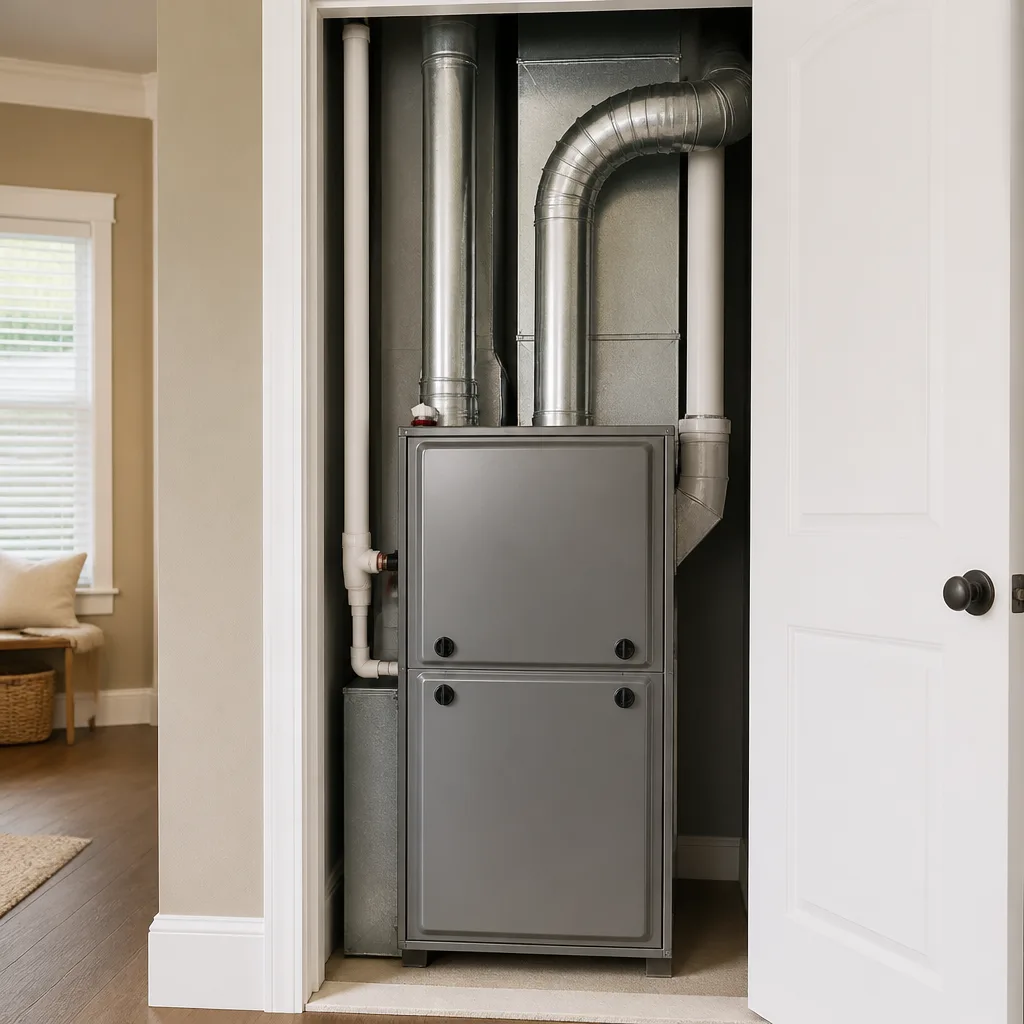 Furnace & heating
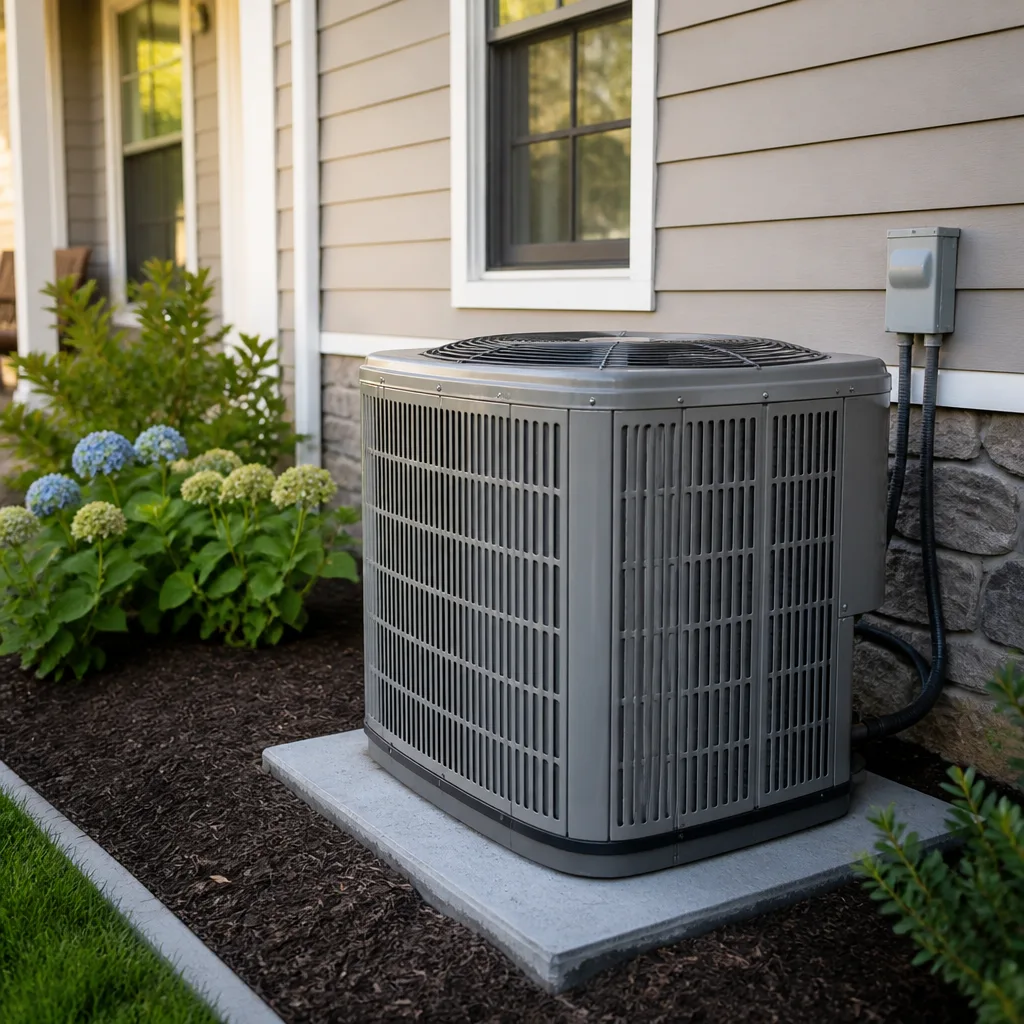 AC repair
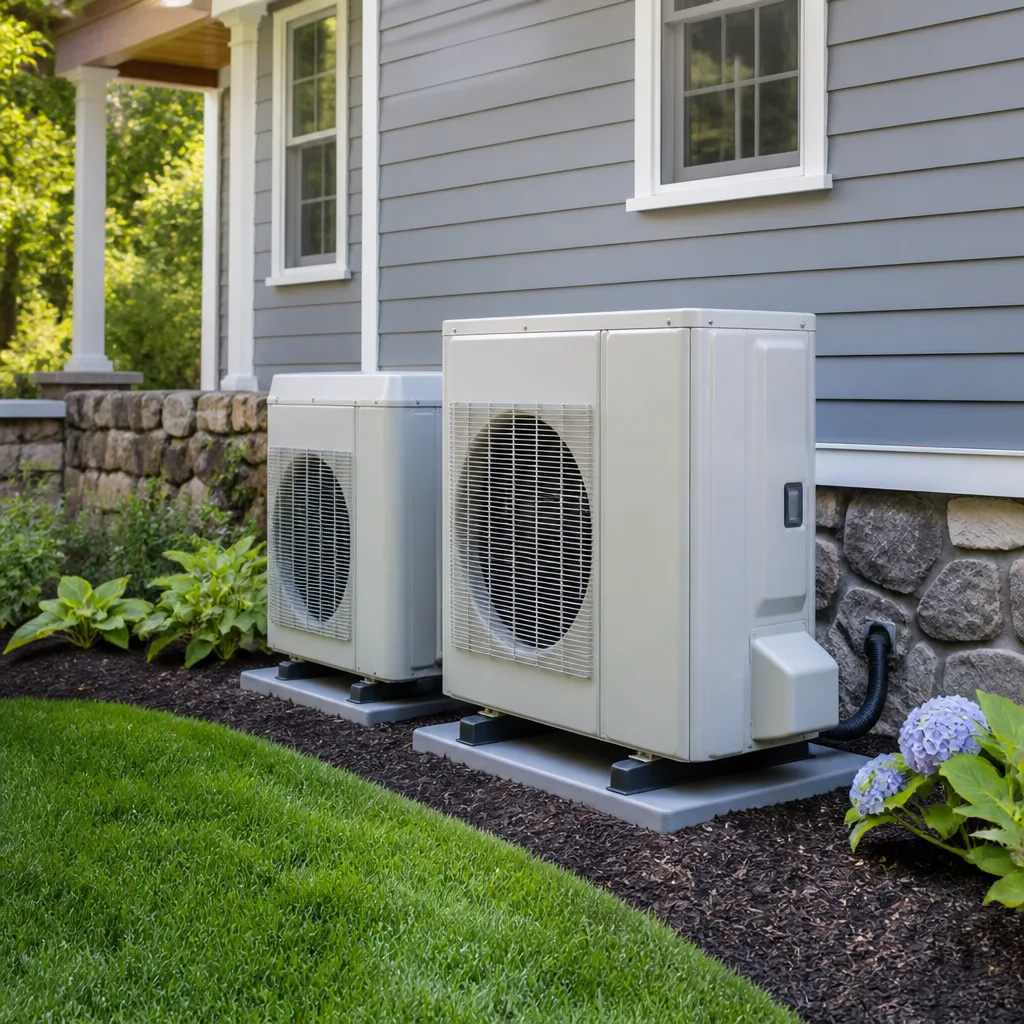 Heat pumps
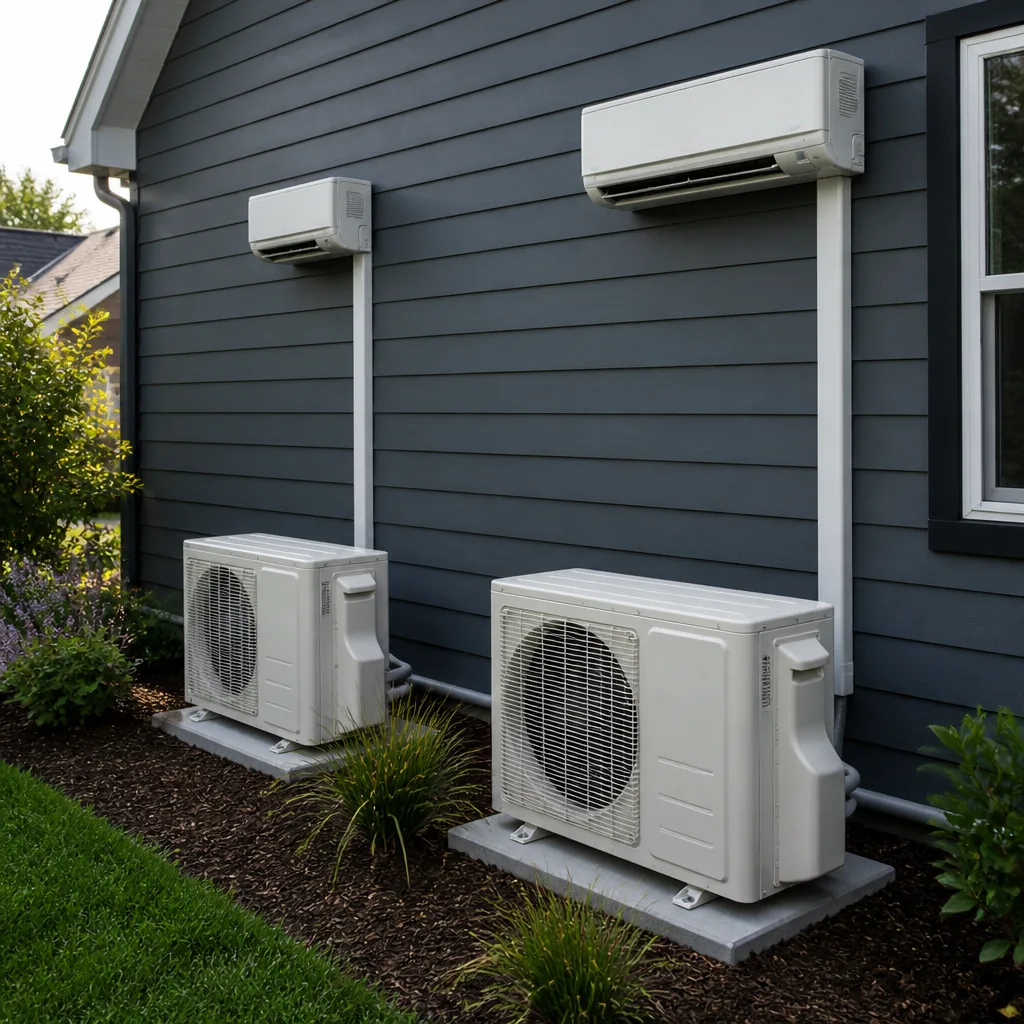 Ductless mini splits
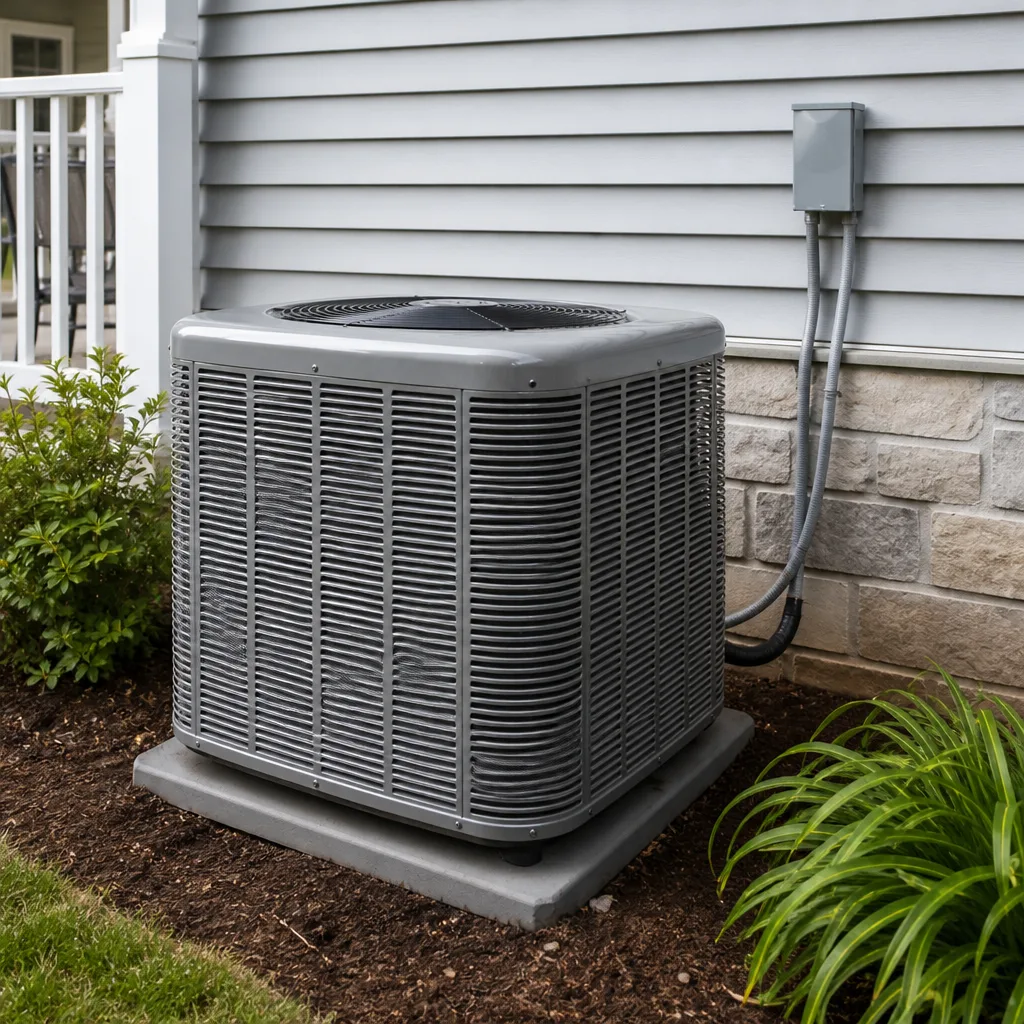 Carrier
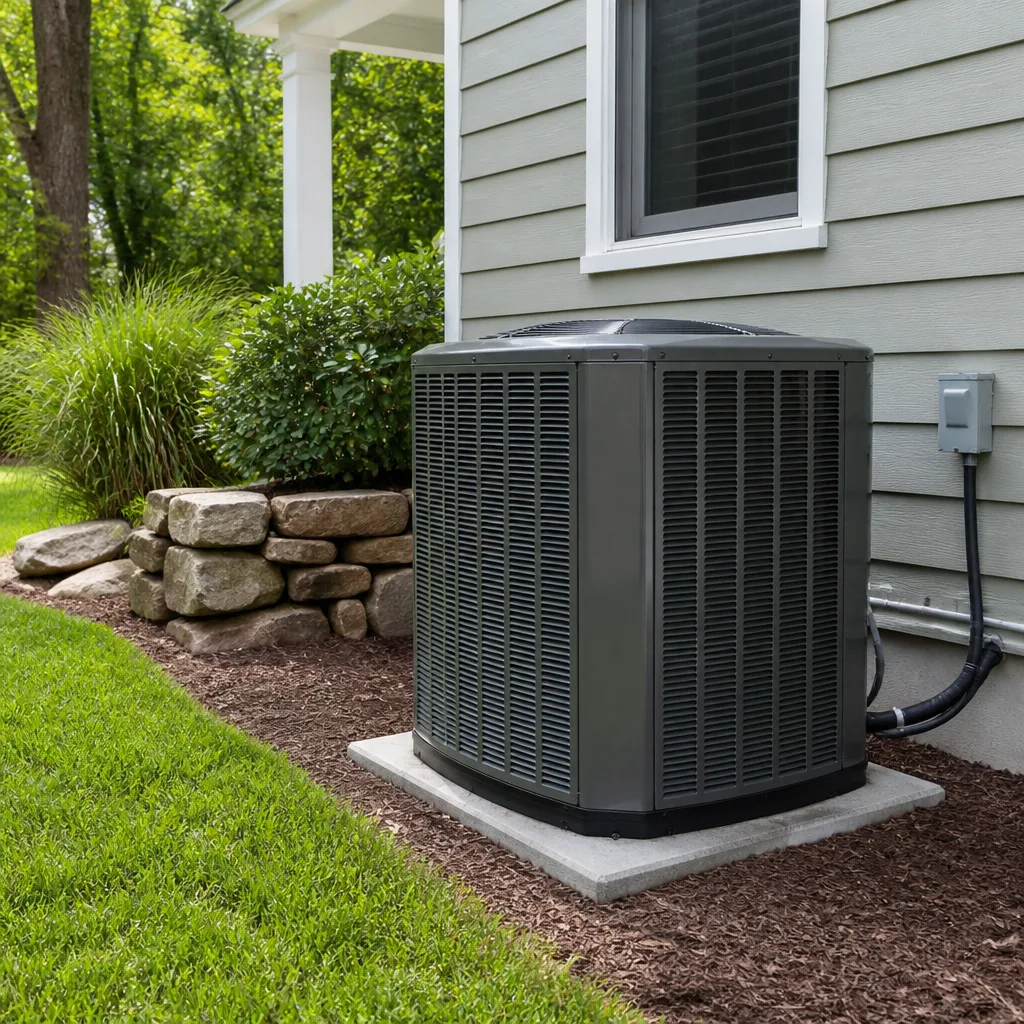 Trane
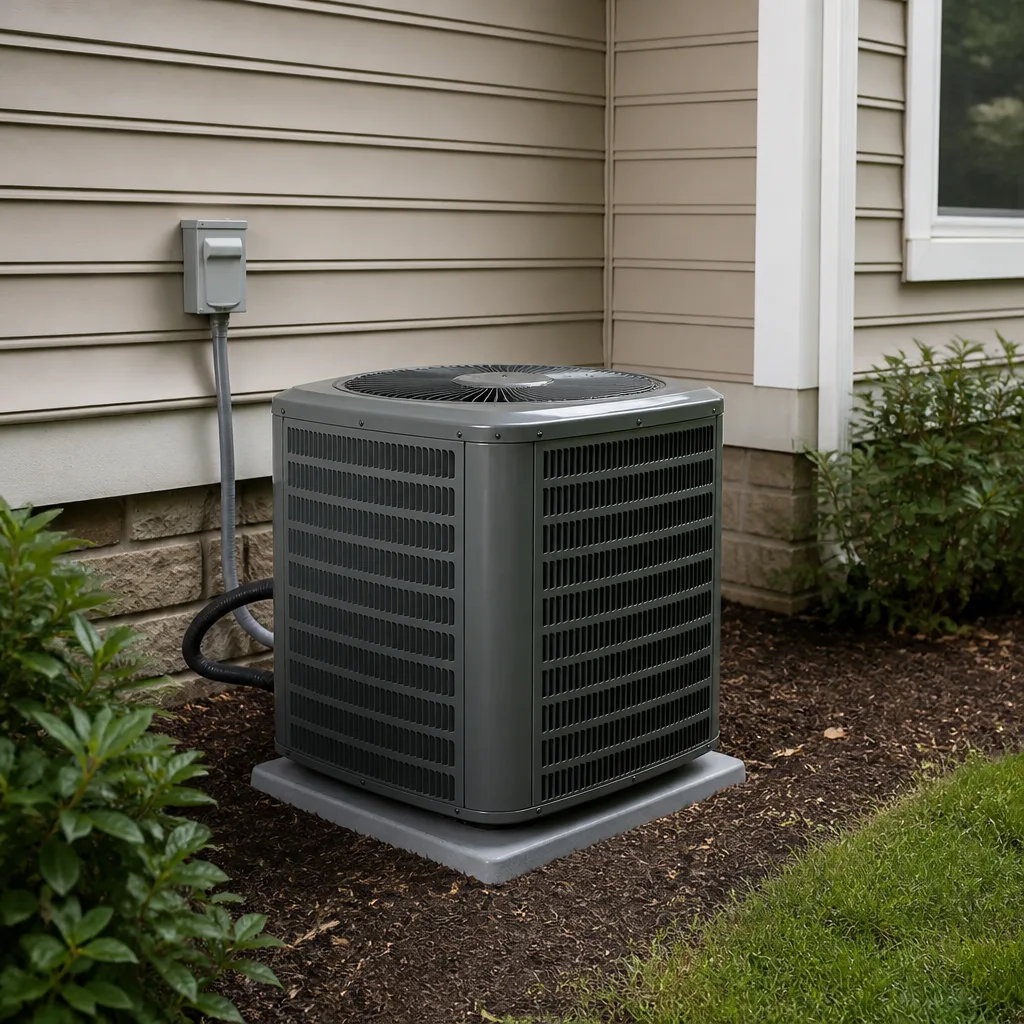 Goodman
Seasonal tune-up and full diagnostic on your Carrier, Trane, or Goodman system - readings shown to you before any repair is proposed
Diagnosis first, numbers second - you approve the repair price before a single part goes in.
Get your free estimateHeating & Furnace Warning Signs Every Homeowner Should Know
By the time your furnace is banging or your carbon monoxide detector trips, you’ve already missed the three cheaper warning signs that showed up six weeks earlier. That’s the part that stings. We’ve walked into houses in Paradise where the homeowner called about a noise, and the real problem had been sitting there since October, quiet and cheap to fix, while the noise was just the last domino falling. The flashing signs get all the attention in furnace guides. The quiet ones are the ones that cost you real money. This guide is about those quiet ones: what to look at, what to smell, what your bill is actually telling you, and what your cabinet is hiding. You’ll finish knowing what to check yourself, what to watch, and when to pick up the phone.
Quick Answer
The early warning signs of furnace trouble are usually not loud: uneven room temperatures in a single-story house, a faint smell that lingers after the burn-off phase, short-cycle episodes a couple times a week, a creeping utility bill trend, and rust or soot streaks visible at the furnace cabinet. Those five show up weeks before the late-stage alerts like banging, a yellow flame, or a tripped CO detector. Catch them early and most repairs are modest. Ignore them and you’re replacing a heat exchanger or a whole system.
Styles & brands we work with
- AC repair
- Furnace & heating
- Heat pumps
- Ductless mini splits
- Carrier
- Trane
- Goodman
Table of Contents
- Uneven room temperatures: what it means about your heat exchanger
- The three furnace smells and how to tell them apart
- Why short-cycling twice a week beats loud-and-steady as a red flag
- Reading your utility bill trend, not just the number
- The one visual check anyone can do at the cabinet
- Flame color, flame shape, and what they’re telling you
- Why Paradise-area furnaces age differently
- The fall checklist that catches most of these early
Uneven Room Temperatures: What It Means About Your Heat Exchanger
The bedroom runs five degrees colder than the living room. Everyone blames the ductwork. In our experience, in a single-story house, that cold bedroom is often a symptom of a heat exchanger that’s losing efficiency, not a duct that’s leaking. Here’s why: a restricted heat exchanger can’t transfer heat into the airstream the way it was designed to, so the far rooms on the longest run get starved first. You feel it in the bedroom before you feel it almost anywhere else.
That matters because so many Paradise homes sit on slabs with long, low runs, and the far room always complains first. Three things we check before blaming the ducts:
- The temperature split between the supply register and the return. If it’s narrower than it should be, the exchanger is a suspect.
- Whether the cold room gets better after a blower clean and filter change. If it doesn’t, the exchanger or the gas pressure is next.
- Whether the same room is cold in heating season and warm in cooling season. Duct leaks usually show up in both directions. A failing exchanger often doesn’t.
None of that means you should open the cabinet and start pulling parts out. Leave the exchanger to a trained technician. What you should do is stop assuming “cold bedroom” equals “duct problem,” because that assumption is how a small heat exchanger repair becomes a replacement. Our Heating & Furnace in Paradise page goes into how we diagnose this properly with readings before any numbers get thrown around.
The Three Furnace Smells and How to Tell Them Apart
Most guides lump smells together. They shouldn’t. The difference between the three common ones is the difference between “ignore it” and “get out of the house.” Here’s the plain-English version.
- Dust burn-off. That dusty, slightly metallic smell the first time you turn the heat on in October. It fades within 20 – 30 minutes and doesn’t come back until next season. Harmless. It’s just dust burning off the exchanger and burners after a summer of sitting.
- Overheating components. Smells like hot plastic or hot electrical, slightly sweet, and it doesn’t fade. It gets stronger the longer the furnace runs. That’s usually a blower motor or a control board getting too hot, and it’s urgent. Shut the system off at the thermostat and call.
- Gas. You know it. Rotten eggs, the mercaptan they add to natural gas. That’s not a service call, that’s a get-everyone-out-of-the-house, get-to-a-neighbor’s, call the gas company from outside call. Don’t flip switches on your way out and don’t wait to see if it fades.
One more: a faint exhaust or oily smell that shows up in the utility closet but not in the living space can point to a venting or combustion problem. That’s a CO risk, which is why we tell people to have a working CO detector on every level of a Paradise home where anything burns gas. If you ever smell something you can’t place, call the gas company first and us second. We would rather be the second call than the wrong one.
Why Short-Cycling Twice a Week Beats Loud-and-Steady as a Red Flag
A loud furnace that runs continuously is usually just a tired blower or a loose panel. Annoying, yes. Dangerous, rarely. A furnace that fires up, heats for ninety seconds, shuts down, and does it again twenty minutes later, twice a week, is the more serious problem. Short-cycling means the furnace is hitting a limit switch or a flame sensor is dropping out, and each cycle puts wear on the igniter, the gas valve, and the exchanger.
We’ve seen Paradise-area systems go two seasons short-cycling a couple times a week where the homeowner never called because “it only does it sometimes.” By the time it became “all the time,” the igniter was shot, the flame sensor was dirty, and one of the cycles had stressed the exchanger enough to matter. What to watch for:
- Furnace runs less than 3 minutes then shuts off, then comes back within 20 minutes.
- Happens more on cold mornings in the high desert when demand is highest.
- You hear the igniter click-click-click more than once per call for heat.
- T-stat says “heat on” but the rooms aren’t keeping up.
Write down when you notice it and how often. That log is worth more to the person who shows up at your door than any description you can give over the phone. And a short-cycling call is almost never the expensive one. It becomes expensive when it’s ignored for a couple of seasons.
Reading Your Utility Bill Trend, Not Just the Number
Your monthly bill number tells you almost nothing by itself. A cold January bill is supposed to be high. The trend tells the story. What you’re looking for is the same month across two or three years. If your February was $180 two years ago, $195 last year, and $245 this February, that’s a climb of more than 25% while your habits and your house haven’t changed. That’s a furnace that’s lost efficiency, and it’s worth a look.
Here’s how to read it:
- Pull the same month’s bill for the last three years from your utility portal.
- Compare therms, not dollars, so rate changes don’t muddy the picture.
- If therms are up 15% or more with the same rough winter weather, you have a signal.
- Look at whether the increase started in heating months or cooling months. Heating months point to the furnace, cooling to the AC.
In Paradise specifically, our winters can swing hard, and rate schedules here don’t always track the national averages. So the same-month comparison is the honest one. If you want, bring your last three bills to the visit. We’ll look at them next to the readings. That’s how we approach it, and how the team at Ray’s Heating & Air Paradise has been doing it for locals for years.
The One Visual Check Anyone Can Do at the Cabinet
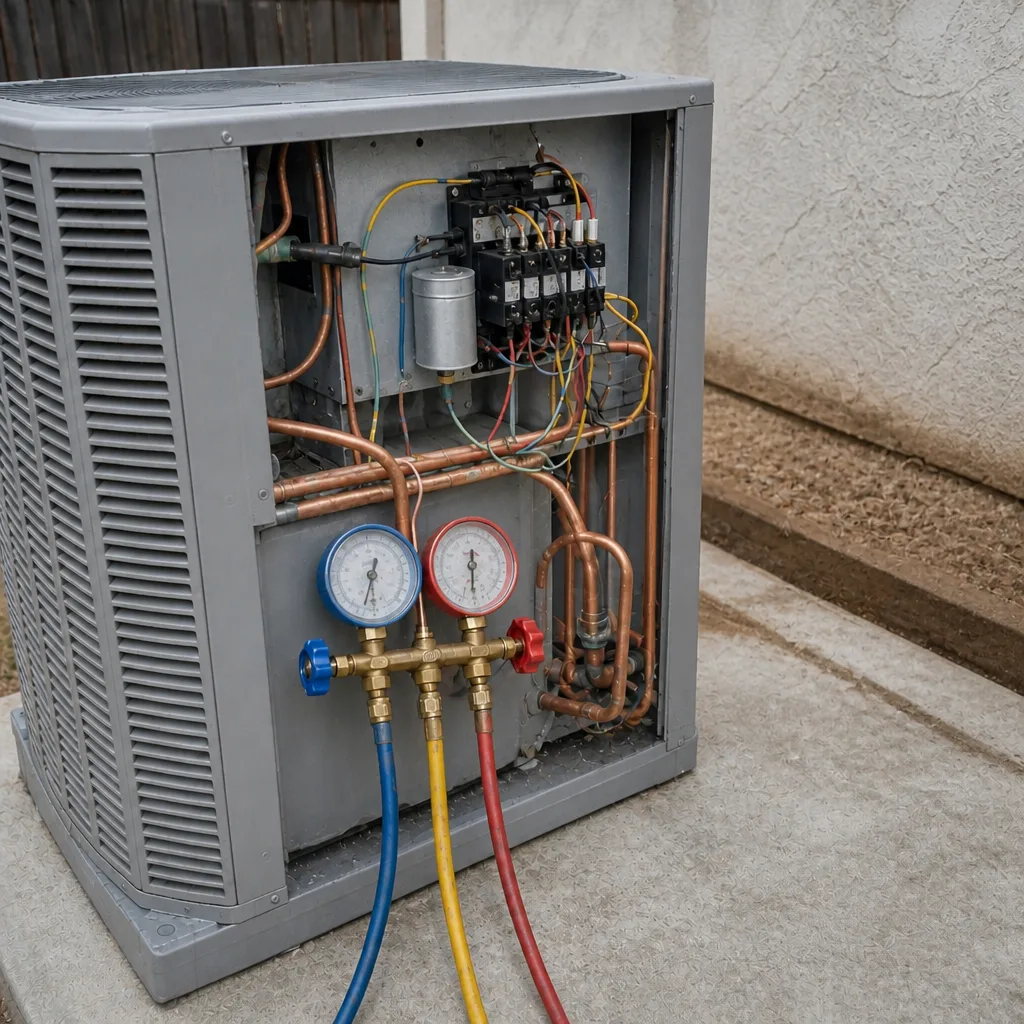
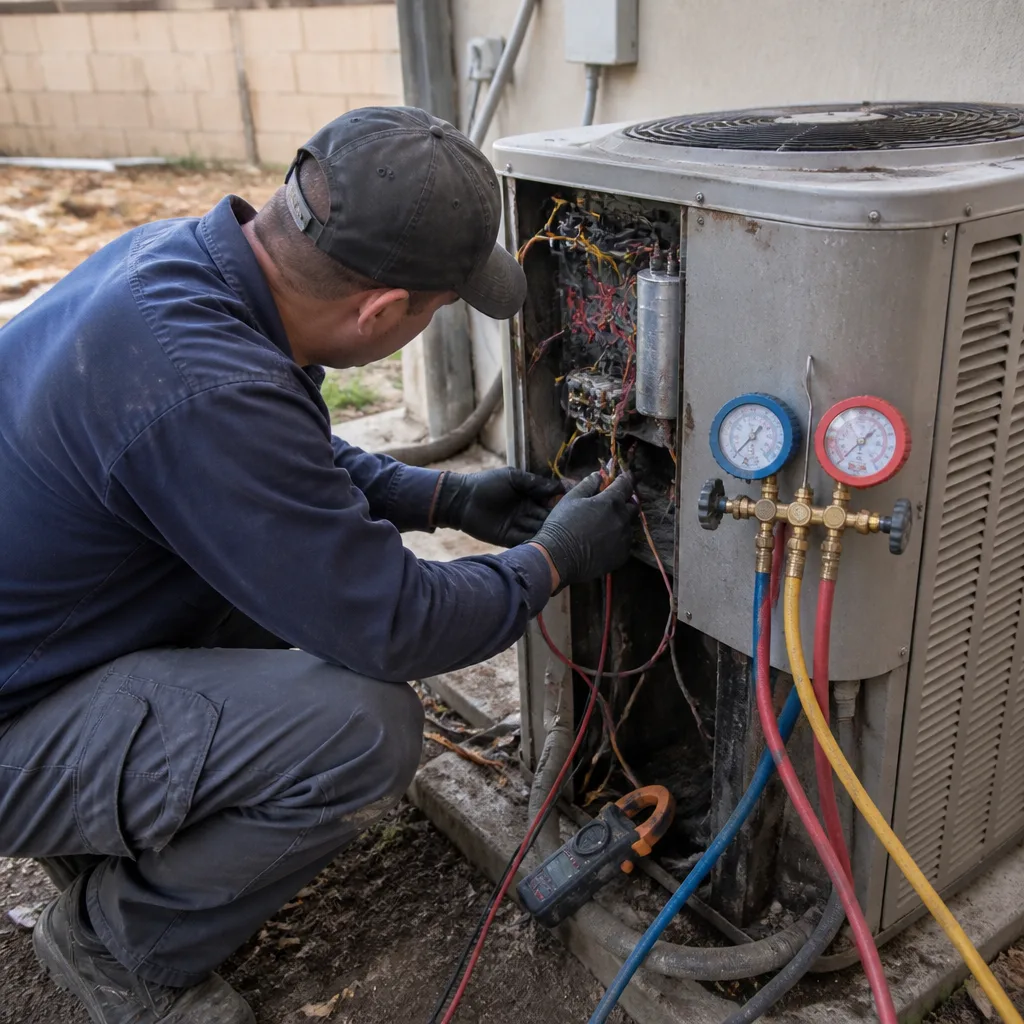
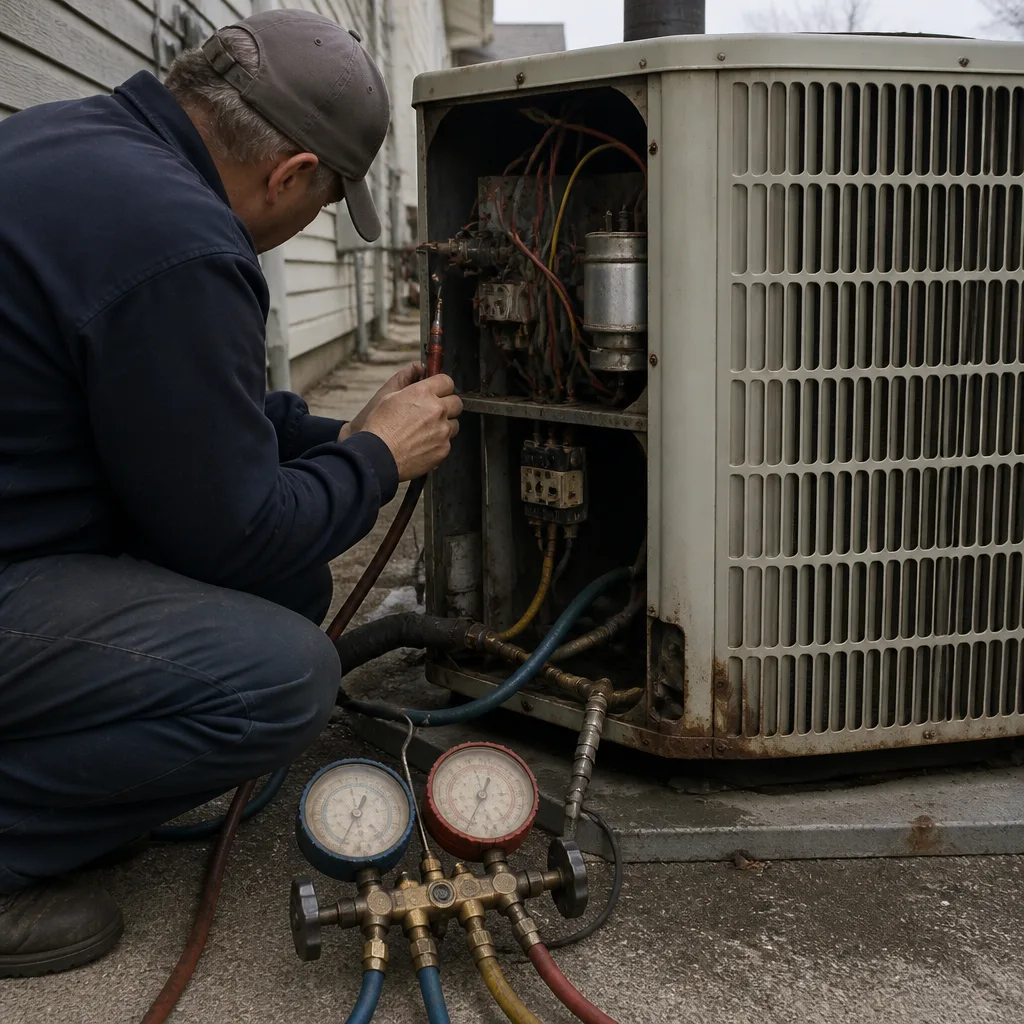
You don’t need tools, and you don’t need training, for this one. Walk to your furnace cabinet, pop the louvered front door off (it usually lifts right off), and look inside with a flashlight. Don’t touch anything and don’t disconnect anything. Just look.
You’re looking for four things:
- Soot. Black smudge or black dust near the burners or on the exchanger. Combustion is off. That’s a call-us-today, not a wait-until-spring.
- Rust or white mineral staining. Rust-colored streaks or chalky white deposits on the exchanger or the flue. Both point to condensation in the wrong place, often a venting problem.
- Water in the bottom of the cabinet or around the base. Unless you own a high-efficiency model with a dedicated condensate line, water inside the cabinet is a sign of trouble.
- Discolored or cracked wiring and burnt connectors. Any browning near the electrical connections or the control board is a warning-you’ll-smell-next.
In our experience, that visual walk catches about 30% of the common problems early: soot and rust alone tell most of the story. Photograph what you see and send it to us if you’re not sure. It beats trying to describe it. Safety note: don’t go poking at the burners, the exchanger, or any of the wiring behind the cabinet. Gas and voltage live in there, and a warranty-voiding move is the kinder outcome compared to the alternative.
Flame Color, Flame Shape, and What They’re Telling You
If your cabinet has a sight glass or you can see the burner flames from a safe distance through the cabinet, watch the color for thirty seconds. A healthy flame is steady blue with maybe a little orange flicker at the tips from dust. Here’s the cheat sheet:
- Steady blue: burning clean. Good.
- Blue with a yellow-tipped flicker: usually fine, often just dust getting pulled in.
- Solid yellow or orange flame: incomplete combustion. CO risk. Shut it down and call.
- Lifting or dancing flames: gas pressure or venting issue. Also a call.
- Rolling flame or flame that leaves the burner area: shut off at the thermostat and get out. That’s the one you don’t film for social media.
Flame color is one of those checks that a homeowner can watch but should never try to correct themselves. Adjusting the gas valve or the air shutter is a licensed task for good reason. If you want it read properly, our team carries combustion analyzers and will show you the readings. Read more about how we handle this on the AC Repair & Installation in Paradise side too, because the same diagnostic rigor applies whether you’re heating or cooling.
Why Paradise-Area Furnaces Age Differently
High-desert winters here aren’t the deep-freeze people picture. But the swing is what stresses a furnace: mild afternoons and cold nights, dozens of times through winter, on the same equipment. When the temperature drops fast, the furnace goes from resting to full fire with almost no ramp, and that puts more stress on the igniter, the flame sensor, and the exchanger than a furnace in a place where it’s cold and steady for months. We’ve seen it in Paradise again and again: the furnace never gets a gentle workout, only sprints.
Then there’s the dust. Paradise sits in the high desert and our shoulder seasons throw fine dust and pollen through every return grille. That dirt is what kills blower motors and clogs flame sensors faster than any branded part. Filters here should be checked every month in heating season, not every three months like the box says. If you’re already seeing short-cycling, a dirty filter is the first thing to rule out, and honestly, it’s not a repair, it’s a five-minute fix that prevents one.
What we don’t see much of around here is the winter-park-the-furnace situation. Homes in Paradise are running heat from November through March, and most have a real furnace, not a heat strip. That means heat exchanger integrity and combustion safety are the two things worth checking every year, no exceptions. If you’re comparing options, our Heat Pump & Mini Split in Paradise page covers whether a heat pump is a better fit than a gas furnace for a given house.
The Fall Checklist That Catches Most of These Early
Every one of the warning signs in this guide is cheaper to deal with in September than in January. Here’s the sequence we’d run before the first real cold snap in Paradise:
- Change the filter and note the date on the edge with a Sharpie.
- Turn the heat on for 30 minutes on a mild day. Note the smell and how long it takes to clear.
- Walk the rooms with a thermometer. Note any room five degrees off.
- Do the cabinet visual: soot, rust, water, browning.
- Watch the flame for thirty seconds from a safe distance if you can see it.
- Check the CO detector test button and replace the battery.
- Compare this fall’s first heating bill to last year’s.
- Get a real combustion test done before the rush. September slots are easy. January slots are not.
Number eight is the one most homeowners skip, and it’s the one that turns five warning signs into zero. There’s no reason to wait for a breakdown. The 90-Day Done Right Promise on our side means one call brings us back if something isn’t right, and we stand behind the work in writing. That’s a promise worth nothing if you’ve already waited until January.
Common Mistakes to Avoid
- Blaming the ducts first. In a Paradise single-story home, a cold bedroom is at least as likely to be the exchanger or the gas pressure as it is the ducts. Get a real temperature-split reading before you pay for duct work.
- Confusing dust burn-off with something dangerous. First weekend of heat each year, the smell is normal for thirty minutes. If it lingers past that, it’s not normal anymore, and the calendar says so.
- Ignoring short-cycling because “it only does it sometimes.” That “sometimes” is the whole red flag. Write it down when it happens. Don’t wait for “always.”
- Trusting a single bill instead of a same-month trend. A $245 February looks scary until you see last year’s $195 was a mild month. Pull three Februaries worth of therms before you panic.
- Poking around the cabinet with a screwdriver. Watching the flame is fine; adjusting the gas valve is not. Gas and voltage don’t care about good intentions.
- Skipping the CO detector check. It’s the one warning sign there’s no visual substitute for. Test monthly in heating season, replace the unit as the manufacturer tells you to, and put one on every level.
- Assuming a national call center knows your system. When you’re calling around Paradise, ask if the same person who comes this week will come next time. If the answer is “whoever’s on the schedule,” your warning signs start over every visit.
See the difference
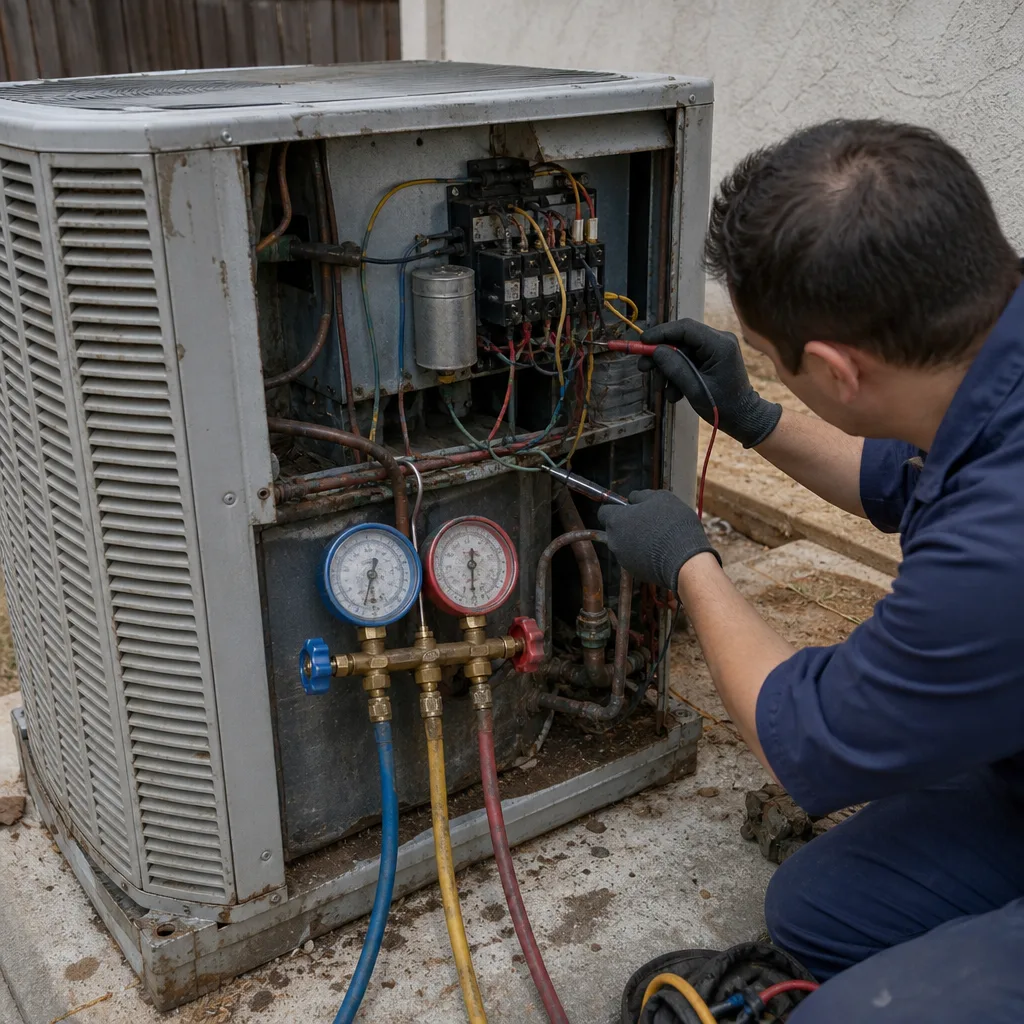 Before
 After
 Before
 After
 Before
 After
When to Call a Professional
Call today if you smell gas, see soot or a solid yellow flame, or your CO detector goes off. Shut the system down first, get people out, and call the gas company before anyone else. Call this week if you have short-cycling, a lingering plastic or hot-electrical smell, water in the cabinet, or browning around the wiring. Call before winter if you have a cold room you’ve been blaming on the ducts, a bill trend that’s climbing, or you simply can’t remember the last time the exchanger got a proper combustion test. No heat on a cold night is a call; a strange smell is a call; anything you’re unsure about is a call. Ray’s Heating & Air Paradise offers free estimates in Paradise and answers the phone around the clock – call (855) 664-5714.
Frequently Asked Questions
The earliest signs are quiet: uneven room temperatures in a single-story home, a faint smell that lingers after burn-off, occasional short-cycling, a climbing same-month utility bill trend, and soot or rust streaks visible inside the cabinet. These typically show up weeks before the banging, yellow flame, or tripped CO detector. Call (855) 664-5714 if any of them are showing – estimates are free.
Yes. A solid yellow or orange flame means incomplete combustion, which produces carbon monoxide. Shut the system off at the thermostat, get everyone out of the house, and call for service. A steady blue flame with a little orange flicker at the tips is normal – a solid yellow flame is not, and it’s the sign we treat most seriously.
Yes, a minor dusty smell the first 20 – 30 minutes each fall is normal – it’s dust burning off the exchanger and burners after a summer of sitting idle. If the smell persists past that, or future-start smells hot-plastic or sweet, or you ever smell gas, shut it down and call. Call (855) 664-5714 for a checkup if you’re not sure what you’re smelling.
Usually, yes. Loud-and-steady often traces to a blower or a loose panel – annoying but not dangerous. Short-cycling a couple times a week stresses the igniter, gas valve, and exchanger every time it fires, and that’s the version that hurts your system over a season or two. If you’re seeing short-cycles, log them and get them checked.
Once a year, in the fall, before the first real cold snap. High-desert dust here clogs flame sensors and blower motors faster than most places, and our sharp day-night swings put extra wear on the igniter. Annual combustion testing on a gas furnace is a safety check as much as an efficiency one. Call (855) 664-5714 to schedule a fall visit.
It depends on the system’s age, the exchanger’s condition, and the cost of the specific repair. A heat exchanger failure or a compressor-class problem usually flips the math toward replacement; an igniter, flame sensor, or blower motor is usually a straightforward repair. Get a written diagnosis with the readings before you decide. Ray’s Heating & Air Paradise gives a Free Second Opinion on any written estimate – call (855) 664-5714 for an honest repair-or-replace read.
The Bottom Line
The signs that save you money are the quiet ones, and they show up months before the loud ones. Uneven rooms, a persistent smell after the burn-off window, occasional short-cycles, a climbing same-month bill, and a five-minute look inside the cabinet will tell you more about your furnace’s health than any sticker or service contract ever will. Watch them in Paradise before the cold snaps hit, not after. And when something feels off, trust it and call. Ray’s Heating & Air Paradise is locally owned, answers the phone live around the clock, and offers free estimates. Call (855) 664-5714 for yours today.
Written by the team at Ray’s Heating & Air Paradise.