
Last updated November 18, 2026
 AC repair
 Furnace & heating
 Heat pumps
 Ductless mini splits
 Carrier
 Trane
 Goodman
Seasonal tune-up and full diagnostic on your Carrier, Trane, or Goodman system - readings shown to you before any repair is proposed
Diagnosis first, numbers second - you approve the repair price before a single part goes in.
Get your free estimateHow Long Does Air Quality & Ventilation Take? Timelines and What to Expect
Most folks around Paradise call expecting an air quality fix to be a one-afternoon job. Often it isn’t, and the reason surprises them: how long the work takes depends almost entirely on which part of the system is actually the problem. Cleaning ducts, rebalancing ventilation, and hunting down an indoor air quality source are three completely different jobs running on three different clocks. Guess wrong and you waste money and time on the wrong one. This guide breaks down real time frames by task, explains why a suspicious “tune-up” in under an hour usually means something got skipped, and covers the 48-to-72-hour dust window after duct work that nobody warns you about. If you’re in Paradise and wondering what you’re actually signing up for, this is the straight version.
Quick Answer
A straightforward filter and grille service takes about 30 minutes. A duct inspection with a camera runs 1 to 2 hours. A full duct cleaning usually takes 3 to 6 hours depending on square footage, and servicing an ERV (energy recovery ventilator) runs about 45 minutes on its own. The full visit stretches out when the person at your door has to diagnose a balance or indoor-air-quality problem first, because finding the source takes longer than fixing it.
Styles & brands we work with
- AC repair
- Furnace & heating
- Heat pumps
- Ductless mini splits
- Carrier
- Trane
- Goodman
Table of Contents
- Why “Air Quality Work” Is Really Three Different Jobs
- Time Breakdown by Task: What Each Piece Actually Costs You in Hours
- Why a Sub-Hour Air Quality “Tune-Up” Should Make You Suspicious
- The 48-to-72-Hour Dust Window After Duct Work
- Paradise Attics and Why the Heat Adds Diagnostic Time
- June and July Scheduling Lag: The Worst Time to Find a Problem
- What a Realistic Visit Looks Like, Step by Step
- Common Mistakes to Avoid
Why “Air Quality Work” Is Really Three Different Jobs
When someone calls us about dusty air or a stale smell, the first thing we do is figure out which of three buckets the job falls into. Each one runs on its own clock, and mixing them up is how homeowners end up paying for the wrong service.
Cleaning is the removal of accumulated dust, debris, and biological growth from the duct system, registers, and grilles. It’s mechanical work and it takes however long the system’s square footage and layout dictate. Ventilation balance is about airflow: making sure fresh air is coming in where it should, exhaust is going out where it should, and rooms aren’t pressurized or starved. That’s measurement work, and it takes longer to diagnose than to correct. IAQ source chasing is the detective job, finding where a specific problem (mold smell, chemical odor, excess humidity, particulate spike) is actually coming from. That one has no fixed clock at all until the source is found.
Here in Paradise, the mix matters. Homes with original construction from before the fire rebuild often have duct layouts that don’t match current ventilation standards, and homes rebuilt in the last few years frequently have tighter envelopes that change how a system breathes. The job type isn’t always obvious from a phone call. It’s obvious once somebody puts eyes on the system.
This is also why a furnace or AC visit can turn into an air quality conversation. If you’ve had us out for AC repair and installation in Paradise and mentioned stale air in the same breath, we’ll usually fold a quick ventilation check into the same trip. It costs less to look while the system is already open.
Time Breakdown by Task: What Each Piece Actually Costs You in Hours
Here’s the honest range for the individual tasks. These are working-time estimates for Paradise-area homes, not padded quotes. Actual numbers depend on access, how many runs the system has, and how much buildup we find.
- Filter and grille service: 30 minutes. Swapping filters and cleaning accessible return and supply grilles. Straightforward.
- Duct inspection with camera: 1 to 2 hours. A camera goes into the trunk and main runs. On a Paradise home with an attic layout, add time for getting into position and for navigating runs that weren’t laid out for easy access.
- Full duct cleaning: 3 to 6 hours, depending on square footage and number of runs. A 1,400-square-foot single-story home usually lands toward the low end. Larger homes, two-story layouts, or systems with significant debris loads push toward the high end.
- ERV servicing: 45 minutes. Filters, core check, blower and damper check. If the core needs replacement, that’s a separate scheduling step.
- Ventilation balance check: 1 to 2 hours. Measuring airflow at registers, checking exhaust fans, and comparing to design intent.
- IAQ source diagnosis: 1 to 3 hours, sometimes across two visits if the source isn’t caught on the first pass.
A few things stretch these numbers in our experience. Attic access in Paradise is often tighter than in newer valley builds, and the summer heat makes attic time slower for safety. Homes with multiple systems or zones add time because each one gets its own look. When someone tells you a full duct cleaning takes 90 minutes on a 2,500-square-foot house, ask what they’re actually cleaning.
We run the same discipline on air quality work that we run on heating and cooling: readings first, numbers second. You see what we measured before you see a price. That’s true on a furnace call too, which is why the heating and furnace work in Paradise we do often starts with the same baseline airflow check that catches ventilation problems early.
Why a Sub-Hour Air Quality “Tune-Up” Should Make You Suspicious
An air quality tune-up finished in under an hour is a red flag, not a bargain. Real work on a duct or ventilation system takes longer than that just to reach the components, let alone check them. If someone is in and out in 30 or 40 minutes, here’s what almost certainly got skipped:
- No camera inspection. Nobody looked inside the ducts. Dust load, moisture, and disconnected runs stay hidden.
- No static pressure reading. Without it, nobody knows if the system is breathing correctly. This is the single most important number for ventilation.
- No return-air check. Returns are where most buildup and filter bypass happen. Skipping them means the biggest dust source stays put.
- No ERV or fresh-air assessment. On homes with mechanical ventilation, ignoring it means you paid for a service that didn’t touch half the system.
- No written findings. A real tune-up produces a report. If you didn’t get one, the work didn’t happen.
We’ve been called to Paradise homes where a previous outfit spent 25 minutes and called it a duct service. In more than one case the “cleaned” ducts were still carrying visible debris the next month. The homeowner paid twice, once for the nothing-job and once for the real one.
This is where the company you’re calling matters more than the price. The person at your door should be able to tell you what was measured, what the readings were, and what they recommend in plain English. If they can’t, they didn’t do the work. We back every heating and cooling job with a 90-Day Done Right Promise in writing, and the same standard applies to air quality work: if it’s not done right, one call brings Ray back. That promise only means something when the work was actually done the first time.
The 48-to-72-Hour Dust Window After Duct Work
If you notice more dust in the air for two to three days after duct work, don’t panic. It’s normal, and we explain it upfront so nobody’s surprised. During cleaning, the agitation loosens dust that’s been settled in the system for years. Some of it goes out with the extraction. Some of it gets disturbed just enough to lift into the airstream and settle out into rooms over the next few days.
What to expect in that window:
- Higher visible dust on surfaces in the first 24 to 48 hours, tapering off after that.
- Slight HVAC filter loading as the system carries the loosened particles back to the filter. Change or check the filter around day 3.
- Mild odor for the first day or two, especially on systems with heavy debris removal. It fades.
- System settling into new airflow if the cleaning unblocked any restriction. You may notice rooms that were stuffy before now feeling closer to balanced.
What’s not normal: sustained heavy dust past 72 hours, new odors that get worse, or visible debris blowing out of registers. Any of those means something needs another look. We’d rather you call.
If your air quality work coincides with a heating or cooling job, the same dust window applies. Our heat pump and mini split services in Paradise sometimes include ventilation adjustments, and the settling period looks identical.
Paradise Attics and Why the Heat Adds Diagnostic Time
Attic temperatures in Paradise routinely hit 130°F or hotter in July. That’s not a comfort issue for the technician; it’s a safety and time issue. Attic duct runs that would take 20 minutes to walk and inspect in January take 30 or more in summer, and the work gets broken into shorter stretches with cool-downs in between.
Why this matters for your quote and your schedule:
- Attic access adds time. A camera inspection that runs 1 to 2 hours in a crawlspace home can push to 2.5 in a Paradise attic during summer.
- Duct sealing and repair move to early morning. The diagnostic is still scheduled any time, but the actual work on attic runs is often scheduled for first thing in the morning in June through September.
- Duct materials age differently up there. Standard flex duct in a 130°F attic degrades faster than in milder climates. In our experience, Paradise attic duct failures show up years earlier than the manufacturer’s rated lifespan suggests. That means a camera inspection on a Paradise home is often more valuable than on a comparable home in a milder part of the valley.
If your home was rebuilt after the fire and has fresh duct work, attic time is usually shorter because the layout was designed for access. Older homes and remodels are where the time stretches, and it’s the honest reason a Paradise quote sometimes runs higher than a valley quote on paper. Same work, harder access, hotter attic.
If your attic is one we’ve already been in for cooling work, we know the layout. That saves 20 to 30 minutes on a return visit. It’s one reason continuity matters more than most homeowners realize.
June and July Scheduling Lag: The Worst Time to Find a Problem
June and July are the worst months to discover an air quality problem in Paradise. Every HVAC outfit in the valley is slammed, and the same crews that handle air quality work are also running emergency AC calls. Fitting a 4-hour duct cleaning into a schedule that’s already overbooked means either a long lag or a rushed job. Neither is what you want.
What the actual scheduling lag looks like in our experience:
- Late spring (March through May): usually 2 to 5 days out for air quality work. This is the sweet spot. Attics are cool enough to work in all day, and crews have room in the schedule.
- Early summer (June): 5 to 10 days out. AC repairs start jumping ahead of air quality work, which is a scheduling reality, not a pricing trick.
- Peak summer (July through August): 7 to 14 days for non-emergency air quality visits. Emergency AC calls take priority. If your air quality issue is also a comfort issue, expect it to get triaged accordingly.
- Fall (September through November): back to 3 to 7 days. Another good window for air quality work, since the system is transitioning between cooling and heating loads.
If you already know your ducts are overdue, the single best thing you can do is book in spring. The work takes the same number of hours, but the whole job happens faster, cheaper, and with less scrambling. If you’re heading into summer and want to catch problems before the rush, our Ray’s Heating & Air Paradise home page has the direct line, and someone answers the phone around the clock, every day.
What we won’t do is pretend a July duct cleaning will happen next-day and then show up with a rotating crew that’s never set foot in your attic. If the schedule is tight, we say so, and we give you a realistic date.
What a Realistic Visit Looks Like, Step by Step
Here’s the general flow of an air quality visit at a Paradise home when the job is going to take most of a day. The order matters because the diagnosis drives what actually gets worked on.
- Arrival and system walk-through. 15 to 20 minutes. Equipment staging, filter check, register and grille count, confirm what you’ve noticed in the home.
- Baseline readings. 20 to 30 minutes. Static pressure, airflow at a sample of registers, and a check of the return-air side. These numbers decide what comes next.
- Camera inspection of the duct system. 1 to 2 hours. Trunk line, main runs, plenums. This is where we find out whether full cleaning is warranted or whether a targeted fix is enough.
- Cleaning or targeted repair. 2 to 4 hours. Depends on what the camera found. Full cleaning is the long version; sealing a disconnected run or replacing a crushed section is the shorter one.
- ERV and ventilation check if present. 30 to 45 minutes. Filters, core, dampers.
- Before-and-after verification. 20 to 30 minutes. Same readings as step 2. You see what changed.
- Written findings and recommendations. 15 minutes. Every visit ends with a written report of what was measured, what was done, and what to watch for. Readings first, numbers second, so the price you see is grounded in the readings you watched get taken.
That adds up to somewhere between 4 and 8 hours on the job for a full visit. If it sounds long, it’s because air quality work is detail work. The alternative is a rushed version that skips the verification step, and we’ve seen the results of that in too many Paradise attics.
Common Mistakes to Avoid
- Booking air quality work in peak summer without a plan. Calling in July for a duct cleaning and expecting next-day service sets up disappointment for you and a rushed job for whoever shows up. Book in spring or fall if you can.
- Accepting a sub-hour “inspection” as proof the ducts are clean. It isn’t. Ask for the camera footage or a written report. If neither exists, the work didn’t happen.
- Skipping the ERV check because “it’s not a filter.” In Paradise homes with rebuilt mechanical ventilation, an ignored ERV core is often the hidden source of stale air. It’s a 45-minute service that quietly solves a lot of complaints.
- Judging the job by dust in the first 24 hours. The 48-to-72-hour settling window is normal. Panic-calling on day two usually results in an unnecessary second visit.
- Assuming a valley quote applies to a Paradise attic. Attic access, heat exposure, and duct age in Paradise change what the same job actually involves. A quote from someone who hasn’t been in a Paradise attic is a guess.
- Working with a company that can’t tell you who’s showing up. Continuity matters on air quality work. The person who did your cooling service last year knows how your system is laid out. A rotating crew starts from zero every time.
- Confusing airflow balance with cleaning. They’re different jobs with different clocks. If the complaint is stuffy rooms, cleaning alone won’t fix it, and vice versa.
See the difference
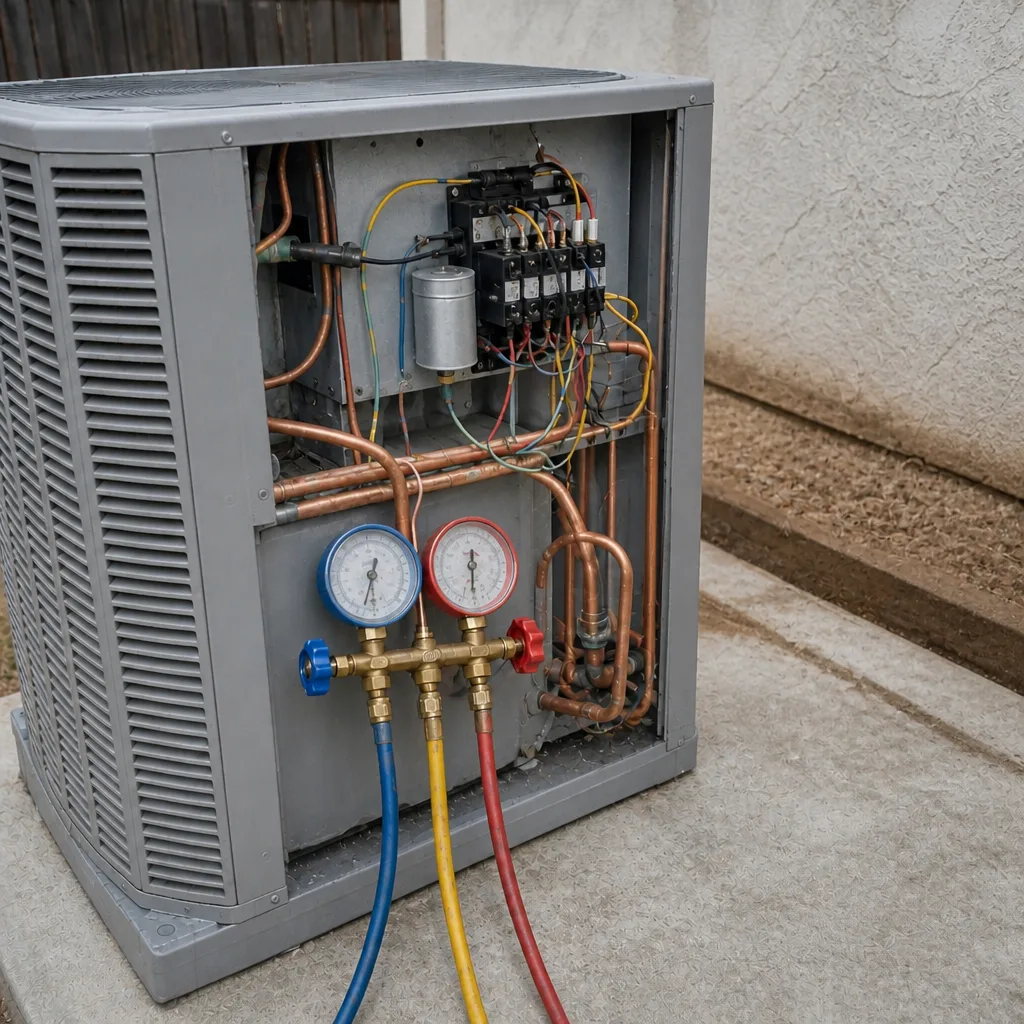
 Before
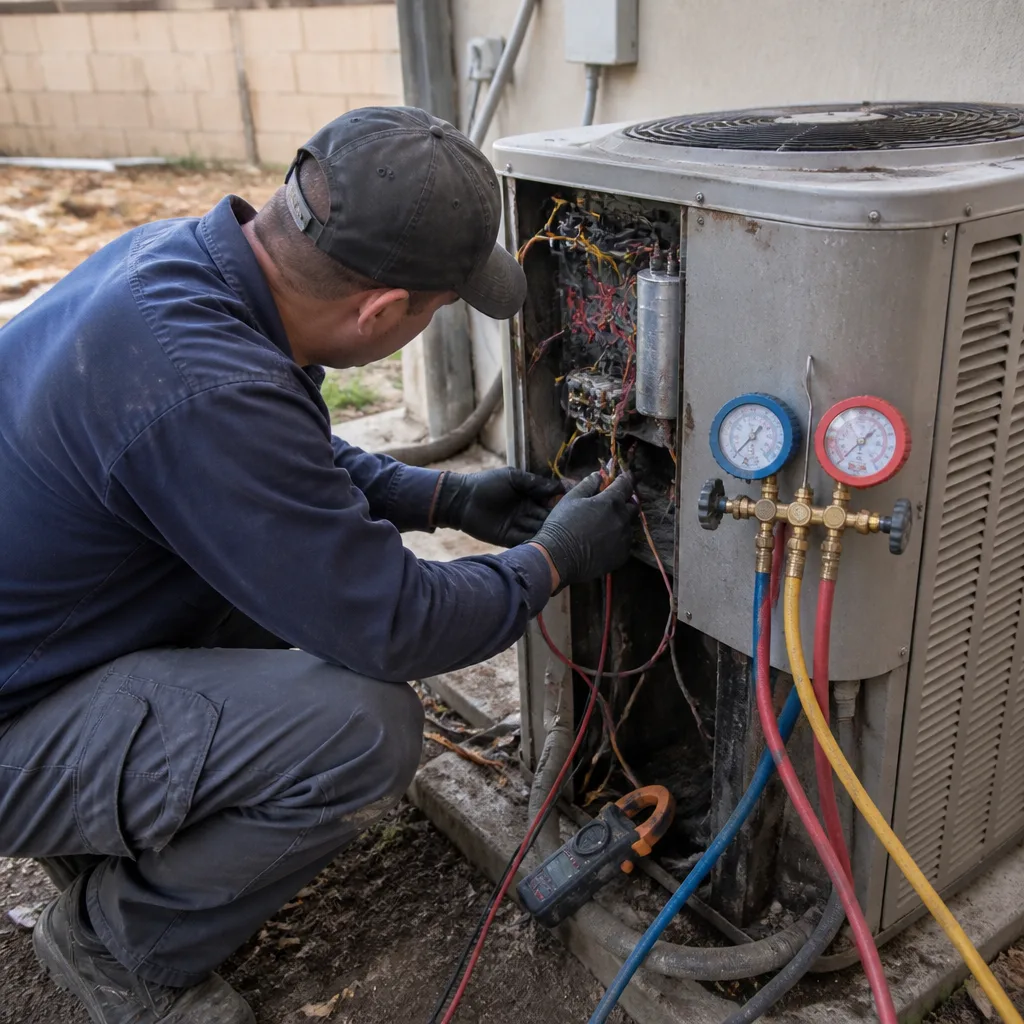
 After
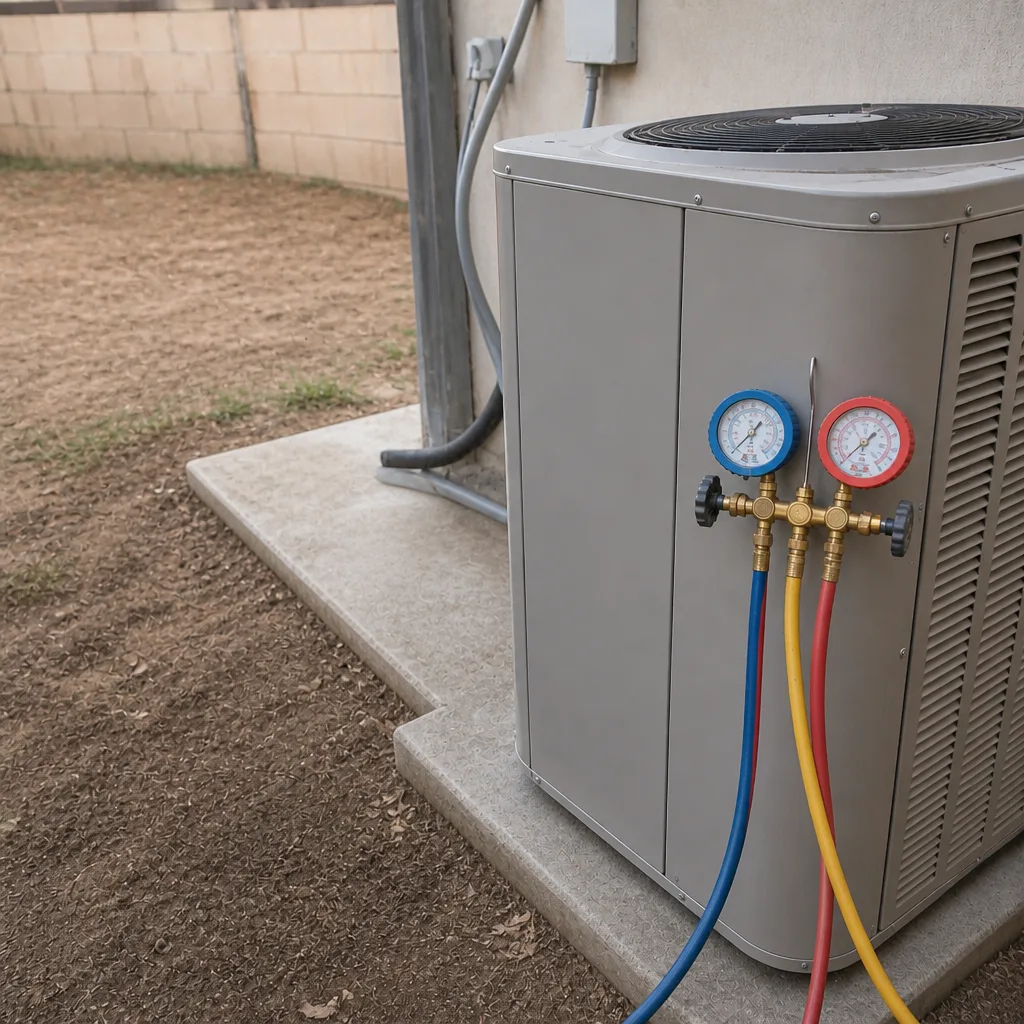
 Before
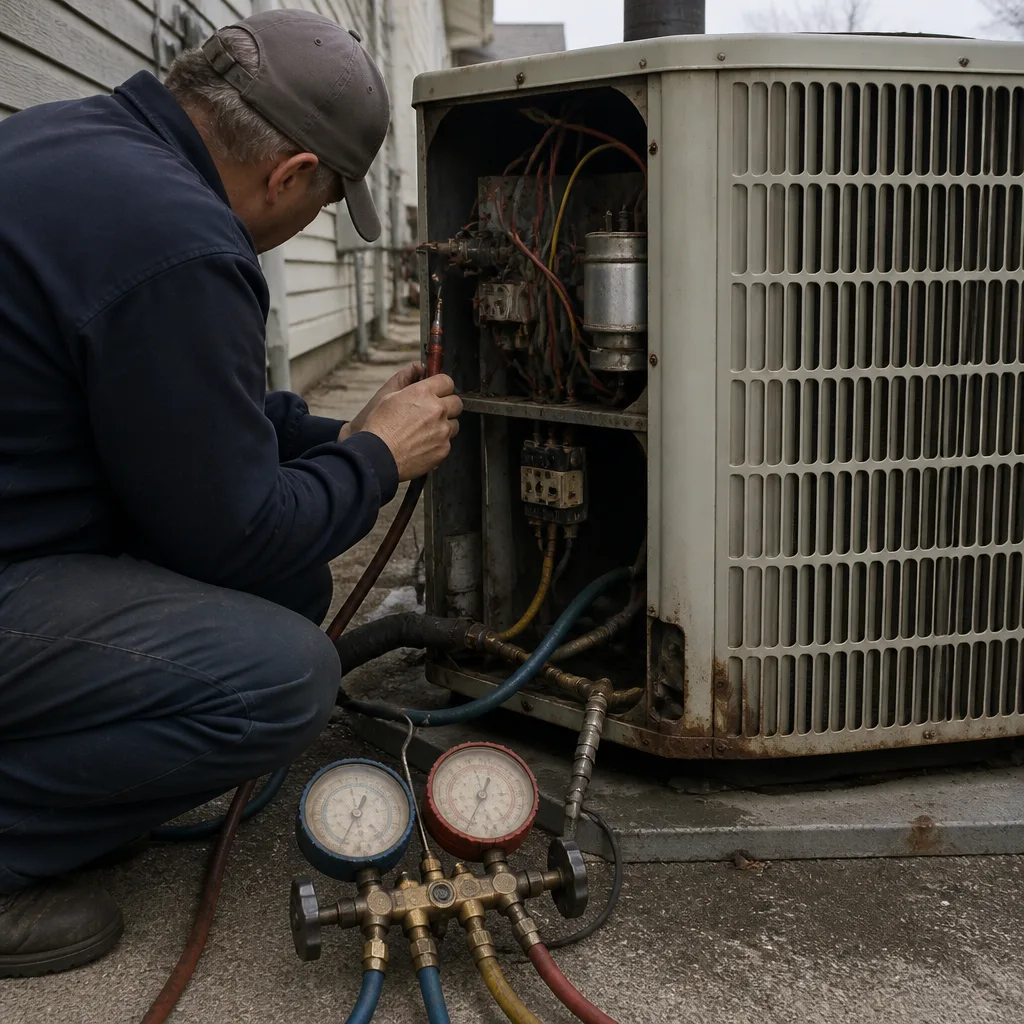
 After
 Before
 After
When to Call a Professional
Air quality work isn’t always an emergency, but some situations genuinely need a professional to look at them before the next week passes. If you’re seeing visible dust blowing from registers, smelling mold or chemicals indoors, hearing the ventilation system short-cycle, or noticing that some rooms stay stuffy no matter what the thermostat says, it’s time to have someone look. In Paradise, that’s especially true in summer, when attic access gets tighter and scheduling gets longer. Same goes for anyone who has had a duct cleaning in the last couple of years at a home where the same complaint keeps coming back. Repeated problems are almost always a diagnostic miss, not a cleaning failure.
Ray’s Heating & Air Paradise offers free estimates in Paradise, and there’s no trip charge inside the county. If you already have a written estimate from another company, we’ll give you a free second opinion on it. Call (855) 664-5714, and if there’s a written estimate you want looked at before you sign anything, bring it.
Frequently Asked Questions
It depends on the job: a filter and grille service is about 30 minutes, a duct inspection with camera is 1 to 2 hours, full duct cleaning is 3 to 6 hours depending on square footage, and ERV servicing is roughly 45 minutes. A full visit that includes diagnosis, cleaning, and verification typically runs 4 to 8 hours on the job. Paradise attic access and summer heat add time compared to milder areas.
Because most of the real work was skipped. A legitimate air quality tune-up requires a camera inspection, static pressure reading, return-air check, and written findings. Any one of those takes longer than a sub-hour visit can contain. If someone was in and out in 30 minutes without leaving a written report, you paid for a visit that didn’t touch the actual system. Call (855) 664-5714 for a real diagnostic before you pay for the same job twice.
Yes, for about 48 to 72 hours. Cleaning disturbs settled dust, some of which lifts into the airstream before the system settles. Check your filter around day 3. If heavy dust is still working out of the registers past 72 hours, or if you smell something new, that’s worth another look. Estimates for a follow-up diagnostic are free.
Attic temperatures in Paradise routinely hit 130°F in summer, which forces shorter work stretches with cool-downs and pushes attic duct work to early morning starts. On top of that, older and pre-rebuild homes often have duct layouts that don’t match current ventilation standards, and rebuilt homes have tighter envelopes that change airflow patterns. Same house size, more time on the job. Call (855) 664-5714 to schedule an inspection that accounts for the difference.
Expect 5 to 14 days in Paradise during June and July, since emergency AC calls take priority. Spring and fall run closer to 2 to 7 days. If you know your ducts are overdue, booking in March through May avoids the summer backlog and gets the work done faster and with better access. Call (855) 664-5714 for a spring window.
Yes. We service all major brands, including Bryant, American Standard, Carrier, and Trane. Air quality and ventilation work is brand-agnostic in most cases, but knowing the specific system layout on your equipment saves diagnosis time. If you’ve had us out before, we already have the notes. If not, we’ll take the readings first and show you what we find before any number gets quoted.
The Bottom Line
Air quality and ventilation work takes as long as the actual job requires, and the honest answer to “how long” is that it depends on which of the three jobs you’re dealing with. Cleaning is 3 to 6 hours for a full duct system. A camera inspection is 1 to 2 hours. ERV servicing is 45 minutes. A real visit, with diagnosis and verification, lands between 4 and 8 hours on the job, and the 48-to-72-hour dust window afterward is normal. Paradise attics add time, June and July add scheduling lag, and a sub-hour tune-up is a sign something got skipped. Book in spring if you can. Call a company that will tell you what was measured before it tells you what it costs. The phone is answered around the clock, every day, and if it’s not done right, one call brings Ray back.
Written by the team at Ray’s Heating & Air Paradise.
Ready to schedule an air quality inspection or get an honest timeline for the work your home actually needs? Call (855) 664-5714 for a free estimate. Someone answers every call, day or night, and you’ll see the readings before you see the numbers.