
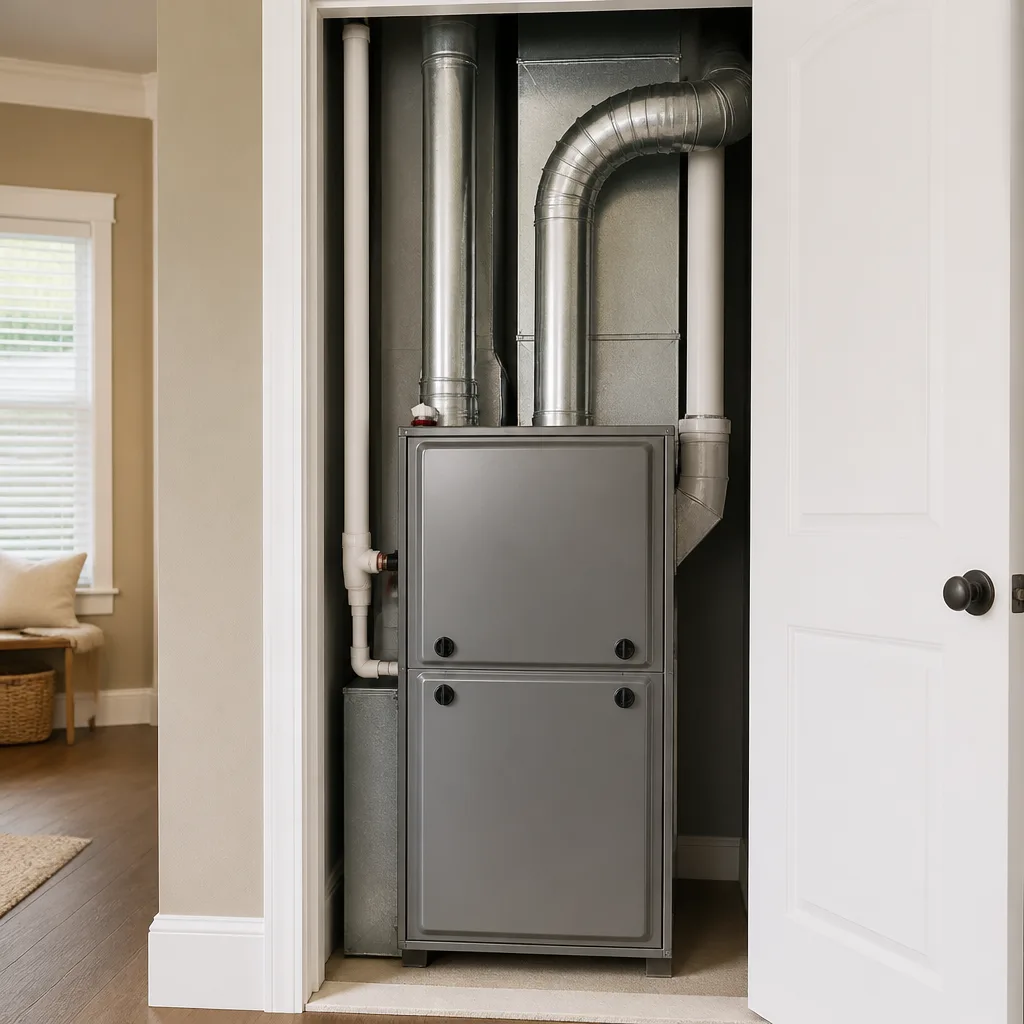
 Furnace & heating
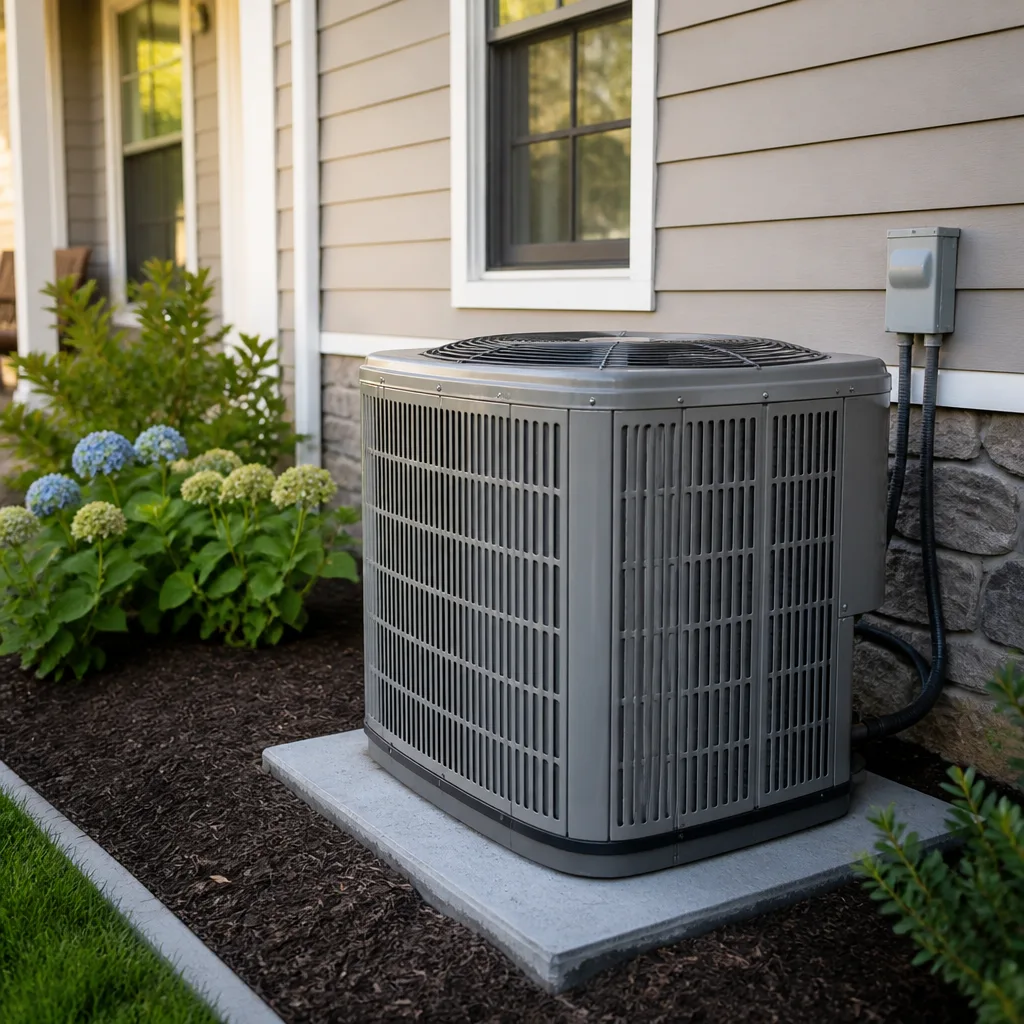 AC repair
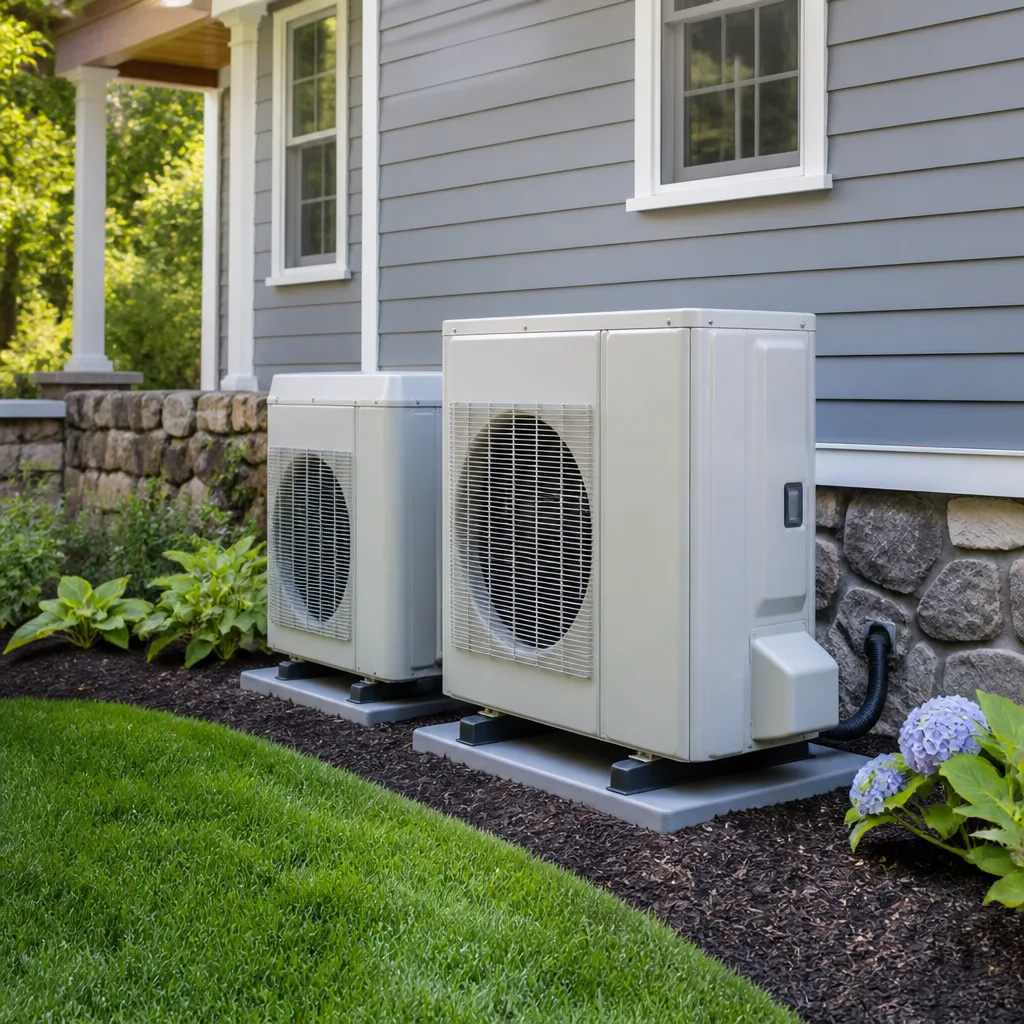 Heat pumps
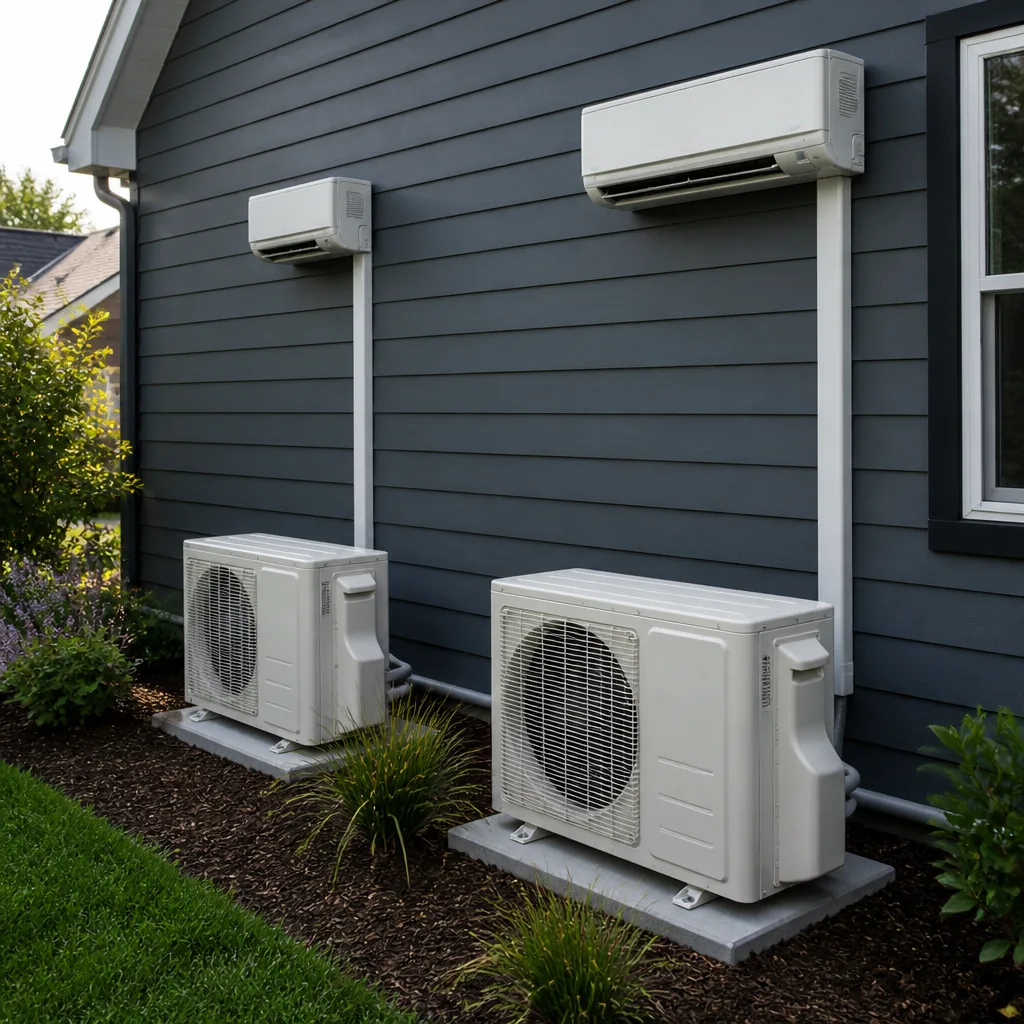 Ductless mini splits
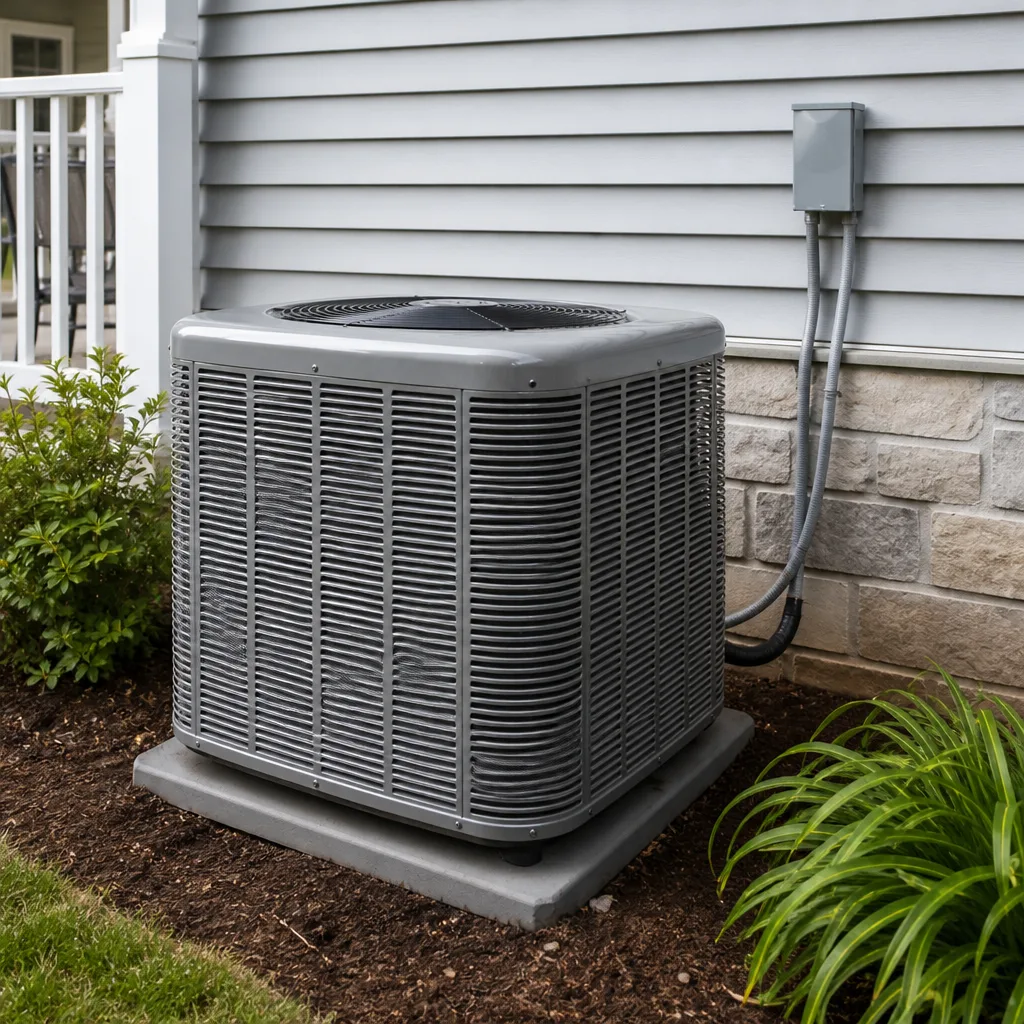 Carrier
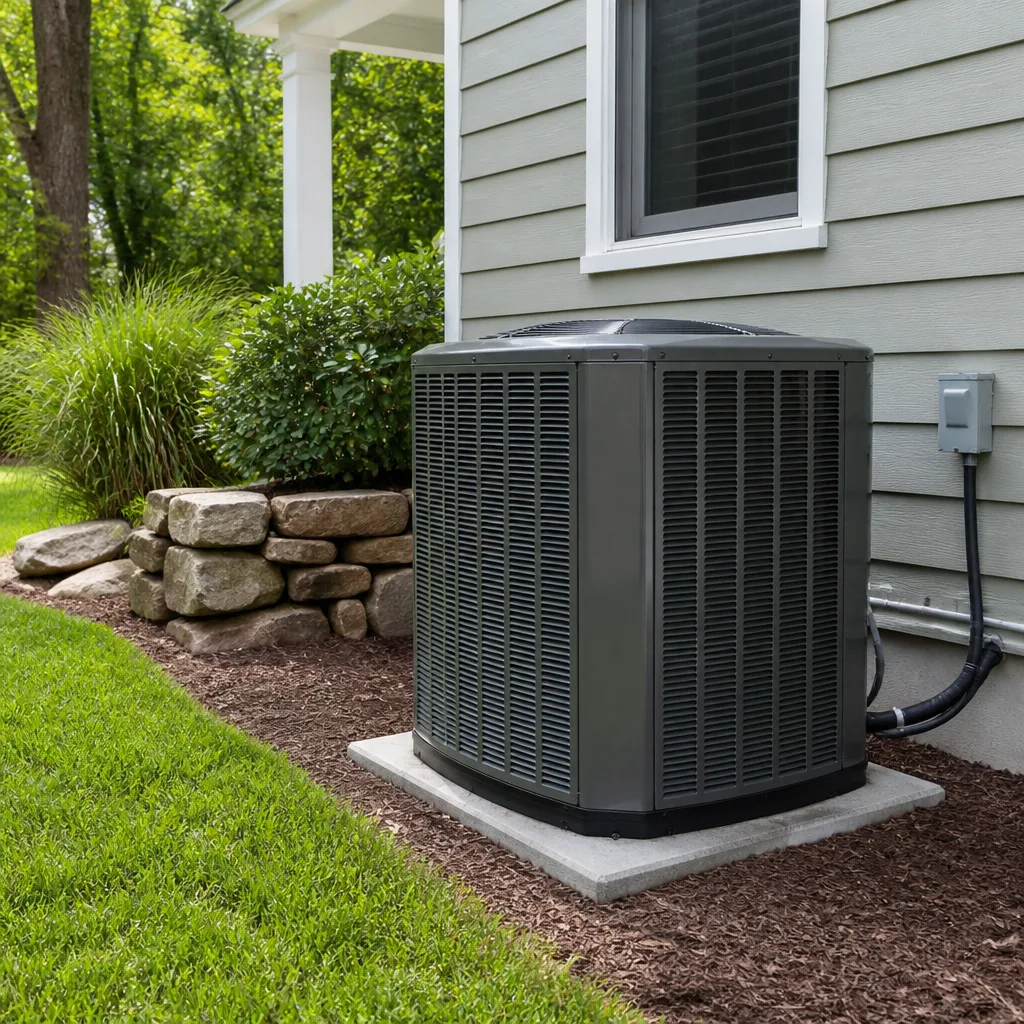 Trane
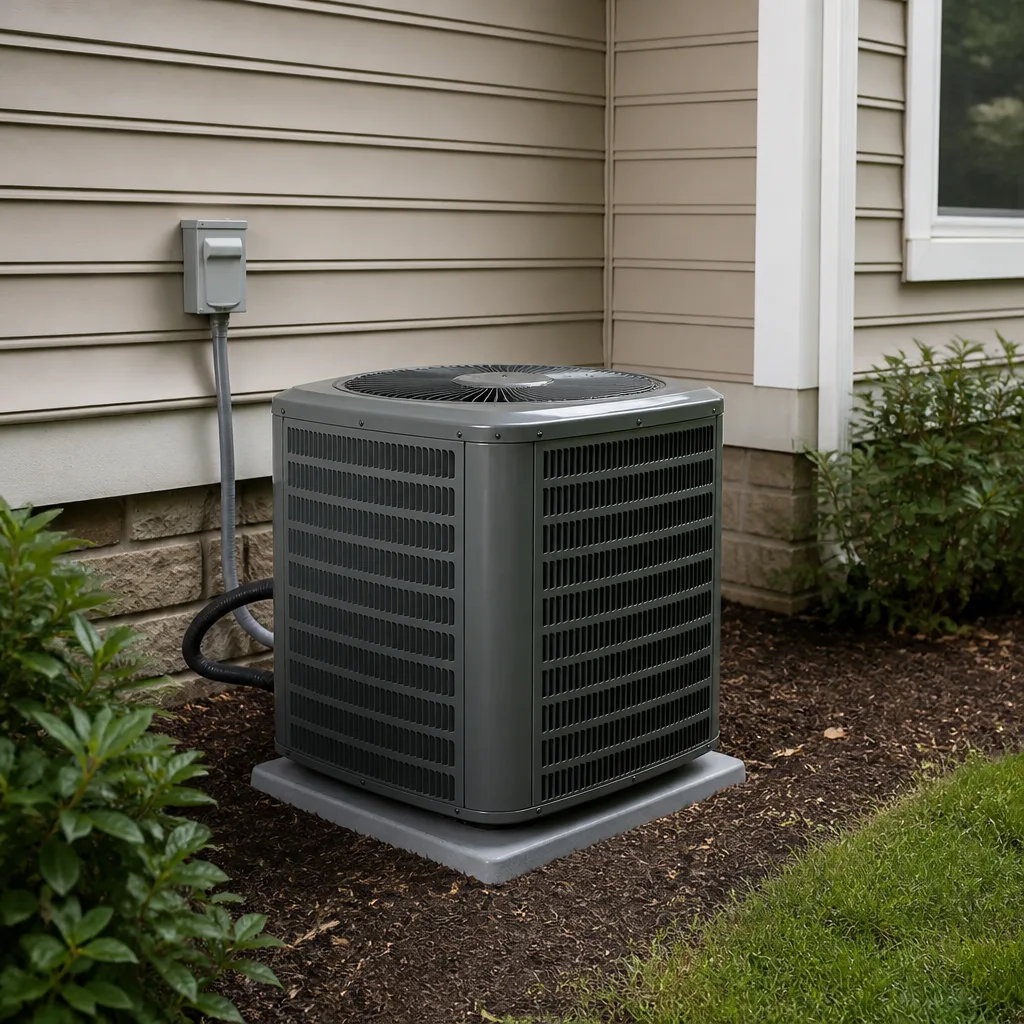 Goodman
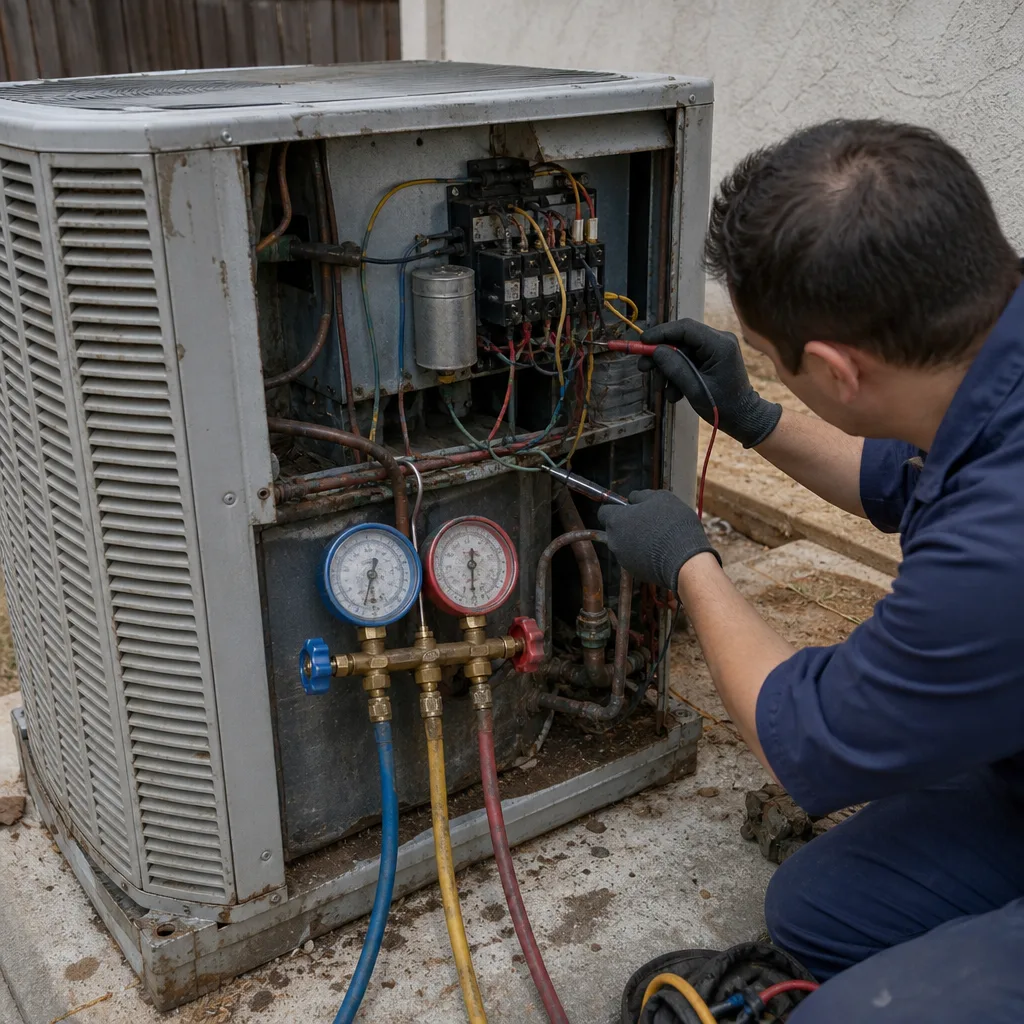
Seasonal tune-up and full diagnostic on your Carrier, Trane, or Goodman system - readings shown to you before any repair is proposed
Diagnosis first, numbers second - you approve the repair price before a single part goes in.
Get your free estimateStyles & brands we work with
- AC repair
- Furnace & heating
- Heat pumps
- Ductless mini splits
- Carrier
- Trane
- Goodman
See the difference
 Before
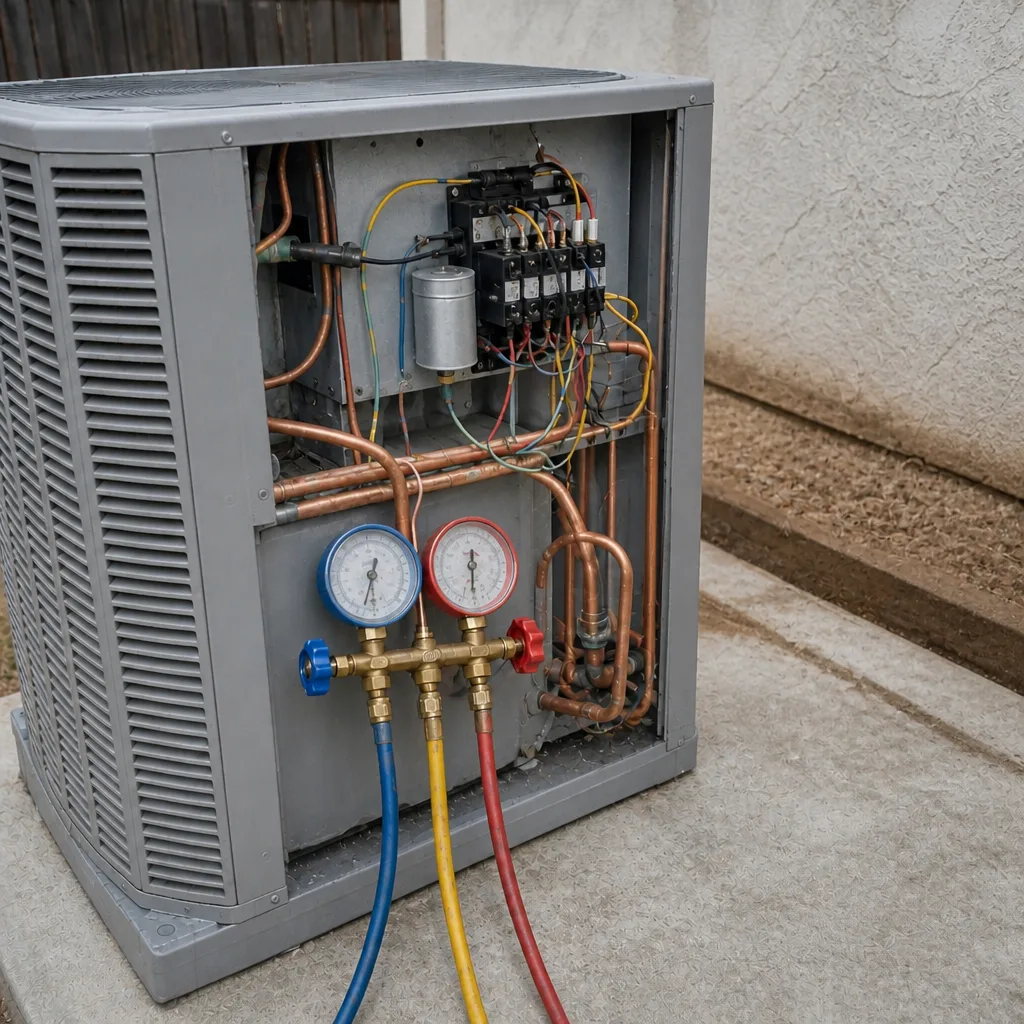 After
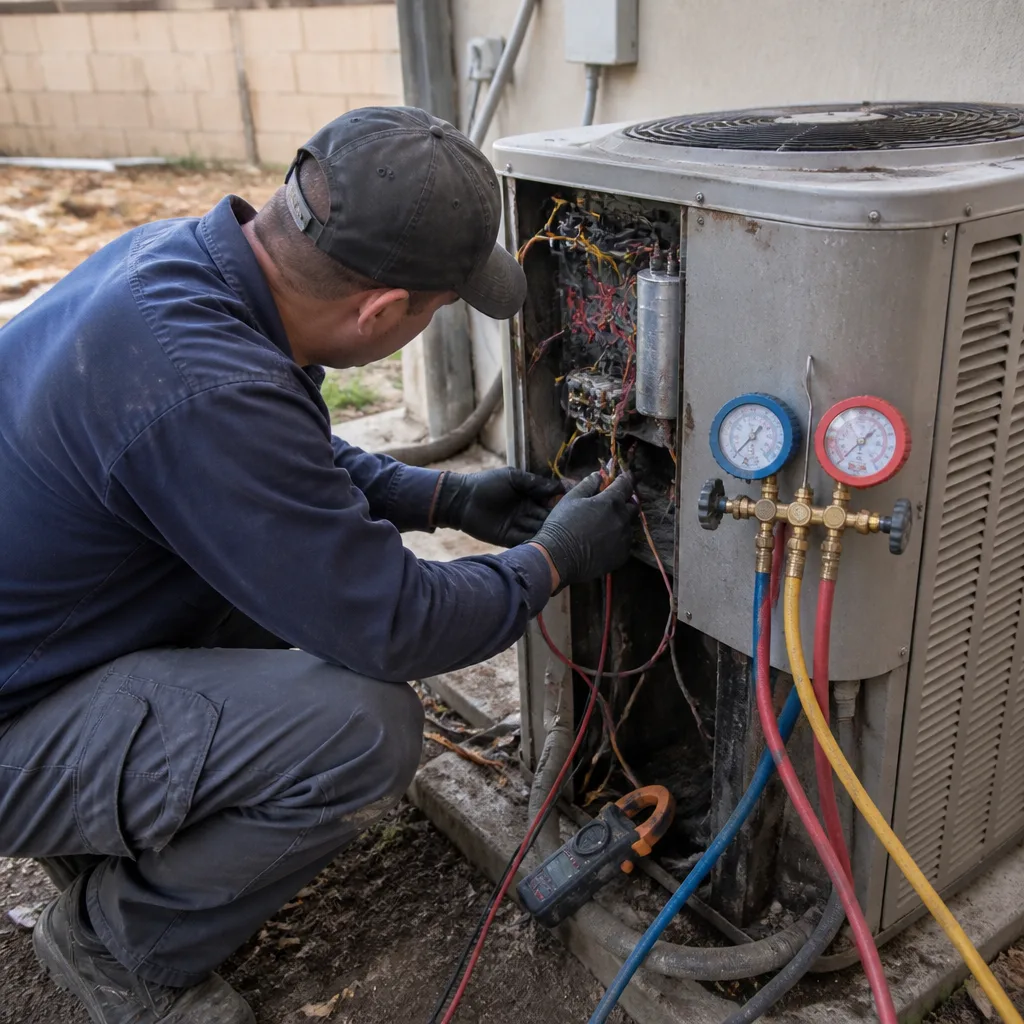 Before
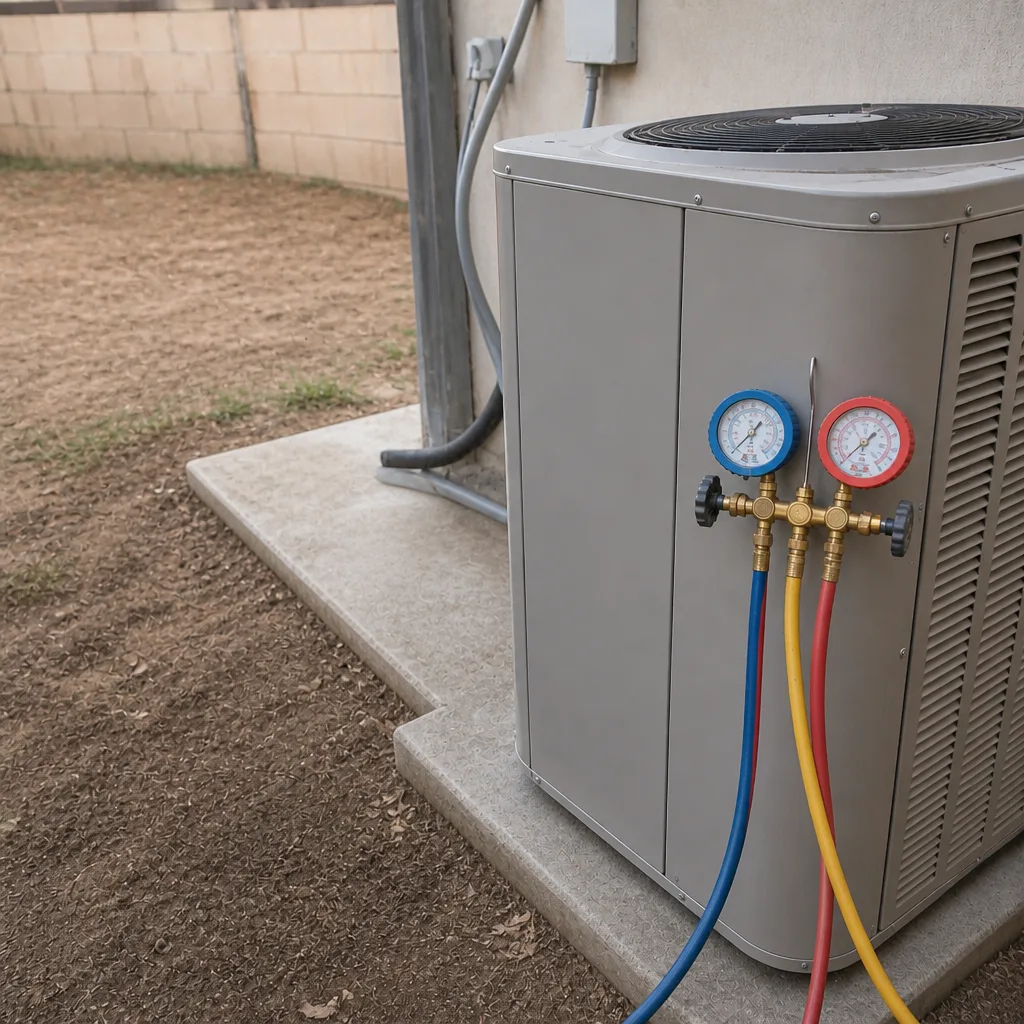 After
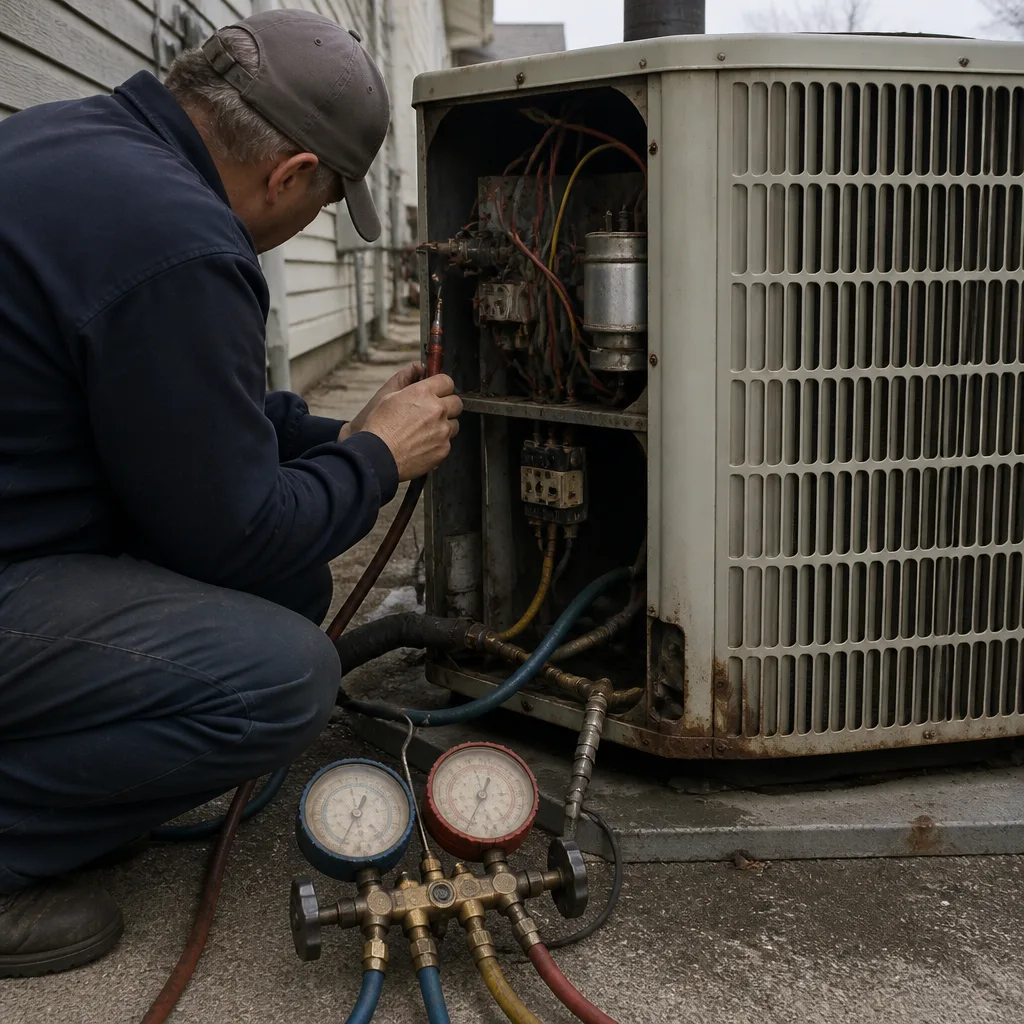 Before
 After
How Often to Replace an HVAC Air Filter in Paradise, NV
Check your filter at 30 days, not 90. In Paradise, the 90-day filter rule falls apart because the air carries fine silica dust and construction particulate from Strip development year-round, with almost no humidity to weigh particles down. A MERV 8 filter in a Paradise apartment or condo is usually loaded by week four of summer, and a clogged filter in 110°F heat pushes your rooftop unit toward a repair bill that runs several hundred dollars. Call (855) 664-5714 if yours is already grey and matted.
Why the 90-Day Rule Is Wrong for Paradise’s Apartment and Condo Corridor
That rule was written for a house in Ohio with four seasons, sealed windows, and enough humidity to knock dust out of the air. Paradise gets the opposite. We’re an unincorporated town that exists entirely as the Strip’s host jurisdiction, with no downtown or historic core, so most of the housing here is 1970s to 2000s apartment complexes and condos served by packaged rooftop units and fan-coil systems along Paradise Road and Flamingo. Those units sit on roofs coated in the same fine grit that blows off every active construction site on the east side. Filters do their job and load up fast.
Here’s what we see when we open a filter grille in Paradise in July: buildup on the intake face that looks like felt, not dust. Dry desert air keeps the finest particles suspended instead of letting them settle, so every cubic foot that crosses that filter is carrying material. Your system pulls the full load in continuous operation because there’s no cool-off period in the afternoon. The filter simply sees more traffic per hour than a filter in a milder climate would ever see.
How Long Does a Filter Actually Last in Paradise?
In dry summer months from May through September, a MERV 8 to MERV 11 filter in a Paradise unit typically loads in 25 to 35 days. That’s not a guess from a manufacturer’s chart; it’s what we see on reroofed mid-rise buildings and older apartment properties where the ductwork is original. You’ll get more mileage in a newer condo with tight envelope seals, and less in a building next to an active construction zone.
A useful visual test we give everyone: pull the filter at 30 days, hold it up to a light. If you can’t see through the pleats, it’s done. If you can just make out the light, it has a couple more weeks. If it looks almost new, your building is tighter than most and you can stretch to 60 days. That check tells you more about your specific building than any schedule in a manual.
What Happens If You Skip It in Paradise Summer?
A restricted filter starves airflow across the evaporator coil. The coil gets too cold, freezes up, and the unit either ices over or trips a high-pressure lockout. In Paradise’s extreme heat, where condensers run nearly continuously and refrigerant pressures spike, that failure happens fast. Downstream repair costs from ignoring a filter routinely land between $300 and $800, and that’s before you count a night without cool air.
Compare that to a filter. A standard pleated filter costs a few dollars. A replacement day in our shop is part of routine tune-up work that typically runs $80 to $200. The math doesn’t need a calculator.
MERV Rating: Higher Isn’t Always Better
This is where a lot of people in Paradise get into trouble. A MERV 13 filter in a packaged rooftop unit designed for MERV 8 restricts airflow just as much as a dirty filter does. Older packaged units and fan-coil systems in Paradise’s apartment stock often have blower motors sized for MERV 8 at best. Putting a MERV 13 in doesn’t filter better; it starves the system and causes the same freeze-up or lockout you’d get from a filthy filter.
Match the filter to the equipment. If you don’t know what your unit is designed for, ask before you buy a case at the hardware store. It’s a two-minute call and it saves a repair visit.
Here’s the short version for choosing:
- MERV 8: safe for almost every packaged rooftop and fan-coil unit in Paradise. Change in 30 days or less in summer.
- MERV 11: fine where the blower motor is newer and ductwork is clean. Also 25 to 35 days in summer.
- MERV 13: only where the system was designed and sized for it. In older Paradise units, this filter will cause pressure problems.
- Basic fiberglass (MERV 1 to 4): protects the equipment but filters little else. Fine for a property manager’s minimum standard; not what you want if dust is your complaint.
Who Is Supposed to Change the Filter in a Paradise Apartment or Condo?
This is a genuinely good question because a lot of tenants and even many owners don’t know the answer. In many mid-rise and high-rise apartment buildings, the packaged rooftop unit is building equipment. It’s part of the common mechanical system, not the leased premises, and maintaining it is the building’s responsibility, not the tenant’s. In a condo, the split depends on what the HOA documents say about what counts as common elements.
The practical answer: the filter inside your unit (the one accessible from your return-air grille or closet) is almost always yours to change. The filter inside the rooftop unit, behind a locked roof hatch, belongs to whoever is responsible for the building equipment. Don’t assume; ask your building manager. If you’re a building manager and you want an honest walk-through of what your property’s packaged units actually need, we’ll tell you plainly instead of selling you something that isn’t yours to buy. This is why our Air Quality & Ventilation page is worth a look alongside this one.
How to Know When to Replace Your Filter: A Quick Step-by-Step
A simple routine works in every Paradise building. Here’s the order of operations we recommend, whether you’re in a condo off Paradise Road or an older mid-rise near Flamingo:
- Find the filter: look for the return-air grille in a hall or utility closet, or ask your building manager where the filter slot is on your rooftop unit if you have access.
- Write today’s date on the new filter’s cardboard frame before you slide it in. That single habit will tell you exactly how long yours lasted.
- Check it at 30 days the first time. Hold it up to a light. Can’t see through? Replace. Still translucent? Give it 30 more days. That’s your baseline.
- Match the arrow to airflow direction. Arrow points toward the blower or the coil. Get that backwards and the filter loads faster and can collapse.
- Use the same MERV rating the unit was designed for. Don’t bump up to a “better” filter without knowing your blower motor can handle it.
- Check your condensate drain pan under the coil while you’re in there. If it’s full or the coil ices up seasonally, the filter isn’t the only problem.
- Call if anything looks wet, iced, or rattles. Those are not filter problems.
What to Look For on Your Filter (Comparison View)
When you pull that filter, you’re reading the history of your building. Here’s how to compare what you see:
- Uniform grey cast, still translucent: filter is working, air is passing. Typical for a newer condo.
- Evenly caked, opaque: filter is done, change it now. This is the common look on Paradise apartment units in July and August.
- One side caked, other side clean: check that you didn’t install it backwards, or that the return grille isn’t pulling more air on one side, which points to a duct problem.
- Wet or oily: not normal. Points to coil condensation or an oil issue upstream. Call someone to look; don’t just swap the filter.
- Holes or collapsed pleats: the filter has been in way too long, and the system has been breathing dirt.
What About Maintenance Beyond the Filter?
The filter is the cheapest insurance you have. The next two pieces are a seasonal tune-up and coil cleaning. In Paradise, our recommendation is a pre-summer check in April or May, before the first 105°F week, and a coil cleaning schedule that fits your building. On high-rises on the Strip’s east side, condensers and cooling towers bake in reflected heat off glass façades and parking structures, and ambient on the roof can run far above official readings, so we schedule coil and refrigerant checks before 10 a.m. When your filter is clean and your coil is clear, your unit runs cooler and lasts longer.
If you’re pricing out a check, a tune-up typically runs $80 to $200 in Paradise, and diagnostic work on a system that’s already misbehaving runs $150 to $650 depending on what’s actually wrong. Readings first, numbers second. You’ll see both before anyone picks up a wrench. Our home page is the place to start if you want to see everything we handle.
For the broader picture on making indoor air cleaner in Paradise apartments and condos, our team put together the guide to Air Quality & Ventilation, which covers more than just filters.
FAQs
In summer, yes, or close to it. A MERV 8 to MERV 11 filter in a Paradise unit typically loads in 25 to 35 days from May through September because of desert dust and Strip construction particulate. Check yours at 30 days the first time, hold it to the light, and replace when you can’t see through it. If you’re unsure, call (855) 664-5714 and we’ll walk you through what to look for.
Yes, and often. A clogged filter restricts airflow across the evaporator coil, which in 110°F+ Paradise heat leads to coil freeze-up or high-pressure lockout. The repair bill to fix frozen coils or replace a stressed compressor lands in that range, well above the cost of a filter and a tune-up. Call (855) 664-5714 for an honest read on your system.
Only if your blower motor and ductwork were designed for it. A MERV 13 in an older packaged rooftop unit built for MERV 8 restricts airflow just as badly as a dirty filter and causes the same problems. Match your filter to your equipment, and if you don’t know the answer, call (855) 664-5714 before you buy a case at the hardware store.
Ask your building manager; the rooftop packaged unit is often building equipment, not the tenant’s. The filter behind your return-air grille inside the unit is almost always yours to change, but the one inside the roof unit may be the building’s responsibility. If you’re a manager and want an honest opinion on what your property actually needs, our team will give you a straight answer with no trip charge inside the county.
When to Call a Pro Instead of Changing the Filter
Changing your filter is genuinely a homeowner job, and we’d rather you do it than pay us to walk up the stairs. Call us when the filter is clean but the air is warm, the coil is icing, the pan is overflowing, or your electric bill has climbed for no obvious reason. Those are diagnostic problems, not filter problems.
We’re locally owned and owner-operated, phones answered by a live person around the clock, and every heating and cooling job is backed by our 90-Day Done Right Promise. The service page for the broader work we do is right here if you want to see how we structure a visit.
If you’d rather have it looked at, Ray’s Heating & Air Paradise offers a no-pressure assessment in Paradise. Call (855) 664-5714 for a free estimate and an honest read on what your filter is telling you.
Written by the team at Ray’s Heating & Air Paradise, serving Paradise, NV.