
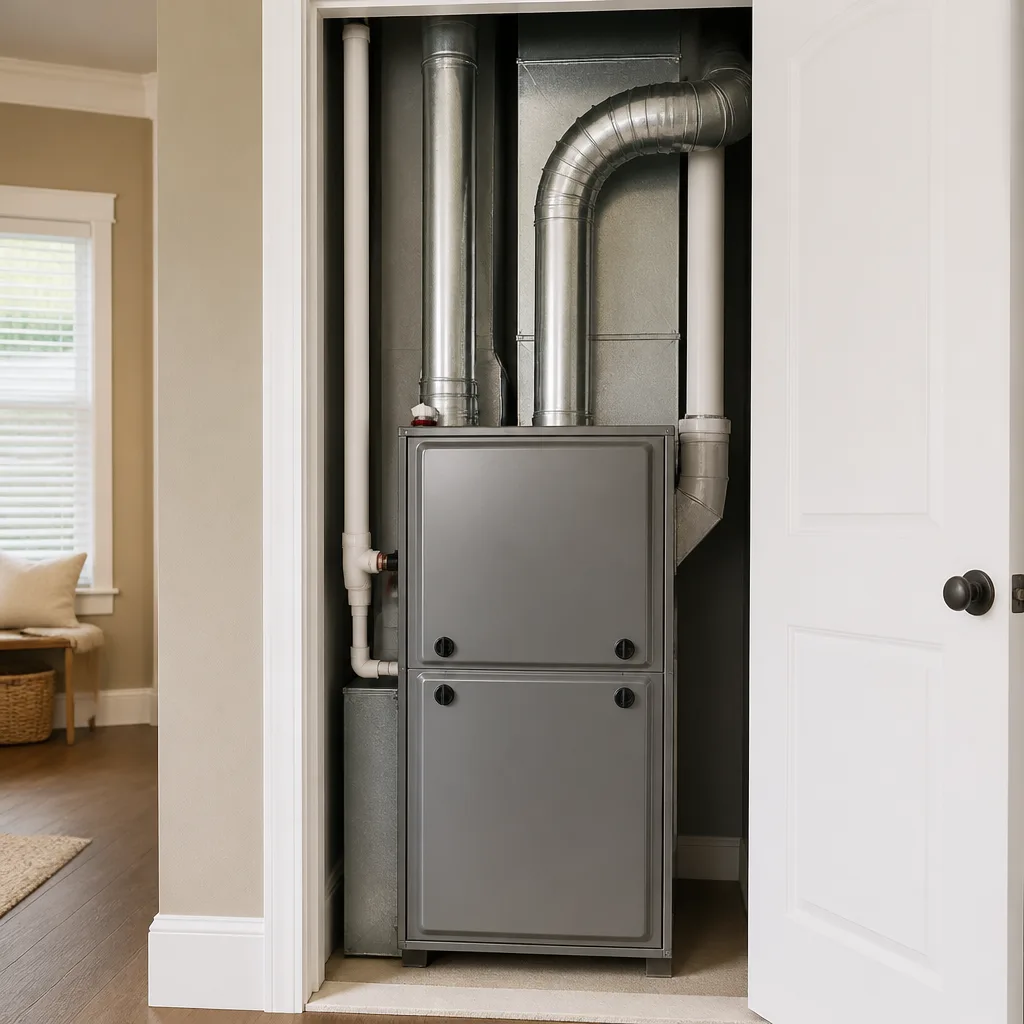
 Furnace & heating
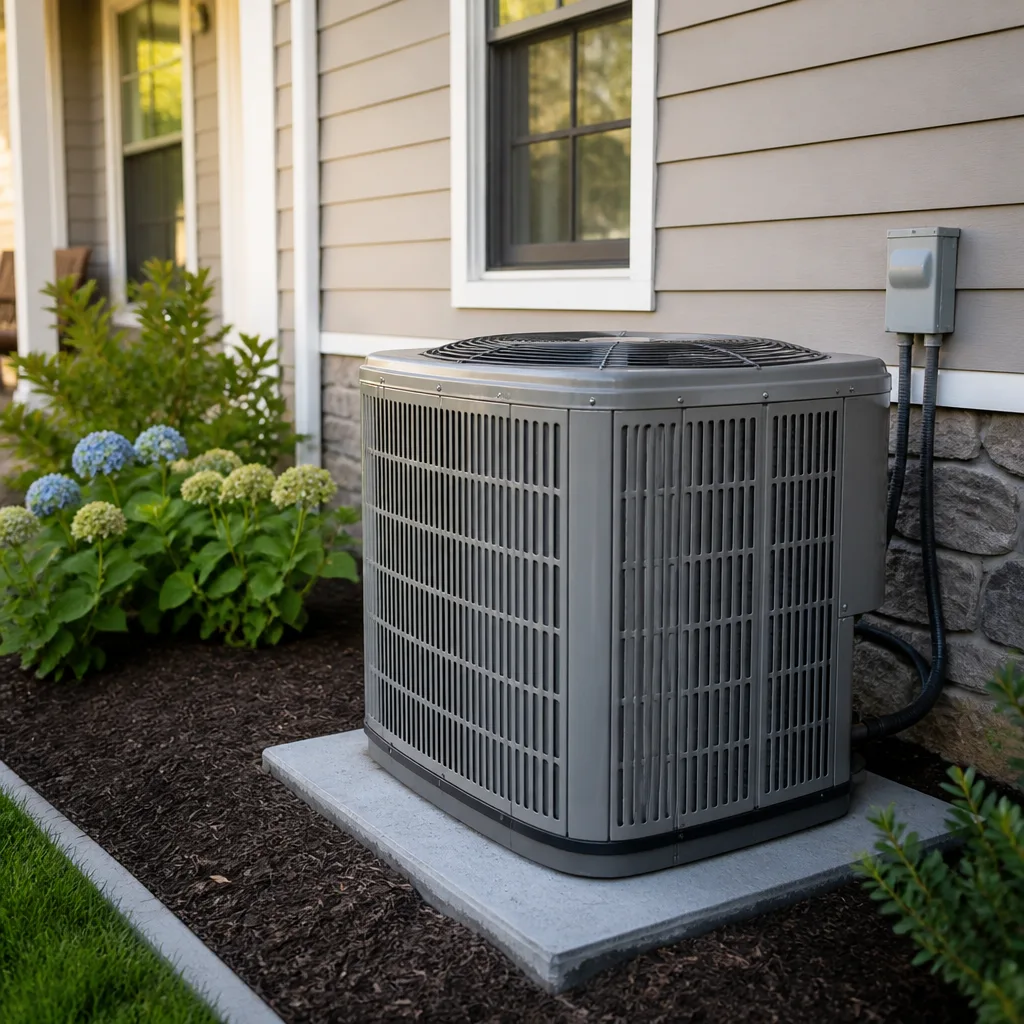 AC repair
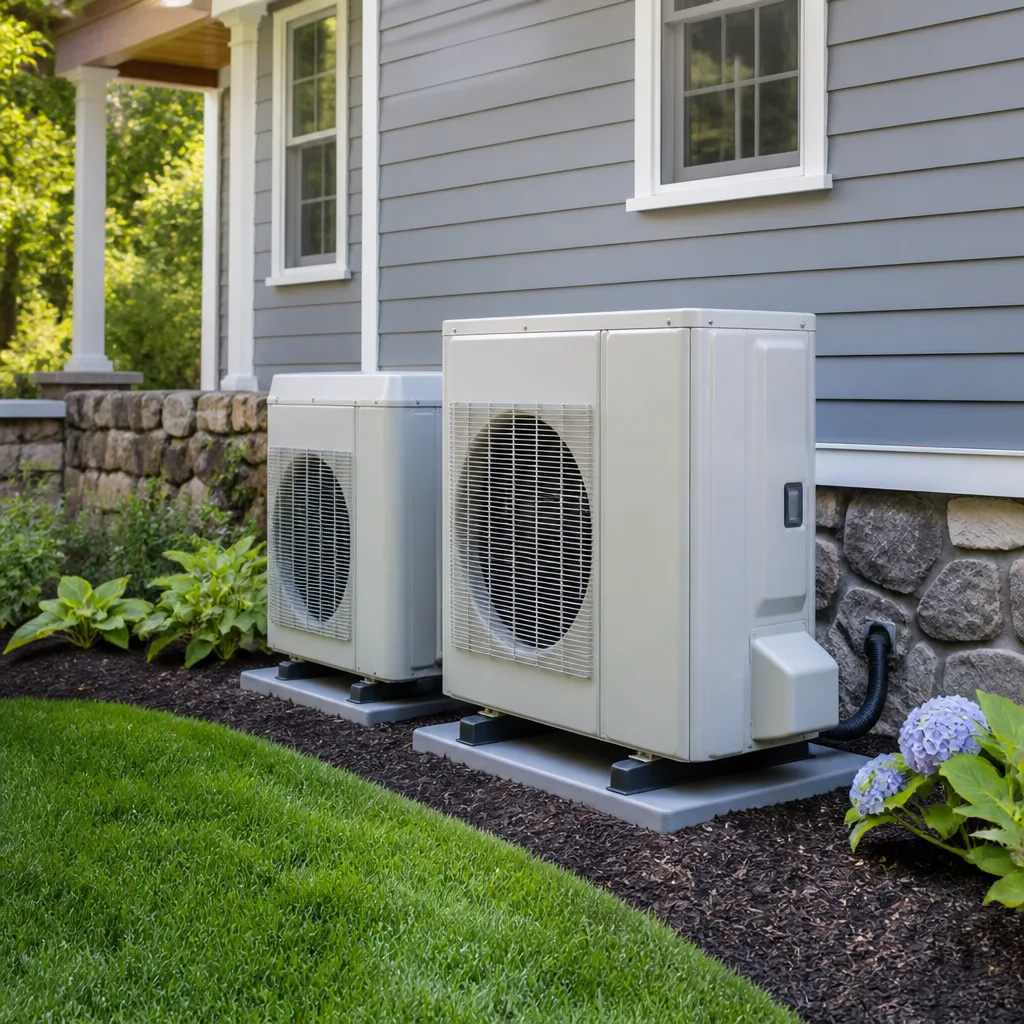 Heat pumps
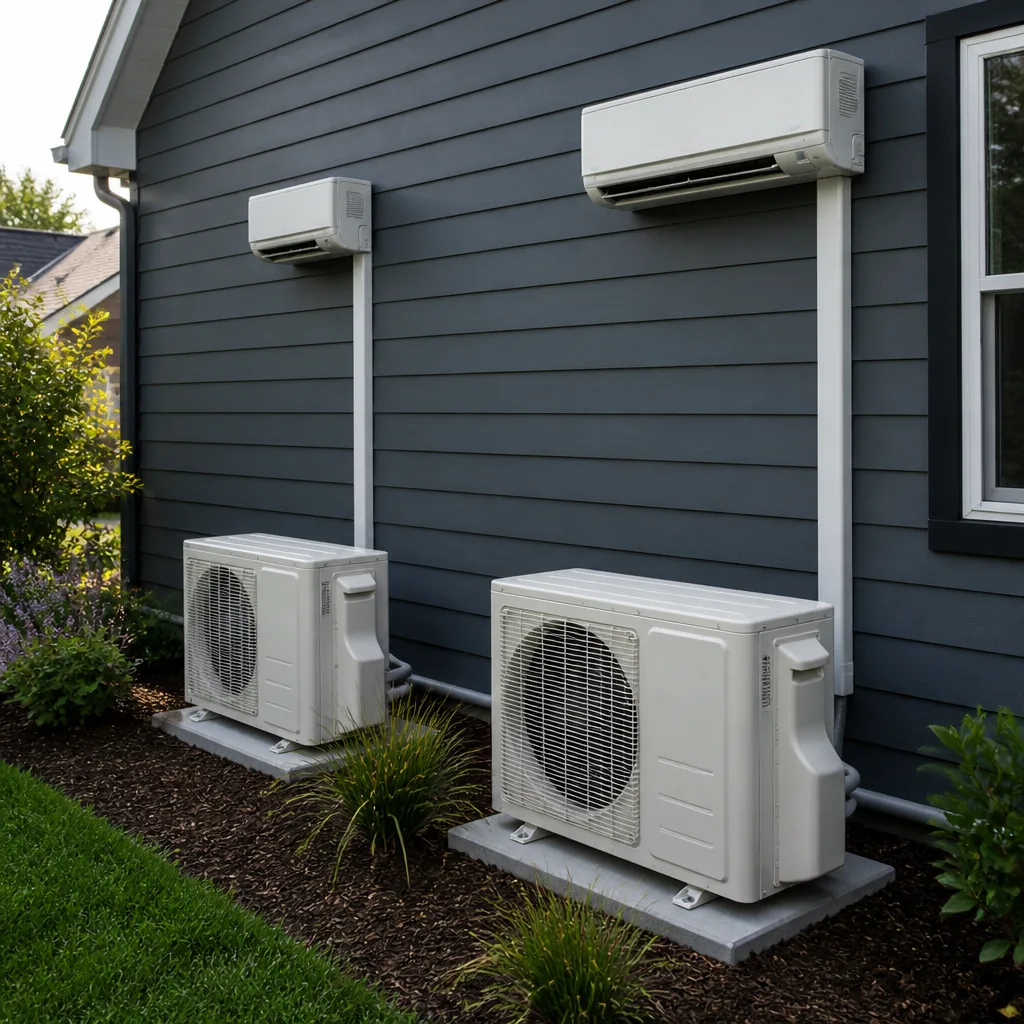 Ductless mini splits
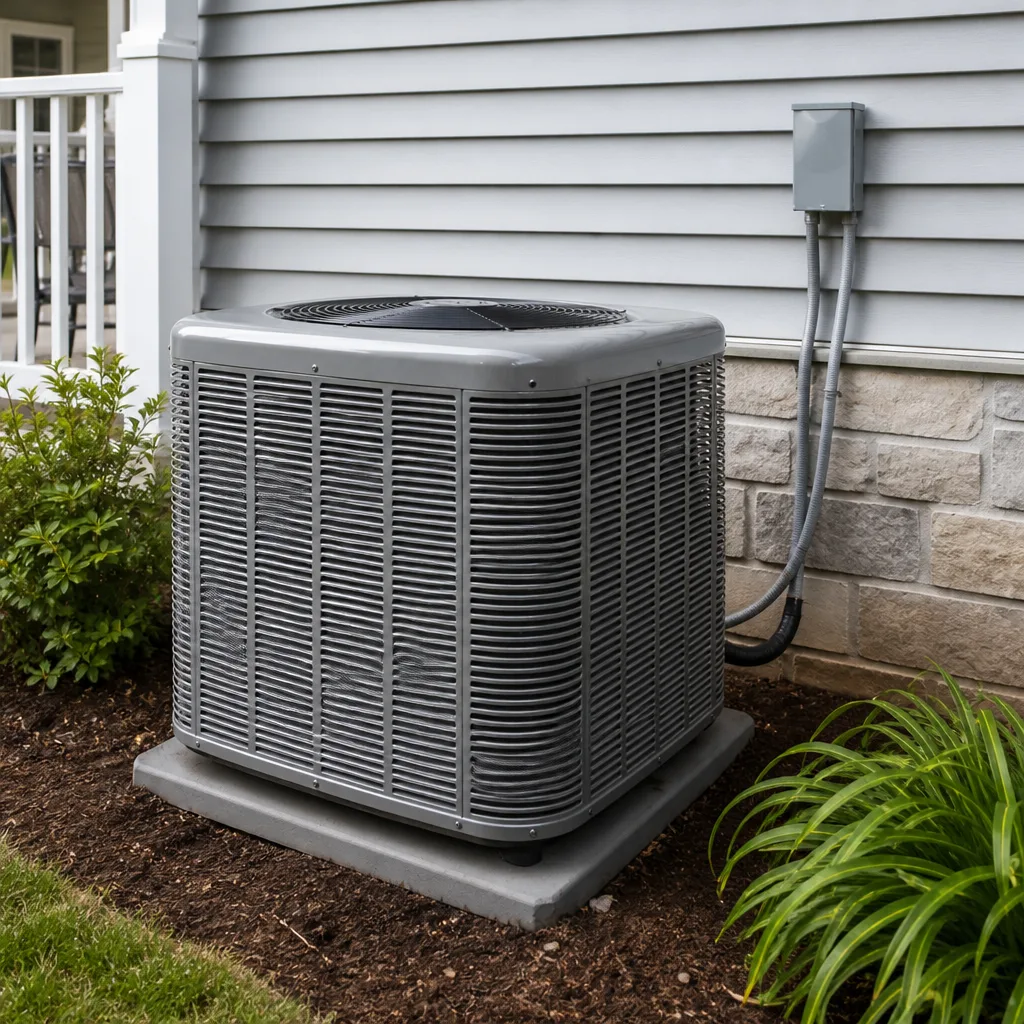 Carrier
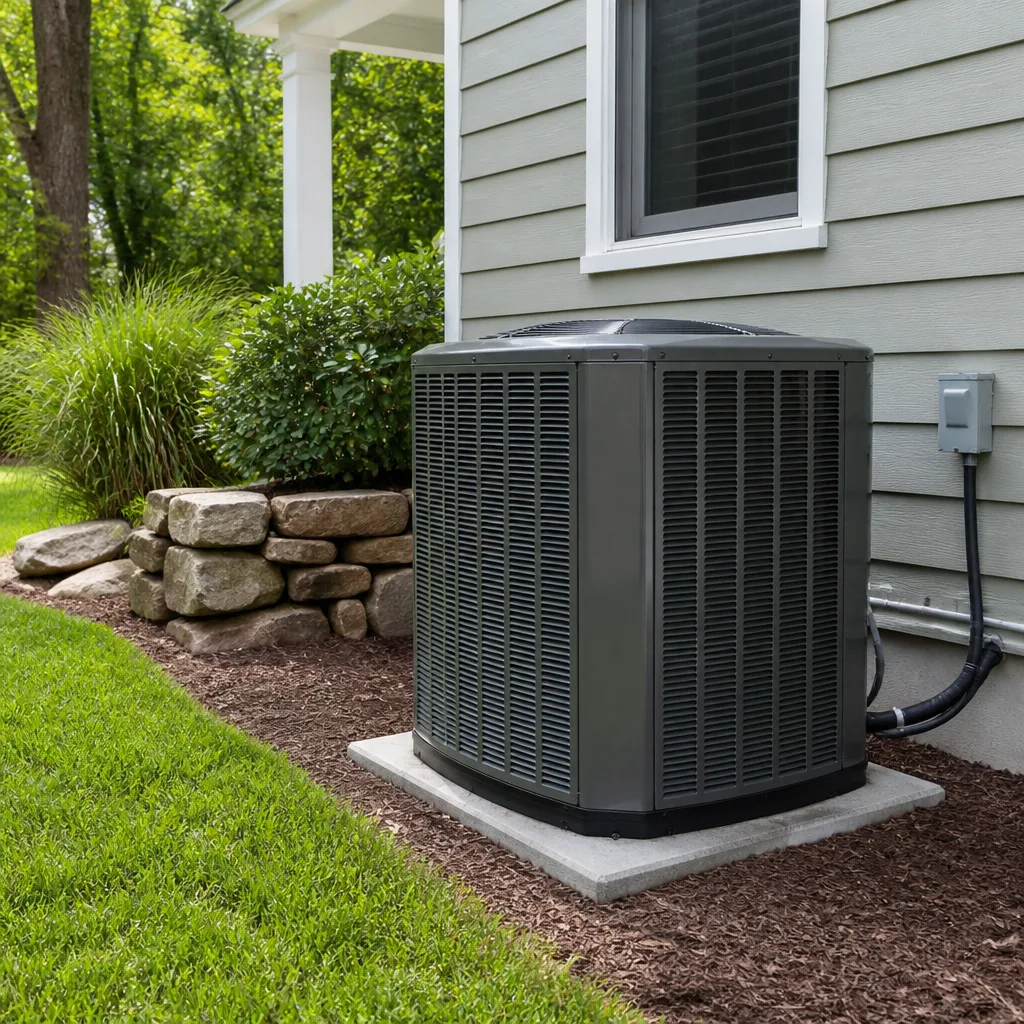 Trane
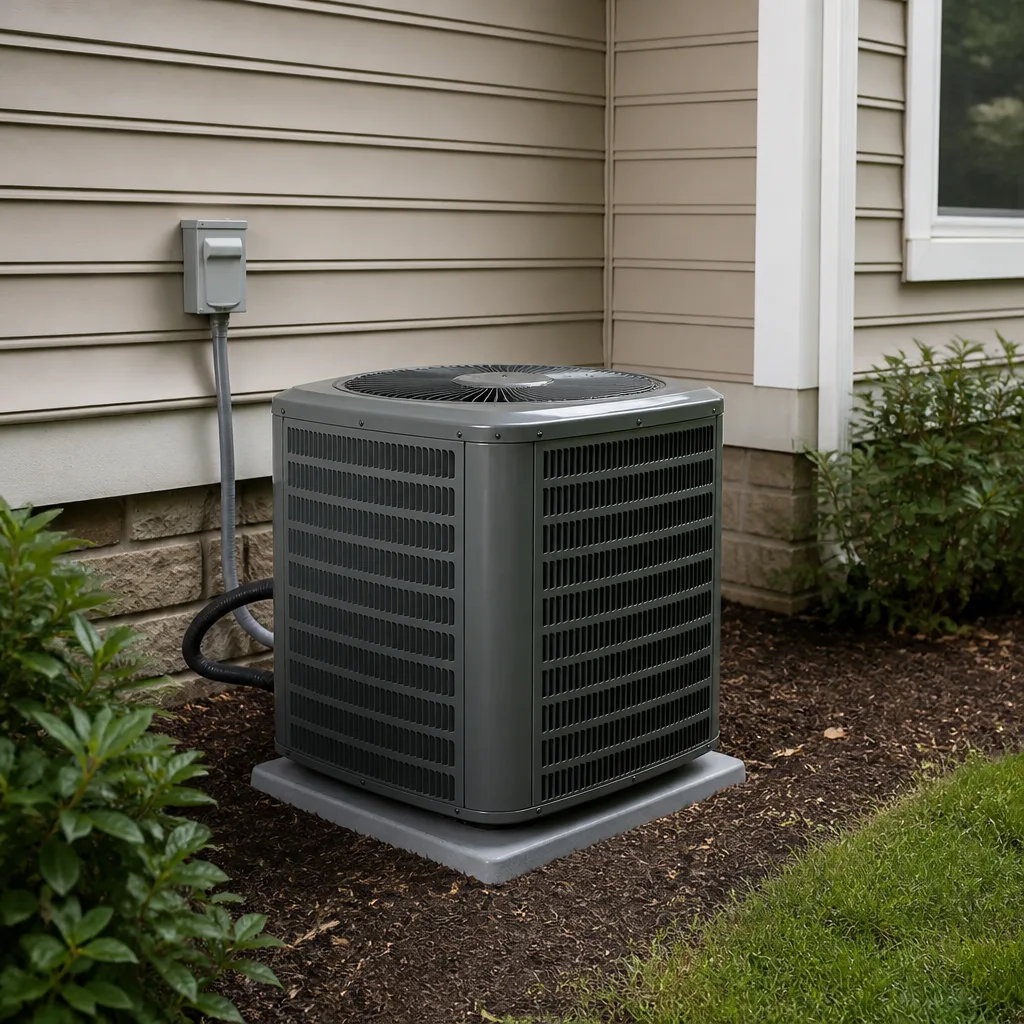 Goodman
Seasonal tune-up and full diagnostic on your Carrier, Trane, or Goodman system - readings shown to you before any repair is proposed
Diagnosis first, numbers second - you approve the repair price before a single part goes in.
Get your free estimateStyles & brands we work with
- AC repair
- Furnace & heating
- Heat pumps
- Ductless mini splits
- Carrier
- Trane
- Goodman
See the difference
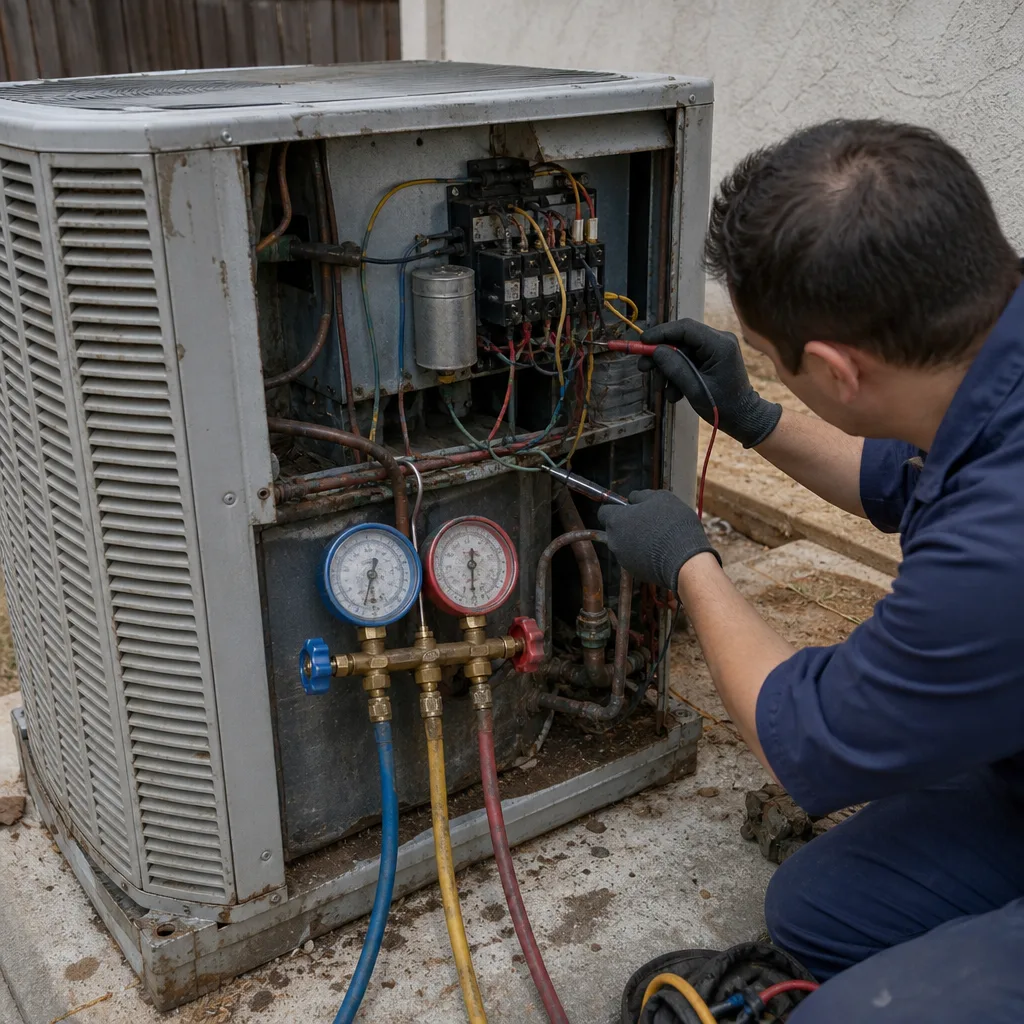 Before
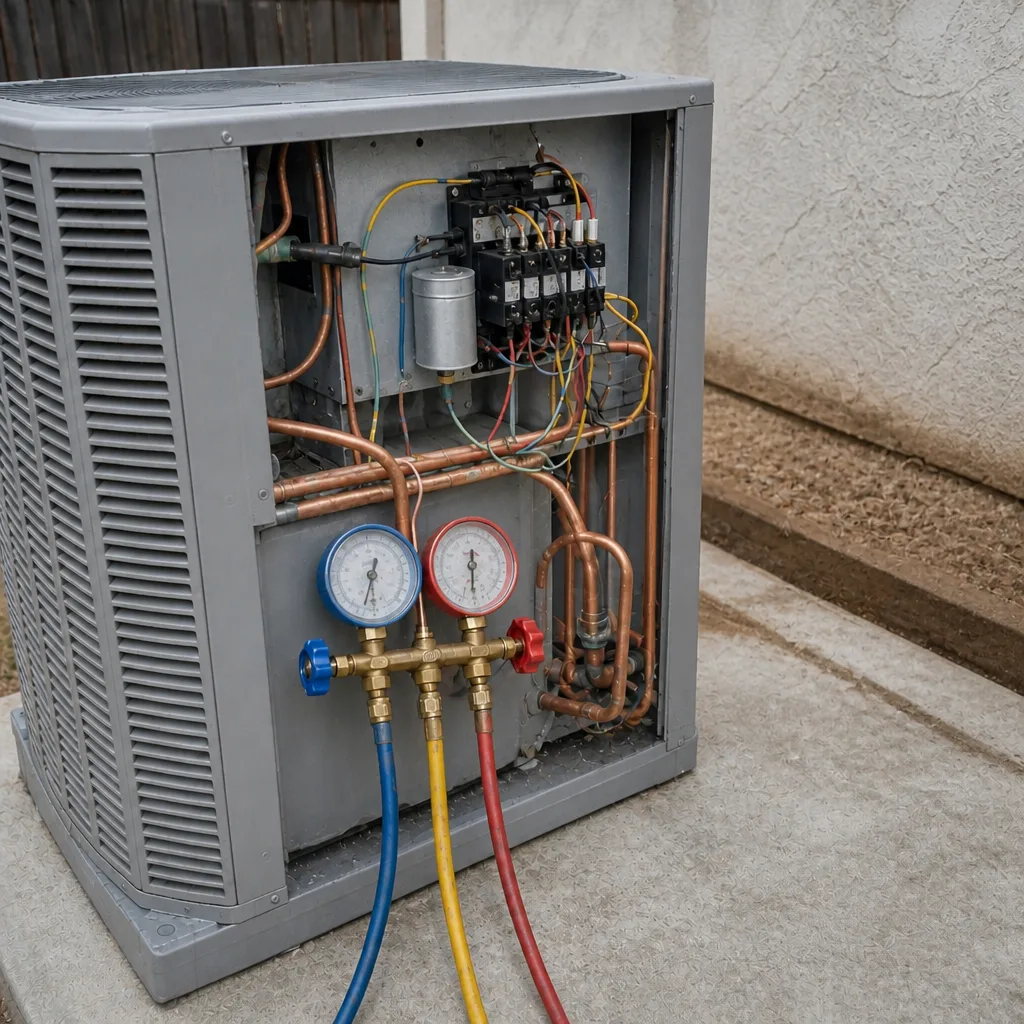 After
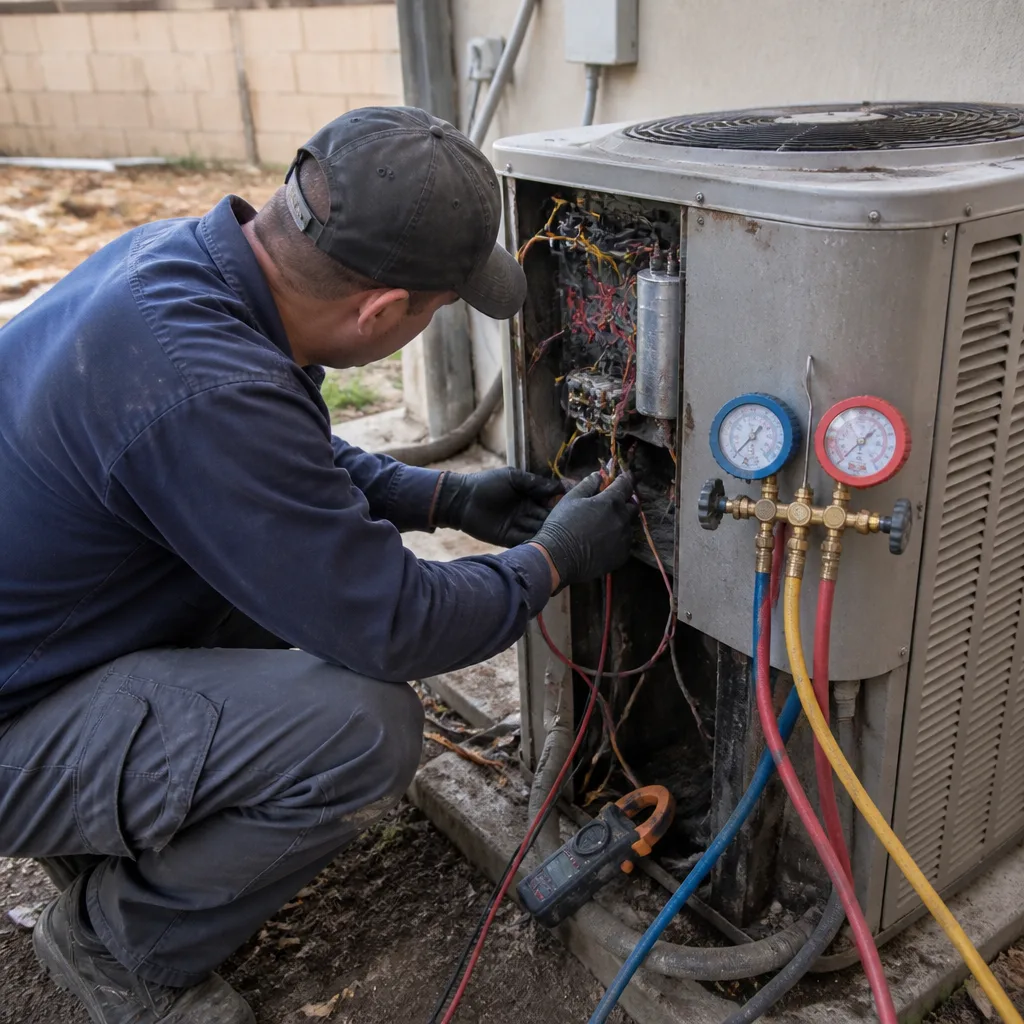 Before
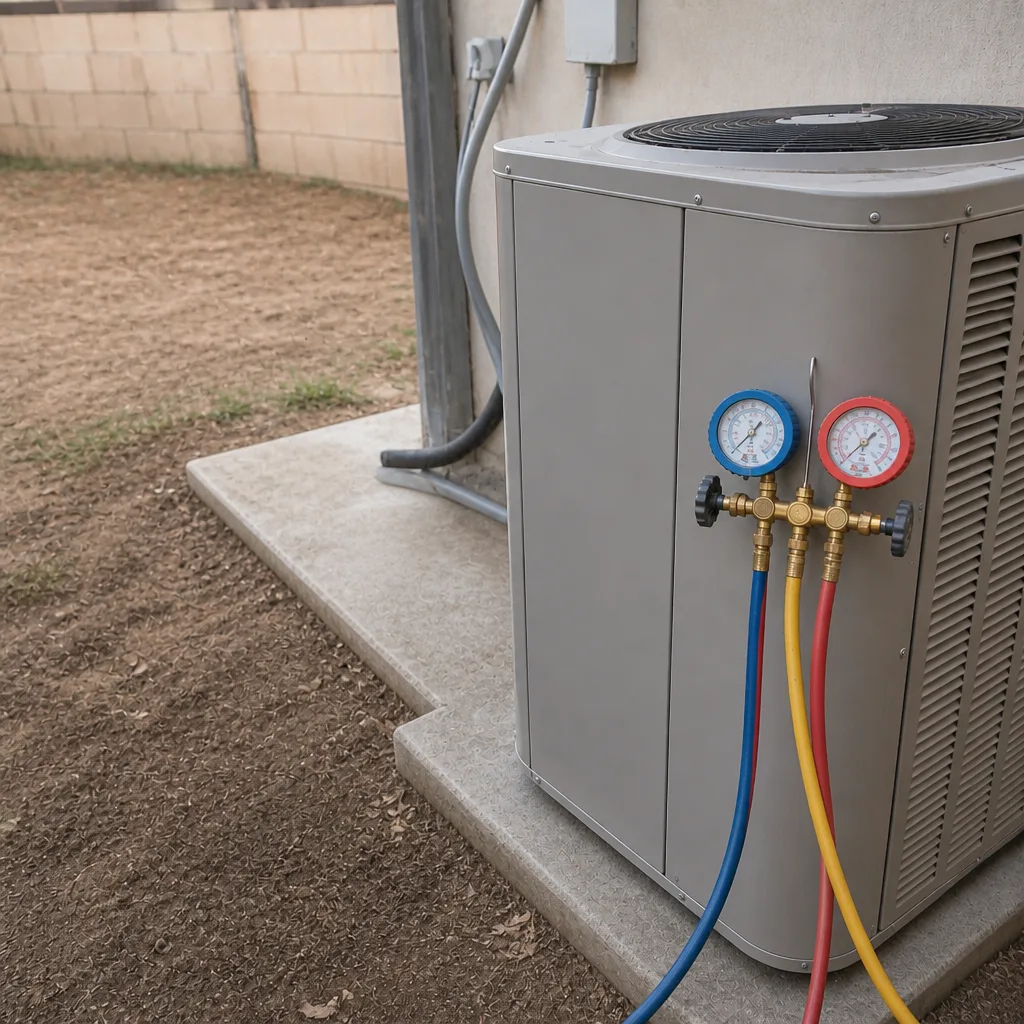 After
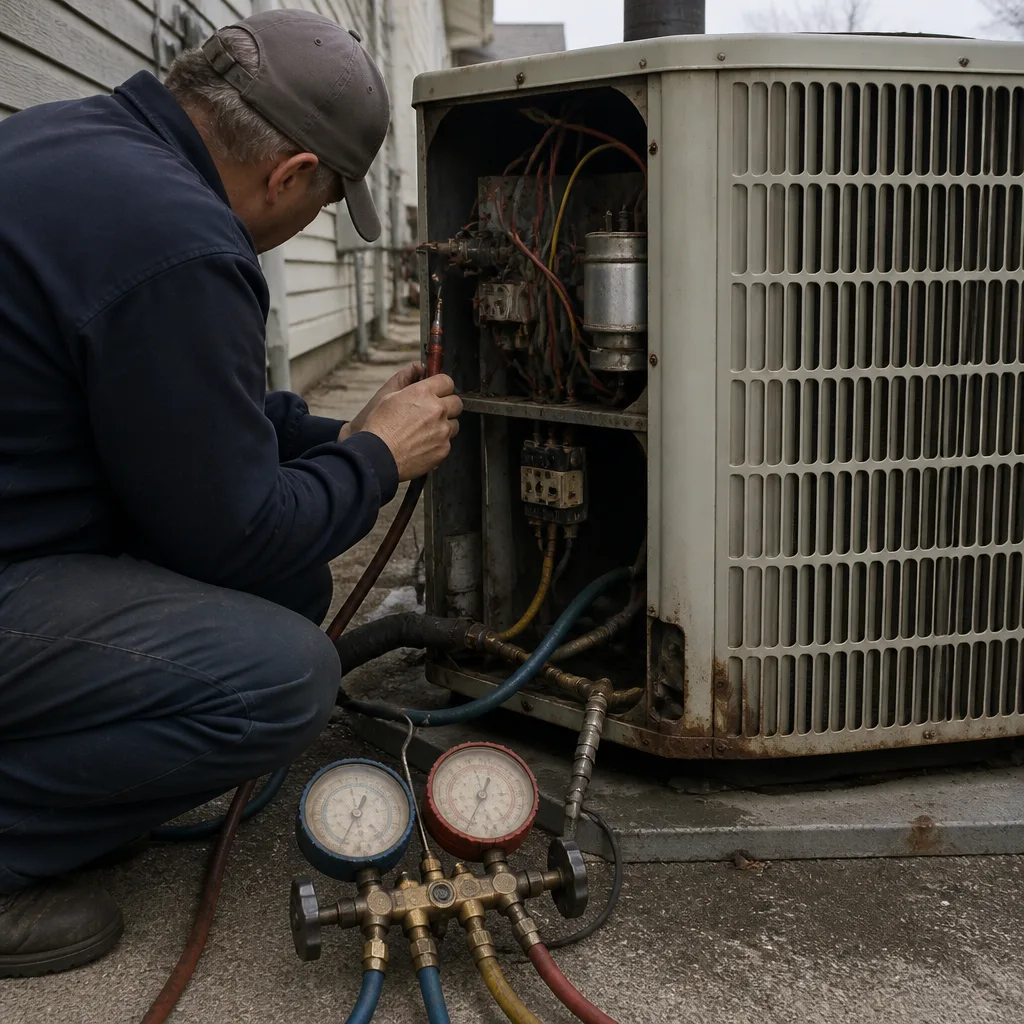 Before
 After
How to Improve Indoor Air Quality in Paradise, NV: Start on the Roof, Not at the Filter Aisle
If your apartment or condo is served by a packaged rooftop unit – and along Paradise Road and Flamingo it almost certainly is – the first indoor air quality fix is a clean, unobstructed evaporator coil on the roof, not a purifier plugged into a wall outlet. Those rooftop boxes pull outdoor air across a coil that bakes at 115°F-plus through July, and a dirty coil pushes dust, musty smells, and stale air straight back into your living room. Getting the coil cleaned and the shared-shaft risers sealed is what actually changes the air you breathe in Paradise. Call (855) 664-5714 if you’d rather have someone look than guess.
We’re Ray’s Heating & Air Paradise, and this is the short version of what we tell neighbors who ask. Most generic indoor air quality advice floating around online was written for suburban ranch houses with an attic air handler and a big return grille in the hallway. That is not what Paradise looks like. Here, the housing stock is mostly resort towers, 1970s-2000s apartment complexes, and condos running packaged rooftop equipment and fan-coil systems. Single-family homes are rare. So the playbook changes.
Key Takeaways
- The highest-return indoor air quality step in Paradise is a spring coil cleaning before the 105°F days arrive, not a gadget purchase.
- Shared-shaft risers in older Strip-area high-rises can move odors, smoke, and biological growth between units. Sealing the penetrations fixes it.
- MERV ratings have to match your specific blower. A too-restrictive filter on a 1980s packaged unit can freeze the coil.
- Static pressure readings come before any filtration recommendation. Always.
Why Rooftop Packaged Units Change the Whole indoor air quality Conversation
When your air handler lives in a metal box on the roof, that box is a heat-baked machine. On the east-side high-rises, condensers and cooling towers sit in reflected heat bouncing off glass facades and parking structures, so ambient temperatures run well above the official reading. The coil doesn’t just get dirty; it gets baked dirty. Dust, pollen, and lint cook onto the fins and turn into a breeding surface, and every cubic foot of air the blower pushes through picks up a little of that smell.
That’s why coil cleaning every spring – before the 105°F stretch – is the single highest-ROI indoor air quality step for anyone in Paradise. When the coil surface is clean, the unit dehumidifies and moves air the way it was designed to. When it’s fouled, you’re paying to recirculate the same stale, dusty air. This is the part most indoor air quality articles skip, because their authors have never stood on a Paradise roof in June.
For a look at the full range of ventilation and filtration work we handle, see our Air Quality & Ventilation services.
What Actually Works: A Comparison of indoor air quality Upgrades
Before you buy anything with a MERV number on the box, it helps to know what each upgrade actually does in a Paradise building – and what it costs. Different problems call for different fixes. Some are about filtration. Some are about airflow. Some are about the shared ductwork between you and the unit next door.
| Upgrade | What it solves | Typical Paradise cost |
|---|---|---|
| Spring coil cleaning | Dust, musty smell, seasonal allergies | $150-$350 |
| Riser penetration sealing | Odor and smoke transfer between units | $200-$500 |
| Filter upgrade (MERV-matched) | Fine particulate, pollen | $80-$200 plus filter |
| Whole-unit tune-up with filter | Baseline airflow and coil condition | $80-$200 |
| Fresh-air / ventilation balancing | Stale air, CO₂ buildup | Quoted after diagnostics |
Do the coil clean first, almost every time. The filtration upgrade only pays off once the coil can actually breathe.
What to Look for Before You Change Any Filter
A filter isn’t a knob you can just turn up. On a packaged rooftop unit, a MERV-13 filter looks like an obvious upgrade, but on a 1980s apartment unit it can starve the blower of airflow and freeze the coil in the summer. That’s a repair, not an improvement. So before we recommend any filtration change, Ray measures static pressure across the blower and checks the manufacturer’s spec for your specific box – whether it’s a Lennox, a Goodman, or a Rheem. Readings first, numbers second. You see both.
A few things to check before you spend a dollar on filtration:
- Look at the coil, not the filter first. If fins are matted with dust or the drain pan has slime, no filter will fix that.
- Check the unit’s rated MERV ceiling. Most residential packaged units are designed for MERV 8 to MERV 11, not 13.
- Listen for the blower. A whistle or a thinner stream of air at the registers is a sign your system is already fighting the filter you have.
- Look at riser penetrations in older high-rises. If you can see a gap where the pipe or duct passes through the floor, that’s the path smells travel.
- Note the date of last coil cleaning. If nobody remembers, it’s overdue.
None of that requires a truck. It does require that you don’t guess on step two. If you’re not sure what your blower is rated for, that’s the moment to stop and get it measured instead of buying a filter on hope.
The Shared-Shaft Problem Nobody Mentions
In the older Strip-area high-rises, risers and fan-coil systems run floor to floor through shared shafts. That’s efficient building design, and it’s also why the air from unit 8B can end up in yours. Smoke, cooking odors, and biological growth in a wet shaft don’t care about your filter. The fix is unglamorous and almost never mentioned in the generic indoor air quality advice you’ll read online, because those articles assume your neighbor’s air never touches yours.
Sealing the riser penetrations – the gaps where ducts and pipes pass through floors and ceilings – closes the transfer path. We check for those gaps on any indoor air quality call in a building along Paradise Road or Flamingo, and we schedule those visits before 10 a.m. during summer because rooftops become untouchable by afternoon and midday heat triggers high-pressure lockouts. If we find the problem, the 90-Day Done Right Promise covers the fix in writing. If the air still smells like the unit next door after we seal and clean, we come back.
When to Call in Help (and When You Can Do It Yourself)
Swapping a filter, checking for visible dust on a supply grille, or looking for a gap where a duct passes through a floor are all fine to handle yourself. So is replacing a clogged return grille. What we’d steer you away from is opening the rooftop box, spraying cleaner into a live coil, or attempting to work with refrigerant lines. Rooftop packaged units carry high-voltage connections, running compressors, and refrigerant under pressure. On a 110°F roof, that’s not a spot to learn by YouTube. A sealed-system refrigerant check needs a trained, licensed HVAC tech for good reason.
For anything beyond a filter swap, we recommend having it looked at. Getting to a Paradise rooftop is not the same as walking into a utility closet.
How Much Does It Cost to Improve indoor air quality in Paradise?
A spring coil cleaning in Paradise typically runs $150 to $350, a full tune-up with a filter change lands between $80 and $200, and sealing riser penetrations in an older high-rise runs $200 to $500 depending on how many gaps there are. Filtration upgrades add the filter cost on top of a $80-$200 diagnostic visit. All of this is upfront. You see the readings and the numbers before any work begins. If you’re near the Strip and want a quote, call (855) 664-5714 – we offer a Free Second Opinion on any written estimate.
FAQs
Have your rooftop unit’s coil cleaned before the 105°F days hit. In a Paradise apartment, the coil – not the filter – is usually the source of musty smell and airborne dust, because the unit is pulling outdoor air across a surface that’s been baking all year. A single coil cleaning often changes the smell in the unit within a day.
Probably not on a 1980s packaged unit. That filter is too restrictive for many older blower setups, and it can drop airflow enough to freeze the coil, which turns into a repair costing more than the filter saved. We measure static pressure first and match the MERV rating to your specific box – Goodman, York, Rheem, or any other brand.
Because your building likely has shared-shaft risers with unsealed penetrations. In older Strip-area high-rises, air passes floor to floor through gaps around ducts and pipes. Sealing those penetrations closes the path. That’s a specific fix most indoor air quality advice skips.
Do low humidity and desert climate change how Air Quality & Ventilation in Paradise should be handled?
Yes – Paradise’s low humidity means dust and fine particulate stay suspended in the air much longer than they would in a humid climate, so airborne grit tends to linger. That makes coil cleanliness and matched filtration more important here than in wetter regions, not less. See our Air Quality & Ventilation in Paradise page for the full treatment.
Contact Ray’s Heating & Air Paradise
If you’d rather have it looked at than guess, Ray’s Heating & Air Paradise offers a no-pressure assessment in Paradise – call (855) 664-5714 for a free estimate. Phones are answered by a live person around the clock. Every heating and cooling job, indoor air quality included, carries the 90-Day Done Right Promise in writing. Learn more from our home page or ask about our Air Quality & Ventilation services today.
Written by the team at Ray’s Heating & Air Paradise.