
Last updated November 18, 2026
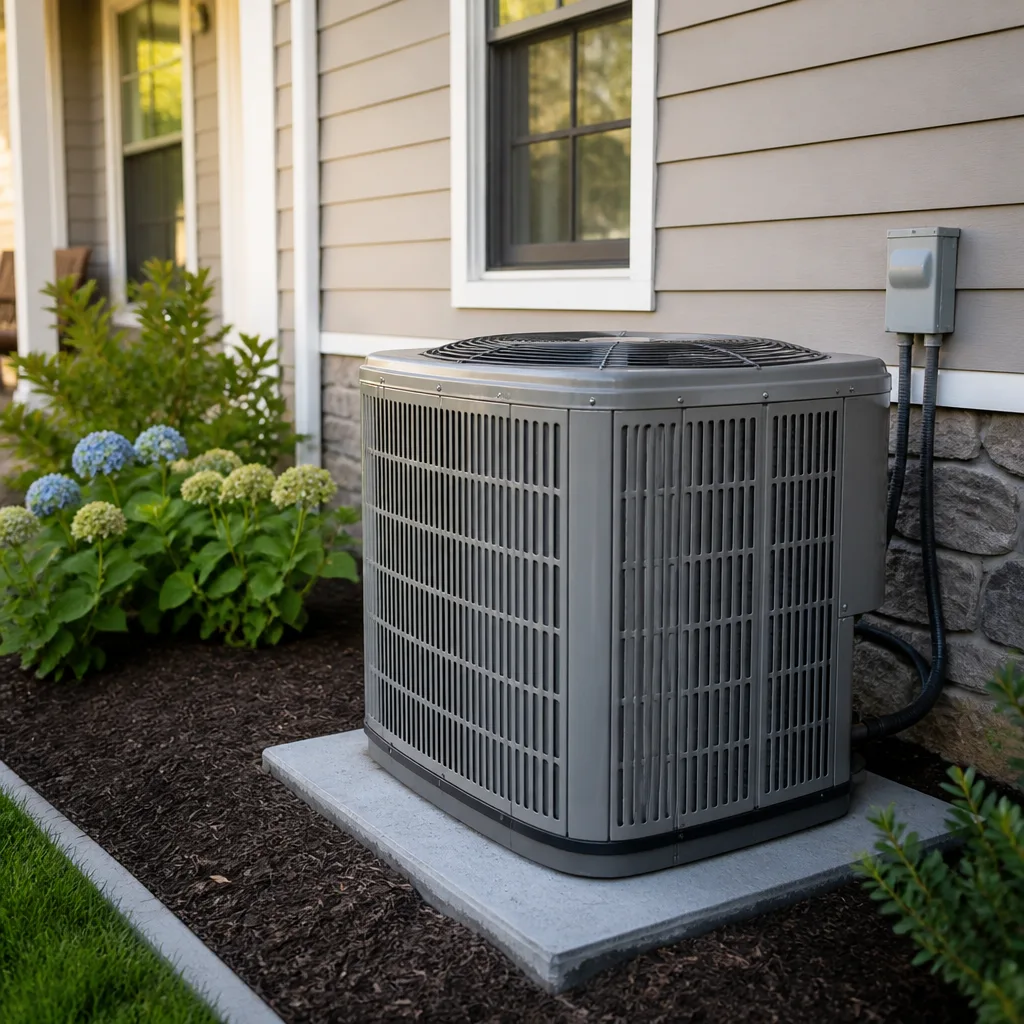 AC repair
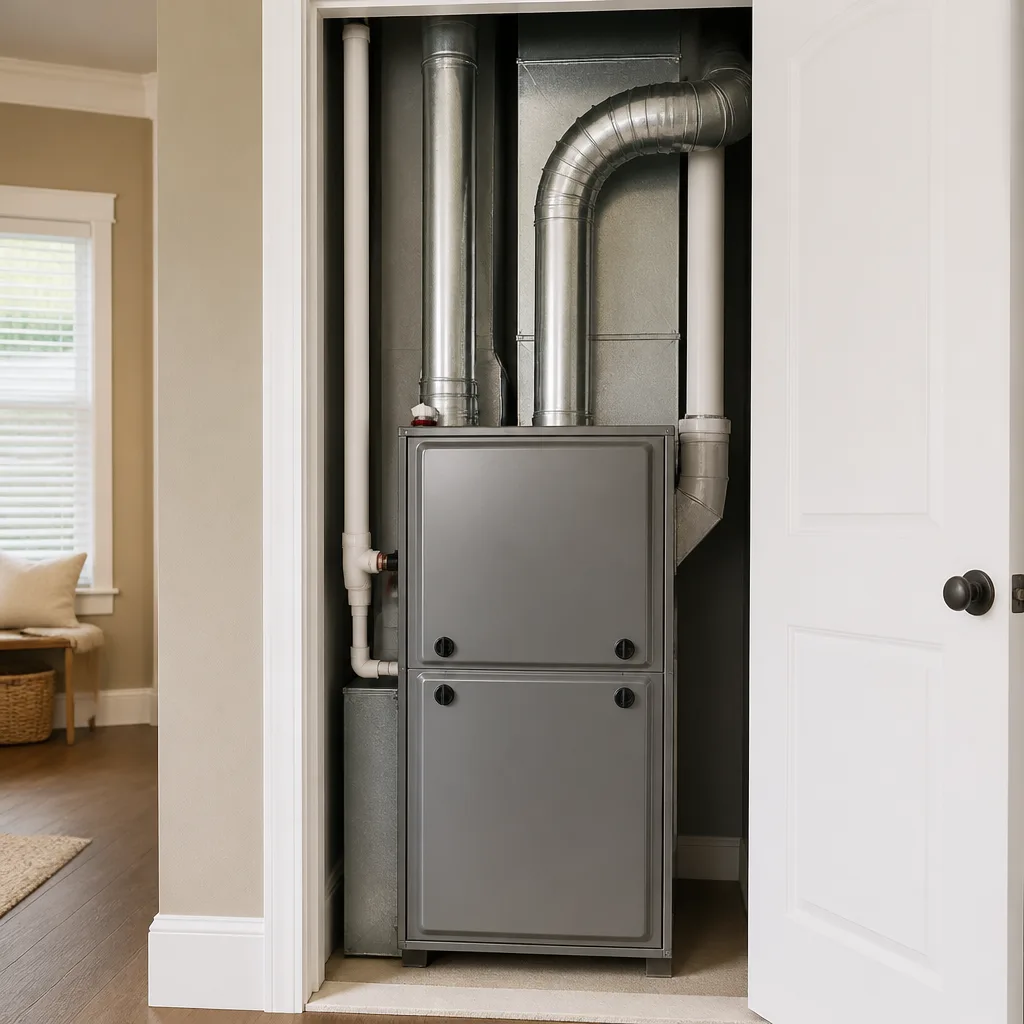 Furnace & heating
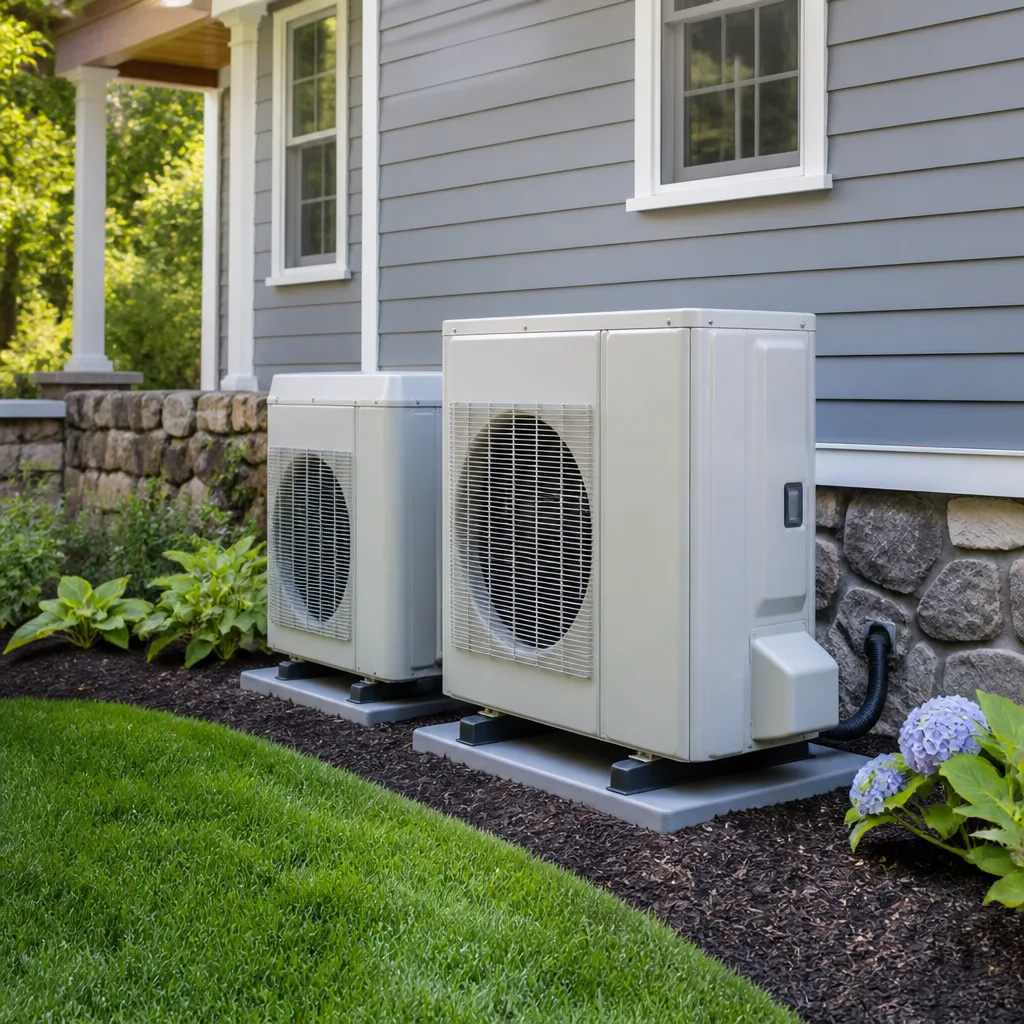 Heat pumps
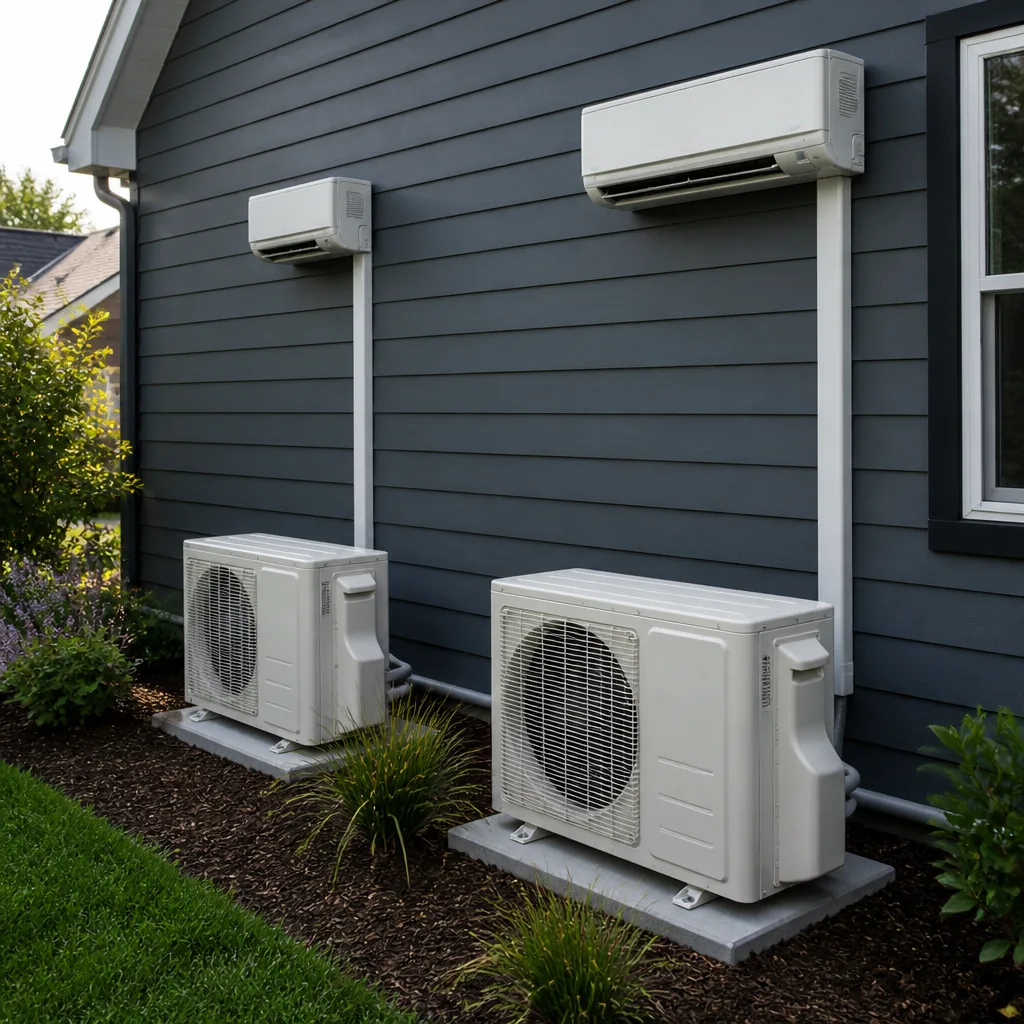 Ductless mini splits
 Carrier
 Trane
 Goodman
Seasonal tune-up and full diagnostic on your Carrier, Trane, or Goodman system - readings shown to you before any repair is proposed
Diagnosis first, numbers second - you approve the repair price before a single part goes in.
Get your free estimateThe Complete Air Quality & Ventilation Guide for Paradise Homeowners
Here’s the paradox we run into constantly in Paradise: people seal their houses up tight against 110-degree July afternoons, crank the AC, and then can’t figure out why their allergies are worse inside than they were out on the patio. A tightly sealed home with no active ventilation doesn’t stay clean – it becomes a closed box that collects dust, cooking fumes, pet dander, and whatever off-gassed from the new flooring. Paradise has three outdoor air problems that make this worse than it would be in most towns, and the fix isn’t a single gadget. This guide walks through what’s actually in your air, which filters and systems address which problem, and how to test your own home before you spend a dollar on equipment.
Quick Answer
Indoor air in Paradise is usually a mix of Mojave dust, wildfire smoke that drifts in from California corridors, and fine construction particulates from ongoing valley development – all pulled into tightly sealed homes running closed-loop air conditioning. The fix is two-part: filtration rated correctly for your specific system (not the highest MERV number you can find), plus actual fresh-air exchange through a dedicated ventilator or a properly sized mini split with outdoor air intake. Test your air first with a $30 particulate monitor and a cheap CO2 meter; only call for a professional assessment when those readings stay elevated after basic filter changes.
Styles & brands we work with
- AC repair
- Furnace & heating
- Heat pumps
- Ductless mini splits
- Carrier
- Trane
- Goodman
Table of Contents
- The Three Outdoor Air Problems in Paradise
- Which Filtration Addresses Which Problem
- Why MERV Ratings Work Differently in Ducted Systems vs. Mini Splits
- What Ventilation Actually Means in a Tight Paradise Home
- The Honest Case For and Against Air Purifiers, UV, and Ionizers
- How to Test Your Own Air Before Buying Equipment
- Humidity, Dust, and the Desert Climate Factor
- Common Mistakes to Avoid
- When to Call a Professional
The Three Outdoor Air Problems in Paradise
Before we talk equipment, it helps to know what’s actually landing on your windowsill. Paradise sits in a bowl of Mojave Desert that catches three distinct pollutant streams, and each one responds to a different control strategy.
1. Mojave dust and desert particulate
The fine dust that comes off the desert floor and the valley’s graded lots is mostly in the 2.5 to 10 micron range – small enough to stay airborne for hours and small enough to lodge in your upper airways. It’s alkaline, it’s abrasive, and it collects on evaporator coils. In our experience, homes on the east side of Paradise near open desert lots see coil fouling twice as fast as homes tucked into mature neighborhoods. Filtering this requires a filter that actually captures particles in the 3 to 10 micron band without strangling airflow.
2. Wildfire smoke from California corridors
The smoke that drifts over the mountains from California fires is a different animal – it’s mostly sub-micron particulate (PM2.5 and smaller), and it carries volatile organic compounds that give it that acrid smell. A standard pleated filter catches some of it. A high-quality MERV 13 or a standalone HEPA unit catches nearly all of it. During fire season, this is the pollutant that drives emergency room visits, and it’s the one that penetrates a sealed house fastest because sub-micron particles slip through every gap.
3. Construction particulates from valley development
Ongoing development across the valley kicks up silica dust, concrete dust, and drywall particulate – all of which are more chemically reactive than plain desert dust. Silica in particular is a known respiratory irritant, and it settles into ductwork where it accumulates for years. If you live near an active build site, your return-air grille is likely catching a visible layer of fine gray powder within a week of cleaning.
Quick reference: which filter addresses which problem
| Pollutant | Size Range | Best Control |
|---|---|---|
| Desert dust | 2.5 – 10 microns | MERV 8 – 11 pleated filter, regular replacement |
| Wildfire smoke (PM2.5) | Under 2.5 microns | MERV 13 or standalone HEPA, plus ventilation closure |
| Construction silica/drywall | 1 – 10 microns | MERV 11 – 13 plus duct cleaning if accumulation is visible |
| VOCs and odors | Gas-phase | Activated carbon filter or dedicated ventilation |
Which Filtration Addresses Which Problem
Here’s the common mistake we see: a homeowner reads that MERV 13 filters capture smoke, buys a box of them, drops one into a return grille sized for a MERV 8, and then wonders why the house never cools. That’s the wrong filter doing the wrong job. A filter’s MERV rating is only half the story – the other half is whether your blower can push enough air through it.
A filter works by forcing air through a dense media. The denser the media, the finer the particles it catches, but the more static pressure it adds to the system. Every air handler is designed for a specific range of static pressure. Put a filter in that’s too dense, and airflow drops, the coil ices up, the compressor works harder, and the system runs longer while delivering less cooling. In a Paradise summer, that matters more than in a milder climate because the system never gets a break.
What works in practice:
- Standard 1-inch return grille: stay at MERV 8 – 11. A 1-inch MERV 13 pleated filter is too restrictive for most residential blowers and will cost you airflow and money.
- 4-inch or 5-inch media cabinet: MERV 11 – 13 is safe because the deeper pleat gives more surface area, so the pressure drop stays within design range.
- Return plenum with an oversized grille: can often take MERV 13 in a 1-inch if the grille is deliberately oversized – have the static pressure measured before you assume.
- Standalone HEPA units: capture sub-micron smoke without any impact on your HVAC system. Best option for fire season if you don’t want to touch the ducted filter.
If you’re not sure what your system can take, the honest answer is a static pressure test – takes about 15 minutes with a manometer and tells you exactly what the blower is doing with the filter you’re using. We’ve seen systems that handle MERV 13 fine and systems in the same neighborhood that can’t handle MERV 11 without a pressure problem. There’s no substitute for measuring.
Why MERV Ratings Work Differently in Ducted Systems vs. Mini Splits
A ducted central system and a ductless mini split filter air in two completely different ways. With a central system, every cubic foot of air passes through one filter location – usually the return grille or a media cabinet near the air handler. That’s a concentrated point of control, which is convenient but also means the filter has to be sized for the whole blower’s airflow. A ductless mini split doesn’t share a filter location. Each indoor head has its own small washable mesh screen, and the air that passes through that head is filtered, but the air in the rest of the room is not.
This matters for Paradise homeowners because a lot of newer construction and additions here use mini splits for efficiency. If your house is entirely mini splits, there’s no single ducted filter to upgrade – you’re relying on each head’s washable screen plus whatever standalone filtration you add. That’s fine, but it changes the strategy. Run the mini splits on fan-only during dusty periods to keep air circulating through the mesh screens, clean those screens every two to four weeks during fire season, and add a standalone HEPA unit in the bedroom and main living area for sub-micron capture.
If the house is a mix – ducted for the main area and a mini split in the addition – you’ll want to handle each zone separately. Upgrading the ducted filter doesn’t help the mini split zone, and a HEPA unit in the addition doesn’t clean the air the main system is circulating. For a fuller breakdown of how the two systems compare in this climate, see our Heat Pump & Mini Split in Paradise page.
What Ventilation Actually Means in a Tight Paradise Home
Air movement is not the same thing as air exchange. A ceiling fan moves the same air in a circle. It doesn’t bring in fresh air, and it doesn’t vent stale air out. In fact, a running ceiling fan in a sealed room can make indoor air quality worse by stirring up settled dust into the breathing zone.
Fresh air exchange is what a tight home actually needs. Builders today seal homes to tight standards to keep the cooling in – which is the right call for energy bills – but a house built to modern tightness without a dedicated ventilator becomes a trap for whatever off-gasses inside. Cooking, cleaning products, furniture finishes, and even the finish on new flooring all release volatile organic compounds into a space with no exit.
There are three legitimate ventilation approaches for a Paradise home:
- Energy Recovery Ventilator (ERV): brings in fresh outdoor air and exhausts stale indoor air through a core that transfers heat between the two streams. In summer, the incoming 105-degree air gets cooled by the outgoing conditioned air before it enters the house. Costs roughly $1,800 – $3,200 installed depending on home size and duct routing.
- Heat Recovery Ventilator (HRV): similar, but transfers heat only, not moisture. Better for arid climates than humid ones. In Paradise’s low humidity, an HRV works fine, but an ERV handles the moisture side more gracefully during monsoon weeks.
- Bath and kitchen exhaust, properly ducted: a range hood vented to the outside (not recirculated) and bath fans ducted to the roof are the cheapest ventilation upgrade. They move a surprising amount of air. The key is that they have to actually vent outside – a recirculating range hood is just a fan with a filter that catches grease and puts everything else back into the room.
Ceiling fans have a place, and that place is comfort, not ventilation. Run them to stay comfortable at a higher thermostat setting, keeping them off when the room is empty. Don’t count them as part of your air quality strategy.
The Honest Case For and Against Air Purifiers, UV, and Ionizers
Every sales sheet you’ll see for an “air purification system” claims to remove 99.9% of contaminants. Here’s what the actual research says, and where the claims get shaky.
Standalone HEPA purifiers
The case for: a properly sized HEPA unit (matched to the square footage of the room) measurably reduces PM2.5 in a closed room. During a smoke event in Paradise, a HEPA unit in the bedroom is genuinely valuable. The research here is solid and repeatable – sub-micron capture is what HEPA does, and it does it well.
The case against: HEPA units are per-room appliances. A single $400 unit in a 2,000-square-foot house only cleans the room it’s in. You’d need one in every bedroom and living space for whole-house coverage, which gets expensive. And the “CADR” number on the box assumes the unit is running at maximum, which is loud. Factor in that you’ll only run it on high when you need it and accept the noise.
UV-C systems (in-duct)
The case for: UV-C lamps installed inside a duct or air handler can reduce microbiological growth on wet surfaces, specifically the evaporator coil. In a Paradise summer when the coil runs wet for months, that’s a real benefit.
The case against: UV-C does not disinfect the air moving through the duct – the contact time is too short. Studies consistently show that without extended exposure, UV doesn’t kill airborne viruses at the airspeed a residential blower moves. The system’s best use is coil hygiene, not air disinfection. We recommend it as coil maintenance, not air purification, and don’t let a salesperson tell you otherwise.
Ionizers and plasma units
The case for: they’re sometimes cheaper than HEPA and can reduce odors.
The case against: ionizers and plasma air cleaners work by producing ions or small amounts of ozone that react with pollutants. The problem is that some units produce enough ozone to be a respiratory irritant in their own right, and the reaction byproducts are not always more benign than the pollutants they started with. Consumer-reports testing has found some units exceeding California’s ozone limits. If you use one, choose a unit independently verified as ozone-free. We generally steer homeowners away from in-duct ionizers because the benefit is unclear and the byproduct risk isn’t.
For the ducted-system side of the picture, including how air quality work pairs with fresh installation or replacement, our AC Repair & Installation in Paradise page covers the equipment side. Every job we do carries the 90-Day Done Right Promise: if it’s not done right, we make it right, one call sends Ray back.
How to Test Your Own Air Before Buying Equipment
Before you spend $400 on a purifier or $2,500 on an ERV, get data. The good news is that useful air quality testing is now affordable and, for the first tier of assessment, doesn’t require a professional.
The cheap tools (under $150 total)
- Particulate monitor ($60 – $150): a handheld unit that reads PM2.5 and PM10 simultaneously. Take a reading with windows closed and the HVAC running, then with the HVAC off, then outside. If indoor readings fall when the HVAC runs, your filter is doing its job. If indoor readings are higher than outside, your house is trapping dust and you need better filtration or ventilation.
- CO2 meter ($40 – $80): not for outdoor air pollution, but for ventilation. If CO2 readings climb above 1,000 ppm in a room with the door closed and the HVAC running, that’s a sign the room has no fresh-air exchange. Above 1,500 ppm means it’s genuinely stuffy and the room needs ventilation.
- Filter check: pull your filter (or mini split mesh screen) and hold it up to the light. If less than 40% of the light comes through, it’s loaded. If you’re at 30 days or more with a MERV 8 filter in summer, it’s probably time.
The free indicators
- Coil visibility: pull the access panel and look at the evaporator coil. Visible mat of gray dust = accumulation problem.
- Window condensate: heavy condensation on the inside of north-facing windows during cooling season can signal high indoor humidity, which drives mold risk.
- Dust on the return grille: a fine gray layer within a week of cleaning tells you the filter is undersized or in the wrong place.
- Smell in the morning: if the house smells stale first thing in the morning, the overnight ventilation doesn’t exist or the AC has been running without fresh air exchange.
When you actually need a professional assessment
Call for a professional IAQ assessment if: your particulate readings stay above 35 µg/m³ (PM2.5) with windows closed and the HVAC running, you have a mold-visible area, someone in the house has asthma or chronic respiratory trouble, or you’re about to install a new system and want the ductwork evaluated before equipment goes in. A professional assessment typically runs $250 – $500 and includes a blower door test, duct leakage measurement, and a written report you can actually use.
Humidity, Dust, and the Desert Climate Factor
Paradise’s climate is dry most of the year. Humidity typically stays under 30% except during monsoon weeks in July and August, when it can spike. That low humidity is good news for mold and pest control, but it does have a subtle effect on how dust behaves. Dry air keeps fine particles airborne longer. In a humid climate, dust settles faster and gets trapped in the carpet more readily. Here in Paradise, it hangs – so a home that’s running cool, dry air 24/7 keeps that fine dust suspended where you breathe it.
Running a cold-mist or evaporative humidifier raises humidity but also raises the risk of the humidifier itself becoming a breeding ground if the reservoir isn’t cleaned weekly. If you want to manage dust through humidity control, a better move is a whole-home steam humidifier that keeps indoor humidity in the 35 – 45% range. That’s enough to help with dry-air symptoms and enough to encourage dust to settle without creating a mold-friendly environment. Whole-home humidifiers run roughly $750 – $1,500 installed, depending on whether you go steam or bypass.
Cooling side note: our Heating & Furnace in Paradise and Ray’s Heating & Air Paradise home pages cover the heating and air conditioning side of the house in more detail. Air quality work and HVAC work overlap constantly – a system that’s short-cycling or a coil that’s fouled doesn’t just cost energy, it degrades everything downstream.
Common Mistakes to Avoid
- Buying the highest-MERV filter your grille accepts. A 1-inch MERV 13 filter in a system designed for MERV 8 will restrict airflow and cost you cooling capacity. The filter rating that matters is the one your system can actually push air through.
- Assuming a ceiling fan is ventilation. Ceiling fans stir air, they don’t exchange it. If your house feels stale, running another fan won’t fix it.
- Trusting the “99.9% removal” claim on a box. Nearly every air purifier box has that claim, and it’s measured under a single test condition that rarely matches your house. Look for the actual CADR rating for the room size you’re in.
- Skipping the filter change during smoke events. When California smoke drifts into Paradise, the filter loads much faster than usual. Change it after the smoke clears, not on the standard 90-day schedule.
- Putting an ionizer in a house with respiratory-sensitive residents. Ozone byproducts can worsen asthma and COPD symptoms. If someone in the house has respiratory trouble, skip ionizers entirely.
- Assuming a mini split’s washable screen is a full filter. The mesh screen on a mini split head catches large debris only. Fine dust and sub-micron smoke pass straight through.
- Neglecting ductwork itself. Even a good filter can’t clean air moving through ducts caked with years of settled dust. In Paradise, ducts near active construction areas accumulate faster than in other towns.
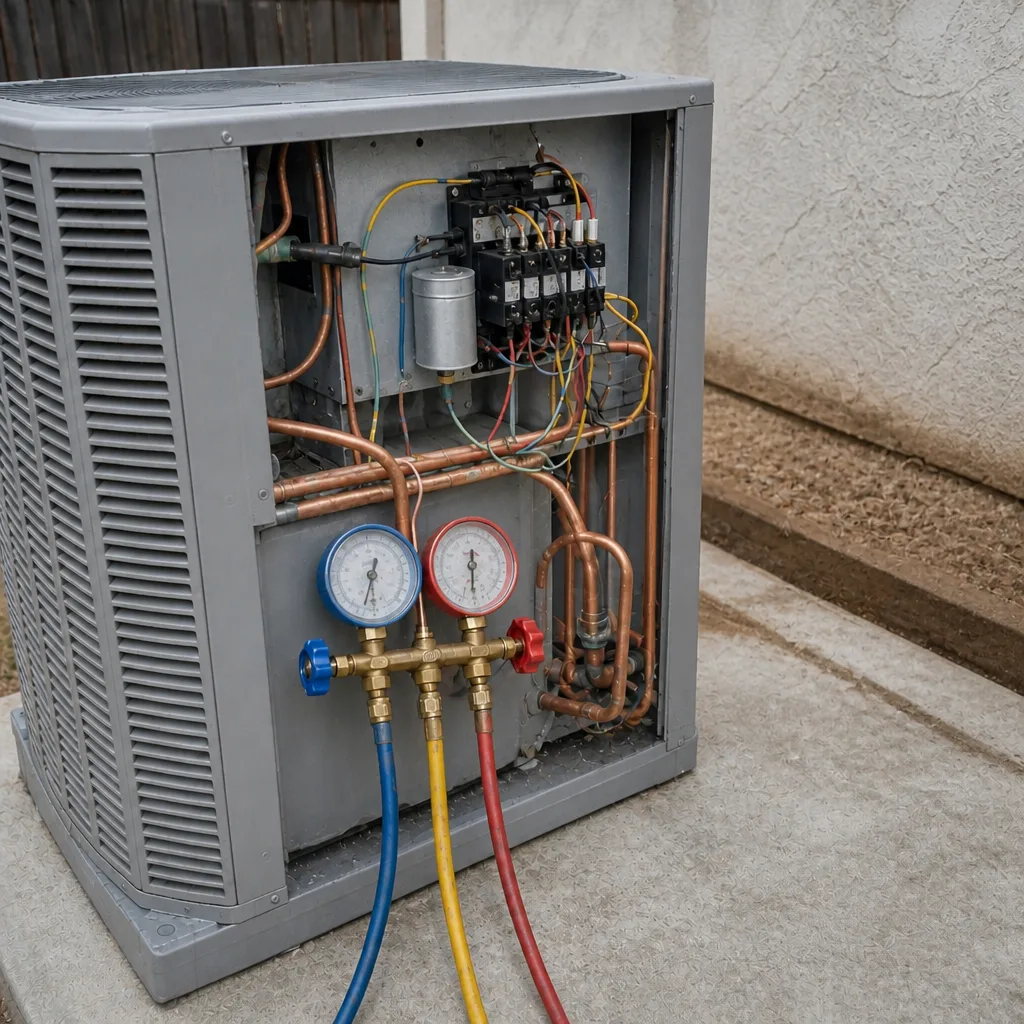
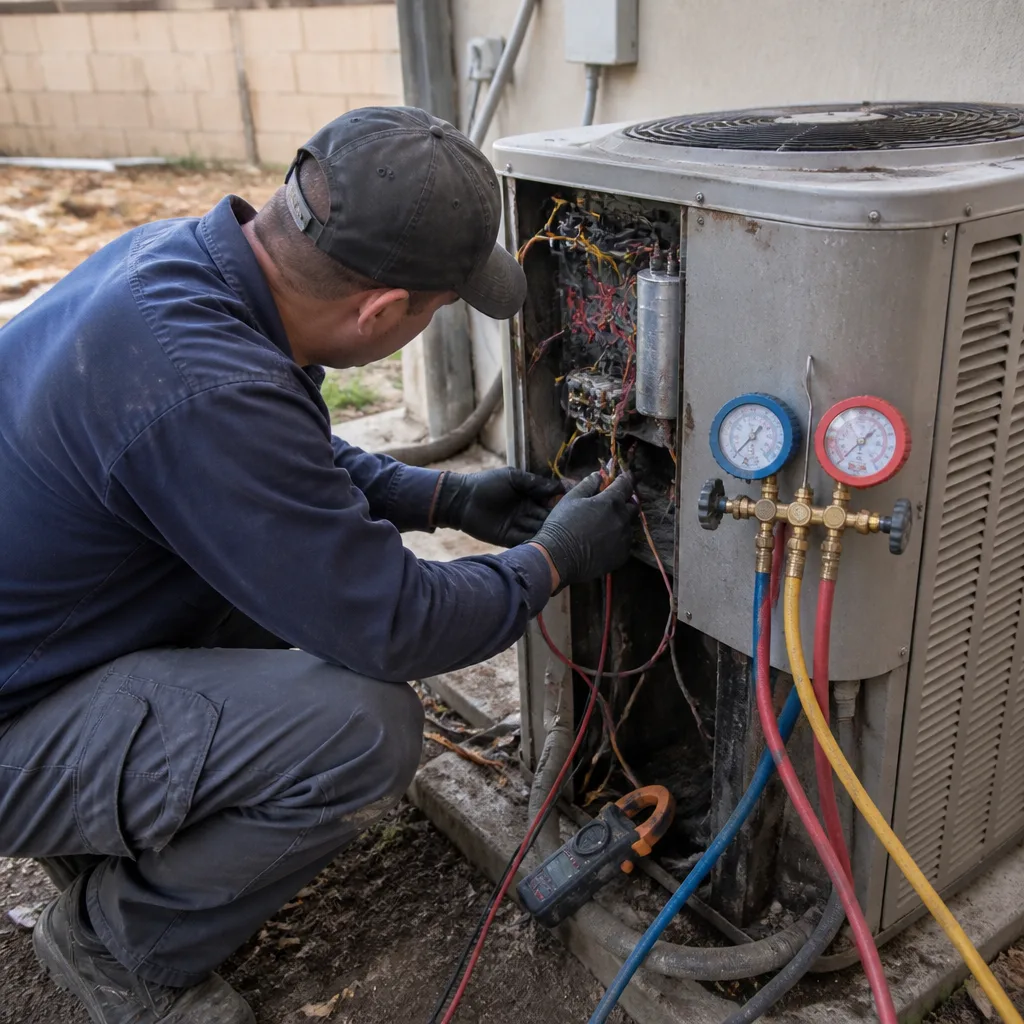
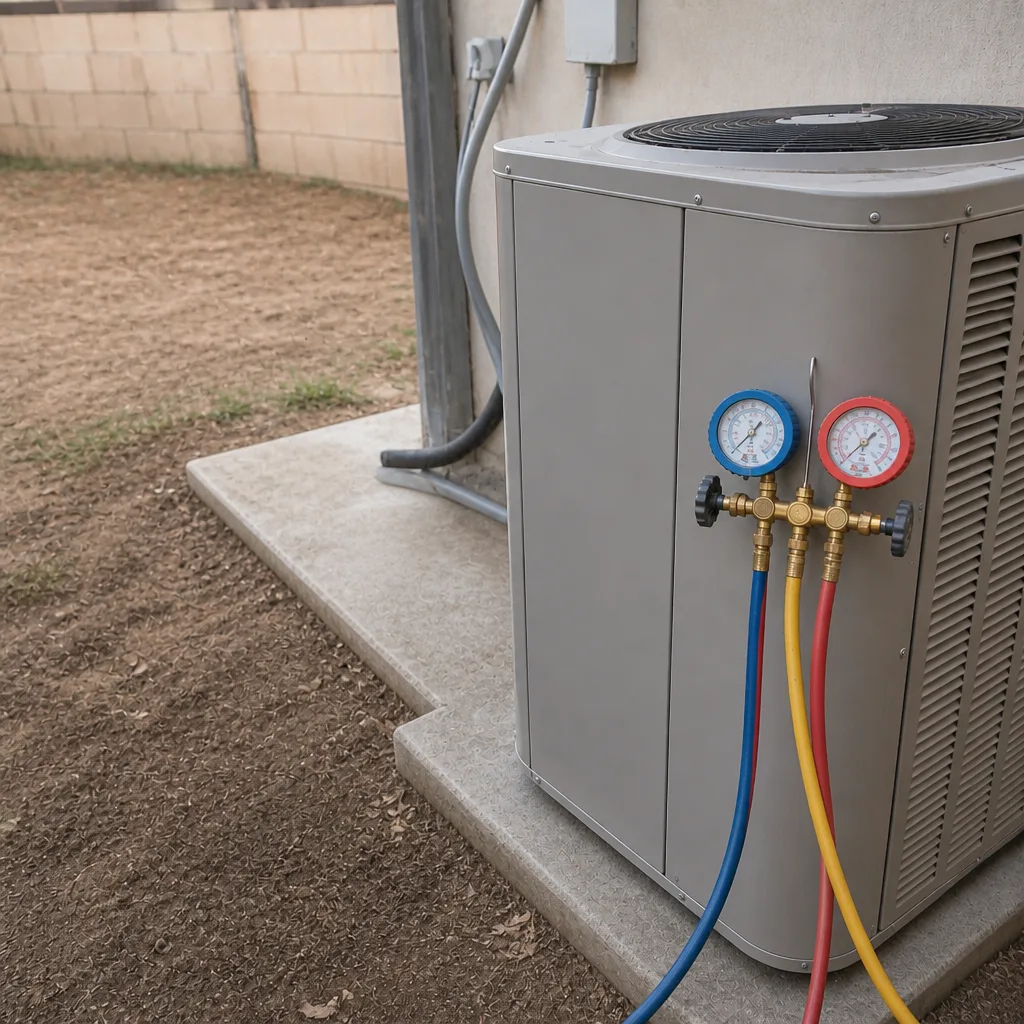
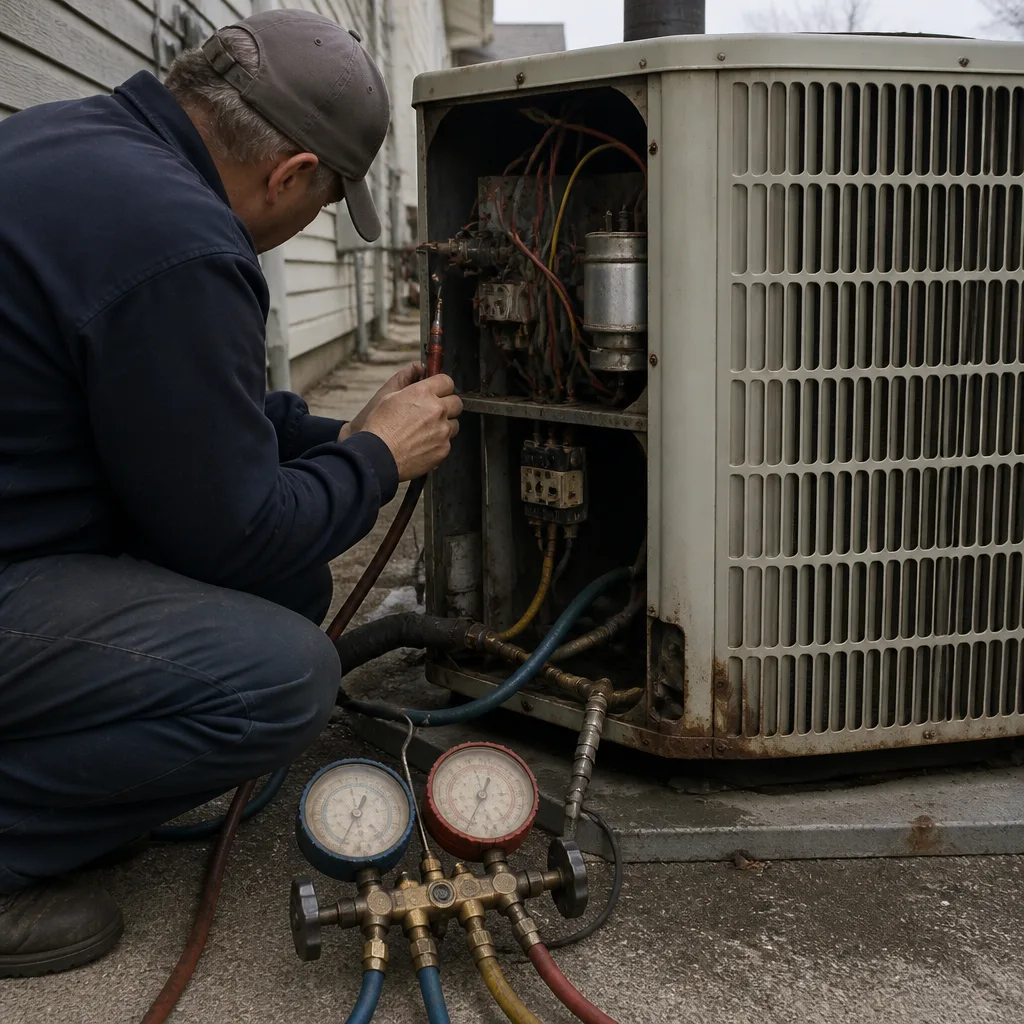
See the difference
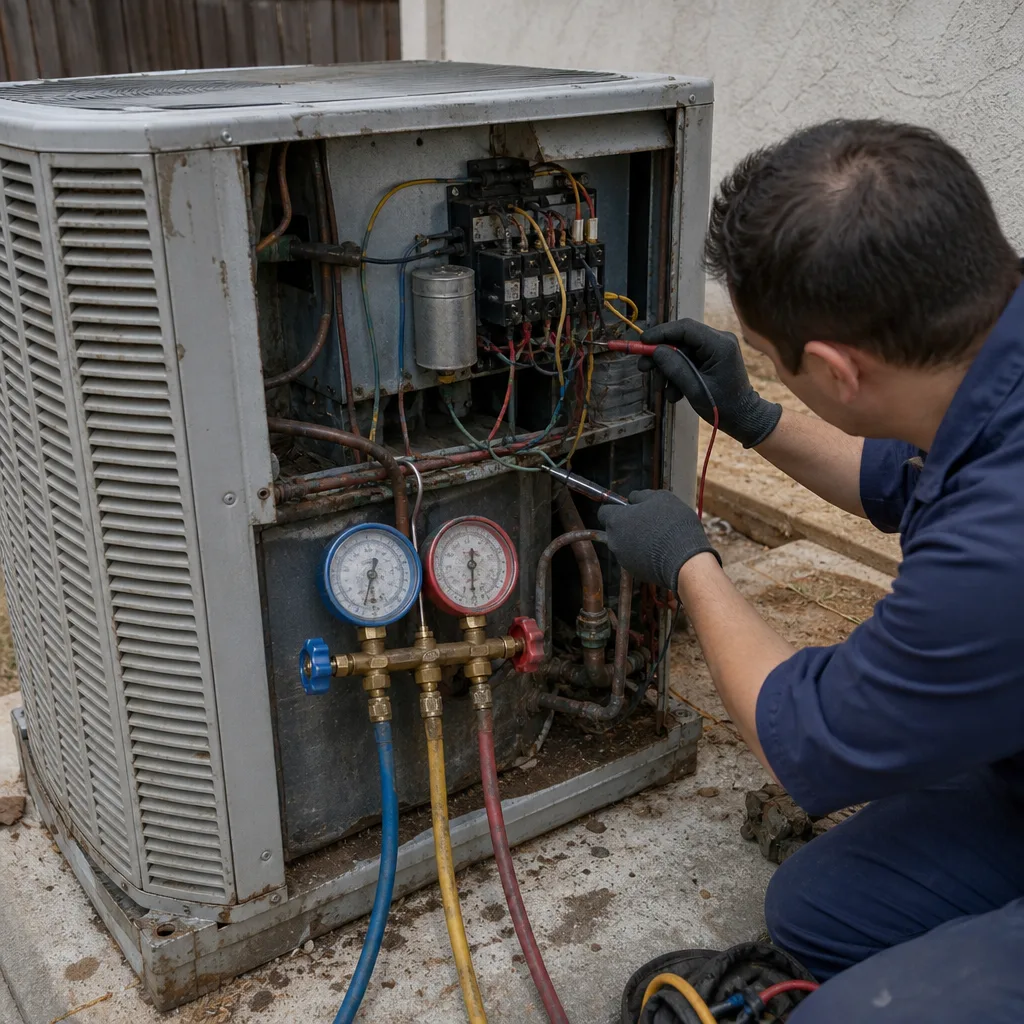 Before
 After
 Before
 After
 Before
 After
When to Call a Professional
Some air quality problems are homeowner-fixable (filter swaps, mini split screen cleaning, standalone HEPA placement). Others need eyes on the actual system. Call us when: your particulate monitor reads high indoors than outdoors with the HVAC running; you have visible mold or persistent musty smell; someone in the house has asthma or COPD and is getting worse indoors; you’re about to install or replace a system and want duct leakage and static pressure measured first; or you’ve done all the DIY steps and your readings haven’t moved. Ray’s Heating & Air Paradise offers free estimates in Paradise – call (855) 664-5714. We test the readings before we quote any repair, and you’ll see the numbers before we recommend a single piece of equipment.
Frequently Asked Questions
Not necessarily. For most Paradise homes, correct filter sizing plus a bathroom and kitchen exhaust that actually vents outside covers the basics. A whole-home HEPA bypass or an in-duct UV system becomes worthwhile when you have a documented particulate problem that filters alone don’t fix, or when a household member has respiratory sensitivity. Test before you buy.
For a standard 1-inch return grille, MERV 8 – 11 is safe; for a 4- or 5-inch media cabinet, MERV 11 – 13 is safe because the deeper pleat keeps static pressure low. If you want MERV 13 in a 1-inch grille, have static pressure measured first – a lot of systems can’t handle it. Ask anyone on your street with a newer system: the 4-inch cabinet takes the higher rating, the 1-inch grille usually doesn’t.
Because a tightly sealed home traps whatever gets inside. Cooking, cleaning products, furniture finishes, dust from the ducts, and dust pulled in through gaps all stay in the box. Paradise’s outdoor air has its own problems (Mojave dust, California wildfire smoke, construction particulate), but once those pollutants get inside a sealed house, they concentrate rather than disperse. Filter and ventilate to fix this.
For coil hygiene, yes – UV-C light on the evaporator coil reduces biological growth on wet surfaces, and that’s a real benefit in a long Paradise cooling season. For whole-system air disinfection, no – the contact time is too short for a moving airstream. Buy it as maintenance, not as a virus killer.
Every 30 days during active smoke events if you have a 1-inch pleated filter, since the loading rate is much higher than normal. Pull it out and hold it to the light – if less than 40% of the light comes through, it’s loaded. After the smoke event ends, change it again to clear the accumulated sub-micron material rather than letting it sit in the return.
No. A mini split filters air only through its own head-mounted mesh screen, which catches large debris but lets fine dust and sub-micron particles through. If your whole house is mini splits, plan on standalone HEPA filtration for smoke season and run the mini splits on fan during dusty periods to keep air moving through the mesh. For more on how the systems compare, see our heat pump & mini split guide.
The Bottom Line
Paradise homes have a real air quality problem, and it’s mostly a product of two things: desert-derived outdoor particulate and tight modern construction with no fresh-air exchange. Filter correctly for your specific system, ventilate with something that actually exchanges air (ERV, HRV, or a range hood that vents outside), and test before you spend on expensive equipment. Three specific strategies cover the three pollutant types, and none of them involve buying the most expensive box on the shelf. Fix the filtration first, then ventilation, then add standalone HEPA for smoke season.
If you want a real read on your air quality in Paradise, the readings come first and the numbers second. Call Ray’s Heating & Air Paradise at (855) 664-5714 for a free estimate. A live person answers every call around the clock, and the same face who came out is the one who’ll answer when you call back.
Written by the team at Ray’s Heating & Air Paradise.