
Last updated November 18, 2026
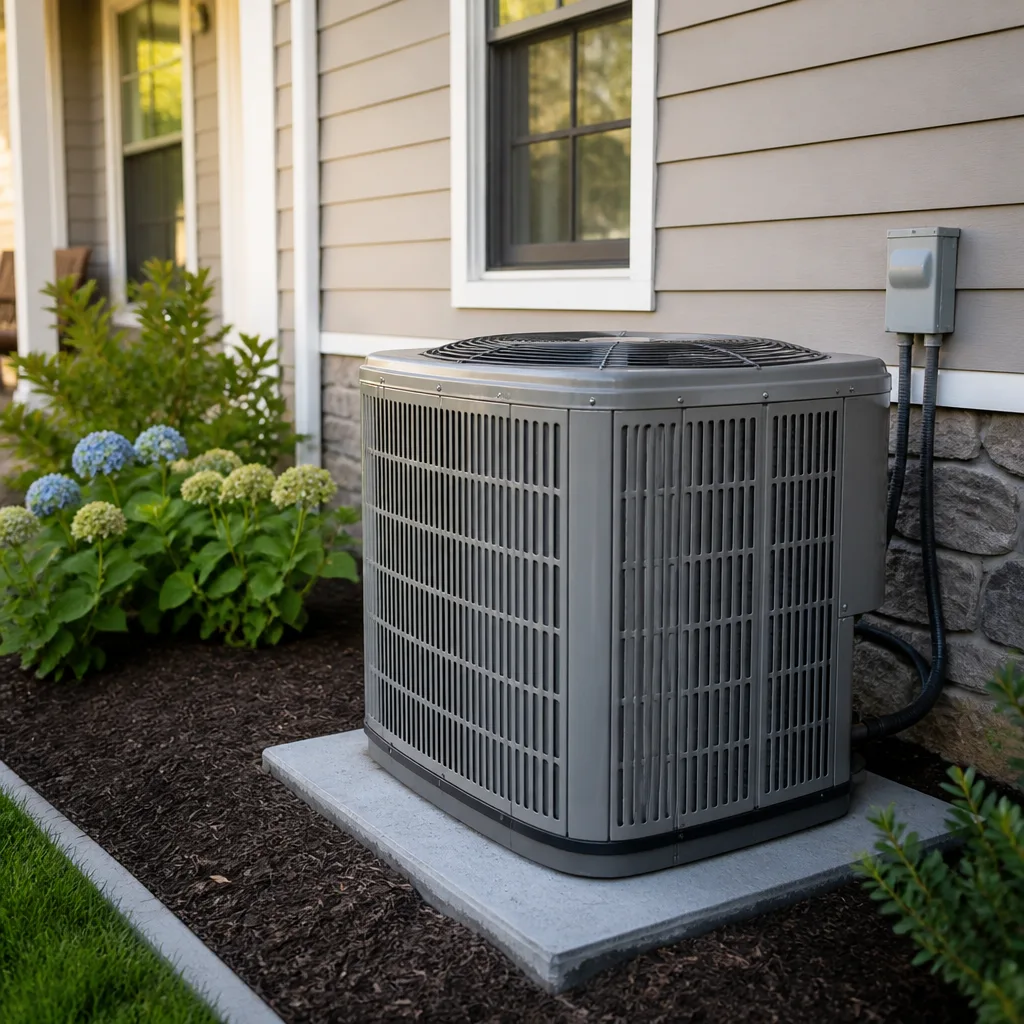 AC repair
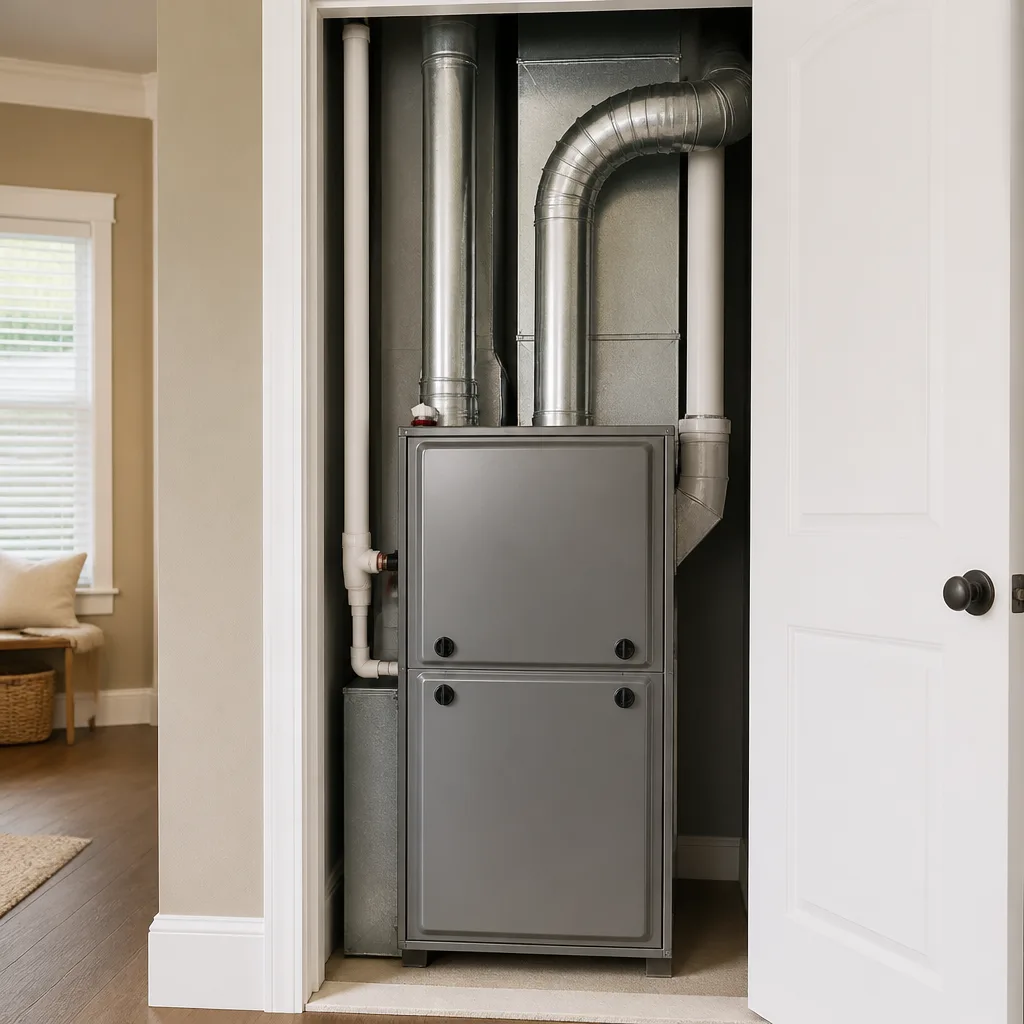 Furnace & heating
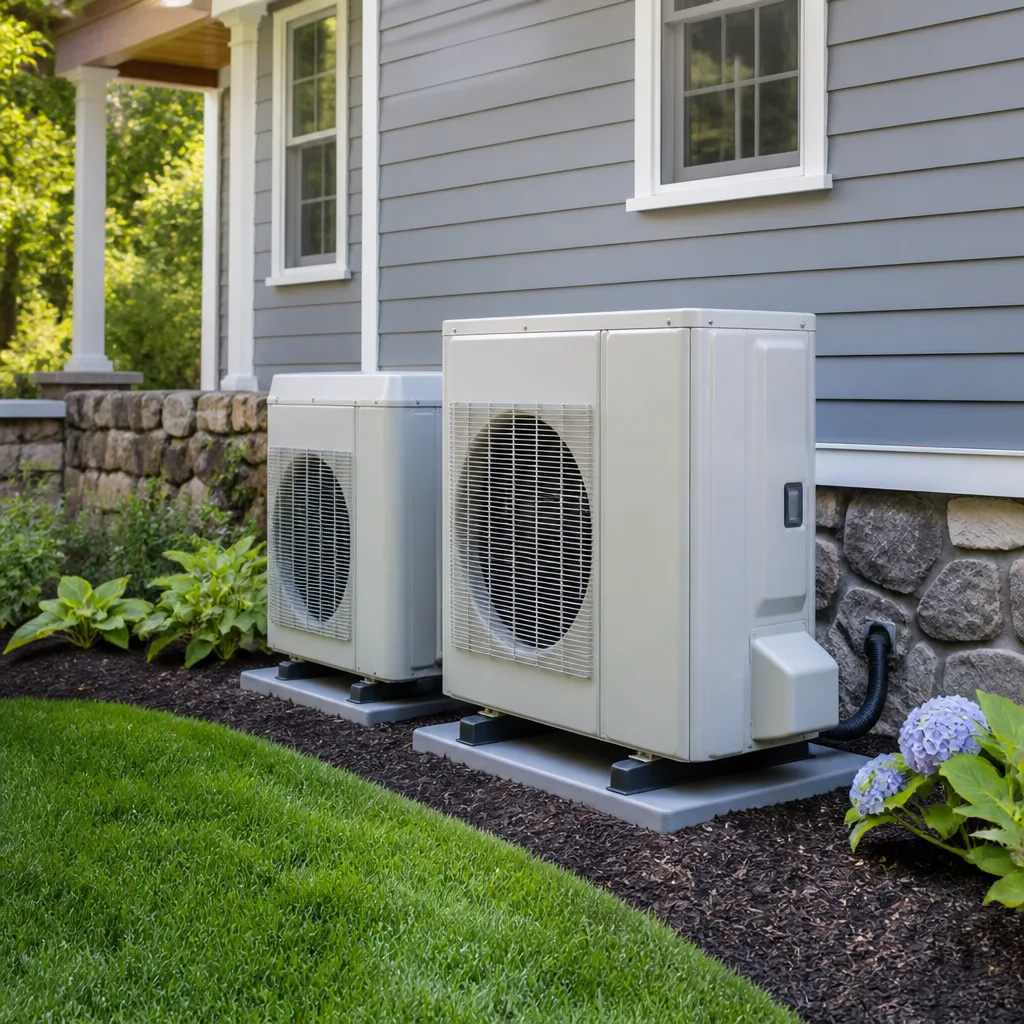 Heat pumps
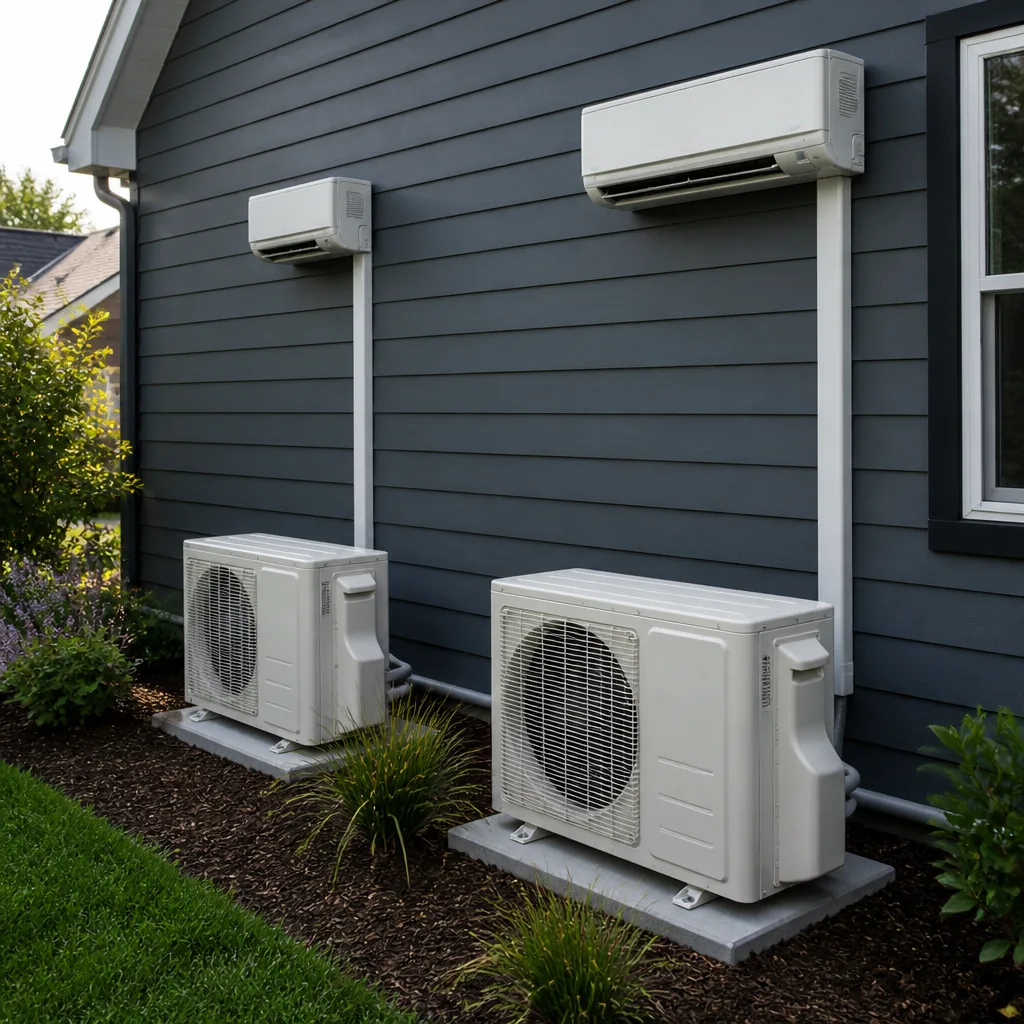 Ductless mini splits
 Carrier
 Trane
 Goodman
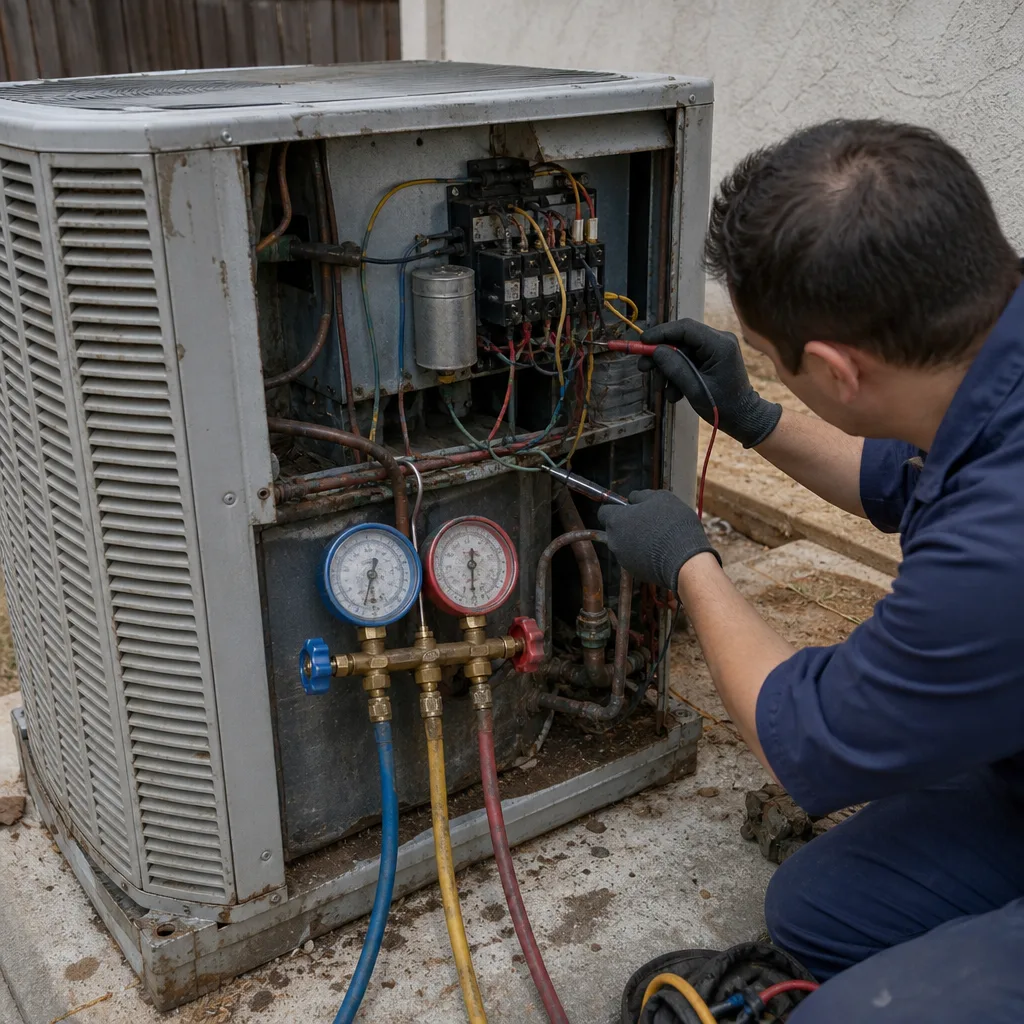
Seasonal tune-up and full diagnostic on your Carrier, Trane, or Goodman system - readings shown to you before any repair is proposed
Diagnosis first, numbers second - you approve the repair price before a single part goes in.
Get your free estimateAir Quality & Ventilation Troubleshooting: Common Problems and How to Fix Them
If your air purifier is running on high and your house still smells stale, the purifier isn’t the problem. Something in your duct system is. We see this constantly in Paradise: a homeowner buys a $300 purifier, then another one, then candles, and the smell stays because the source is a wet drain pan or a return duct pulling air from a crawlspace. The fix lives in the mechanical system, not the living room. What follows is how to trace an indoor air quality complaint back to its actual cause, what each symptom tells you, and when the problem is the house instead of the HVAC. No guesswork, no equipment upsell.
Quick Answer
Most indoor air quality problems in Paradise trace back to one of four mechanical causes: a dirty air handler coil, a failed or stuck damper, a cracked or disconnected duct joint, or a wet drain pan growing biological growth. Fix the source and the smell, dust, and stuffiness usually clear up without buying a single purifier. Air purifiers treat symptoms; ventilation and duct problems need to be found and repaired at the source.
Styles & brands we work with
- AC repair
- Furnace & heating
- Heat pumps
- Ductless mini splits
- Carrier
- Trane
- Goodman
Table of Contents
- The Four-Point Odor Check That Catches Most Complaints
- Why One Room Is Hot and Stuffy (It’s Usually Not Capacity)
- Condensation on Vents in Paradise Summer: A Ventilation Problem
- The 48-Hour Dust Reappearance Test
- Duct Problems You Can Actually See
- When It’s the House, Not the HVAC
- Filtration and Filter Housing Mistakes
- Moisture, Humidity, and the Drain Pan
The Four-Point Odor Check That Catches Most Complaints
When someone calls us about a smell in the house, we run the same four checks before we touch anything else. In our experience these four points catch roughly 80 percent of odor complaints, and three of them cost nothing to inspect.
- The air handler. Open the access panel and look at the evaporator coil. A coil matted with dust and biological growth smells musty every time the fan runs. This is the single most common source we find in Paradise homes, especially after a wet spring.
- The return duct. Follow the return path from the filter grille back to the air handler. Any gap, torn flex duct, or disconnected collar can pull attic air, crawlspace air, or garage air straight into the living space. That air carries whatever is in the cavity with it.
- The drain pan. Standing water in the pan, slime on the pan sides, or a pan that doesn’t drain fully means growth. A clogged condensate line keeps the pan wet long after the cooling cycle ends.
- The filter housing. A filter that doesn’t fit its slot, or a slot with gaps around it, lets unfiltered air bypass the filter entirely. Look for dust streaks around the edge of the filter. That’s bypass air, and it’s dirt going straight onto your coil.
Smell like dirty socks or a wet basement? Start at the coil and the drain pan. Smell like attic or dust? Start at the return duct. Every odor has a source, and in most Paradise homes it’s one of these four. Our AC repair and installation team in Paradise runs this check on every call that mentions smell, because it’s faster than guessing.
Why One Room Is Hot and Stuffy (It’s Usually Not Capacity)
“Is my unit too small?” is the question we hear most, and the answer is usually no. If most of the house cools fine and one room runs warm, your equipment has enough capacity. What you have is a distribution problem: the air isn’t getting to that room in the right volume, or it’s leaking out before it arrives.
The cheap fix is a damper adjustment. Many homes have balancing dampers in the branch ducts, and a damper that’s partly closed or stuck will starve a room. We’ve opened a damper in a Paradise home and solved a two-year complaint in ten minutes. The real fix depends on what we find:
- Undersized branch duct. The run to that room was sized too small or was crushed during a remodel. New duct work is the answer.
- Disconnected or torn flex duct. Air is dumping into the attic. You’ll often feel a strong draft above the ceiling or see a temperature difference at the register.
- Return air starvation. A room with a closed door and no return path pressurizes and won’t accept supply air. A jumper duct or a return transfer grille fixes this cheaply.
- Register blocked by furniture.We mention it because it happens more than anyone admits. A bed or sofa in front of a supply register will make a room feel stuffy.
Before anyone quotes a new system, ask for duct static pressure readings. That number tells you whether the problem is airflow or equipment. If it’s airflow, a bigger unit won’t fix it. It’ll just make the leak worse. For heat pump and ductless options in tight rooms, our heat pump and mini split page covers when a single-zone unit makes sense.
Condensation on Vents in Paradise Summer: A Ventilation Problem
Sweating supply registers look like a temperature problem, and that’s the trap. Condensation forms when cold air meets warm, humid air. In Paradise summer, the air around your registers is warm, and if the register is sweating, the cold air isn’t the only thing coming out of that vent. Moisture is riding along with it, and it’s landing on your ceiling and drywall.
Here’s what’s usually happening. A supply duct with a ripped jacket or a gap at the boot lets humid attic air mix with the cold air. That mixture hits the register face and condenses. Over weeks, that moisture feeds mold on the drywall around the vent, and you don’t see it until the stain spreads. The fix is sealing the duct at the boot, re-insulating the jacket, and checking that the register isn’t pointed at a wall. Condensation on the duct itself, not just the vent, points to missing insulation on that run.
Indoor humidity matters too. A cooling system that runs long enough dehumidifies properly. One that’s oversized short-cycles, never pulls moisture out, and leaves the house clammy. If your Paradise home feels cold and damp at the same time, that’s a sign the system is short-cycling or the fan is set to run continuously. A properly set thermostat and a correctly sized system keep indoor humidity in the 40 to 55 percent range in summer. Anything above that and you’ll be wiping vents all season. Our Paradise home page for Ray’s Heating & Air spells out how we check humidity during a standard visit.
The 48-Hour Dust Reappearance Test
This is the simplest diagnostic in this whole guide, and it’s free. Dust a horizontal surface in the worst room, and don’t touch it. Check it 48 hours later. If it’s visibly dusty again, the dust is coming from the system, not your cleaning. Here’s what that tells you.
Fast dust reappearance means air is entering the house through the HVAC system without being filtered. The usual culprits are a filter that’s bypassing its slot, a return duct that’s open to the attic, or a duct joint pulling in unfiltered air. Dust streaks around the filter edge confirm the bypass. Dust on the blades of the supply registers, especially in one area, points to a leak near those runs.
What it does not mean is that your filter is too cheap, which is the conclusion most people jump to. You can install a four-inch media filter and still get fast dust if the housing leaks. Seal the housing first, then upgrade the filter. In our experience, sealing a leaky return in a Paradise home reduces dust complaints more than any filter change. If you’re running a Lennox or Goodman system with a factory filter cabinet, check that the door gasket is intact. A missing gasket is a bypass, plain and simple. Cleaning the coated coil afterward is part of the job, and a heating and furnace service that includes coil cleaning will catch the same buildup on the heat side of the system.
Duct Problems You Can Actually See
Most duct problems hide in the attic or crawlspace, but some you can find from the floor with a flashlight and five minutes. We walk every Paradise home with a light before we quote any air quality work.
- Gaps at the boot. The duct boot is where the duct meets the register. A gap there dumps air into the wall cavity. Look for dust marks or a draft around the register trim.
- Torn flex duct. Flex duct is vulnerable to attic pests and to anyone who walked across it. A tear in the outer jacket and inner liner leaks supply air and pulls in attic air.
- Disconnected joints. A duct that has slipped off a collar will blow cold air into the attic and might not show up until you read static pressure or feel the room never cools.
- Crushed runs. A run routed under a floor joist or flattened during a remodel chokes airflow. No amount of cleaning fixes a crushed duct.
Sealing duct leaks with mastic at the boot and reconnecting joints is a modest repair and often the whole answer. Once we’ve sealed the ducts, we re-check the system with a static pressure reading. That’s how you know the repair worked instead of assuming it did. In Paradise, where attic temperatures push 140 degrees in July, an unsealed duct leak also means your cold air is fighting the attic heat before it arrives. That’s paying for cooling you never get.
When It’s the House, Not the HVAC
Sometimes the problem is the building envelope, and no thermostat setting, filter upgrade, or equipment swap will fix it. Here’s how to tell the difference before you spend money on a new system.
- Check for outside air intrusion. On a calm day, hold a tissue near electrical outlets on exterior walls and around window frames. A flickering tissue means your house is leaking air, and your HVAC is trying to condition the outdoors.
- Look at the envelope. Missing attic insulation over one room, uninsulated rim joists, or a crawlspace with no vapor barrier will make a room stuffy and damp no matter what the HVAC does.
- Check the crawlspace. A dirt crawlspace with open vents pumps soil moisture and soil air into the living space. This is a frequent cause of musty smells in older Paradise homes.
- Test the dryer and bath fans. A dryer vent that exhausts into the attic or a bath fan that dumps moisture into the ceiling cavity puts humidity and dust back into the house.
If the envelope is the problem, we say so. We’d rather tell you your attic needs insulation than sell you a system that won’t fix the smell. In our experience, a tight house with a properly sized system holds comfort far better than a big system in a leaky one. That’s a conversation worth having before you spend thousands on equipment, which is exactly what our free second opinion on any written estimate is for.
Filtration and Filter Housing Mistakes
Filter mistakes account for a big share of air quality complaints in Paradise, and most are easy to fix. The most common: a filter that’s too restrictive. A high-MERV filter looks like the responsible choice, but if your system wasn’t designed for it, the added restriction starves airflow, the coil gets cold and iced, and the system runs longer than it should. Match the MERV rating to what the system can handle, and change it on schedule.
The second mistake is the fit. A filter that’s a quarter inch small lets air past the pleats. Foil tape or a strip of foam around the edge closes the gap. The third is forgetting the second filter location. Some Paradise homes have a return filter grille plus a filter in the air handler cabinet. If both are there, both need changing. A filter left in a cabinet for years becomes a growth medium, not a filter.
If you’re running a Rheem or York system with a one-inch slot, plan on monthly checks in summer. In our climate, a filter that would last three months in a mild climate loads up faster because the system runs longer and pulls more dust through the house.
Moisture, Humidity, and the Drain Pan
Moisture is the underrated cause behind most air quality problems, and the drain pan is where it collects. A pan that doesn’t fully drain grows biological slime, and every cooling cycle blows that smell through the house. Check the pan for standing water after the system shuts off, and check that the condensate line runs clear to its drain.
A float switch that’s set wrong or a line that’s partially clogged will leave the pan wet for hours after the fan stops. When that happens, the moisture migrates into the duct and onto nearby drywall. In Paradise’s monsoon season, when outdoor humidity spikes for weeks, the system works harder to pull moisture out, and a marginal drain line becomes a real problem.
A properly draining system, a clean coil, and indoor humidity in the 40 to 55 percent range solve most of these. If your home is holding humidity above 60 percent in summer, an air conditioning system that’s running right should be pulling it down. If it isn’t, that’s a diagnostic call, not an air purifier call.
Common Mistakes to Avoid
- Buying another purifier when the source is in the ducts. A purifier running high on a stale house is treating air that keeps getting re-contaminated. Find the coil, drain pan, or duct leak first.
- Assuming a bigger unit fixes an unbalanced room. In most Paradise homes we check, the equipment has enough capacity. The problem is distribution, and a larger unit just wastes energy and leaks more air.
- Upgrading the filter without sealing the housing. A high-MERV filter in a leaky housing still lets unfiltered air in. Seal the slot, then choose the rating.
- Turning the fan to “on” all summer to “keep the air moving.” That pulls humid air across a wet coil and keeps dust circulating. Auto setting is the default for a reason.
- Ignoring condensation on vents until drywall stains appear. Sweating registers are a ventilation and moisture signal. The stain is the repair bill you didn’t want.
- Treating a leaky envelope as an HVAC problem. No thermostat setting fixes an attic missing insulation or a crawlspace without a moisture barrier.
- Letting a second filter location go forgotten for years. Check the air handler cabinet, not just the return grille.
See the difference
 Before
 After
 Before
 After
 Before
 After
When to Call a Professional
Call us when a smell persists after you’ve checked the filter and the return grille. Call when one room stays hot no matter what the thermostat says, or when you see condensation on registers and it’s been happening for more than a week. Call when the 48-hour dust test says dust is coming from the system, when the drain pan never seems dry, or when the humidity in the house stays above 60 percent through summer. These are all signals that need readings, not guesses. Our technicians have up to 24 years of experience with every major brand, including Lennox, Goodman, Rheem, and York, and we bring the gauges to the diagnosis. Ray’s Heating & Air Paradise offers free estimates in Paradise, a free second opinion on any written estimate, and no trip charge inside the county. Call (855) 664-5714.
Frequently Asked Questions
The musty smell when the AC runs almost always comes from a dirty evaporator coil or a drain pan holding standing water. Both grow biological odor that the blower pushes through the house every cycle. Start with those two components, and if the smell persists, check the return duct for a gap pulling in crawlspace or attic air. Call (855) 664-5714 and we’ll trace it for you.
A single stuffy room is nearly always an airflow distribution problem, not an undersized unit. A stuck damper, a crushed or torn duct run, or a starved return path will starve that room regardless of system size. We check duct static pressure and the branch dampers first, because that’s where the answer usually is. Call us for a diagnostic visit and we’ll show you the readings.
Condensation on vents means humid air is mixing with your cold supply air, usually through a gap at the boot or missing insulation on that duct run. In Paradise’s monsoon season, indoor humidity rises and makes it worse. The fix is sealing and re-insulating the duct at the register, not turning the thermostat down.
In a properly sealed system, dust should take a week or more to visibly return on a horizontal surface. If it’s back within 48 hours, dust is entering through the HVAC system, usually a bypass at the filter housing or a leak in the return duct. That’s a sealing repair, not a filter upgrade. Call (855) 664-5714 for a check.
A whole-house air purifier can reduce airborne particles, but it won’t fix mold or odors at the source. If the coil, drain pan, or duct system is growing or leaking, a purifier running downstream just treats contaminated air. Repair the source first, then decide if added filtration makes sense for your Paradise home.
An HVAC problem responds to duct repairs, coil cleaning, and airflow corrections; a building envelope problem doesn’t. If the stuffiness or dampness stays after the system is checked and sealed, look at attic insulation, crawlspace moisture, and exterior air leaks. We’ll tell you which one you have before you spend money on equipment. Call (855) 664-5714 for a free second opinion.
The Bottom Line
Most indoor air quality problems in Paradise start in the mechanical system: a dirty coil, a wet drain pan, a leaky return, or a crushed duct. Fix those first. Run the four-point odor check, try the 48-hour dust test, and look at vent condensation as a moisture signal instead of a temperature problem. If one room stays stuffy while the rest of the house is fine, ask for static pressure readings before anyone quotes new equipment. And if the symptoms stay after the system is sealed and clean, look at the house itself. Ray’s Heating & Air has been locally owned and owner-operated since 2002, with a 90-Day Done Right Promise on every job, and every call is answered by a live person. Call (855) 664-5714 for a free estimate in Paradise.
Written by the team at Ray’s Heating & Air Paradise.