
Last updated November 18, 2026
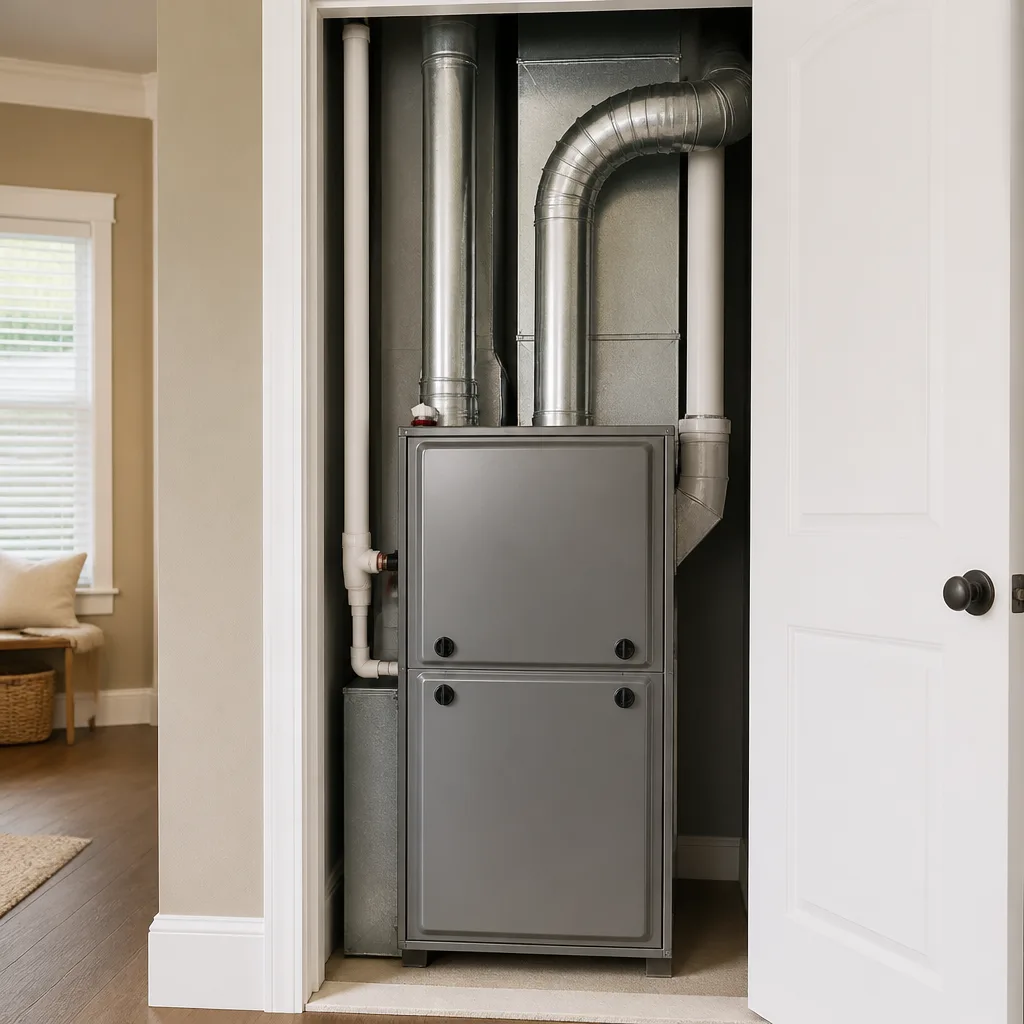 Furnace & heating
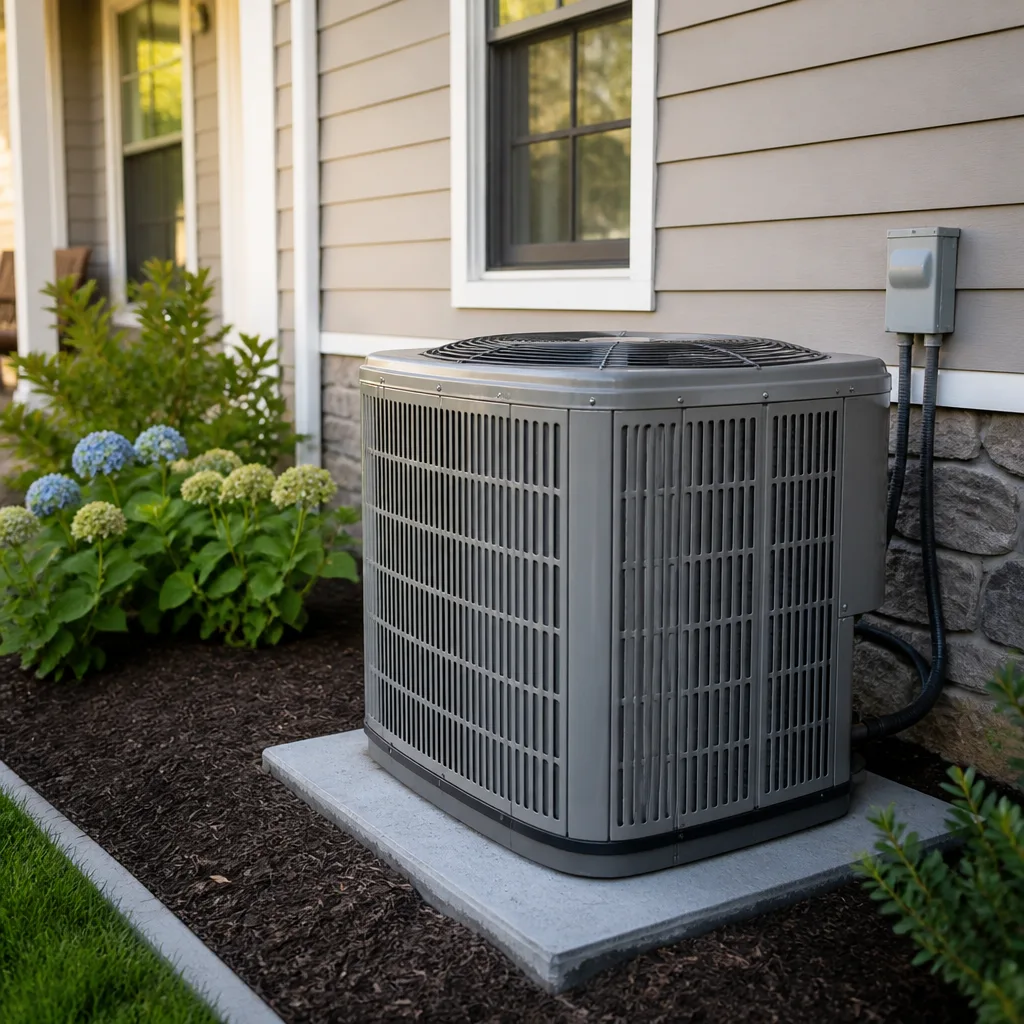 AC repair
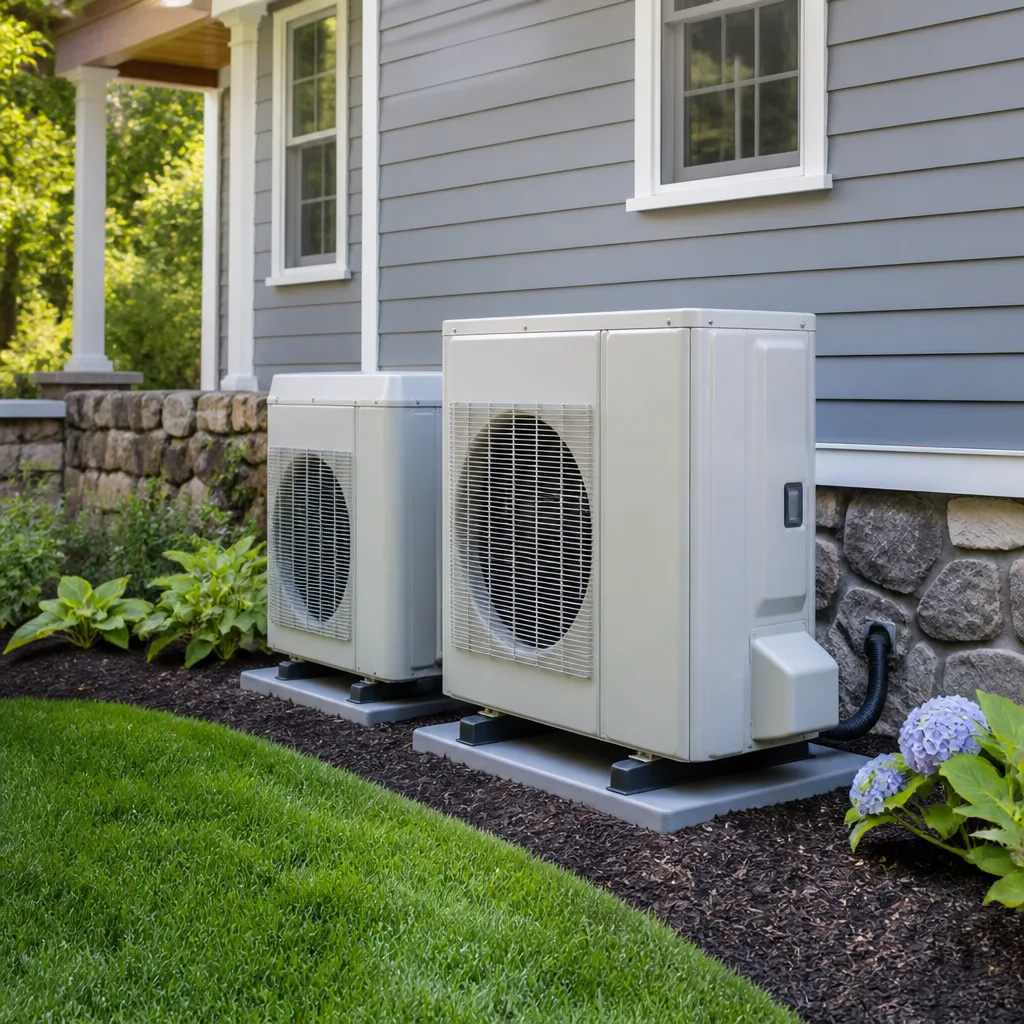 Heat pumps
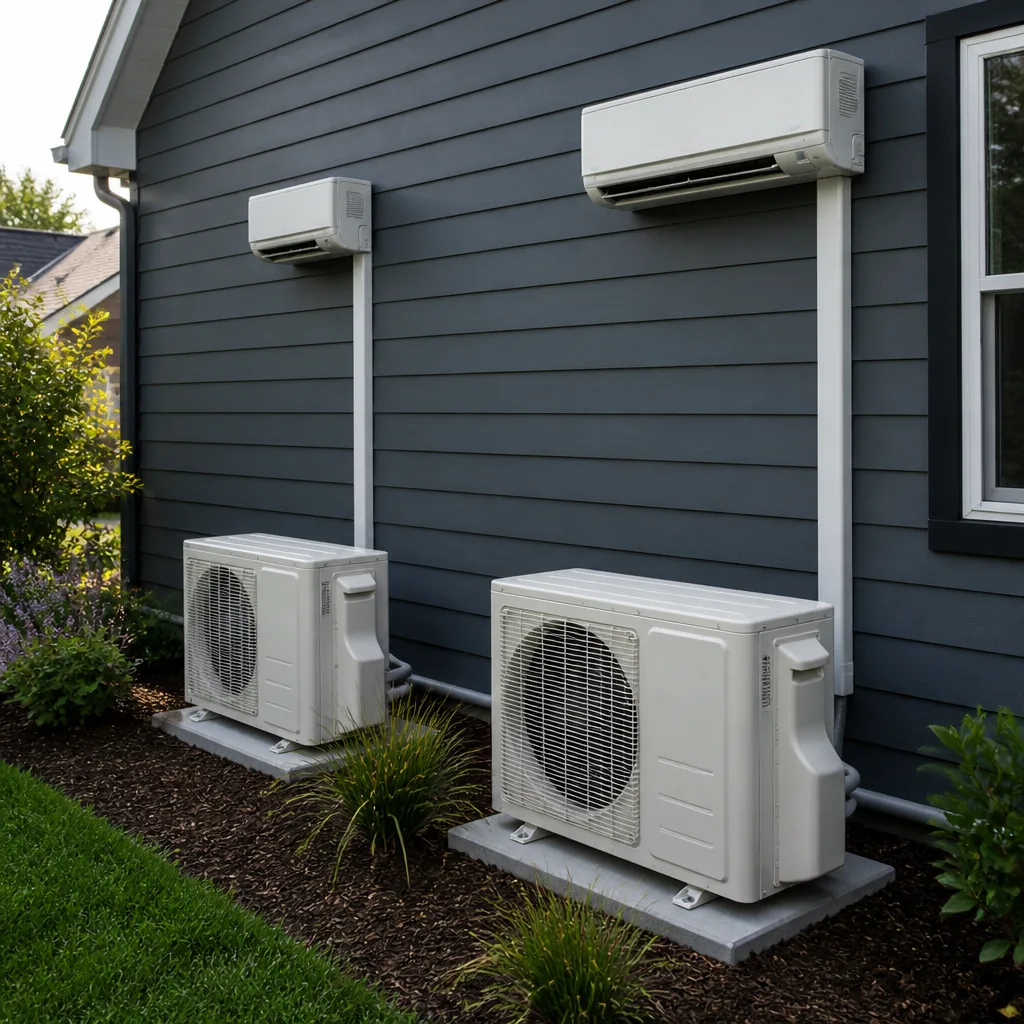 Ductless mini splits
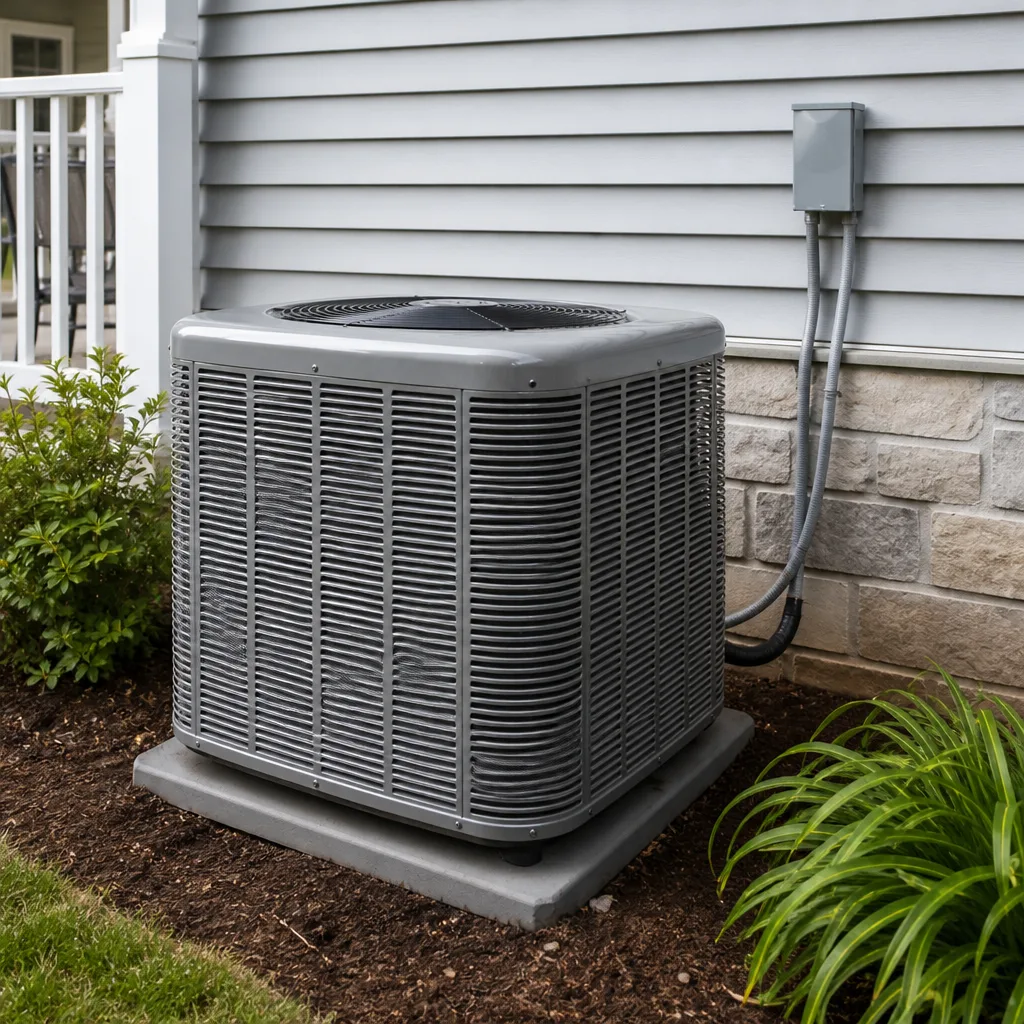 Carrier
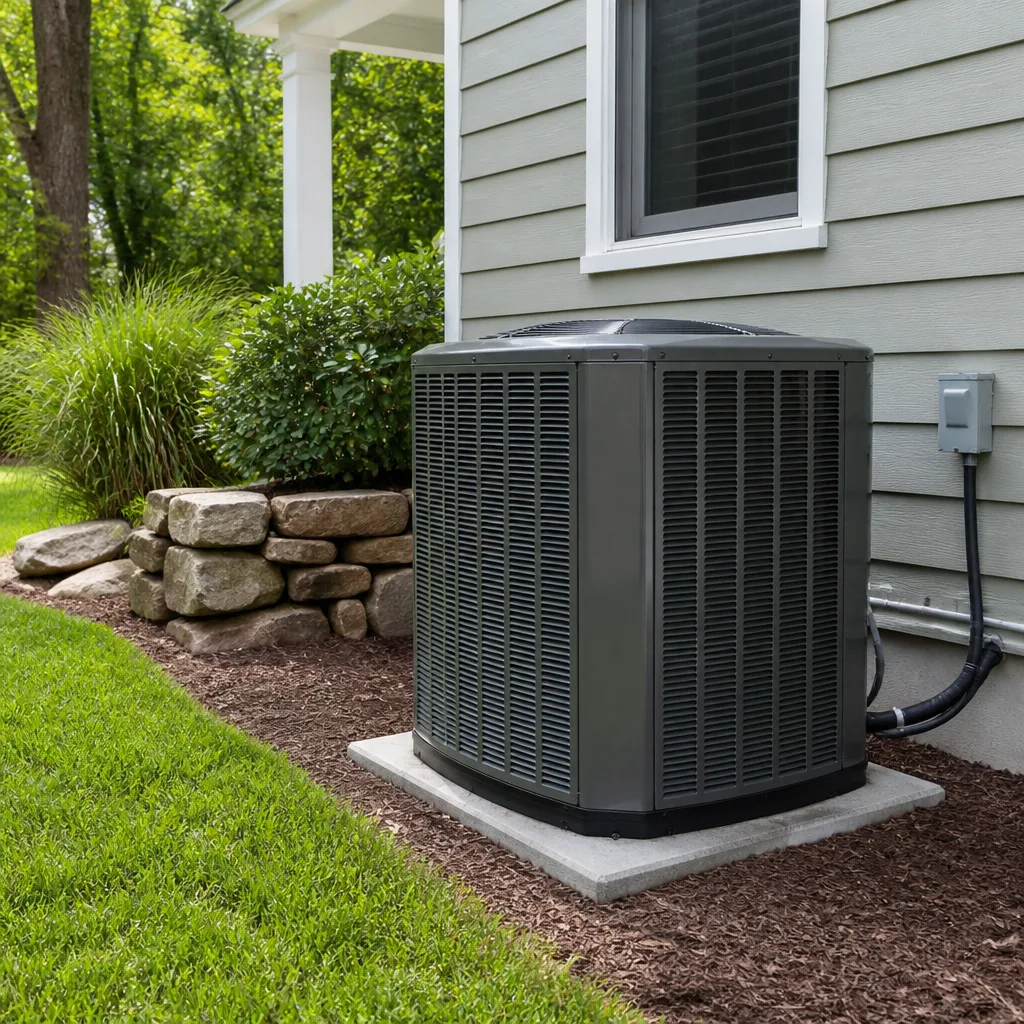 Trane
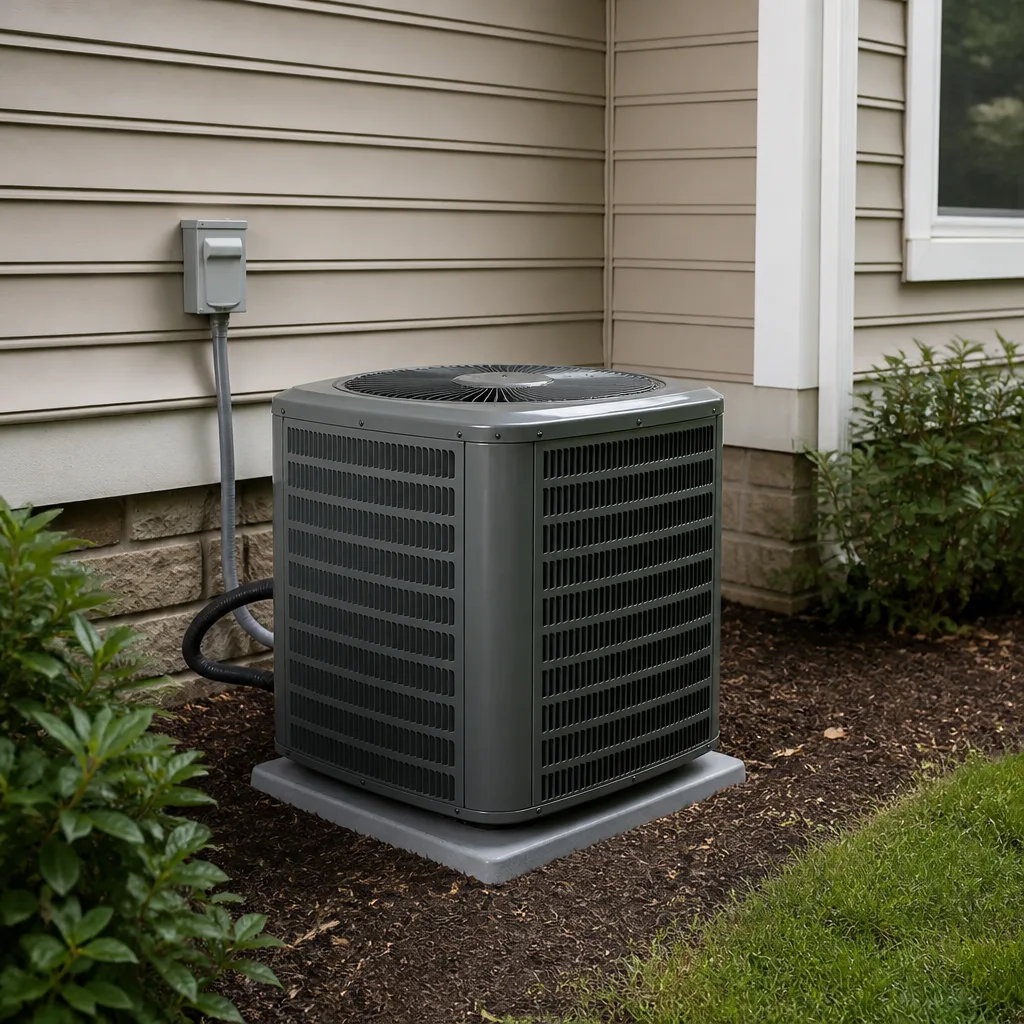 Goodman
Seasonal tune-up and full diagnostic on your Carrier, Trane, or Goodman system - readings shown to you before any repair is proposed
Diagnosis first, numbers second - you approve the repair price before a single part goes in.
Get your free estimateHeating & Furnace Maintenance Schedule: What to Do and When
Most furnaces in Paradise sit dark from March until the first cold snap in November. Eight months of dormancy. During that time, dust settles on the burners, spiders build webs across the pilot assembly, and mice treat the flue as a highway. When you finally twist the thermostat to Heat, you’re asking a machine that hasn’t run since spring to fire up with all that debris still inside it. That’s the gamble most homeowners take without knowing they’re taking it. This guide lays out a realistic maintenance schedule for heating season in Paradise – what you can check yourself, what requires a licensed tech, and why the fall startup matters more here than almost anywhere.
Quick Answer
A furnace should be professionally tuned up once a year, ideally in early fall before the first cold night. Homeowners should change filters every 1-3 months during heating season, keep the outdoor unit and vents clear, and test the thermostat before startup. In Paradise, where systems sit idle for eight months, a pre-season inspection catches the dust, pests, and combustion issues that build up during dormancy.
Styles & brands we work with
- AC repair
- Furnace & heating
- Heat pumps
- Ductless mini splits
- Carrier
- Trane
- Goodman
Table of Contents
- Why Furnace Dormancy in Paradise Is a Maintenance Problem
- The Fall Startup Checklist You Can Run Yourself
- What a Professional Furnace Tune-Up Actually Includes
- Combustion Safety: The Checks Only a Licensed Tech Should Do
- Heat Exchanger Inspections and Paradise’s Older Housing Stock
- The Heating Season Filter Schedule
- A Month-by-Month Maintenance Calendar
- Common Mistakes to Avoid
Why Furnace Dormancy in Paradise Is a Maintenance Problem
A furnace that runs year-round stays hot and dry. Components expand and contract, dust burns off, and any moisture in the cabinet evaporates. A furnace that sits for eight months does the opposite. It collects. And Paradise’s dry desert air doesn’t stop that – it just changes what collects. The dust in Paradise homes is fine and powdery, which means it settles deeper into the burner ports and the blower wheel than the heavier dust you’d find in humid climates. Spiders love the pilot assembly and the draft hood. Mice chew through insulation on the wiring and nest in the return plenum.
We’ve pulled more than one blower compartment open in October to find a nest built right against the control board. The system ran fine in March. By November, that nest became a fire risk and a shorted board.
Dormancy also masks small failures. A cracked ignitor, a failing inducer motor, a flame sensor coated in dust – none of these show up until you actually call for heat. The first cold night of the year is a terrible time to discover them, because that’s when every HVAC company in the county is getting the same calls at the same time. If you want your heat back the same day in Paradise, the time to catch those failures is October, not December.
If your system is a heat pump rather than a gas furnace, the dormancy picture shifts somewhat because heat pumps run in both seasons – but the pre-season check still matters. You can read more about the differences on our Heat Pump & Mini Split in Paradise page.
The Fall Startup Checklist You Can Run Yourself
Before you light that furnace for the first time, run through this list. Nothing here requires tools beyond a screwdriver and a vacuum, and none of it involves opening a gas appliance. If any step turns up a problem, stop and call.
- Change the filter first. A dirty filter on startup pushes dust straight through the system. Do this before anything else.
- Clear the area around the furnace. A minimum of 3 feet of clearance on all sides. Paint cans, Christmas decorations, boxes of paperwork – all of it comes out. Combustibles near a heat source is the most common fire hazard we see.
- Check the exterior vent and flue. From outside, look at the intake and exhaust pipes on the side of the house or the roof. Bird nests, wasp nests, and rodent debris are common in Paradise. Clear them – but don’t stick hands or tools inside the flue itself.
- Open all supply registers. Close the ones you shut for AC season. Sealed registers raise system pressure and can cause overheating.
- Test the thermostat. Switch to Heat and set the temp 5 degrees above room temp. You should hear the furnace fire within 30-60 seconds. If you hear nothing, note it and call.
- Watch the first cycle. After the furnace fires, listen. A normal startup has a distinct rhythm: draft inducer whirs, then the ignitor clicks, then the burners whoosh softly. Any banging, rumbling, or loud popping after shutdown means call a pro.
- Smell the air. A light “first-heat smell” is normal (burning off summer dust). A metallic or eggs-like smell is not. Turn off the furnace, leave the house, and call from outside if the smell is gas-like.
If your furnace is a Lennox or Trane unit from the last decade, its control board will flash a diagnostic code if there’s a fault. Note what it says – it saves us a trip and you time.
What a Professional Furnace Tune-Up Actually Includes
Here’s where a lot of Paradise homeowners get took. They pay $89 for a “tune-up,” the tech changes the filter, vacuums the outside cabinet, and leaves. That’s a filter change with a receipt. A real tune-up is a different animal – and it should take 45 minutes to an hour, not 15.
Here’s what’s actually in ours, line by line, so you can compare:
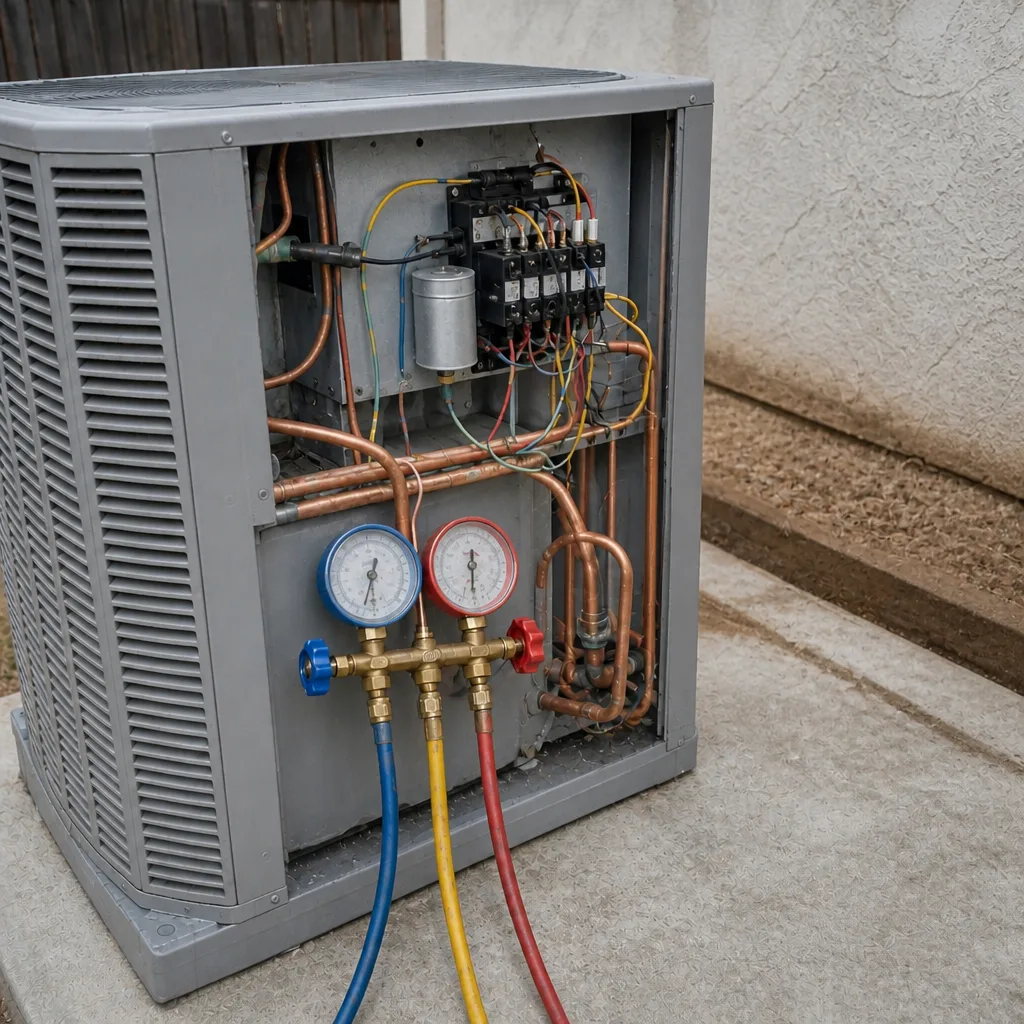
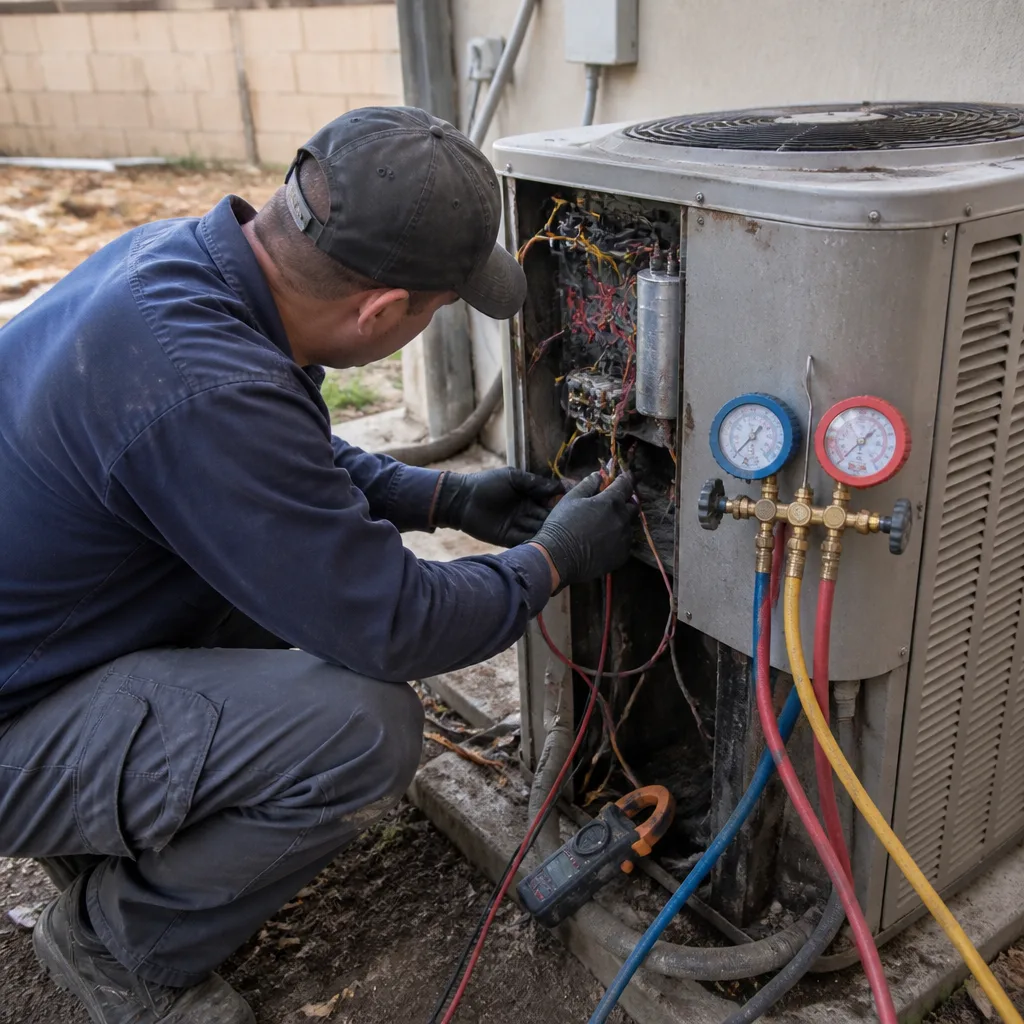
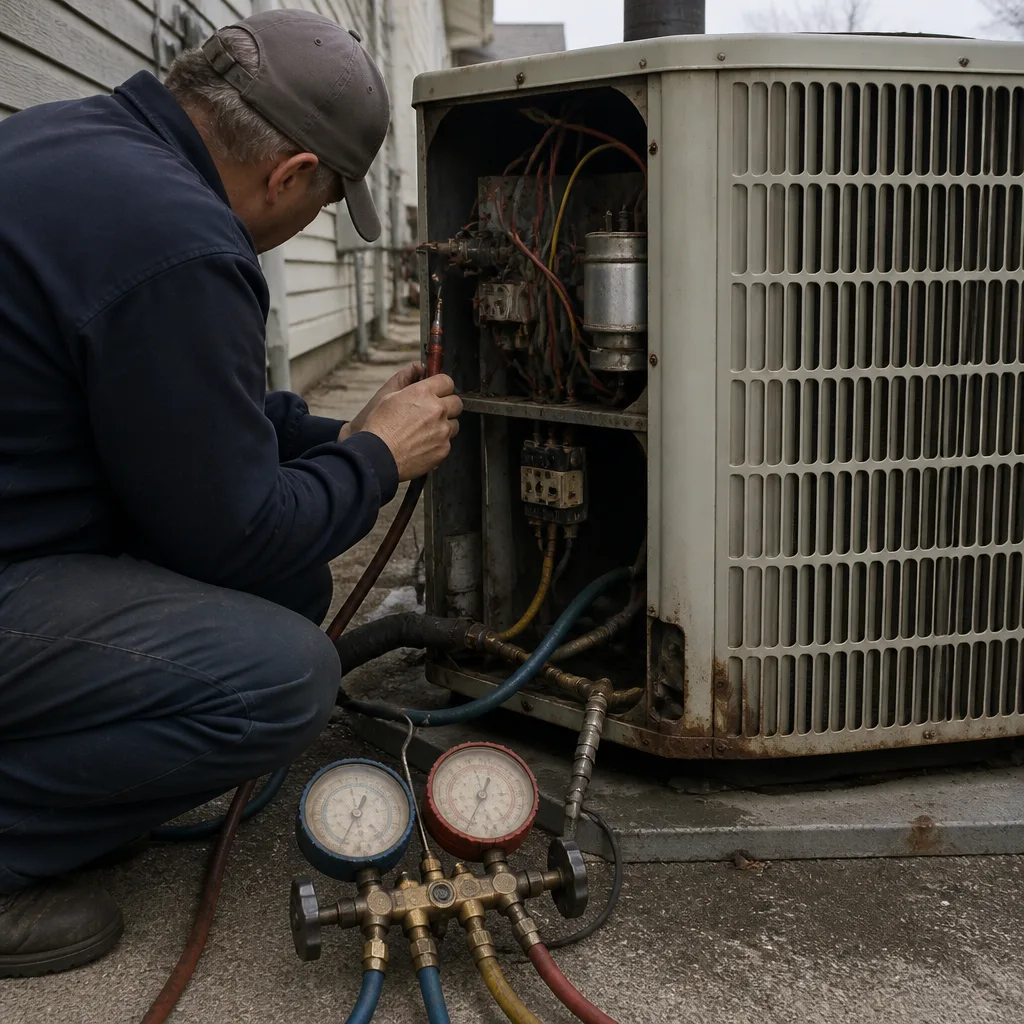
- Combustion analysis. A calibrated meter measures carbon monoxide, oxygen, and stack temperature. Readings get written down and compared against the manufacturer’s spec. If they’re out of range, we know exactly why and how far.
- Burner inspection and cleaning. Burners come out, get brushed clean, and go back in. The flame gets checked for even color and shape across every port.
- Heat exchanger visual inspection. More on what this involves below – but at minimum, the exchanger should be examined for cracks, warping, or soot streaks.
- Blower motor cleaning and amperage check. Dirty blower wheels rob airflow and drive your electric bill up. Amp draw against spec tells us if the motor is failing.
- Flame sensor and ignitor inspection or cleaning. A dirty flame sensor causes short cycles and frustrating intermittent no-heat calls.
- Gas pressure check. Manifold and inlet pressure measured against spec. Too high causes overheating, too low causes rough ignition and CO.
- Flue and venting inspection. Airflow, proper slope, and integrity. A blocked or back-drafting flue is a genuine safety issue.
- Filter change. Last, not first. That sequencing tells you whether the filter was treated as the whole job or as the finish.
- Thermostat calibration and safety switch test. High-limit switches, rollout switches, and the flame roll-out circuit all get verified operational.
If your system is a Goodman or Rheem, some of these checks have model-specific specs. Our team has seen these systems in Paradise for years and knows the quirks of each. Scheduling a real tune-up through our Heating & Furnace in Paradise service is the most direct way to get one.
Combustion Safety: The Checks Only a Licensed Tech Should Do
Carbon monoxide kills quietly. It has no smell, no color, no taste. And in a gas furnace, the CO risk shows up in one specific place: the combustion process going out of balance.
Three things cause CO to go from safe to dangerous. First, incomplete combustion – usually from dirt-clogged burners or low gas pressure. Second, a cracked heat exchanger, which lets CO mix into the heated air you breathe. Third, a blocked or back-drafting flue, which sends exhaust back into the house instead of outside.
All three of these can develop silently during dormancy. And no homeowner can check for any of them without specialized equipment – a combustion analyzer, a manometer, and an inspection camera. This is the specific area of furnace maintenance where you don’t DIY, no matter how handy you are. The stakes include brain damage and death.
Two practical things every Paradise homeowner should have regardless:
- Working CO detectors on every level of the home, especially outside sleeping areas. Test them in October, before heating season. Battery check, alarm test.
- A written combustion analysis from any tune-up you pay for. If your tech can’t show you numbers, ask why. Real pros publish the readings before and after.
We’ve walked into Paradise homes where a contractor “checked the furnace” two weeks earlier, and the CO in the flue was running 400+ ppm above spec. That’s not a theoretical concern. That’s a family at risk that got a filter swap.
Heat Exchanger Inspections and Paradise’s Older Housing Stock
Paradise’s housing stock spans multiple decades. There are homes built in the 1970s and 1980s still running original-equipment furnaces or their second generation. A furnace’s heat exchanger, on average, has a service life of 15-20 years. Past that, cracking risk climbs steeply – and cracked heat exchangers are the single biggest reason we recommend replacement over repair on older units.
Here’s what a proper heat exchanger inspection involves, because “I looked at it” isn’t enough:
- Blower compartment access. We pull the blower and use a bright LED and inspection mirror to look at the front face of the exchanger cells.
- Burner compartment access. From the combustion side, we look at the cells’ back sides. Cracks often start where the metal gets hottest, which is at the rear.
- Visual crack evidence. Hairline cracks, warping, soot streaks, and rust-through are all red flags. Even a small crack can let combustion gases into the supply air.
- Camera inspection on designs where a visual won’t reach. In-shot cameras reach the secondary exchanger in high-efficiency units.
- Combustion analysis cross-check. If the numbers spike during the blower cycle, that’s a strong indicator of a leak the eye can’t see.
In Paradise, we’ve found that homes over 20 years old with original equipment warrant a heat exchanger inspection annually, not just when symptoms show up. The dry air here doesn’t accelerate corrosion much – it’s the thermal cycling that does the damage, and an 8-month cold shutdown cycle is actually harder on the metal than steady seasonal use.
The Heating Season Filter Schedule
The filter schedule for heating season is different from cooling season, and here’s why: heating run hours are lower, but the dust load at startup is higher. That means you don’t automatically get more filter life out of heating season. On the contrary, the first week after every first fire is when your filter loads up fastest.
For Paradise specifically, the schedule we recommend:
- Change 1: The day you first fire the furnace in fall. Always. No exceptions.
- Change 2: Two weeks after the first fire. That catches the startup dust and any settled summer debris.
- Change 3: Mid-season (December). Monthly check after that.
- Change 4: End of the heating season, right when you switch to cooling.
- Ongoing: Monthly visual check. Hold it up to a light. If you can’t see through it clearly, replace it.
1-inch filters run 1-3 months depending on dust. 4-inch media filters run 3-6 months. Pets push you to the short end. For multi-pet homes or long-haired dogs in the foothills, monthly changes in the first 8 weeks of the season aren’t overkill. Use MERV 8-13, not higher. MERV 16 filters can choke airflow on many residential blowers.
If your AC ran hard all summer, you’ll want the same care on the cooling side. Our AC Repair & Installation in Paradise page covers the summer-for-dormancy picture for that system.
A Month-by-Month Maintenance Calendar for Paradise
Here’s the schedule we recommend to every Paradise homeowner we visit. Following it takes about 20 minutes of your own time per month and one professional visit per year.
- September: Change the filter. Test your CO detectors. Clear the return vents and registers. Schedule the professional tune-up for October.
- October: Professional tune-up. First fire after the tune-up. Note any odd smells, sounds, or delays. Second filter change two weeks after first fire.
- November: Monthly filter check. Confirm the thermostat is holding temp. Keep an eye on relative humidity – dry air makes your home feel colder than it is.
- December: Filter change. Check exterior vent pipes for any new debris.
- January: Filter check. Test CO detectors again. Watch the furnace cycle time – short cycles (running less than 5 minutes) usually mean an airflow problem.
- February: Filter change. Listen for any new noises. If your system is a heat pump, this is defrost season – some ice build-up is normal, but persistent ice means call.
- March: Final filter change of heating season. Weatherize the system for the cooling switch.
- April: Schedule AC tune-up. Change filter again for cooling season.
- May-September: Monthly filter checks. Every 3 months, verify CO detectors.
This is also the schedule to share with anyone helping maintain your home while you’re away. Paradise has a lot of seasonal residents and snowbirds. Empty houses in dry heat can develop pest problems fast – and a furnace with a mouse nest in it that runs unattended is a fire waiting to happen. If the house is going to sit empty, get the furnace checked before you leave.
Common Mistakes to Avoid
- Firing up the furnace for the first time without changing the filter first. This pushes a season’s worth of dust straight into the blower and the burners. Always change before the first fire.
- Waiting for the first cold night to call. By then, every HVAC company in Paradise is booked solid for a week. Schedule the tune-up in September or October.
- Paying for a “tune-up” without asking what’s included. If the company won’t tell you the checklist up front, it’s probably a filter change with a receipt. Ask for combustion readings.
- Skipping the CO detector check. A furnace can run fine and still produce unsafe CO. The detector is the safety net. Test it in October and every quarter after.
- Closing registers in unused rooms to “save money.” This raises static pressure and can overheat the furnace or cause the blower to fail prematurely. Keep them open.
- Using a high-MERV filter that chokes airflow. MERV 16 filters look great on paper but on most residential blowers they rob airflow and drive up operating cost. MERV 8-13 is the sweet spot.
- Ignoring a furnace that’s past 20 years old. In Paradise’s older homes, an aging heat exchanger that hasn’t been inspected is the number one CO risk we see. If yours is 20 and hasn’t been scoped, get it scoped.
When to Call a Professional
Call Ray’s Heating & Air Paradise for any furnace tune-up, any first-fire uncertainty, and any of the following scenarios: you smell gas, your CO detector alarms, the furnace won’t fire, the furnace cycles repeatedly without reaching temperature, you hear banging or rumbling after shutdown, or your system is over 20 years old and has never had a heat exchanger inspection. Also call if you simply can’t tell whether the last contractor actually did the work – we’ll look and give an honest answer. Free estimates in Paradise. No trip charge inside the county. Call (855) 664-5714 and a live person answers – day, night, weekend, holiday.
For general service, our Ray’s Heating & Air Paradise home page covers the full picture of what we do and where we work.
See the difference
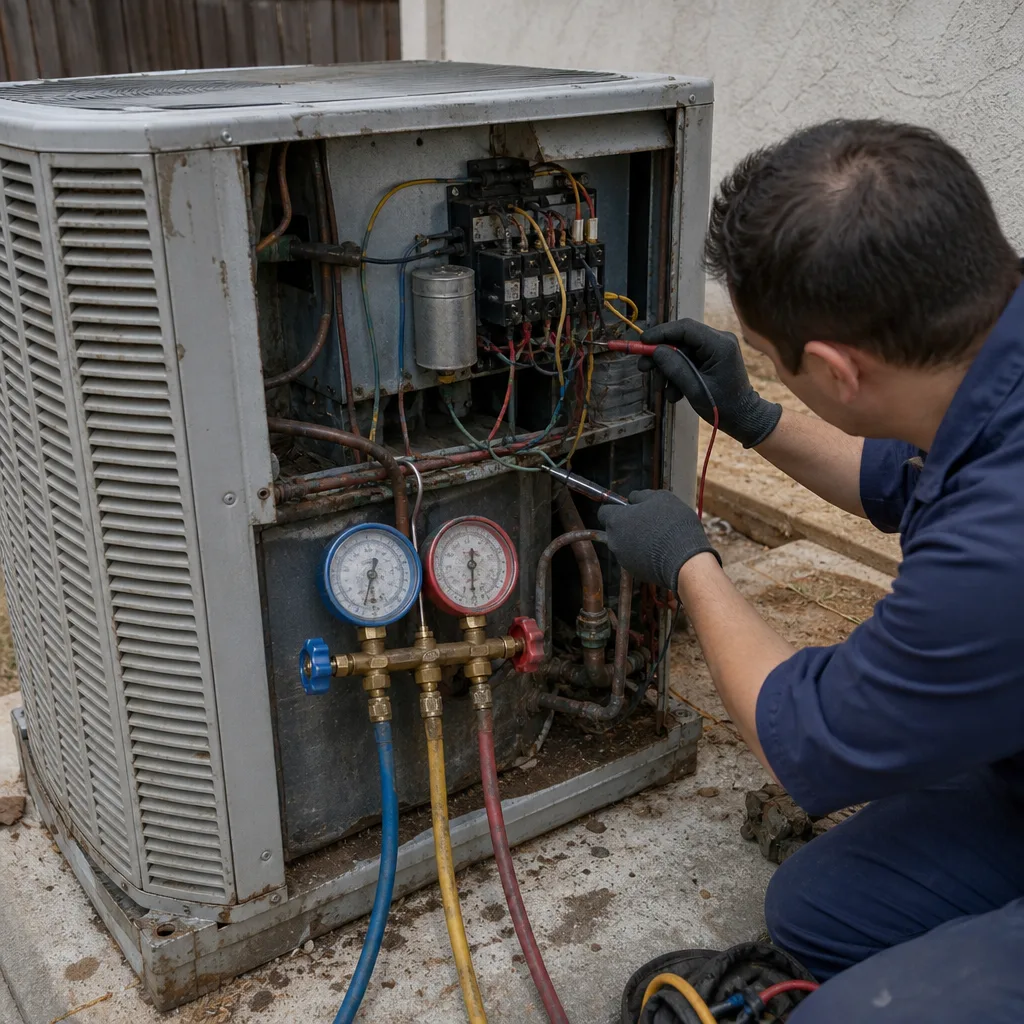 Before
 After
 Before
 After
 Before
 After
Frequently Asked Questions
Once a year, ideally in early fall before the first cold night. In Paradise, the eight months of dormancy between heating seasons is exactly why annual service matters more here than in climates where the furnace runs year-round. A fall tune-up catches the dust, pests, and combustion problems that built up while the system sat idle. Call (855) 664-5714 to schedule before the October rush.
Before. Always before. Scheduling in September or October gets you on the calendar without the wait. Once the first cold night hits Paradise, we and every other shop get slammed, and same-day service becomes next-week service. Call (855) 664-5714 in September and we’ll get you in.
A tune-up covers the operational basics – cleaning, adjusting, testing, filter change, and combustion analysis. A safety inspection focuses specifically on the components that could produce CO or a fire: heat exchanger, flue, gas pressure, and flame sensor. We combine all of these in a single service call. If a company separates them into “packages,” that’s worth asking about.
Yes. A properly tuned furnace can still develop a heat exchanger crack between annual visits. A CO detector is your only reliable warning system, and a furnace producing unsafe CO doesn’t always smell, smoke, or sound different. Test detectors in October, and if yours alarm, get everyone outside and call 911 first, then us.
About 45 minutes to an hour for a gas furnace in a typical Paradise home. Some systems with harder-to-reach heat exchangers take 75-90 minutes. If someone claims to do a full tune-up in 15 minutes, they skipped most of the checklist. Call (855) 664-5714 for a free estimate on what a proper service costs.
Likely yes, depending on the season and current call volume. In an emergency, call (855) 664-5714 – a live person answers around the clock, every day. If it’s a first cold night in Paradise and we can’t get to you right away, we’ll tell you honestly and give you a realistic time window rather than a sales pitch.
The Bottom Line
Your furnace sits for eight months in Paradise, then gets asked to run like nothing happened. The dust, pests, and combustion drift that build up during dormancy don’t announce themselves – they show up as a failure on the worst night of the year, or worse, as CO in the air. The schedule isn’t complicated: filter before first fire, professional tune-up every fall, CO detector tested quarterly, heat exchanger scoped if the system is over 20 years old. That’s the whole plan. Follow it and your system will start when you need it. Skip it and you’re rolling the dice on the coldest night of the year.
Ready to Get on the Schedule?
If you’d like a real tune-up – the kind with combustion readings, an actual heat exchanger inspection, and a written report you can keep – call Ray’s Heating & Air Paradise at (855) 664-5714 for a free estimate. Ray runs the company, Ray answers the phone, and Ray stands behind the work with a 90-Day Done Right Promise in writing. Free second opinion on any written estimate, no trip charge inside the county. Schedule now, before the first cold night in Paradise.
Written by the team at Ray’s Heating & Air Paradise.