
Last updated November 18, 2026
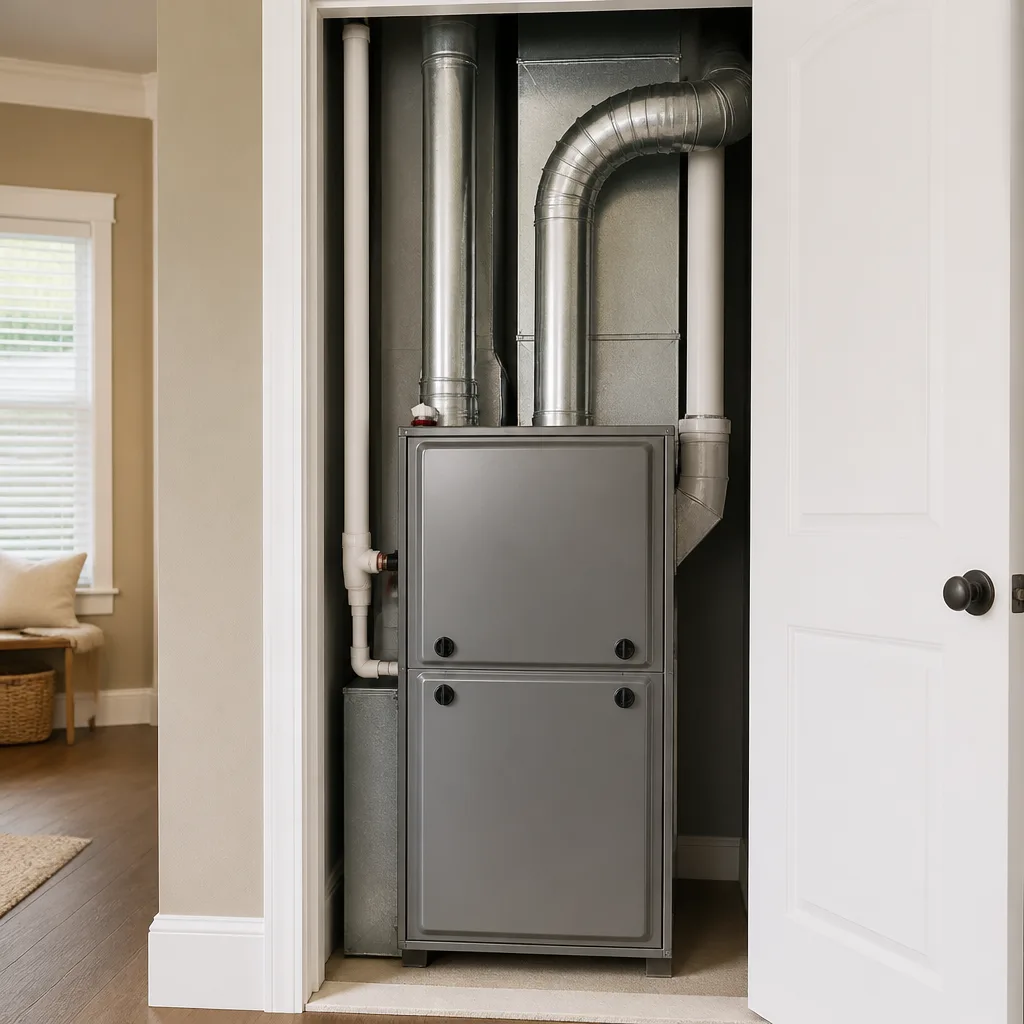 Furnace & heating
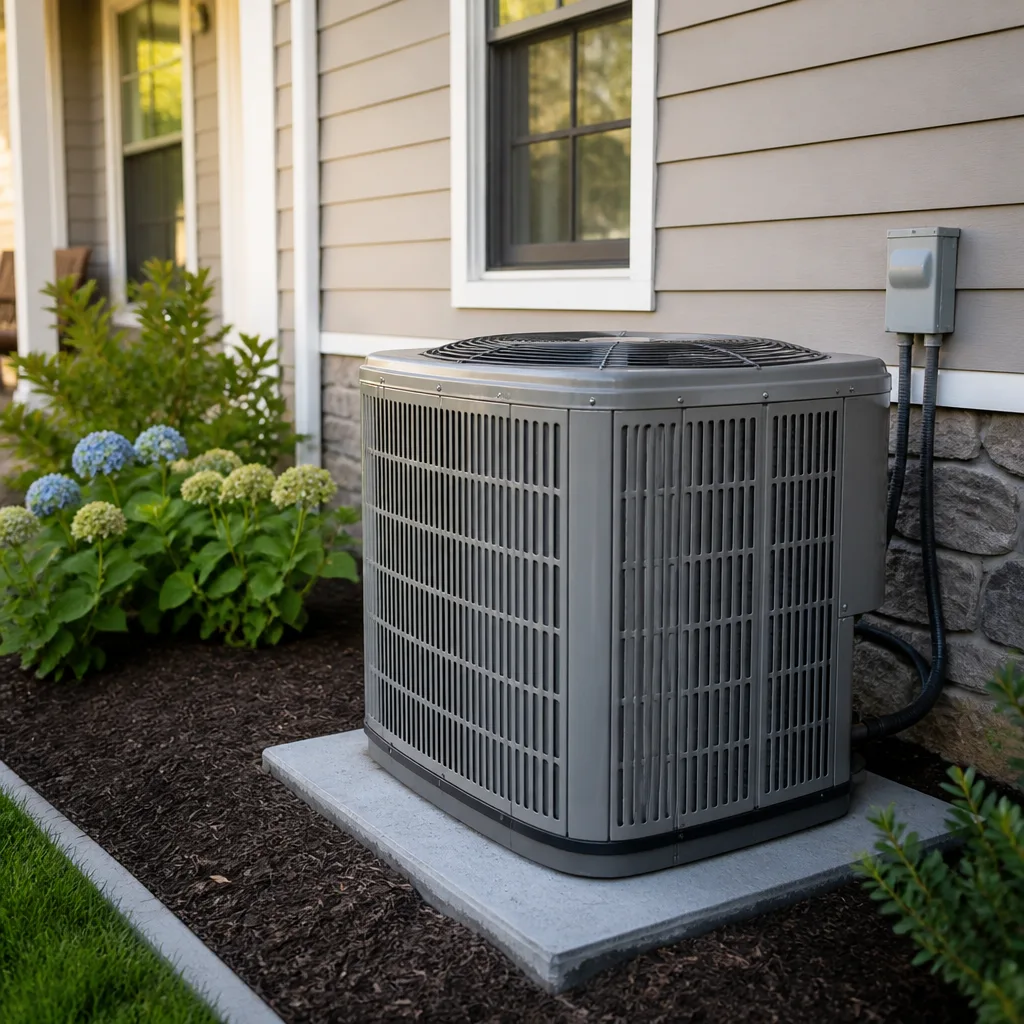 AC repair
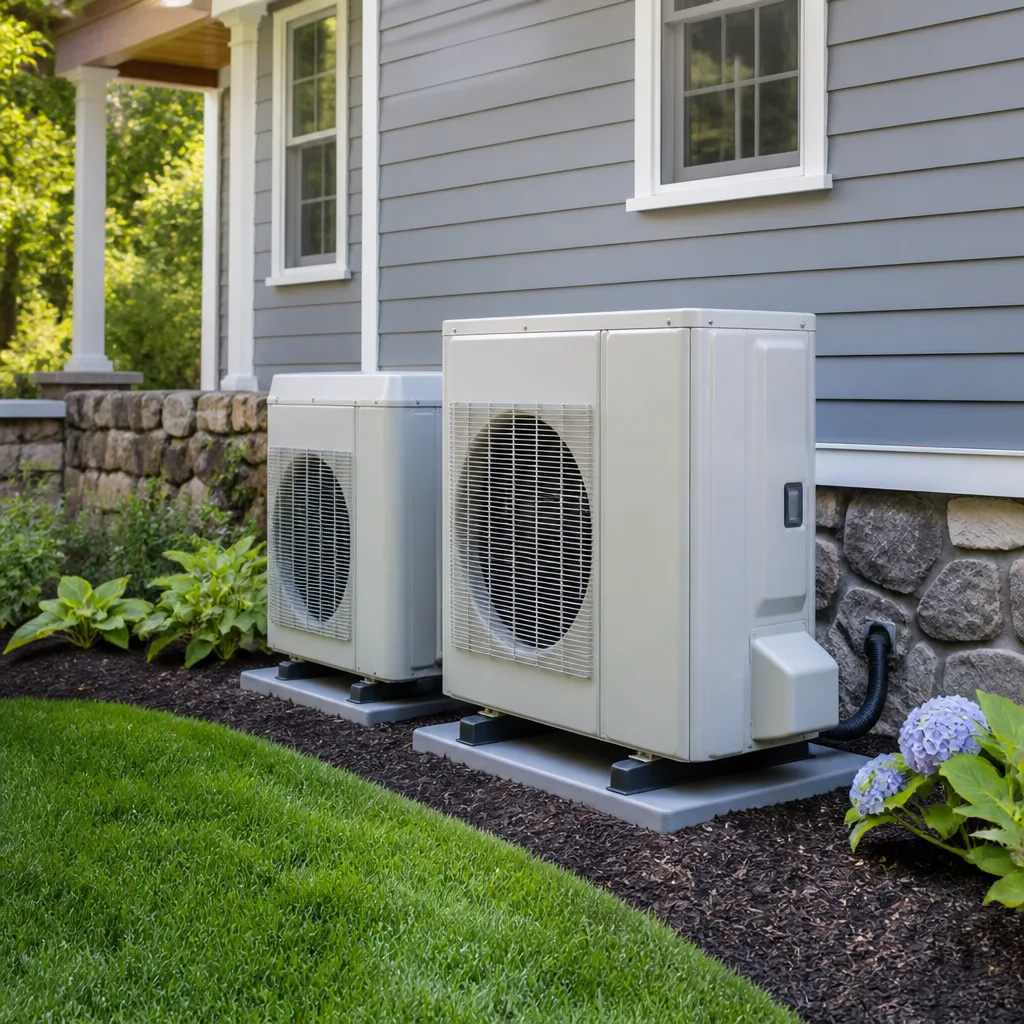 Heat pumps
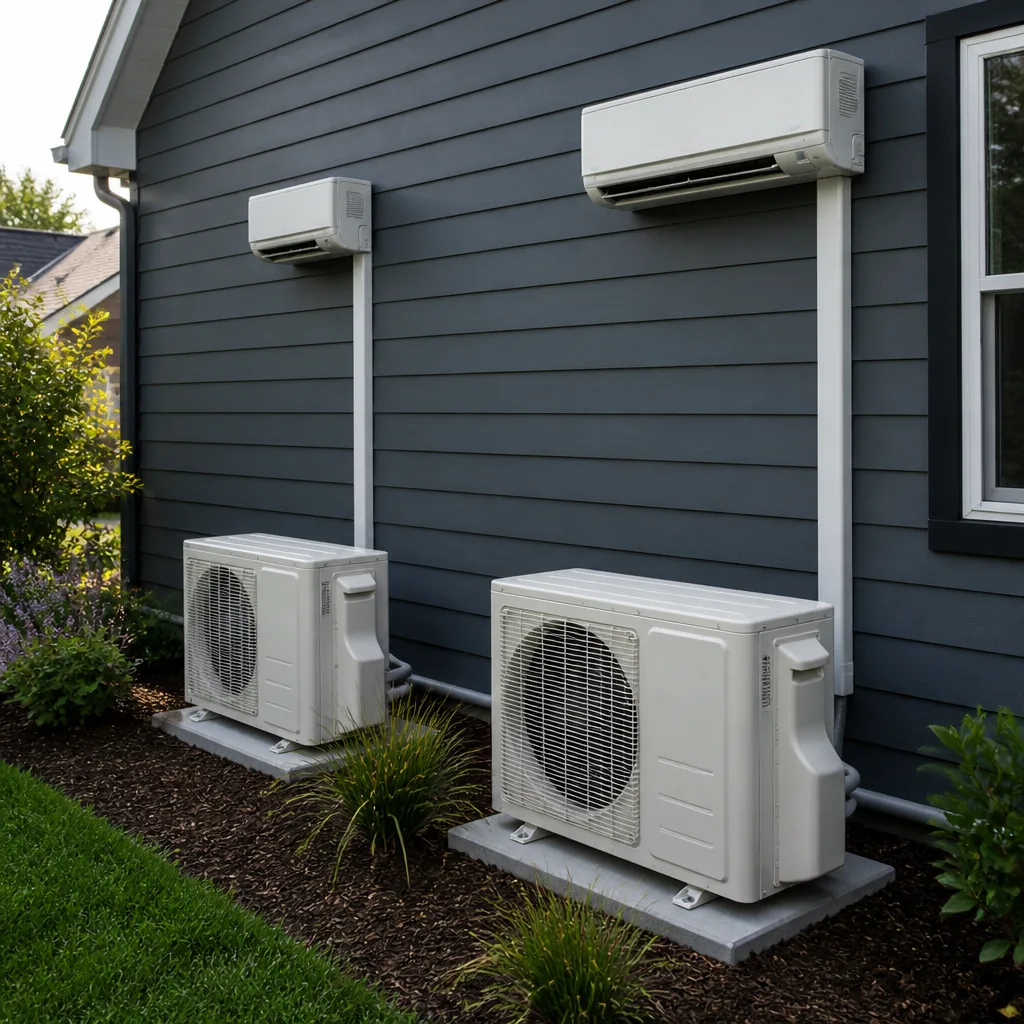 Ductless mini splits
 Carrier
 Trane
 Goodman
Seasonal tune-up and full diagnostic on your Carrier, Trane, or Goodman system - readings shown to you before any repair is proposed
Diagnosis first, numbers second - you approve the repair price before a single part goes in.
Get your free estimateHeating & Furnace Troubleshooting: Common Problems and How to Fix Them
The number one furnace call we get in winter is a unit that quit because the filter was so clogged it tripped a safety switch. That’s a $0 fix that a lot of folks paid a diagnostic fee to find out. It’s the reason we wrote this guide. A furnace that won’t fire in January needs a different approach than one that’s just running weak, and the two problems almost never share a cause. Below we separate the no-heat emergencies from the nuisance problems, show you how to read the blinking code on your control board, and tell you exactly what to check before you pick up the phone in Paradise.
Quick Answer
Most furnace failures come down to a clogged filter, a thermostat set wrong, a dirty flame sensor, or a safety switch that tripped. Check the filter, the thermostat setting, the gas valve, and the blinking error code on the control board first. If you smell gas or a burnt metallic odor, stop and call a professional right away.
Styles & brands we work with
- AC repair
- Furnace & heating
- Heat pumps
- Ductless mini splits
- Carrier
- Trane
- Goodman
Table of Contents
- The 60-Second Triage Checklist
- How to Read Blinking Error Codes
- Furnace Won’t Start vs. Furnace Starts and Shuts Off
- Cracked Heat Exchanger: The Smell That Means Stop
- Why Paradise Furnaces Fail Differently
- What to Have Ready When You Call
- Common Mistakes to Avoid
- Frequently Asked Questions
The 60-Second Triage Checklist
Before you call anyone, run this list. It takes about a minute and it rules out the majority of no-heat calls we roll on in Paradise. Nine times out of ten, when a homeowner tells us the furnace “just died overnight,” one of these five things is the answer.
- Thermostat setting. Make sure it’s set to HEAT, not COOL or OFF, and that the set temperature is at least 3 degrees above the current room temperature. A thermostat that’s only a degree off won’t call for heat and the furnace will sit silent.
- Filter condition. Pull the filter and hold it up to a light. If you can’t see through it, it’s choked. A restricted filter makes the furnace overheat and trip its high-limit safety switch, which is the exact scenario in our opening. Replace it with the correct size and try again.
- Power and breaker. Check the furnace switch (it looks like a light switch near the unit) and the breaker in your panel. A tripped breaker is common after a windstorm up the ridge.
- Gas valve and supply. Confirm the gas valve handle is parallel to the pipe (open), and if you have propane, check the tank level. We see more empty tanks than failed furnaces in the rural stretches outside Paradise.
- Error code LED. Look for a small blinking light on the control board behind the furnace access panel. Note the blink pattern. That code is the single most useful piece of information you can give us.
If all five check out and you still have no heat, that’s when a diagnostic visit earns its keep. Our Heating & Furnace in Paradise page walks through what happens once the person at your door arrives.
How to Read Blinking Error Codes
Modern furnaces from Carrier, Bryant, American Standard and most other brands put a diagnostic LED right on the control board. That light blinks in a pattern, and the pattern points to a specific fault. A code of 3 blinks is often a pressure switch problem. A code of 4 blinks is frequently an open high-limit switch, which usually means airflow trouble or a choked filter. A short-long pattern or a rapid blink is often a flame-sense failure, meaning the board isn’t confirming ignition.
Here’s how to decode yours:
- Find the control board. It’s behind the lower access panel on most furnaces. Turn the unit off at the switch first.
- Watch the LED. Count the blinks in a single cycle, then note how many cycles repeat before a pause.
- Check the sticker. Many manufacturers print a code legend right on the blower door or inside the panel.
- Look up the manual. Search your furnace model number plus “error code chart.” The full manual is almost always online, free, from the manufacturer.
Most codes point straight at the problem. What they don’t tell you is whether the fix is a five-dollar part or a board replacement, and that’s the part a trained eye sorts out. If you’d rather not crawl around the utility closet in the cold, that’s what we’re here for. Reading the code yourself still helps: it means we show up with the right part instead of guessing.
Furnace Won’t Start vs. Furnace Starts and Shuts Off
These are two different problems, and treating them as one wastes time and money. A furnace that won’t start at all has a supply or ignition problem. A furnace that lights, runs a few minutes, then shuts off has a safety or airflow problem. There’s very little overlap between the two.
If it won’t start at all, look here:
- No call for heat from the thermostat (setting, wiring, dead batteries)
- Gas supply off, propane tank empty, or gas valve closed
- Failed igniter or hot-surface element (common on older units)
- Tripped breaker or blown fuse on the control board
- Pressure switch stuck open because of a blocked flue or condensate line
If it starts and shuts off, look here:
- Dirty flame sensor (the single most common short-cycle cause)
- Clogged filter or blocked return air choking airflow
- High-limit switch tripping from overheating
- Failing blower motor or capacitor
- Flue blockage or venting issue forcing a safety shutdown
Knowing which of these two buckets your furnace fits in tells you how urgent the call is. A no-start in single-digit weather is an emergency. A unit that short-cycles every twenty minutes can often wait until morning.
Cracked Heat Exchanger: The Smell That Means Stop
A cracked heat exchanger is the one furnace problem that is genuinely dangerous, and it’s worth knowing the warning signs. The heat exchanger is the metal chamber that keeps combustion gases separate from the air you breathe. When it cracks, carbon monoxide can leak into your home’s air. You may notice a burnt, metallic, or formaldehyde-like smell, soot around the furnace, a yellow or flickering burner flame instead of a steady blue one, or a headache that shows up when the heat runs.
If you detect any of this, do three things and do them in order:
- Shut the furnace off at the thermostat and the switch. Stop running it.
- Open windows and get fresh air moving through the house.
- Leave the unit off, get everyone outside or into a well-vented space, and call a professional. If anyone feels dizzy or nauseous, call 911 first.
This is not a repair to attempt yourself, and it’s not a component to patch and hope. A cracked heat exchanger usually means the furnace has reached the end of its service life, and a proper inspection confirms it. If you suspect this, do not run the unit while you wait for someone to look at it.
Why Paradise Furnaces Fail Differently
Paradise sits at high desert elevation, and our winters swing hard between mild days and freezing nights. That temperature cycle does things to a furnace that a steady cold climate doesn’t. The unit runs a short cycle in the afternoon, then has to fire hard after midnight. That on-and-off puts stress on the igniter and the flame sensor, and it’s why we see so many short-cycle calls in January.
Our dry air matters too. Low humidity means more dust in the return, and dust is what fouls a flame sensor and clogs a filter. In the older stretches of Paradise and the outlying rural lots, we also run into propane systems with their own quirks: regulators that get finicky in the cold, tanks that run low at the worst time. If your home heats on propane, check the tank before you assume the furnace failed.
Wind up the ridge can trip breakers and knock loose vent connections, so a no-start after a windy night is worth a breaker check first. In our experience, a well-maintained furnace handles a Paradise winter fine. It’s the neglected ones that pick the coldest night of the year to quit.
What to Have Ready When You Call
The best thing you can do for your wallet is to give the person on the other end of the line enough to show up prepared. A technician who knows the furnace model and the error code walks in with the right part instead of diagnosing on your dime while you wait. Have these five things ready:
- Furnace make and model. It’s on a data plate inside the unit or on the blower door. Carrier, Trane, Lennox, Goodman, Daikin, Rheem, York, Bryant, American Standard: the model number tells us the age and the likely culprits.
- The error code. Whatever the LED blinked out. This is the single most valuable detail.
- What it’s doing. Won’t start at all, or starts and shuts off? How long does it run before quitting?
- Recent history. When was the filter last changed? Has the unit been serviced this season? Any recent storms or power outages?
- Fuel type and any smell. Natural gas or propane? If you smell gas or a burnt metallic odor, say so right away. That changes the urgency and the safety steps.
Have that list ready and the call gets shorter, the visit gets faster, and the bill gets smaller. That’s the whole point.
Common Mistakes to Avoid
- Pressing the reset button over and over. If your furnace has a reset button and it keeps tripping, something is genuinely wrong. Hitting reset repeatedly can flood the combustion chamber with gas. One reset, then stop and call.
- Running a clogged filter “just a little longer.” A choked filter overheats the furnace and trips the high-limit switch, and over time that cooks the heat exchanger. Change it on schedule, not when the heat quits.
- Ignoring a short-cycling furnace for weeks. A unit that shuts off every few minutes is telling you something. Waiting until it dies on the coldest night of the year in Paradise turns a small repair into an emergency call.
- Chasing the cheapest quote on the phone. A price quoted before anyone looks at the unit is a guess, and it’s the guess that becomes a surprise at the door. Upfront pricing comes after real diagnostics, not before.
- Assuming a no-heat call means a dead furnace. Half the time it’s a filter, a thermostat, or an empty propane tank. Run the triage checklist before you spend a dime.
- Blocking return air vents with furniture. A sofa pushed over a return vent starves the furnace for air and causes the same overheating a clogged filter does. Keep returns clear.
- Running a unit with a suspected cracked heat exchanger. This is the mistake that matters most. If you smell burnt metal or see a yellow burner flame, shut it down and open the windows.
See the difference
 Before
 After
 Before
 After
 Before
 After
When to Call a Professional
Call a professional when you’ve run the triage checklist and still have no heat, when you smell gas or burnt metal, when the furnace short-cycles, or when you find a cracked heat exchanger. Call when the error code points to a component you can’t safely test, or when you’re not comfortable opening a gas appliance. High-voltage and gas components are not a do-it-yourself job, and getting them wrong can hurt you. For anything involving the heat exchanger, gas valve, or control board, a trained technician is the right call every time. Ray’s Heating & Air Paradise offers free estimates in Paradise – call (855) 664-5714.
Frequently Asked Questions
Check the thermostat setting, the filter, the furnace switch and breaker, the gas or propane supply, and the blinking error code on the control board. Those five steps solve most no-heat calls before anyone knocks on your door. If all five are fine, it’s time for a diagnostic visit. Call (855) 664-5714 for an exact quote – estimates are free.
It’s the control board telling you which fault it detected. Count the blinks in a single cycle, check the legend sticker on the blower door, and look up your model’s code chart in the manual. Most codes point directly at the problem, whether that’s a pressure switch, a high-limit trip, or a flame-sense failure.
Yes. A cracked heat exchanger can let carbon monoxide leak into your home’s air. If you smell burnt metal or formaldehyde, see a yellow burner flame, or notice a headache when the heat runs, shut the furnace off, open the windows, and call a professional. Don’t run the unit while you wait.
Short-cycling usually means a dirty flame sensor, a clogged filter, or a tripping high-limit switch. Those are airflow and safety problems, not ignition problems, and they’re different from a furnace that won’t start at all. A technician can confirm which one in a single visit. Call us for upfront pricing after real diagnostics.
Every one to three months, depending on the filter and how much dust your home sees. Our dry high desert air loads filters faster than a humid climate, so check it monthly in winter. A choked filter is the most common cause of a furnace tripping its safety switch.
Yes. We work on all major brands, including Carrier, Trane, Lennox, Goodman, Rheem, York, Daikin, Bryant, and American Standard. Our technicians have up to 24 years of experience, and every heating job carries the 90-Day Done Right Promise in writing. Call (855) 664-5714 to book a visit.
The Bottom Line
A furnace that won’t fire needs a different approach than one that’s just underperforming. Run the five-point triage first: thermostat, filter, power, gas supply, error code. Decode the blinking LED and it usually tells you the problem. Learn to tell a no-start from a short-cycle, because the causes barely overlap. And take a burnt metallic smell seriously: shut the unit down, open the windows, and call. Most winter no-heat calls come down to a filter or a flame sensor, cheap fixes found fast. That’s the difference between a cold night and a cold week in Paradise.
Need a hand getting your heat back? Start with our Ray’s Heating & Air Paradise home page, our AC Repair & Installation in Paradise service, or our Heat Pump & Mini Split in Paradise work if you’re weighing an upgrade. Call (855) 664-5714 for a free estimate.
Written by the team at Ray’s Heating & Air Paradise.