
Last updated November 18, 2026
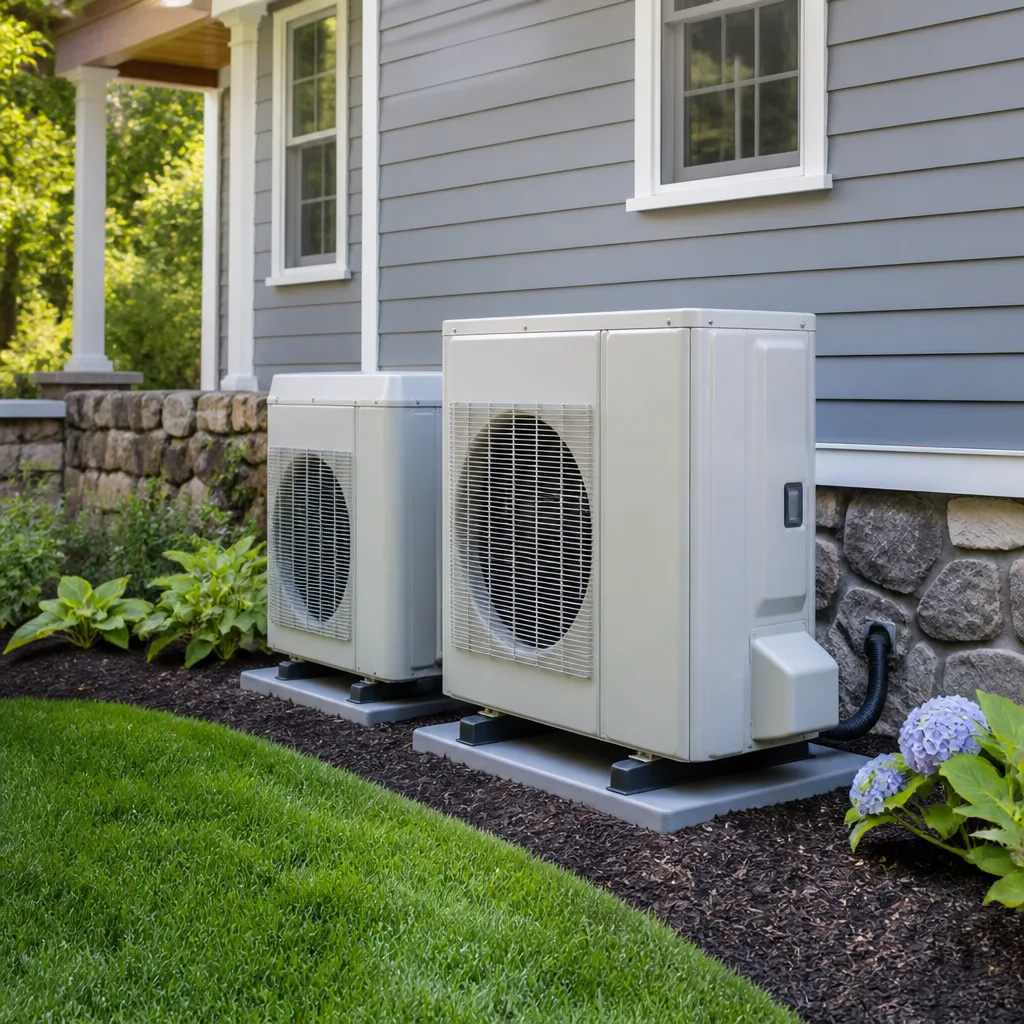 Heat pumps
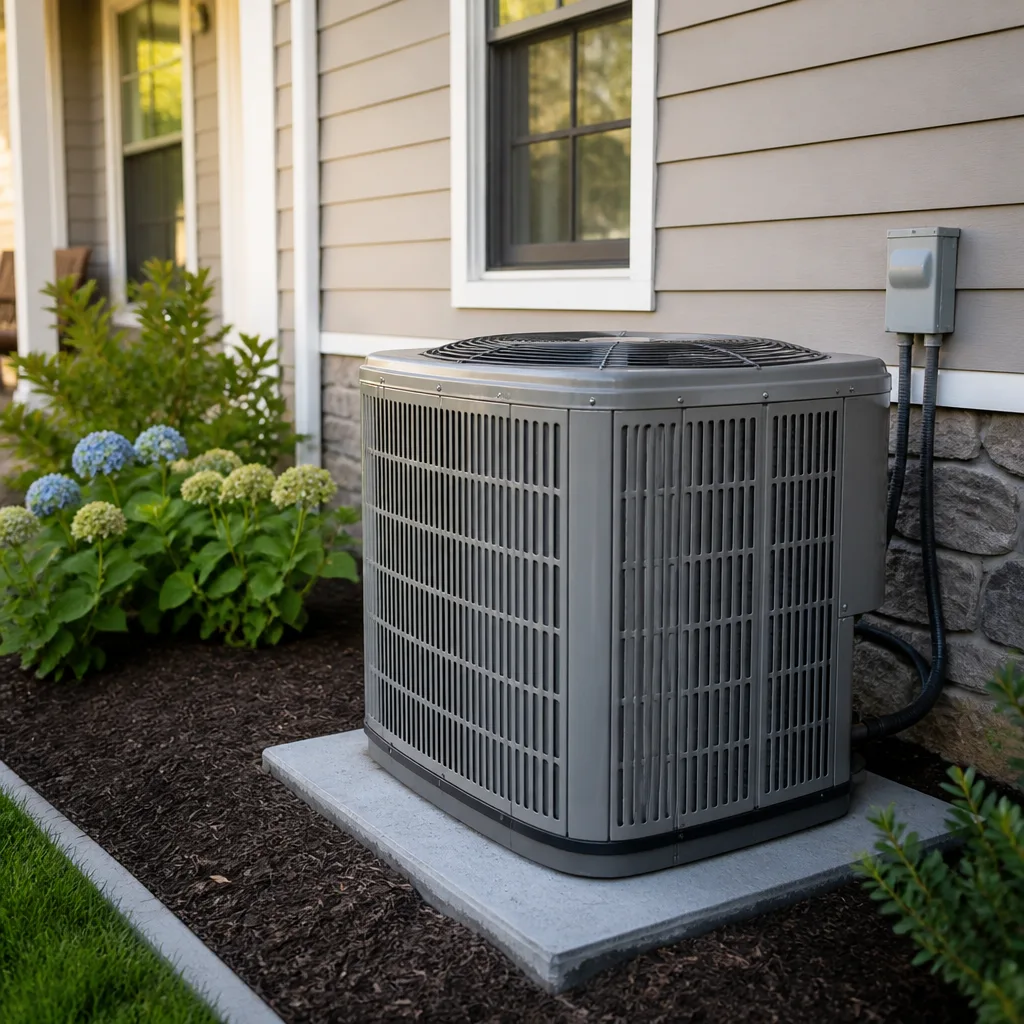 AC repair
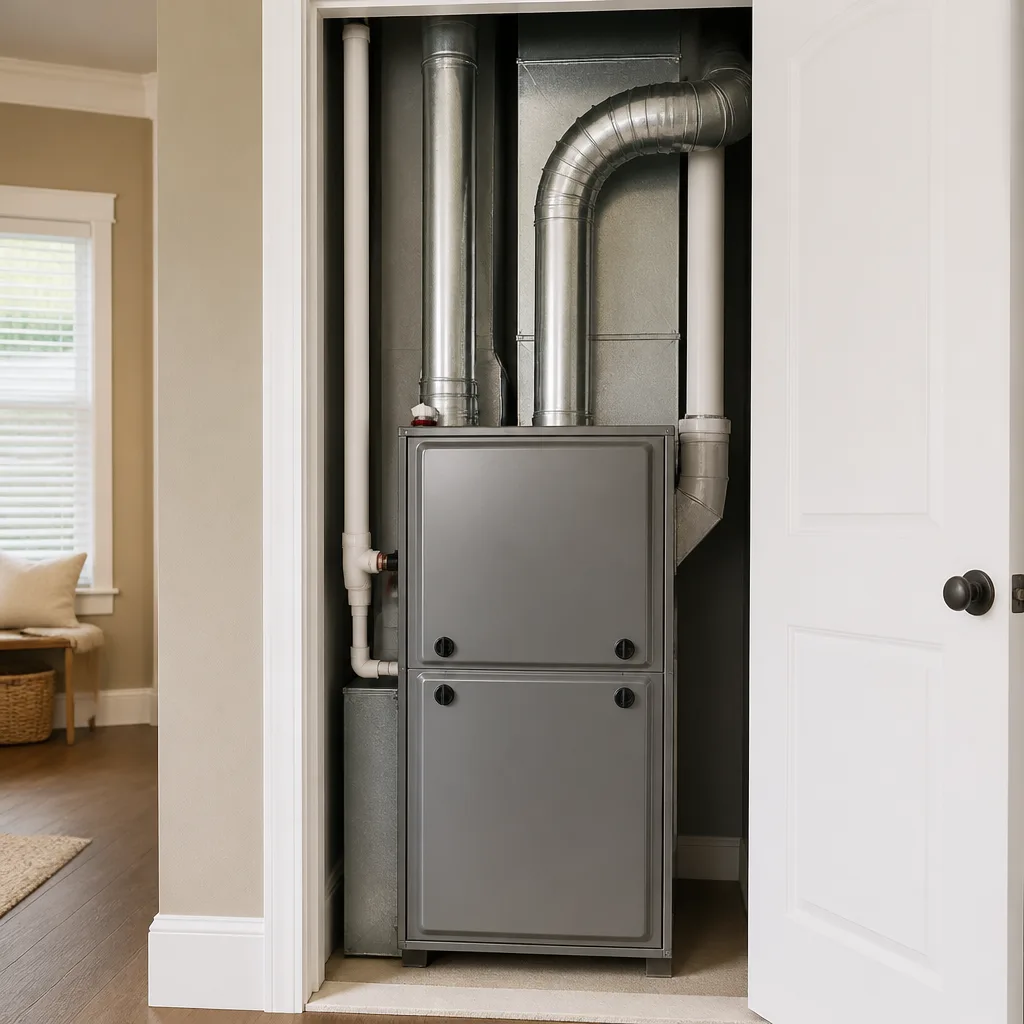 Furnace & heating
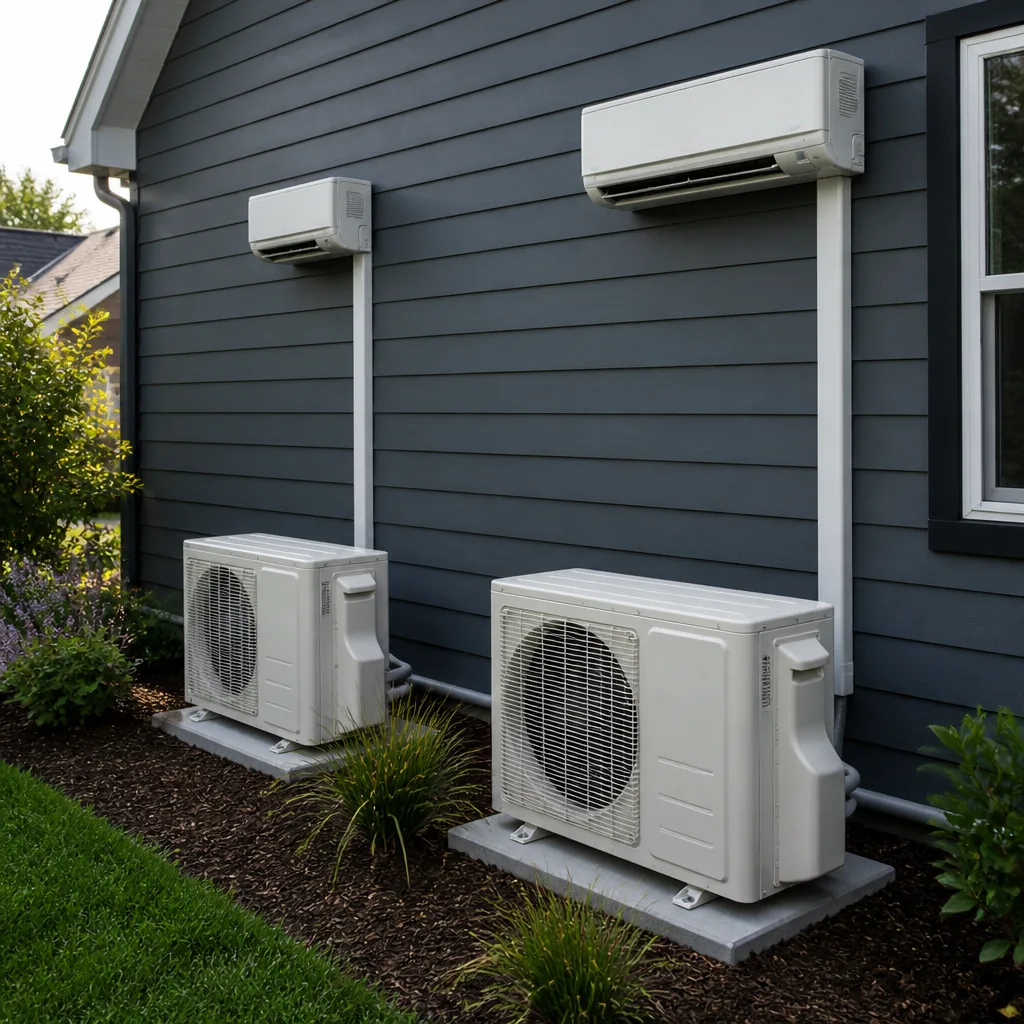 Ductless mini splits
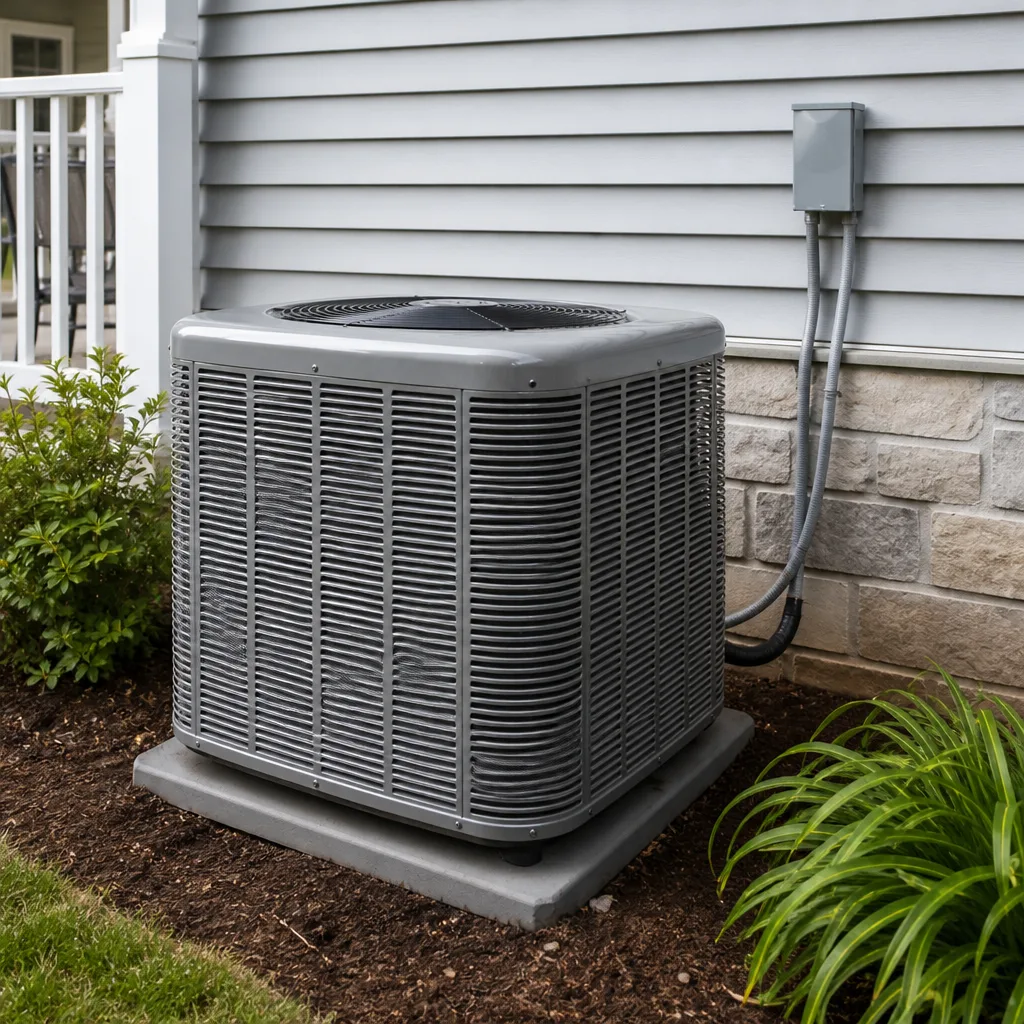 Carrier
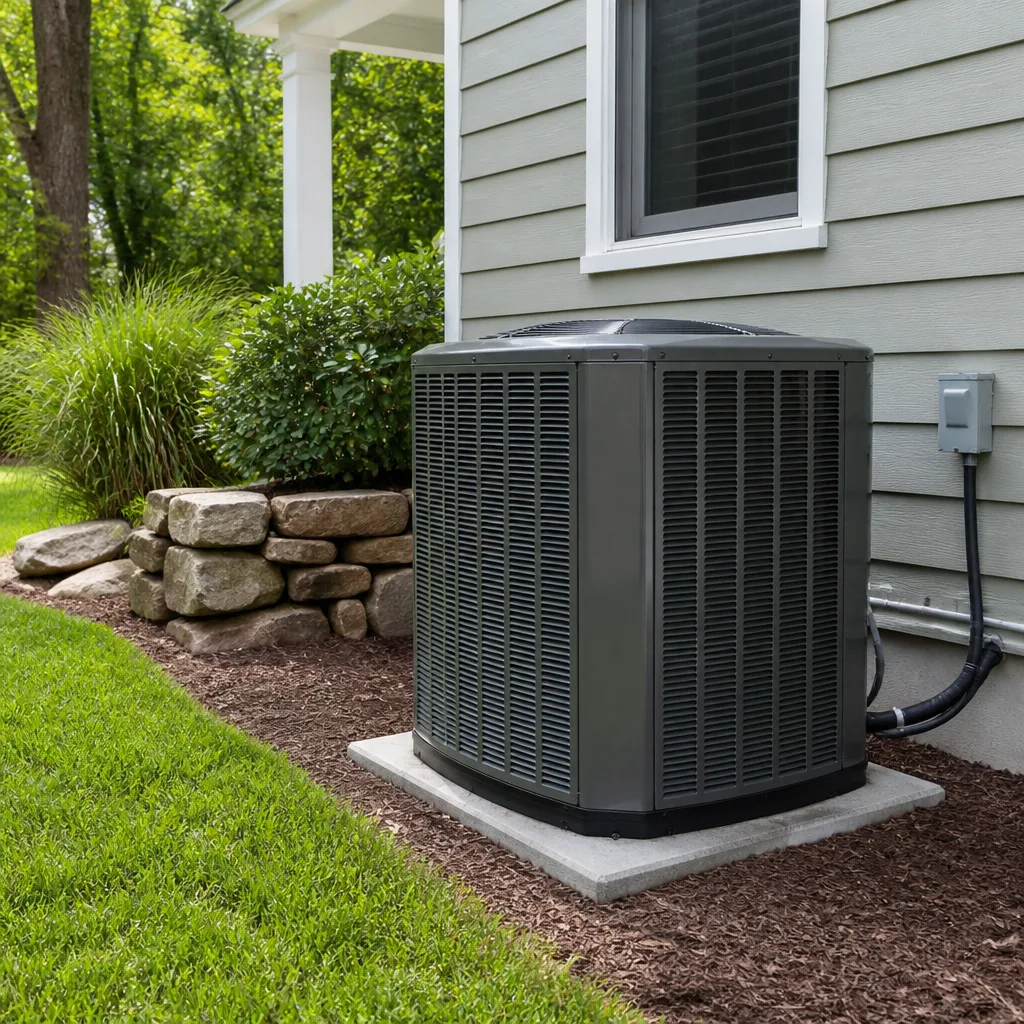 Trane
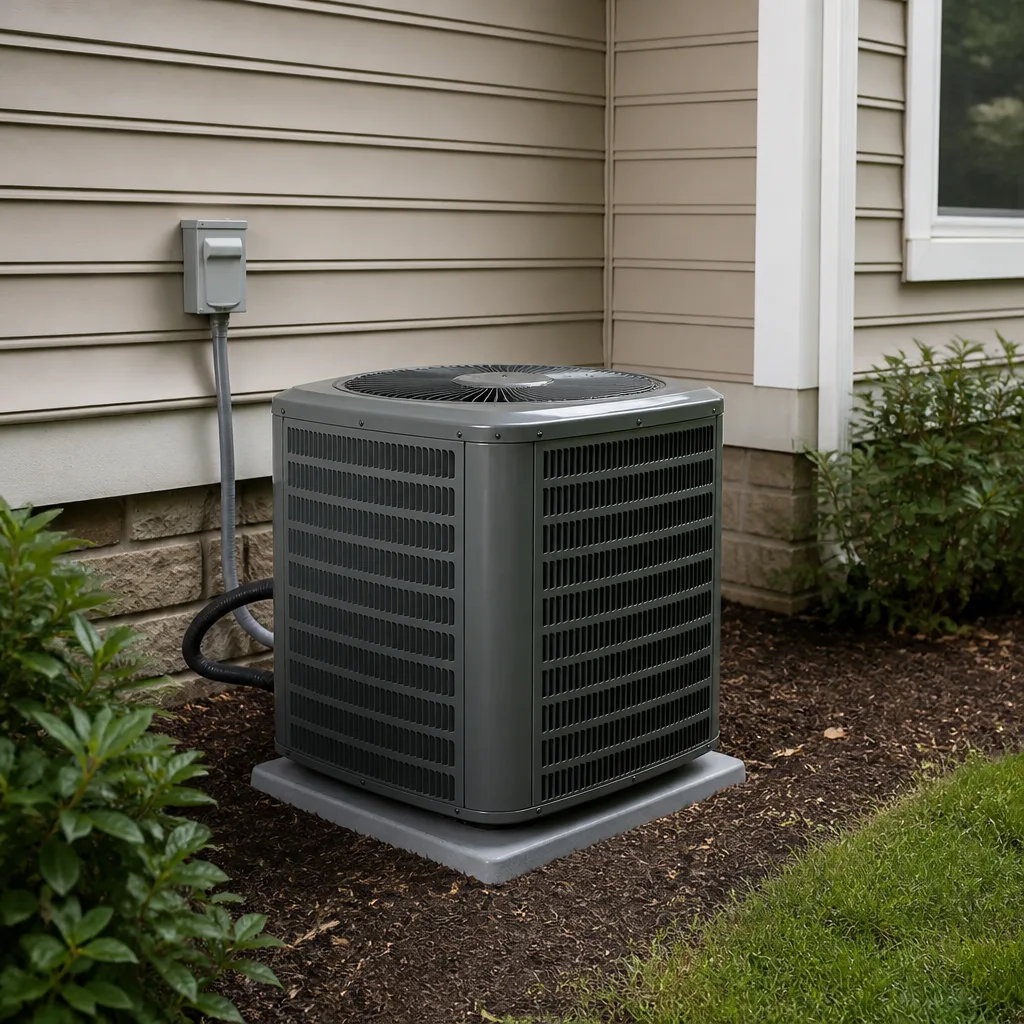 Goodman
Seasonal tune-up and full diagnostic on your Carrier, Trane, or Goodman system - readings shown to you before any repair is proposed
Diagnosis first, numbers second - you approve the repair price before a single part goes in.
Get your free estimateHeat Pump & Mini Split Warning Signs Every Homeowner Should Know
The warning sign most Paradise homeowners miss is a $40 creep in their summer power bill. It shows up slowly, month over month, and gets blamed on the utility. Often it isn’t. A ductless mini split that’s quietly losing efficiency draws more power to do the same job, and by the time it stops cooling altogether, it’s been telling you for a season. Paradise summers run hard on equipment – 110-degree afternoons are normal, and the Mojave wind that carries grit through the valley doesn’t help either. Mini splits fail quietly in ways that show up on your bill and in your comfort long before the unit quits. This guide walks through the signals worth catching, what each one means, and what you can check yourself before calling anyone.
Quick Answer
Mini splits and heat pumps give warning before they fail: rising power bills, a unit that runs constantly without holding temperature, ice on the coil or line set, unusual sounds, and persistent odors. In a desert climate like Paradise, these signals get misread as “it’s just hot here.” Catching them early usually means a smaller repair – a dirty coil, a low charge, a failing capacitor – instead of a compressor replacement. Most of these can be checked at home in under half an hour.
Styles & brands we work with
- AC repair
- Furnace & heating
- Heat pumps
- Ductless mini splits
- Carrier
- Trane
- Goodman
Table of Contents
- Why a Rising Power Bill Is Your First Warning
- “It Runs All the Time Now” – The Two Causes to Rule Out First
- Where the Ice Forms Tells You What’s Wrong
- The Four Sounds a Mini Split Makes and What Each One Means
- The Two-Thermometer Test: Is Your Unit Actually Holding Temperature?
- What Odors Mean in a Desert Climate
- Filters, Grit, and the Desert Dust Factor
- When to Call a Professional
Why a Rising Power Bill Is Your First Warning
A mini split that’s lost efficiency doesn’t announce itself. It just works harder. The compressor runs longer, the fans cycle more, and the meter turns faster to deliver the same cooling you had last year. When we look at homes around Paradise, the pattern repeats: a homeowner sees an extra $30, $40, $60 on the summer bill, decides it’s rate increases, and forgets about it until August.
What makes this tricky in southern Nevada is that rates do change, and summer heat does drive consumption up. So the bill is noisy. To separate real problems from weather, compare the same month year over year, or compare kilowatt-hours per cooling degree day if your utility app shows it. A system that’s drawing 15 to 25 percent more power for the same weather has changed. Something in it changed too.
The usual efficiency robbers on a ductless system:
- A dirty indoor coil. Dust film insulates the coil and cuts heat transfer.
- A dirty outdoor coil. Same idea, opposite side of the loop.
- A clogged filter. Airflow drops and the blower motor works harder.
- A slow refrigerant leak. The system runs longer to hit setpoint, or never does.
- A failing capacitor or contactor. Short cycling burns more power per minute of cooling.
Two of those (filters and coil cleaning on the indoor head) are within reach for a careful homeowner. The rest need gauges and meters. When we run a diagnostic, readings come first and numbers come second – you see the actual refrigerant pressures and electrical draw before anyone quotes a repair. If your bill has crept and you’re in Paradise, that’s the right starting point. Our Heat Pump & Mini Split in Paradise page explains how a diagnostic visit works.
“It Runs All the Time Now” – The Two Causes to Rule Out First
A variable-speed mini split running long on a 108-degree day isn’t automatically broken. Inverter-driven units are designed to ramp down and run steadily, which is actually more efficient than short, hard blasts. A unit that runs 12 to 16 hours continuous on the hottest afternoons is often doing exactly what it should.
But there’s a difference between “runs long” and “runs all the time.” A healthy inverter split will still cycle down to a lower output and pull the room to setpoint. A problem unit runs at high output and never catches up. Two causes account for most of the cases we look at in Paradise:
- Low refrigerant charge. Whether from a slow leak at a flare fitting or just the slow loss that happens over years, low charge means the compressor has to run harder for less cooling. The unit will hit short – it cools the room most of the way but never quite finishes.
- Restricted airflow. A dirty filter, a blocked blower wheel, or (commonly) an outdoor unit hemmed in by a fence, patio furniture, or the mesquite shrubs that grew over two summers. If the condenser can’t breathe, it dumps heat less efficiently and the system fights itself.
There’s a third cause worth mentioning that isn’t a failure at all: an undersized or improperly commissioned unit. If you bought the place with the mini split already installed, a contractor may have sized it to a load calculation that didn’t account for Paradise’s summer peak, or the charge may not have been verified at install. That’s a conversation we’ve had in several homes in the area, and it shows up as “runs constantly” every summer.
Before you assume the worst, walk outside and check that the outdoor unit has clear airflow on all sides. Check the filter inside. Those two steps solve a surprising number of “runs all the time” calls. If they don’t, the compressor needs to be tested properly. We test the capacitor before anyone says the word compressor – and if you want a second look on a written estimate from someone else, we’ll give you one. Our main page at Ray’s Heating & Air Paradise home lays out how that works.
Where the Ice Forms Tells You What’s Wrong
Ice on a mini split is a symptom with two very different meanings depending on where it shows up. Treating them the same way – which usually means “wait it out” – makes both worse. In our experience, this is the single biggest missed signal in Paradise, where the humidity is low enough that ice can build slowly and go unnoticed.
Ice on the indoor coil
When the coil inside the head ices over, it’s almost always one of two things: a refrigerant charge that’s too low, or airflow that’s been choked down. Low charge drops the coil pressure enough that the coil temperature falls below freezing and frost forms. Restricted airflow (dirty filter, blocked blower, dirty coil) means the coil gets colder than the air it’s trying to cool, and the same thing happens.
Turn the unit off if the coil is frozen. Let it thaw completely, then clean the filter and try again. If it refreezes within a day, you’re looking at a charge or airflow problem and it needs gauges to diagnose.
Ice on the line set
The line set is the pair of copper lines running from the outdoor unit to the indoor head. Ice on the line set – especially the thicker suction line – usually points at a refrigerant restriction or a low charge. This one is more serious than indoor coil ice because it often means the system is trying to run on too little refrigerant and the compressor is at risk.
Don’t chip ice off either one. You’ll damage fins or the copper. Shut the unit down and call. Frost on a line set is one of the fastest, clearest diagnostic clues you can give the person taking the call.
The Four Sounds a Mini Split Makes and What Each One Means
Mini splits aren’t silent, and not every sound is a problem. Sorting out which is which saves you a lot of worry. Here’s how we break them down in the field:
- Click at startup. Normal. That’s the contractor or relay switching as the unit turns on or changes modes. One click at start, one at stop.
- Gurgle or gentle whoosh. Usually fine. Refrigerant moving through the lines makes this sound, especially right after a mode change. If it’s steady during normal operation and there’s no other symptom, don’t worry.
- Rattle or buzzing. Not fine. Something is loose – a fan blade, a panel, a loose component on the compressor mount, or a bug or debris that worked its way into the housing. Persistent rattle means metal is wearing on metal somewhere. Worth a look before it turns into a fan motor.
- Hiss. Call someone now. A hiss is the sound of refrigerant escaping. If you hear it, shut the unit off and get a technician out. Refrigerant isn’t just a charge issue – it’s a safety issue, and the leak location needs proper testing.
In desert climates, grit can also cause a soft grinding sound from the outdoor fan bearing. That’s less urgent than a hiss, but it’s a sign the fan motor is on its way out. Catching it early keeps you from being without cooling on the hottest week of the year.
The Two-Thermometer Test: Is Your Unit Actually Holding Temperature?
This is the test any homeowner can run in about 20 minutes with two digital thermometers – one kitchen thermometer and one room thermometer works if you don’t have two of the same. It tells you whether your unit is maintaining set temperature or simply running without achieving anything. Here’s the step-by-step:
- Pick a day when the outdoor temperature is at least 95 degrees. Paradise summer gives you plenty.
- Set the mini split to 72 degrees and leave it for at least 30 minutes without opening doors or windows.
- Place one thermometer near the indoor head (about a foot away, in the airstream) and the other at the far side of the room, ideally 10 feet or more from the unit.
- After 15 more minutes, read both. The supply air at the head should be 15 to 20 degrees cooler than the return room air. If it’s only 8 to 10 degrees cooler, something is off.
- Read the return temp against your setpoint. If the room is still 4 or more degrees above setpoint after a full hour of run time, the unit isn’t holding.
What this test does is separate “runs long” from “runs and does nothing.” If the room is holding 72 and the unit is earning it with 16-degree temperature split, it’s healthy. If the room is 78 and the unit is running, it isn’t. Either way, you now have real numbers to share with whoever comes out.
What Odors Mean in a Desert Climate
Smell is often the last sense a homeowner uses to diagnose an HVAC problem, but in a dry climate like Paradise it’s actually a useful early signal. What you smell tells you where to look:
- Dusty, musty, slightly sour smell. That’s the indoor coil and blower wheel getting loaded with dust and biological film. In low-humidity climates this builds slower than in the east, but it still builds – especially if the unit runs continuously through the summer. A dirty-coil smell is fixable with a proper cleaning.
- Sweet or chemical smell near the outdoor unit. That can be refrigerant. Refrigerant has a faint sweetish odor added as a tracer in some blends, and it’s a signal to shut down and call. Coil ice or hissing often accompanies this.
- Hot, burning, or “electrical” smell near the indoor head or outdoor unit. This one means wiring is getting hot, usually a loose connection or a failing component. Shut the unit off immediately and don’t run it again until someone inspects the electrical side. This is a fire-safety issue, not a comfort issue.
- Rotten-egg or dead-animal smell. Often something got into the ductwork or the outdoor housing. When we look at a system in Paradise where the unit sat unused for a season, this comes up. Clean and inspect before running it.
If the smell is electrical, don’t wait for business hours. Call.
Filters, Grit, and the Desert Dust Factor
Paradise sits in the Mojave, and the wind that comes through the valley in spring carries fine grit that finds every seam. Mini split heads pull air through their filters continuously, which means those filters load up faster here than they do for a homeowner in a wetter climate. Pull the filter every 30 days in the summer and rinse with lukewarm water. Let it dry fully before reinstalling. A quick visual check of the outdoor coil every couple of months is worth doing too, especially after a windy stretch.
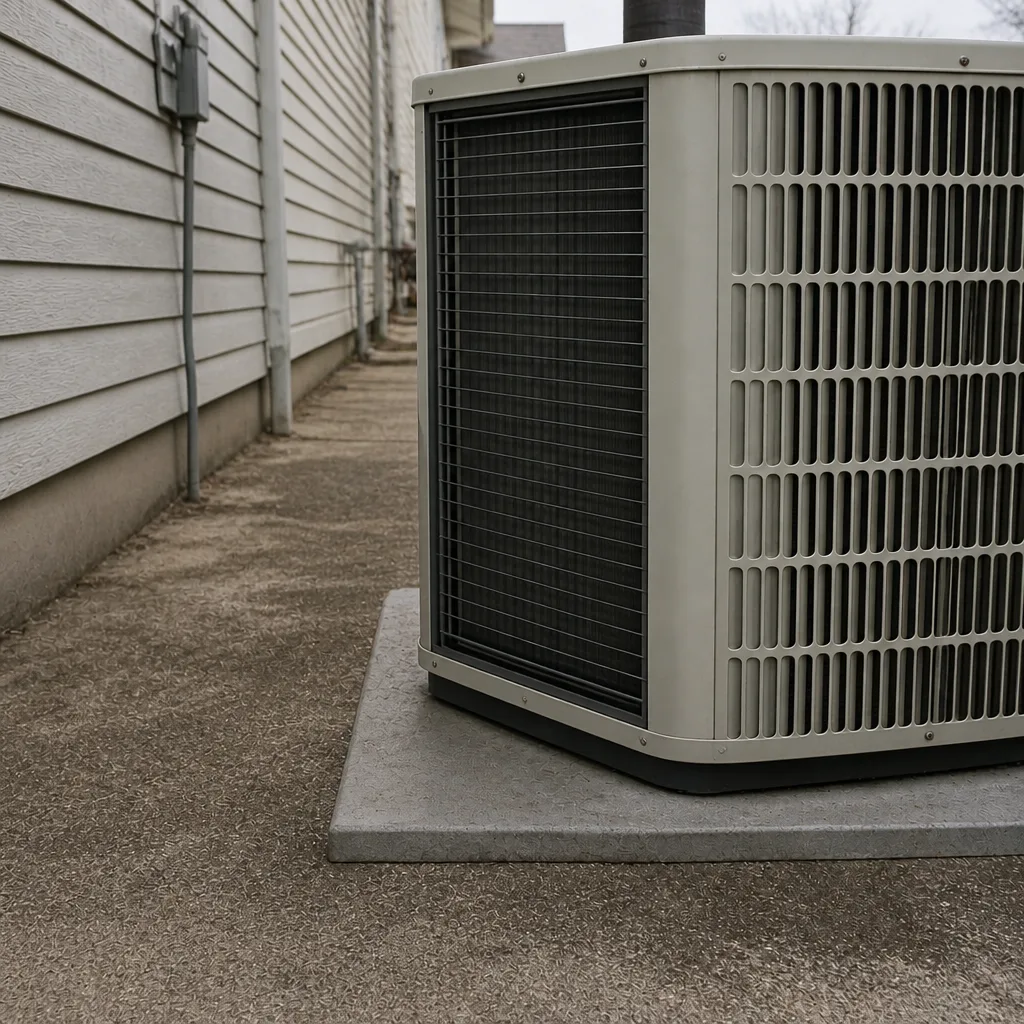
Beyond the filter, the outdoor unit on a ductless system needs breathing room. Make sure there’s at least a foot of clearance on the sides and back. Trim back whatever’s grown over it, and don’t stack anything on top. A condenser that can’t reject heat runs harder, draws more power, and ages faster.
Brands matter a little here. Goodman and Rheem units have good service-parts availability locally, and Daikin and York are reliable on inverter components. But no brand survives a dirty coil and a blocked condenser. Dust is the equalizer.
If your system is holding temperature and just needs cleaning, we’ll say so. Our AC Repair & Installation in Paradise page covers how we handle a maintenance call when a full repair isn’t needed. If it’s cold weather that’s coming and you have a heat pump side to worry about, our Heating & Furnace in Paradise page is the right place to start.
Common Mistakes to Avoid
- Chip ice off the coil or line set. You’ll bend fins or nick the copper and turn a cheap repair into a costly one. Shut the unit off and let it thaw.
- Assume a big bill is just NV Energy rates. Compare year over year, or call and let someone read the numbers. In our experience, a 15 to 25 percent increase for the same weather is the unit, not the utility.
- Keep resetting the breaker. If a mini split trips the breaker more than once, something is drawing too much current. Stop resetting and get it looked at.
- Ignore electrical smells. A hot-wiring smell from the indoor head or outdoor unit is a fire risk. Shut off power at the breaker and call.
- Run a frozen unit to “see if it clears.” It won’t. Ice builds faster when the unit keeps trying. Off, thawed, then diagnose.
- Top off refrigerant without finding the leak. Refrigerant doesn’t get used up. If it’s low, it’s leaking somewhere. Charge-only repairs just delay the next failure.
- Skip the filter for a month or two. Paradise dust loads filters faster than most homeowners expect. Thirty days in summer is the right interval.
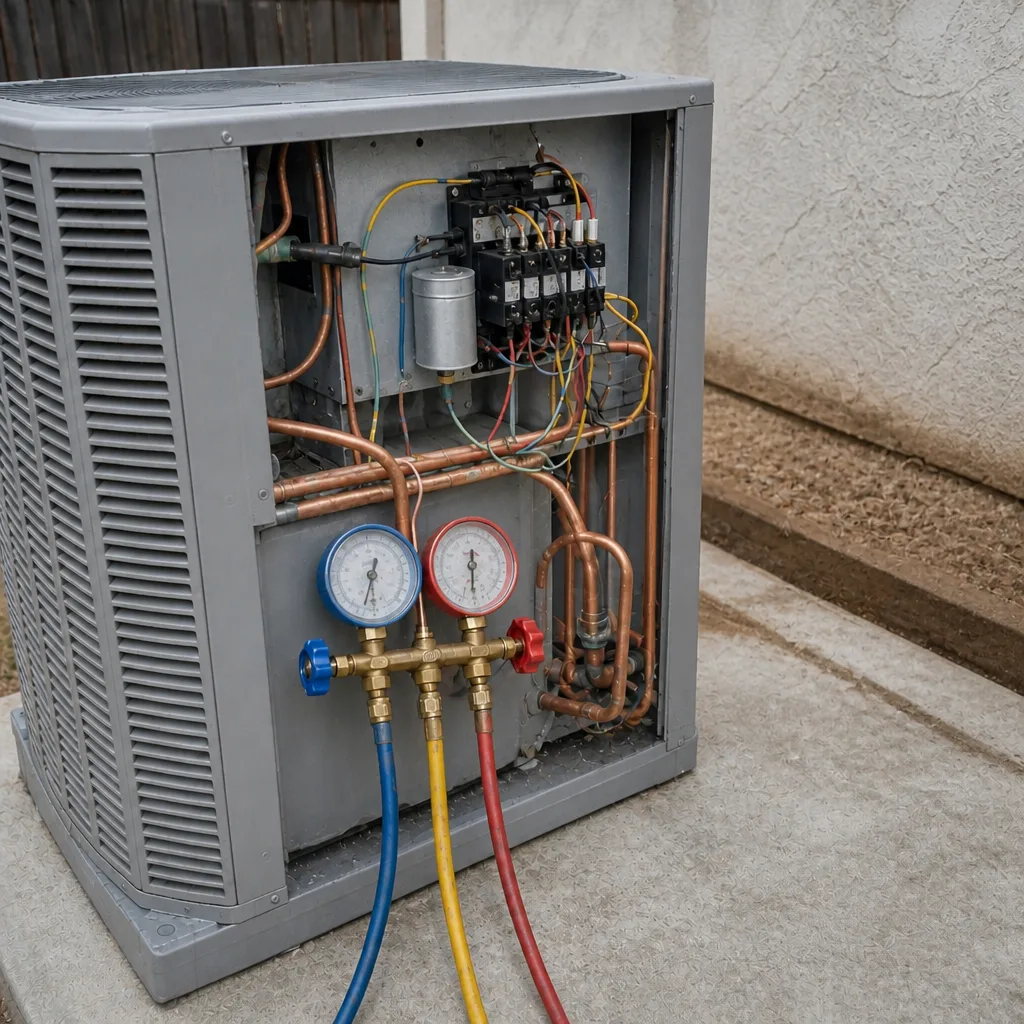
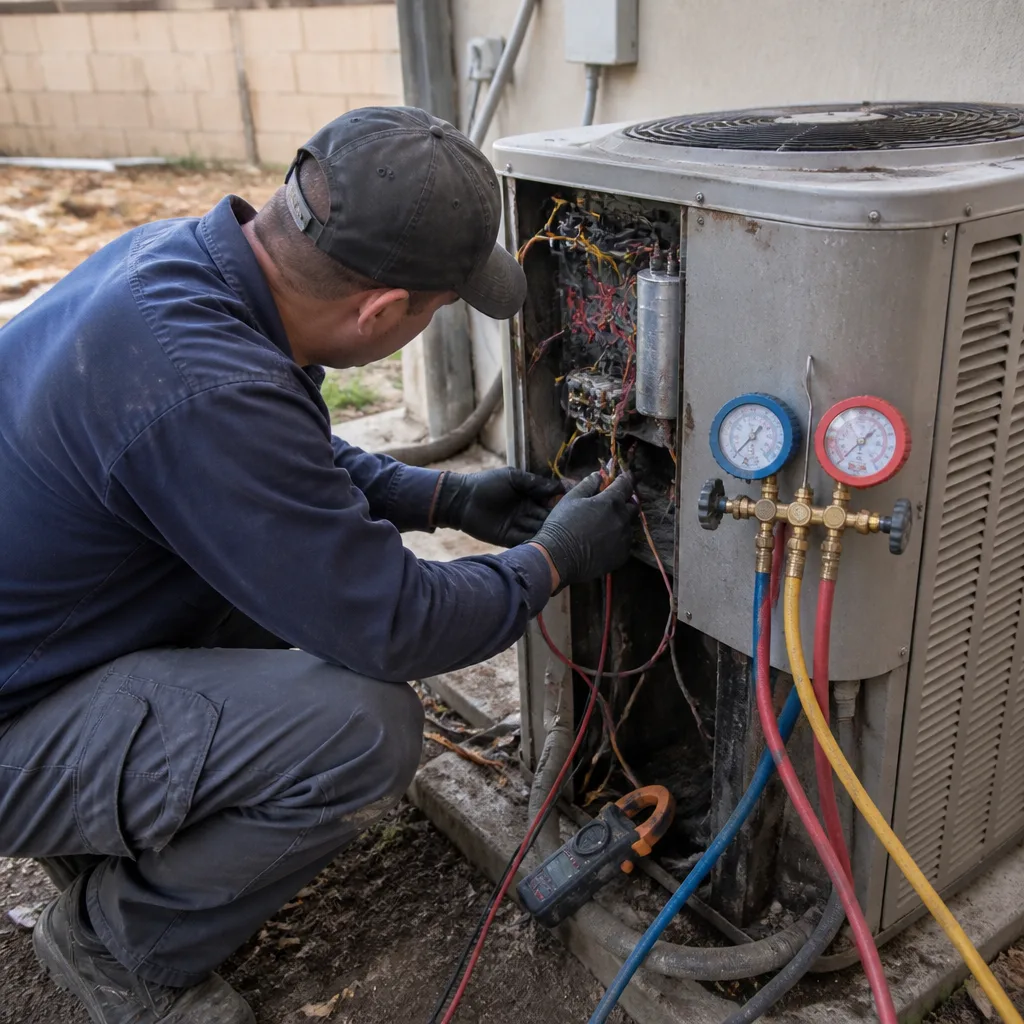
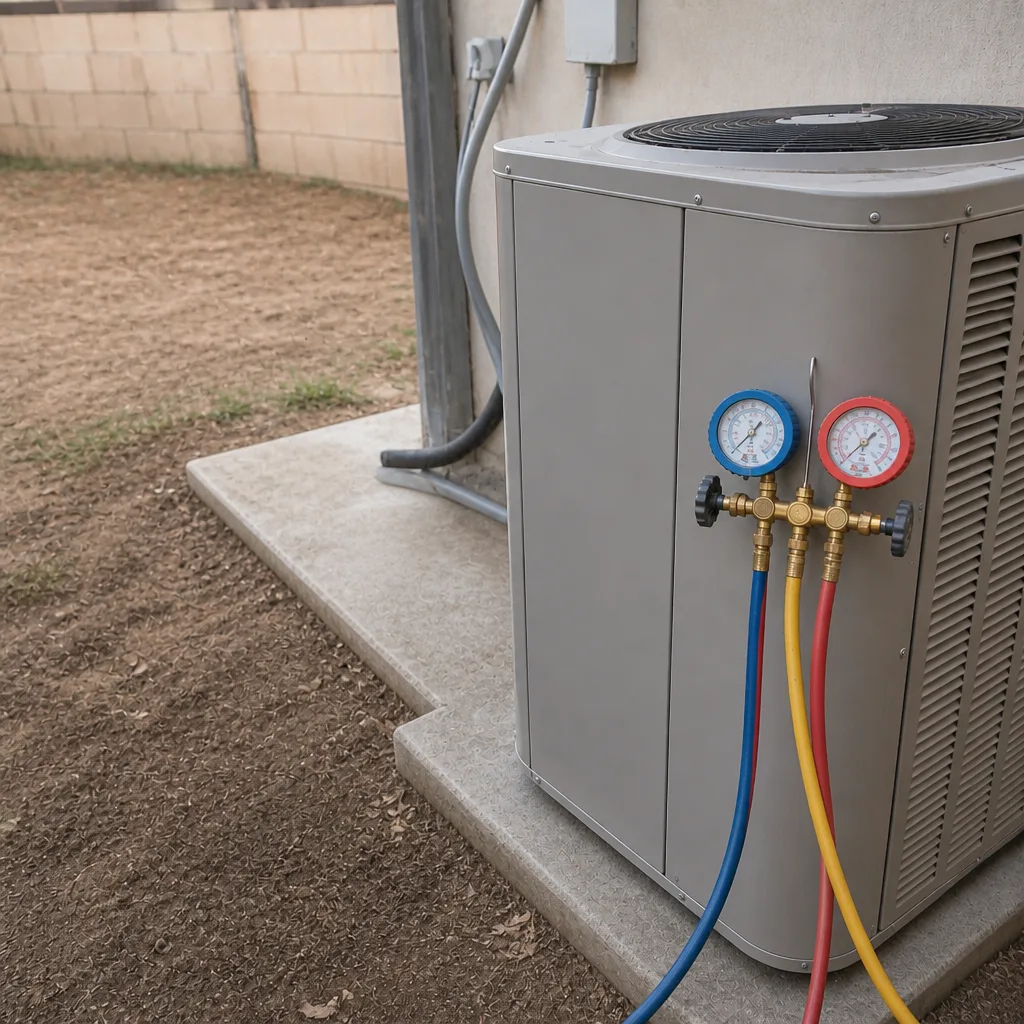
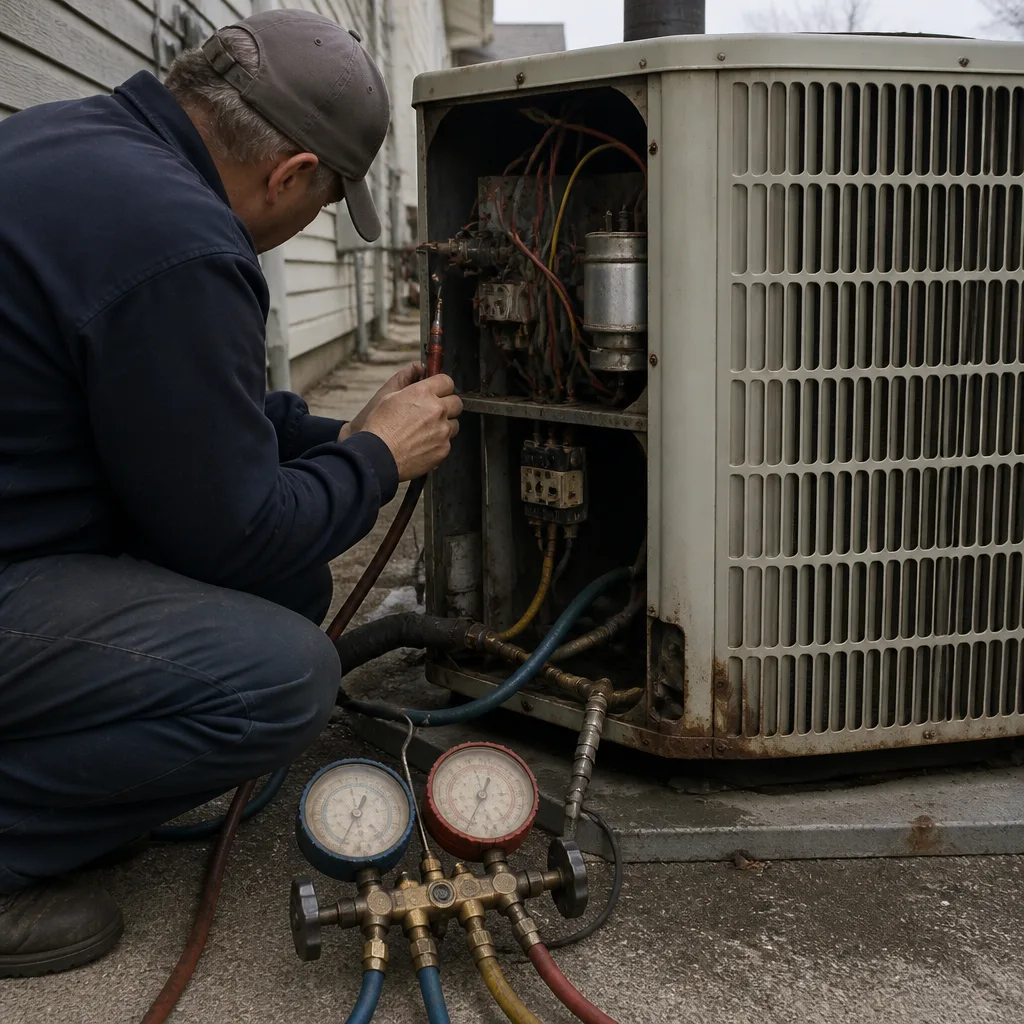
See the difference
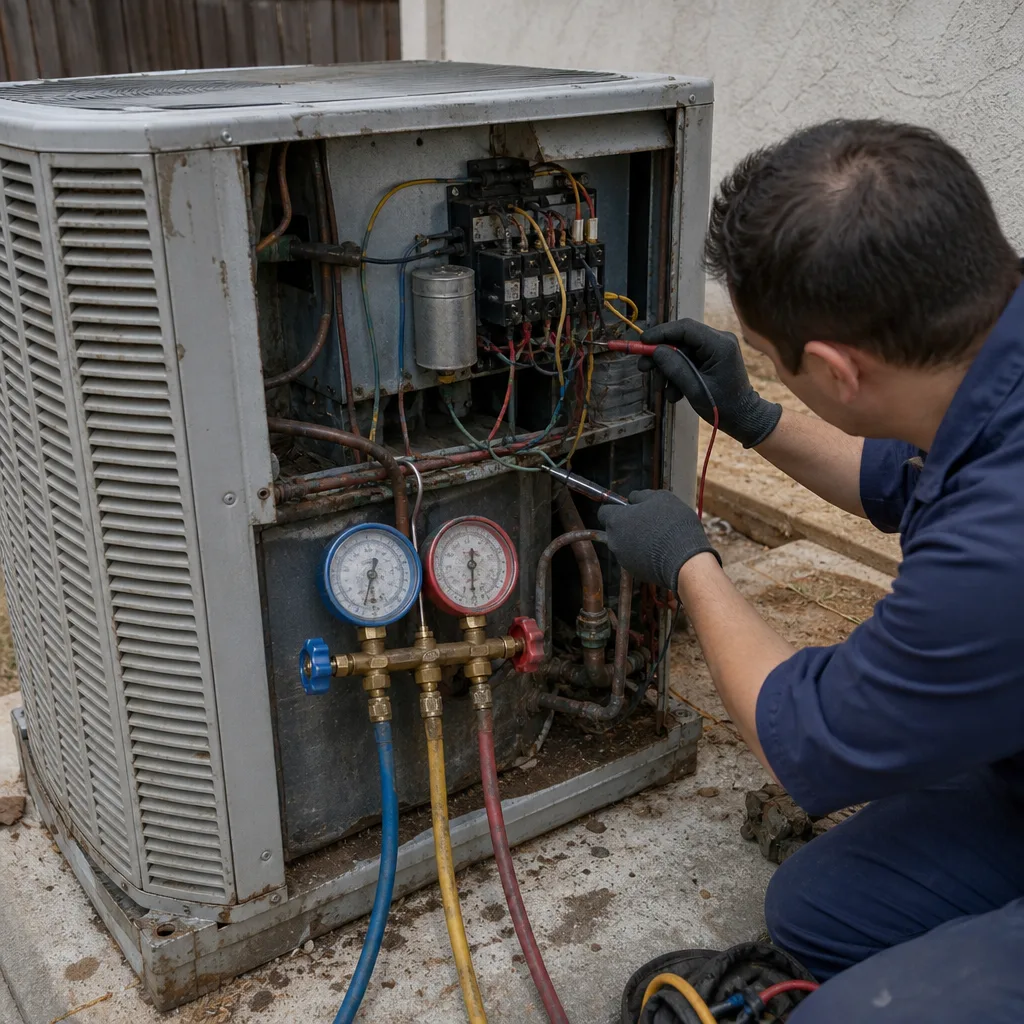 Before
 After
 Before
 After
 Before
 After
When to Call a Professional
Call for ice that returns after a filter clean, a hiss of escaping refrigerant, an electrical smell, or a breaker that trips more than once. Call when the room won’t hold setpoint after a full hour and the two-thermometer test shows a weak temperature split. Call for any sound that doesn’t resolve on its own, or any growing rattle. And call if the bill has crept month over month and you can’t pin it to weather.
Ray’s Heating & Air Paradise offers free estimates in Paradise – call (855) 664-5714. Phones are answered by a live person around the clock, every day, and if you want a second look at a written estimate from someone else, we’ll give you one. No trip charge inside the county. Every job carries our 90-Day Done Right Promise in writing: if it isn’t done right, we make it right, and one call brings us back.
Frequently Asked Questions
The earliest signs are a rising power bill for the same weather, a unit that runs constantly without holding setpoint, ice on the coil or line set, unusual sounds, and persistent odors. In Paradise, the power-bill clue gets missed most because rate increases and heat make the signal noisy. Compare your summer bill year over year, then check filters and condenser clearance before assuming the worst. Call (855) 664-5714 for a diagnostic if the signals don’t clear.
Two causes lead the list: low refrigerant charge from a slow leak, and restricted airflow from a dirty filter or a blocked outdoor unit. Inverter-driven systems are designed to run long and steady, so “runs a lot” isn’t automatically bad. But a unit that runs at high output and never reaches setpoint is telling you something is wrong. Call (855) 664-5714 for an exact quote on a diagnostic – estimates are free.
Repair if the unit is under 12 years old and the failure is on the refrigerant side, the coil, or an electrical component. Replace when the compressor is failing on a system older than 12 to 15 years, or when repair costs approaching half the replacement cost. In Paradise, keeping a functional unit running through one more summer is often the right call – a replacement head isn’t. Call (855) 664-5714 and we’ll walk you through it.
No. Ice on the line set usually means a refrigerant restriction or a low charge, which puts the compressor at risk. Turn the unit off, let it thaw, and call for a service visit. Ice on the indoor coil is also abnormal, but the two aren’t the same problem and shouldn’t be handled the same way. Call (855) 664-5714 for a same-day diagnostic. Estimates are free.
A click at startup is normal – the contractor engaging. A gurgle is usually fine – refrigerant moving. A rattle is not fine – something is loose and wearing. A hiss is urgent – refrigerant is escaping and needs immediate attention. Call (855) 664-5714 for the rattle or the hiss before they get worse.
Every 30 days during cooling season in Paradise, and every 60 days the rest of the year. Desert grit loads filters faster here than in wetter climates. Rinse with lukewarm water, let it dry fully, and reinstall. If a filter clean doesn’t fix a frozen coil or a weak temperature split, the problem is deeper. Call (855) 664-5714 for an exact quote – estimates are free.
The Bottom Line
Mini splits in Paradise fail quietly. The bill creeps, the unit runs longer, the ice forms slowly, and the rattle gets dismissed as “just what it sounds like.” Catching any one of those early turns a compressor replacement into a filter clean or a capacitor swap. Check your bill month to month. Run the two-thermometer test once a season. Pull the filter every 30 days in summer. Clear the condenser. And when something doesn’t add up – ice, hiss, hot-wiring smell, or a breaker that keeps tripping – call. Ray’s Heating & Air Paradise offers free estimates, no trip charge inside the county, and a live person on the phone at (855) 664-5714 any hour. Our technicians have up to 24 years of experience, background-checked, and the person who comes out today is the one who shows up next time.
Written by the team at Ray’s Heating & Air Paradise.